Why a Parent Pays the Same Fine
It's a gut punch when you get a notice about your child's off-highway vehicle (OHV) violation, only to find you're on the hook for the fine, too. New Mexico's laws on parental responsibility can feel confusing and unfair, leaving many parents wondering why they're penalized for their kid's actions. This guide will unravel those regulations, explaining exactly why parents often share the financial burden of a minor's OHV infractions and what you can do to navigate these rules.
Understanding New Mexico's Shared Responsibility for Youth OHV Violations
Navigating the world of off-highway vehicle riding with your kids in New Mexico is an incredible experience, offering countless memories on trails across the state. But it also comes with a serious set of responsibilities, especially when it comes to the law. Many parents are shocked to learn that if their minor child commits an OHV violation, the parent or legal guardian can be held just as accountable, often facing the exact same fines. This isn't just about punishment; it's a reflection of the state's commitment to youth safety and ensuring that adults provide adequate supervision and education.
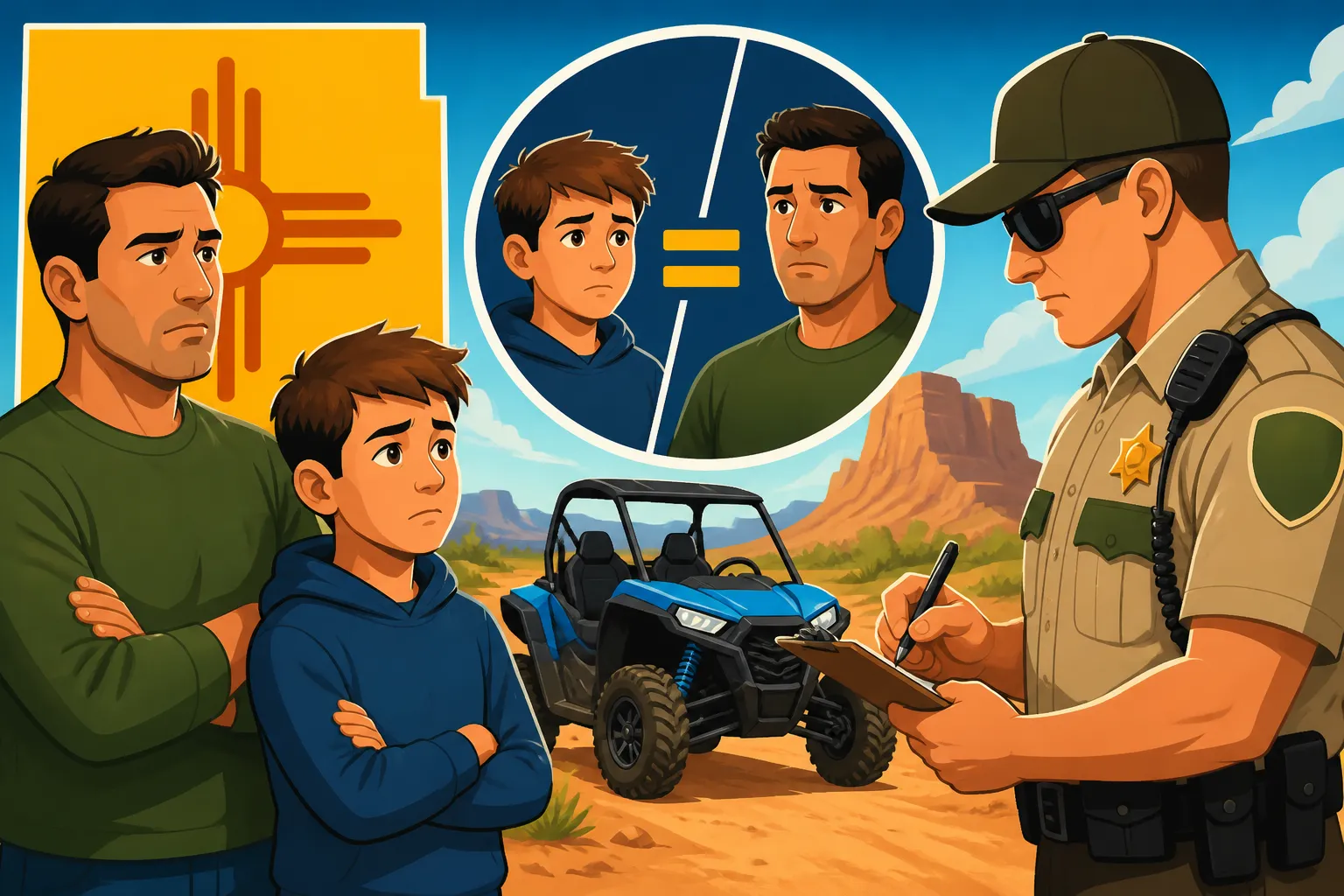
New Mexico law is pretty clear on this: if you're the parent or legal guardian of a minor (someone under 18 years old) who operates an OHV in violation of state law, you can be fined up to the same amount as the minor would have been. This isn't a separate, additional fine; it's a shared liability. Imagine your teenager is caught riding without the proper [New Mexico OHV Safety Permit Requirements] or on a prohibited road, and they get a citation. While your teen might face their own consequences, you, as the parent, will likely receive an identical citation for failing to prevent that violation. It stings, especially when you might feel you've done your best to teach them right.
This shared responsibility stems from the idea that minors often lack the full judgment and experience to make consistently safe and legal decisions, particularly in potentially dangerous activities like OHV riding. Therefore, the adult who is legally responsible for them is expected to ensure they are properly trained, equipped, and supervised. It's a legal framework designed to encourage active parental involvement in OHV safety and compliance. It’s not about catching parents out, but about reinforcing the vital role adults play in preventing accidents and promoting responsible riding habits. Knowing this upfront helps underscore the importance of understanding all the rules, not just for your own riding, but for anyone under your guardianship who hits the trails.
The Legal Basis for Parental Liability
The legal foundation for parents bearing the same fine as their minor children is rooted in New Mexico's Off-Highway Motor Vehicle Act. This act, like many across the country, recognizes that parents and guardians have a fundamental responsibility for the actions of their minor children, especially when those actions could pose a risk to themselves or others. It’s not uncommon for state laws to extend this responsibility to various activities, and OHV riding is certainly no exception given the power and potential hazards of these machines.
This means that ignorance of the law is rarely an acceptable defense. As a parent, you are expected to know and understand the regulations that apply to your child's OHV use. This includes everything from age restrictions and helmet laws to where they can and cannot ride. If your child is riding an ATV, UTV, or dirt bike, and they violate a rule, the law looks at the parent or guardian as the ultimate authority figure who should have ensured compliance. This is why you might receive a ticket even if you weren't physically present at the time of the violation. The burden of proof often falls on the parent to show they took reasonable steps to prevent the infraction.
Moreover, this legal framework aims to standardize enforcement. Instead of officers having to determine degrees of parental involvement, the law creates a clear line: if the minor violates, the parent is accountable. This simplified approach ensures consistent application of the law and sends a strong message to all adults about the seriousness of supervising young riders. It means you can't just hand over the keys and assume everything will be fine; you're expected to be engaged and informed.
What "Visual Supervision" Really Means
One of the most frequently misunderstood aspects of New Mexico's OHV rules for minors is the requirement for "visual supervision." Many parents assume this simply means being somewhere in the vicinity, or perhaps just a text or phone call away. However, in the eyes of the law, visual supervision is much more direct and demanding, particularly for younger riders. It means precisely what it says: the supervising adult must be able to see the minor rider at all times while they are operating the OHV.
This isn't just about knowing they're out there; it's about being able to intervene immediately if a problem arises, whether it's an unsafe riding practice, a mechanical issue, or an encounter with another rider or obstacle. For example, if your 12-year-old is riding an ATV, and you're back at the campsite reading a book, that would generally not be considered visual supervision. The terrain, the speed of the machines, and the minor's skill level all factor into how close you need to be to maintain true visual supervision. In dense forest or hilly terrain, this can be incredibly challenging, sometimes requiring you to be on an OHV yourself, riding alongside or immediately behind them.
The intent behind such strict visual supervision requirements is to prevent accidents and ensure immediate response in emergencies. It means you're actively monitoring their riding, correcting unsafe habits on the spot, and making sure they adhere to all rules, including those about designated trails and speed limits. If a minor gets into an accident or is caught in an illegal area without their parent in plain sight, the lack of visual supervision can become another violation, often adding to the parental fines. Therefore, always plan your rides with visual supervision in mind, especially when your children are riding their [New Mexico Registration for a Youth Machine].
Common OHV Violations That Lead to Parental Fines in New Mexico
When a parent faces the same fine as their minor child for an OHV violation, it's almost always linked to specific rules designed to protect young riders and maintain order on public lands. These aren't obscure regulations; they are fundamental safety and operational requirements that every OHV rider, especially a minor, must follow. Understanding these common pitfalls is the first step toward preventing them and avoiding those unwelcome citations. It's often the case that a seemingly small oversight can snowball into a hefty fine.
Perhaps one of the most frequent reasons for a ticket involves age restrictions. New Mexico has clear guidelines about who can ride what and where, particularly on public land. For example, if your child is under the minimum age for a particular machine type or public riding area, and they're caught operating it, that's an immediate violation for both of you. Another big one is the lack of proper safety gear. Helmets aren't just a suggestion; they're often a legal requirement for minors. And then there's the ever-present issue of riding in unauthorized areas, whether it's a closed trail, private property without permission, or—heaven forbid—a paved public road without the necessary permits and equipment.
Many of these violations aren't just about safety; they're about respect for the environment and other users. Riding off designated trails can damage fragile ecosystems, and speeding through a campground can be dangerous for pedestrians. Parents are expected to instill these values in their children, and when a minor fails to uphold them, the legal system holds the parent accountable. It’s a holistic approach to responsible recreation that acknowledges the powerful role adults play in shaping the next generation of riders.
Age and Skill Restrictions for Young Riders
New Mexico takes the safety of young OHV riders very seriously, which is reflected in its age and skill restrictions. It's not a free-for-all; there are specific guidelines that dictate who can ride, what type of machine they can operate, and under what conditions. For instance, children under six years old are generally prohibited from operating OHVs on public lands, full stop. For slightly older children, the type of machine they can ride often depends on their physical size and the machine's engine displacement, often requiring an adult-sized machine to be operated by an adult. The law generally says a rider under 13 cannot operate an OHV on public land without direct adult supervision, and even then, there are limits on engine size.
A significant part of these regulations revolves around the [New Mexico Minimum Age to Ride Public Land] and the associated [New Mexico Supervision Rules for Young Riders]. If your child doesn't meet the age criteria for the specific OHV they're riding or the location, or if they're not under the required visual supervision, you're looking at a potential violation. This is where those shared parental fines come into play. It's not just about a numerical age; it's also about demonstrated skill and maturity.
To ensure compliance, parents should carefully review the state's OHV regulations, paying close attention to the specific age requirements for various machine types (ATVs, dirt bikes, UTVs). It’s easy to think a child is "big enough" or "experienced enough," but the law has precise definitions. Outfitting your child with the right machine for their size and age, combined with appropriate training, is critical. For example, a powerful utility-focused UTV from a brand like SuperATV, while excellent for adult tasks, might be entirely unsuitable and illegal for a young, inexperienced rider, even if modified for size.
Helmet and Safety Gear Requirements
When it comes to OHV riding, safety gear isn't just a recommendation; for minors in New Mexico, it's often a legal mandate. The most critical piece of equipment is, of course, the helmet. New Mexico law specifically requires riders under the age of 18 to wear a helmet when operating or riding as a passenger on an OHV. This isn't a rule to be taken lightly; head injuries are among the most severe and preventable consequences of OHV accidents.
Beyond helmets, other safety gear is highly recommended and, in some cases, implicitly required for safe operation, even if not explicitly mandated by law for all circumstances. This includes eye protection (goggles or a face shield), sturdy boots, gloves, and long-sleeved shirts and pants. While the state might specifically fine you for a child not wearing a helmet, failing to provide other basic safety gear could be seen as a lack of responsible supervision in the event of an accident or other citation. You can find robust safety accessories from providers like SuperATV that go beyond the basic legal requirements, offering enhanced protection.
Parents need to understand that if their child is caught riding without a helmet, not only will the child likely be stopped, but the parent will also face a fine. This falls squarely under the umbrella of parental responsibility. It’s your job to ensure your child is properly equipped before they even turn the key. This often means having a conversation with your child about why this gear is important, not just that it's required by law. Emphasize that it's there to protect them, not to hinder their fun.
Riding in Restricted Areas or Without Proper Permits
One of the quickest ways to incur an OHV violation, both for a minor and their supervising parent, is by riding in restricted or prohibited areas or without the necessary permits. New Mexico has a diverse landscape, offering a variety of riding opportunities, but not all land is open to OHVs. This includes private property, designated wilderness areas, certain state parks, and often, paved public roads and highways.
Riding on private land without explicit permission is trespassing, a serious offense. More commonly, riders might inadvertently stray onto federal lands (like National Forests or BLM land) that have designated OHV routes and travel management plans. Riding off a designated route or entering a closed area will lead to citations. Furthermore, while New Mexico does allow some limited paved road use for OHVs with specific equipment and permits, riding on a state highway or interstate is almost universally prohibited. If your child is caught on a prohibited road, or a non-street-legal machine is operating on pavement without proper permits, the fines will certainly follow. You can read more about this in [New Mexico Fines for Illegal Road Riding].
It's also crucial to ensure the OHV itself has the proper registration and permits. New Mexico residents must [Registering an OHV in New Mexico] at the MVD. Non-residents may need a [New Mexico's Nonresident OHV Permit] if their home state doesn't have reciprocity or a registration program. For minors, the [New Mexico OHV Safety Permit] is a key requirement for public land riding. If your child is found riding without these necessary documents, both you and they could face penalties. Ensuring all paperwork is current and carried during rides is as important as the safety gear itself. Always check local ordinances, federal land rules, and state regulations before heading out.
Proactive Steps for New Mexico Parents to Avoid OHV Penalties
Nobody wants to deal with fines, especially when they stem from their child's actions. The good news is that many of the common OHV violations that lead to parental fines are entirely preventable with a proactive approach. It's about being informed, setting clear expectations, and ensuring your child has the right tools and knowledge to ride responsibly. Think of it less as a burden and more as an investment in their safety and your peace of mind.
The key really comes down to education and direct engagement. Simply telling a child to "be careful" isn't enough when powerful machinery is involved. It means taking the time to explain the rules, demonstrate safe practices, and actively supervise them, especially during their formative riding years. Just as you would teach them to drive a car or ride a bicycle safely, OHV riding requires dedicated instruction and ongoing reinforcement of good habits.
This proactive approach extends to the machines themselves. Ensuring the OHV is appropriate for your child's size and skill level, and that it's properly maintained and equipped for safe and legal operation, is fundamental. Investing in quality accessories, like those from SuperATV, that enhance safety and compliance can make a significant difference. It’s about creating an environment where responsible riding is not just an expectation, but a deeply ingrained habit.
Enrolling in a Certified OHV Safety Course
One of the single most impactful steps a parent can take to avoid fines and, more importantly, ensure their child's safety, is enrolling them in a certified OHV safety course. New Mexico actually requires a safety permit for all OHV riders under the age of 18 when operating on public lands. This permit is typically obtained by completing an approved safety course. So, not only does it fulfill a legal requirement, but it also provides invaluable education.
These courses, often offered by certified instructors, cover everything from basic riding techniques and machine controls to trail etiquette, environmental responsibility, and crucial safety strategies. They teach children how to anticipate hazards, react appropriately in emergencies, and understand the limits of both their machine and their own abilities. This structured learning environment goes far beyond what most parents can teach informally and provides a standardized foundation of knowledge.
By having your child complete an approved course, you're not just getting a permit; you're equipping them with critical skills that reduce the likelihood of accidents and violations. It demonstrates to authorities that you are actively promoting safe riding, which can even reflect favorably in situations where a minor infraction might occur. For detailed information on where to find these courses and their associated costs, check out [New Mexico OHV Safety Course Cost].
Establishing Clear Rules and Boundaries
Beyond formal training, establishing clear, non-negotiable rules and boundaries for your child's OHV use at home is paramount. This creates a framework of expectations that helps prevent violations before they happen. Don't assume your child understands the nuances of the law or common sense safety. Spell it out for them.
These rules should cover:
- Designated Riding Areas: Clearly define where they are allowed to ride and, critically, where they are absolutely not. Emphasize why certain areas (like roads or private property) are off-limits.
- Supervision Requirements: Remind them that when riding, they must always be within your visual supervision, or that of another approved adult.
- Safety Gear Usage: Insist that all safety gear—helmet, eye protection, sturdy clothing—is worn every single time they ride, no exceptions.
- Machine Operation: Teach them about speed limits, respecting other trail users, and never riding under the influence of anything.
- Communication: Encourage open communication. They should feel comfortable telling you if they made a mistake, saw something unsafe, or need help.
It's not enough to just tell them once. These rules need to be reinforced consistently. Regular conversations about safe riding, reviewing specific scenarios, and leading by example are essential. When your child understands the "why" behind the rules, they are far more likely to adhere to them, even when you're not directly watching.
Regular Machine Maintenance and Proper Equipment
A well-maintained OHV is a safe OHV, and ensuring your child's machine is in top working order is another critical step in avoiding penalties and ensuring safety. Mechanical failures can lead to accidents or breakdowns in remote areas, which can then lead to further complications or violations. For instance, a faulty headlight could lead to a citation if riding at dusk, or a poorly functioning brake could contribute to an accident.
Regular maintenance should include checking:
- Brakes: Ensure they are responsive and effective.
- Tires: Check for proper inflation and adequate tread.
- Lights: Verify headlights, taillights, and brake lights are all working.
- Spark Arrester: This is often a legal requirement for public land use to prevent wildfires. Brands like SuperATV offer a range of exhaust systems and spark arresters that comply with regulations.
- Fluid Levels: Engine oil, brake fluid, and coolant should be at appropriate levels.
- Chain/Belt: Ensure it's properly tensioned and lubricated.
Beyond maintenance, having the proper equipment for the specific riding conditions and legal requirements is crucial. This might include an audible horn, mirrors (if riding on paved roads), and, of course, a properly sized machine for your child. Make sure any modifications or aftermarket parts, perhaps from SuperATV, are installed correctly and comply with all state and federal regulations for OHV operation. A pre-ride inspection should become a standard routine before every outing, for both you and your child, instilling a sense of responsibility for their machine.
The Financial and Legal Ramifications of New Mexico OHV Penalties
Understanding that you, as a parent, could face the same fines as your minor child for an OHV violation can be a sobering reality. It's not just about the immediate cost; these penalties can have broader financial and legal ramifications that extend beyond a single ticket. It's crucial for parents to grasp the full scope of these consequences to truly appreciate the importance of proactive safety and compliance.
The initial fines themselves can range significantly depending on the severity and type of infraction. A minor violation, like a missing safety permit, might carry a lower fine, while more serious offenses, such as reckless endangerment or significant environmental damage, could result in much higher penalties, potentially [New Mexico Fines Up to $400] or even more for repeat offenses. These amounts can quickly add up, especially if there are multiple violations or if an incident involves property damage or injury.
Beyond the direct financial hit, there could be other legal implications. Repeated violations, or those indicating a pattern of negligence, could potentially lead to more serious legal scrutiny, although this is less common for minor OHV infractions. It's also worth considering how these incidents might impact your child's future, especially if they are approaching driving age, as some violations could appear on a record, though OHV fines are typically distinct from standard traffic violations. The aim here is to emphasize that these aren't just nuisance fees; they are serious consequences tied to state law.
Understanding Fine Amounts and Repeat Offenses
The cost of an OHV violation in New Mexico can vary, but it's important to know that fines can be substantial. For many common infractions involving minors, the fine structure is designed to be a deterrent, making parents think twice about lax supervision or non-compliance. What might seem like a small oversight can quickly turn into a significant financial burden. For specific examples, you can refer to [New Mexico Fines for an OHV Violation].
The real financial sting often comes with repeat offenses. New Mexico law, like many jurisdictions, typically imposes escalating penalties for subsequent violations. This means that if your child is caught committing the same type of infraction a second or third time, the fines can be significantly higher than the initial one. This escalating scale is designed to encourage immediate correction of behavior and emphasize the state's intolerance for continued disregard of OHV laws. It's a clear signal that the authorities expect compliance after the first warning or citation.
For parents, this means that ignoring an initial fine or not addressing the underlying cause of the violation can lead to a much larger problem down the road. It underscores the importance of not just paying the ticket, but also taking concrete steps to ensure the violation doesn't happen again. This could involve enrolling in additional training, revoking riding privileges temporarily, or implementing stricter supervision rules. It’s a moment for re-evaluation and redoubling efforts to ensure responsible riding habits.
| Violation Category | Example Infraction | Typical Minor Fine | Parental Liability |
|---|---|---|---|
| Age/Supervision | Minor under minimum age riding | Moderate | Yes (Same Fine) |
| Minor riding without visual supervision | Moderate | Yes (Same Fine) | |
| Permit/Registration | Minor without valid OHV Safety Permit | Moderate | Yes (Same Fine) |
| Unregistered OHV (for residents) | Moderate | Yes (Same Fine) | |
| Safety Gear | Minor riding without a helmet | Moderate | Yes (Same Fine) |
| Minor riding without eye protection (paved road) | Lower | Yes (Same Fine) | |
| Illegal Operation | Riding in a restricted area/off-trail | Moderate-High | Yes (Same Fine) |
| Riding on a prohibited paved road | High | Yes (Same Fine) | |
| Equipment | OHV without spark arrester (public land) | Lower-Moderate | Yes (Same Fine) |
| OHV with excessive noise | Lower-Moderate | Yes (Same Fine) |
Other Potential Consequences and Liabilities
While direct fines are the most immediate consequence, there can be other, less obvious ramifications for OHV violations involving minors. One significant area is civil liability. If your child's actions lead to property damage or injury to another person, you, as the parent, could face civil lawsuits for damages. This is separate from the state-issued fine and can be far more costly, potentially involving medical bills, repair costs, and pain and suffering. This is why having adequate [New Mexico OHV Registration and Liability Insurance] is so crucial, especially for any OHV used on paved roads, but liability concerns extend to all riding.
Furthermore, there could be consequences related to future OHV privileges. While a single minor violation might not revoke a safety permit, repeated or severe infractions could lead to suspension or revocation of permits or riding privileges, making it impossible for your child to legally ride public lands. For some serious violations, particularly those involving reckless behavior or egregious disregard for safety, law enforcement could even impound the OHV, adding further costs and inconvenience for recovery.
Finally, there’s the impact on your child’s perception of rules and responsibility. While the immediate financial burden falls on you, the parent, it’s an opportunity to teach your child about accountability and the importance of adhering to laws designed for safety and environmental protection. Using the consequence of a fine as a teaching moment can transform a negative experience into a valuable lesson in civic duty and responsible recreation.
Disclaimer
This article is for general informational purposes only and does not constitute professional advice. Laws, prices and regulations vary by location and change over time. Consult a qualified professional for guidance on your specific situation.