New Mexico ATV Insurance Requirement
Riding an ATV or UTV in New Mexico is an incredible experience, but the question of insurance often leaves many riders scratching their heads. It’s easy to get confused about when it’s absolutely required by law versus when it's just a really smart idea. This guide is here to clear up all that uncertainty, helping you understand exactly what New Mexico expects of you regarding off-highway vehicle insurance, especially if you plan to hit those paved roads.
The Core Question: Is ATV/UTV Insurance Required in New Mexico?
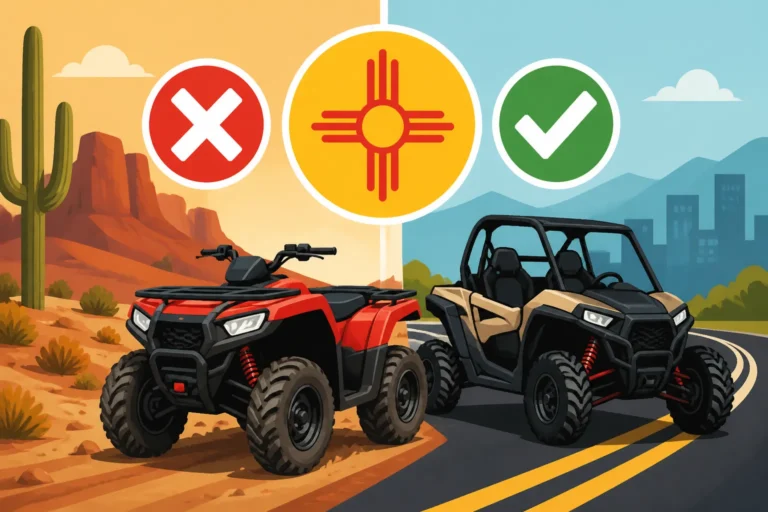
This is usually the first thing that pops into a rider's mind, and honestly, the answer isn't a simple "yes" or "no." It really depends on where and how you plan to ride your off-highway vehicle (OHV) in our beautiful state. The rules shift significantly the moment you think about leaving the dirt behind for a stretch of asphalt.
Off-Road Riding: The General Rule
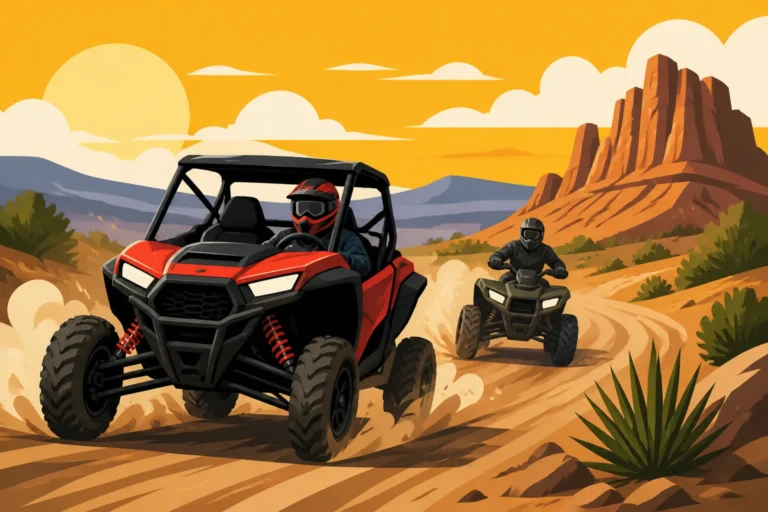
For the vast majority of us who stick to the dirt, the trails, and the wide-open desert, New Mexico state law generally does not mandate liability insurance for your ATV or UTV when it’s used exclusively off-road. You could be tearing up the dunes at Mescalero Sands or exploring the vast network of [BLM Land in New Mexico] without the state government demanding to see an insurance card for your machine. This is a common point of confusion because we're so used to requiring insurance for our cars and trucks.
However, just because it's not legally required for off-road adventures doesn't mean it's a wise decision to skip it. Imagine a scenario: you're out exploring a new trail near Truth or Consequences, maybe a little too fast around a blind corner, and you collide with another rider. Or perhaps you're cruising on private ranch land, and through an unforeseen circumstance, you cause damage to property or injury to someone. Without any insurance, you could be personally liable for significant costs, including medical bills, repairs, and legal fees. It's a risk many seasoned riders aren't willing to take, even if the state isn't forcing their hand. This protection extends to your valuable aftermarket accessories too, from a SuperATV lift kit to a new winch, which would be costly to replace out of pocket.
Paved Road Riding: A Different Ballgame
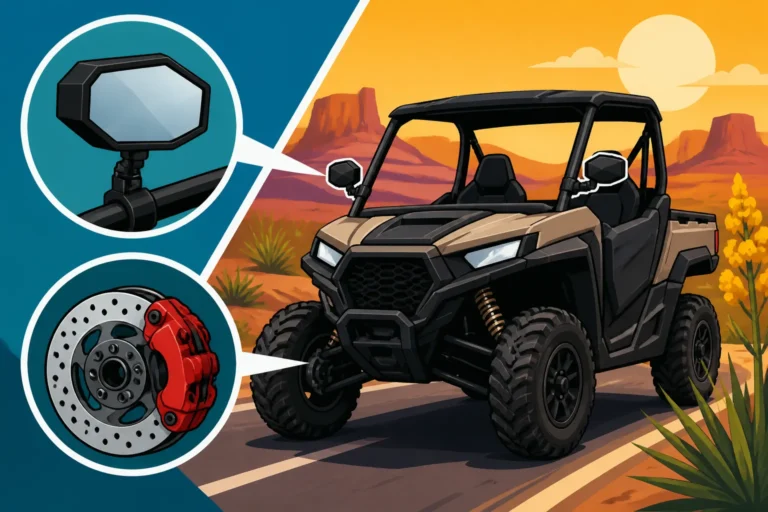
Now, here's where the rules change completely, and it's super important for anyone dreaming of connecting trails or running into a small town for lunch. If you intend to operate your ATV or UTV on any paved public road in New Mexico – this includes county roads, city streets, and highways where OHVs are specifically allowed – then yes, liability insurance becomes mandatory. The state views an OHV on a paved public road much like any other motor vehicle, and it expects you to be financially responsible in case of an accident.
This requirement isn't just a suggestion; it's enforced under the state’s Mandatory Financial Responsibility Act. This act ensures that anyone operating a motor vehicle on public roads can cover potential damages or injuries they might cause. So, if you're planning to take advantage of areas like Sierra County's open county roads or the specific rules in Red River, you absolutely must have insurance. Without it, you could face penalties and fines if caught, even if your machine has the proper [New Mexico's Green On and Off-Highway Decal] and [New Mexico's Paved Road Plate]. It's a critical step in ensuring your machine is truly street legal.
Understanding New Mexico's Mandatory Financial Responsibility Act
This act is the backbone of why you need insurance for certain types of riding. It's designed to protect everyone on the road, ensuring that if an accident happens and someone is at fault, there's a financial mechanism in place to cover the costs for the innocent parties. It's not about protecting your machine; it's about protecting others from the financial consequences of your actions.
What the Law Requires for Paved Roads
When New Mexico's Mandatory Financial Responsibility Act applies to your OHV, it specifically requires you to carry liability insurance. This isn't just any insurance; it's a particular type designed to cover the costs associated with damages or injuries you might inflict on other people or their property. It does not, for instance, cover repairs to your own ATV or UTV if you're at fault in an accident, nor does it cover your own medical bills.
Think of it this way: if you're cruising down a county road that's open to OHVs, and you accidentally swerve and hit a mailbox, or worse, clip another vehicle, your liability insurance would kick in to pay for the repairs to the mailbox or the other vehicle, and any medical expenses for the occupants. This is why the state is so keen on it – it prevents innocent parties from being stuck with huge bills because of someone else's mistake. It’s a core component of [What New Mexico Law Says About Road Use], ensuring a baseline of protection for everyone sharing those paved surfaces.
Proof of Insurance on Pavement
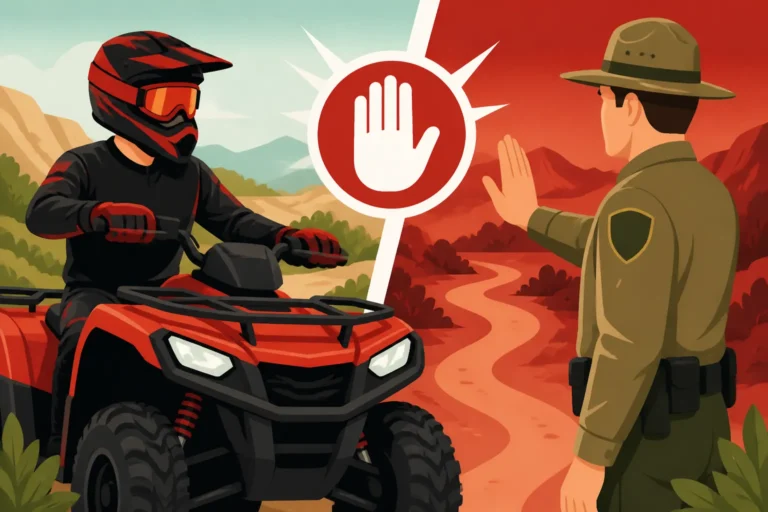
Just having the insurance isn't enough; you also need to be able to prove it. When you're riding your ATV or UTV on any New Mexico paved road where it's legally permitted, you must carry proof of your liability insurance with you. This could be your insurance card, a digital copy on your phone, or a printout of your policy declarations page. A law enforcement officer, if they pull you over, will likely ask for this proof, along with your driver's license and OHV registration.
Failing to provide proof of insurance can lead to citations and fines, even if you actually have coverage but just left the card at home. It’s a hassle nobody wants, so make it a habit to always [Carrying an Insurance Card on Pavement] along with your other essential documents. Remember, the goal is not to get into trouble, but to be prepared and responsible for those moments when you're sharing the roads with other traffic.
What Kind of Coverage Should You Consider?
While state law only mandates liability for paved road use, savvy riders know that a minimal policy might leave you exposed to significant financial risk. Thinking beyond just what's legally required can save you a lot of heartache (and money) down the line.
Beyond Basic Liability: Protecting Your Investment
For many of us, our ATV or UTV isn't just a recreational toy; it's a significant investment. Basic liability insurance, while legally sufficient for paved roads, won't cover your machine if it's damaged or stolen. This is where comprehensive and collision coverage come into play.
- Collision coverage helps pay for damages to your OHV if it collides with another vehicle, an object (like a tree or a rock), or if it rolls over. Imagine taking a tumble on a challenging trail in the Carson National Forest or misjudging a turn on a dirt county road; collision would help cover the repair costs.
- Comprehensive coverage steps in for non-collision incidents. This includes things like theft (a common concern if you trailer your machine and leave it unattended), vandalism, fire, flood, or even hitting an animal. If you've invested in upgrading your machine with parts from a brand like SuperATV, whether it's new bumpers, a roof, or a windshield, these coverages are crucial for protecting those additions. Without them, replacing an expensive component or an entire machine after a non-collision incident would come entirely out of your pocket.
It's also worth thinking about accessories coverage. If you've tricked out your machine with custom wheels, an upgraded sound system, or special lighting, these might not be fully covered under standard comprehensive or collision policies unless you specifically add accessory coverage. Always discuss your modifications and additions with your insurance agent to ensure they're adequately protected.
Factors Influencing Your Premium
The cost of your OHV insurance premium isn't one-size-fits-all. Several factors will influence how much you pay, and understanding them can help you find a policy that fits your budget and needs.
- Type of Machine: A powerful UTV like a side-by-side with a large engine will generally cost more to insure than a smaller, less powerful ATV. Newer, more expensive machines with higher performance capabilities are also typically more costly to cover.
- Rider Experience and Age: Young, inexperienced riders or those with a history of accidents might see higher premiums. Some insurers may offer discounts for riders who complete an approved OHV safety course. New Mexico also has specific age rules for riding, which can factor into insurance considerations.
- Where You Ride: If you primarily ride on private land or designated off-road areas, your risk profile might be different than someone who frequently uses paved public roads, potentially affecting your rates.
- Claims History: Like with auto insurance, a history of previous claims can increase your premiums.
- Deductibles: Choosing a higher deductible (the amount you pay out-of-pocket before insurance kicks in) can lower your monthly or annual premium, but means you'll pay more upfront if you need to file a claim.
- Coverage Limits: The amount of liability coverage you choose (e.g., 25/50/10 vs. higher limits) will directly impact your premium. While the state has minimums for [New Mexico's Mandatory Financial Responsibility Act], many riders opt for higher limits for greater peace of mind.
Always be transparent with your insurance provider about your riding habits and any modifications to your machine. This ensures you have the right coverage and avoids any surprises should you need to file a claim.
Where to Get OHV Insurance in New Mexico
Finding the right insurance for your ATV or UTV in New Mexico doesn't have to be a scavenger hunt. There are several avenues you can explore, from familiar names to specialized providers. The key is to shop around and find a policy that truly fits your unique riding lifestyle.
Mainstream Insurers and Specialty Providers
Most of the major insurance companies you recognize from your car or home insurance policies also offer coverage for off-highway vehicles. Think about companies like Progressive, GEICO, State Farm, Allstate, and Farmers. These large insurers often have established networks and customer service teams. They might be a good first stop, especially if you prefer to keep all your insurance policies under one roof. Many of these companies offer OHV-specific policies that can be tailored to ATVs, UTVs, dirt bikes, and other off-road machines.
However, don't overlook specialty recreation vehicle insurers. Companies like Foremost, Dairyland, and National General often focus heavily on RVs, boats, motorcycles, and OHVs. Because their primary business is recreational vehicles, they sometimes have a deeper understanding of the unique risks and needs of OHV riders, potentially offering more niche coverage options or competitive rates for certain types of machines or uses. Always get quotes from a few different places to compare not just the price, but also the coverage details and deductibles. A little legwork upfront can save you a lot of money and headaches later. Knowing [Which Insurers Write OHV Policies in New Mexico] is a great starting point for your research.
Bundling and Discounts
One of the easiest ways to potentially save money on your OHV insurance is through bundling and taking advantage of available discounts. Many insurers offer a multi-policy discount if you combine your ATV/UTV insurance with your existing auto, home, or motorcycle policy. It's often convenient and can lead to significant savings across all your premiums.
Beyond bundling, inquire about other potential discounts:
- Multi-Vehicle Discount: If you insure more than one ATV or UTV with the same company, you might get a discount.
- Safety Course Discount: Completing an approved ATV/UTV safety course can often qualify you for a discount. This is not only good for your wallet but also for your riding skills and safety on the trails. In New Mexico, especially for younger riders, completing such a course can even lead to earning a [New Mexico's OHV Safety Permit].
- Claim-Free Discount: Riders with a good claims history might be rewarded with lower rates.
- Payment Discounts: Setting up automatic payments or paying your premium in full annually might also reduce your overall cost.
- Security Device Discount: If your OHV has certain anti-theft devices, some insurers might offer a discount.
Always ask your insurance agent about all possible discounts. You never know what savings you might be eligible for until you ask!
Here's a quick look at the typical differences between basic liability and more comprehensive coverage options for OHVs in New Mexico:
| Feature | Basic Liability (Required for Paved Roads) | Comprehensive & Collision (Recommended) |
|---|---|---|
| Covers Damage To | Other vehicles, property, and people (not your OHV) | Your OHV (due to collision, theft, fire, vandalism, etc.) |
| Medical For | Other people (injured by your OHV) | Your own medical (if added personal injury protection) |
| Theft Protection | No | Yes |
| Vandalism | No | Yes |
| Natural Disasters | No | Yes (e.g., flood, fire) |
| Rollover Damage | No | Yes (collision portion) |
| Required by NM Law | Yes, for paved road use only | No (optional, but highly recommended) |
| Example Scenario | You hit a car on a county road; their repairs are covered. | Your UTV is stolen from your garage; replacement is covered. |
Disclaimer
This article is for general informational purposes only and does not constitute professional advice. Laws, prices and regulations vary by location and change over time. Consult a qualified professional for guidance on your specific situation.