New Mexico Eye Protection Requirement
It’s easy to get lost in the excitement of hitting New Mexico’s incredible trails, but overlooking crucial safety gear, like eye protection, can turn a fantastic day into a frustrating one. Many riders assume a helmet is enough, or that if they’re just on dirt, it doesn’t matter as much. This guide will cut through the confusion and lay out exactly what New Mexico law expects when it comes to keeping your eyes safe on your ATV or UTV, whether you’re exploring high mountain passes or just crossing a paved county road.
The Bare Minimum: Why Eye Protection Matters for Every Ride
Even when the law doesn’t explicitly demand it, wearing eye protection while riding an ATV or UTV in New Mexico is just plain smart. Think about it: you're out there tackling dusty trails, navigating through brush, splashing through mud puddles, and sometimes even dealing with unexpected flying debris kicked up by other riders or passing vehicles. Without proper eye protection, you’re not just risking discomfort; you’re risking your vision. Nobody wants a rogue pebble or a low-hanging branch to ruin their ride, or worse, cause an accident because they couldn't see properly.
Beyond the physical hazards, riding without eye protection means constant squinting in the sun, battling wind-induced tears, and dealing with dust getting into your eyes. This isn't just irritating; it significantly impairs your ability to see the terrain, react to obstacles, and enjoy the scenery. Many seasoned riders have learned this the hard way, wishing they'd invested in a good pair of goggles or a full-face helmet visor sooner. It's a small investment for a huge gain in safety and comfort.
The Unwritten Rule of the Trail
While New Mexico law generally focuses on specific scenarios for mandatory eye protection, there's an unwritten rule among the riding community: protect your eyes, always. This isn't just about avoiding a ticket; it's about preserving your ability to ride for years to come. Imagine the sheer agony of riding down a dusty trail near Red Sands OHV Area without goggles, feeling the grit grind into your eyes, or trying to navigate a technical section in the Carson National Forest with tears streaming down your face from the wind. It’s not only unpleasant, but it's dangerous.
This is especially true for those epic rides that take you through changing terrain, from open desert washes to wooded single tracks. The conditions can shift quickly, and what seemed like a clear path can suddenly become a gauntlet of low branches and kicked-up dust. Always prepare for the unexpected.
Protecting Young Riders
When it comes to the younger generation hitting the trails, New Mexico does have specific requirements that apply universally, regardless of whether they're on pavement or dirt. Any rider or passenger under the age of 18 is required to wear both a safety helmet and eye protection when riding an OHV on public land. This isn't a suggestion; it's a firm rule designed to keep our kids safe.
As a parent, ensuring your child has the right gear, including properly fitting goggles or a full-face helmet with a clear visor, is paramount. Those little eyes are precious, and the risks for younger riders can be even higher due to their developing perception and reaction times. You can find more details about age-related rules in articles like [New Mexico Rules for Riders Under 18] and [New Mexico Helmet Law for Riders Under 18].
Mandatory Eye Protection: When New Mexico Law Requires It
Now, let's talk about when eye protection isn't just a good idea, but a legal requirement in New Mexico, particularly for adult riders. The key distinction often comes down to where you're riding. While off-road riding for adults generally falls under the "highly recommended but not strictly mandated by law" category for eye protection, things change dramatically when you decide to take your machine onto public paved roads.
New Mexico's regulations for OHVs on paved roads are quite clear: if you're riding a street-legal ATV or UTV on a designated county or city street that has been opened to OHV use, then eye protection becomes a non-negotiable legal requirement for all riders, regardless of age. This applies whether you're just crossing a highway or cruising down a town street in a place like Red River, which has its own specific ordinances for ROVs.
Riding on Paved Roads
If you’ve gone through the process of getting your UTV or ATV equipped for paved road use – perhaps you've considered a [New Mexico's Paved Road Plate] – then you're also signing up for a set of safety rules that parallel those of other motor vehicles. For adults, this means no more bare-faced riding. You absolutely must have adequate eye protection. This isn't just about keeping dust out of your eyes; it's about protecting you from larger debris that can be kicked up by cars, glare, and maintaining clear vision at higher speeds.
This requirement is part of a broader set of rules designed to integrate OHVs safely into the regular flow of traffic on certain designated roads. It's about ensuring visibility and protection when sharing the road with cars and trucks. For more on these requirements, check out [New Mexico Equipment Rules for Road Use] and [New Mexico Rules for Riding a County Road].
What Counts as "Adequate" Eye Protection on Pavement?
The term "adequate eye protection" might sound a bit vague, but in practice, it generally means something that fully covers your eyes and offers a protective barrier. This can include:
- Goggles: These are a classic for a reason. They seal around your eyes, keeping out dust, wind, and debris. They’re usually impact-resistant and come with anti-fog coatings, which are super helpful when you’re pushing it.
- Face Shields or Visors: If you’re wearing a helmet, a full-face shield that securely closes over your eyes and face is excellent. Many full-face helmets come with these integrated, offering both impact and environmental protection.
- Safety Glasses: While not as comprehensive as goggles or a face shield, sturdy, impact-resistant safety glasses with side shields can meet the requirement in some interpretations, especially if they fully wrap around your eyes. Regular sunglasses typically don’t cut it, as they don’t offer sufficient impact resistance or coverage.
The key is that whatever you choose, it should stay securely in place, not obstruct your peripheral vision, and provide a clear view of the road ahead. You don't want a flimsy pair of sunglasses flying off your face when you hit a bump or trying to peer over the top of them while navigating a turn.
Beyond the Law: Practical Considerations for Eye Protection
While legal requirements are important, savvy riders know that good eye protection goes far beyond simply avoiding a ticket. It's about enhancing your riding experience, improving your safety, and making sure you can see clearly in a variety of challenging conditions. From battling intense glare to dealing with sudden downpours, the right gear can make all the difference.
Consider the different types of riding you do and the conditions you often face. Do you mostly ride in bright, sunny conditions? Then tinted or polarized lenses might be your best friend. Are you out at dusk or even doing some [New Mexico Rules for Riding After Dark]? Clear lenses are absolutely essential.
| Riding Scenario | Legal Requirement (Adults) | Recommended Eye Protection Type | Key Benefits |
|---|---|---|---|
| Off-Road (Dirt) | None (Mandatory for under 18) | Goggles (clear, tinted, or photochromic), Full-face helmet visor | Dust, debris, wind, sun protection; enhanced visibility |
| Paved Road | Yes, mandatory for all ages | Goggles, Full-face helmet visor, Wrap-around safety glasses | Impact protection, wind/debris defense, clear vision for traffic |
| Mud/Water Crossings | None (Mandatory for under 18) | Goggles with tear-offs or roll-offs | Maintain clear vision despite mud/water splashes |
| Night Riding | None (Mandatory for under 18) | Clear goggles or clear helmet visor | Maximize light transmission, protect from insects/debris |
| Dusty Conditions | None (Mandatory for under 18) | Goggles with good seal, Anti-fog properties | Prevent dust irritation, maintain clear field of view |
Choosing the Right Gear for the Conditions
Not all eye protection is created equal, and what works for a sunny summer day in the desert might not cut it for a dusty trail ride or a mountain ascent in changing weather.
- For Dusty Trails: Goggles with a good, snug foam seal are your best bet. They keep out the fine New Mexico dust that can irritate your eyes and scratch your lenses. Many riders also use tear-offs or roll-offs, especially when riding in groups where dust can be a constant issue.
- For Bright Sun and Glare: Tinted or mirrored lenses on your goggles or visor can significantly reduce eye strain. Polarized options can cut glare from water or shiny surfaces, which is fantastic when riding near lakes like Elephant Butte or the occasional wet arroyo. Just be careful that heavily tinted lenses don’t compromise your vision in shaded areas.
- For Low Light or Night Riding: Always opt for clear lenses. Anything tinted will reduce the already limited light available, making it harder to see obstacles or navigate safely. Your [New Mexico Lighting Requirements for OHVs] for night riding are critical, but so is your personal visibility.
- For Mud and Rain: This is where tear-offs or roll-off systems truly shine. These allow you to quickly clear your vision by peeling away a dirty layer or rolling a fresh strip of film across your lens, a lifesaver when you're splashing through a muddy section.
Many reputable brands offer a wide range of accessories to adapt your goggles or helmet to specific conditions. For instance, when you're looking to maximize visibility and protection for your UTV, considering aftermarket windshields from brands like SuperATV can greatly reduce wind and debris, making your eye protection even more effective. They offer solutions designed for various UTV models, from full windshields to half windshields, which can complement your personal eye protection.
Comfort and Fit Are Key
Even the best eye protection won't do you any good if it's uncomfortable or doesn't fit properly. Ill-fitting goggles can pinch, leave gaps for dust, or fog up constantly. A poorly seated helmet visor can rattle or lift at speed. Before you head out on an adventure, take the time to try on different options.
Ensure goggles sit snugly against your face without being too tight. If you wear prescription glasses, look for "over-the-glasses" (OTG) goggles designed to accommodate them comfortably. For helmets, make sure the visor mechanism works smoothly and locks securely. Sometimes, investing in a helmet with an integrated sun visor can be a game-changer, allowing you to quickly switch between clear and tinted protection without changing your primary eye protection. You'll find many options available from various manufacturers, with a wide range of features to suit different needs and budgets. It's not just about compliance; it's about comfort on those long rides across New Mexico's diverse landscapes.
Fines and Penalties for Non-Compliance
It's tempting to think that a minor infraction like not wearing eye protection might lead to just a slap on the wrist, but New Mexico takes OHV safety seriously, especially when it comes to paved road use and the protection of minors. Understanding the potential consequences can be a good motivator to always gear up appropriately.
While specific fine amounts can vary and are subject to change, riding an OHV on a designated paved road without the required eye protection, or allowing a minor under 18 to ride on public land without it, can result in a citation. These fines can quickly add up and are often accompanied by additional court fees. It’s certainly a less enjoyable way to spend your money than on trail passes or upgrades for your machine.
The Real Cost of a Citation
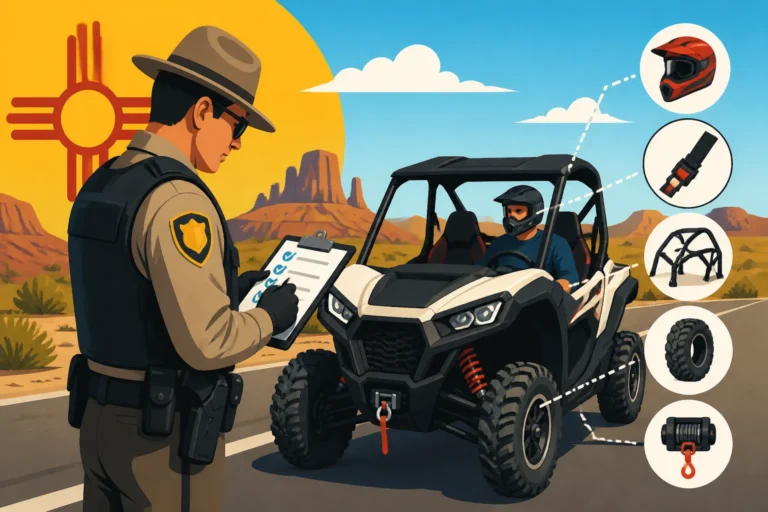
Beyond the monetary fine, a citation can also mean lost time dealing with court appearances or administrative processes. It can also be a significant inconvenience, cutting short your riding trip and potentially leading to further inspection of your vehicle and gear. A friendly roadside stop by a New Mexico Game and Fish officer or a local deputy can quickly become less friendly if you’re found to be in violation of multiple safety regulations.
For parents, the penalties can be particularly concerning. If a minor under 18 is cited for not wearing eye protection, the parent or guardian is often held responsible. This can mean sharing the penalty or even bearing the full weight of it, emphasizing the importance of ensuring young riders are properly equipped. This is similar to the penalties outlined in [New Mexico Penalties for a Parent] when dealing with other OHV violations involving minors.
Avoiding the Hassle
The easiest way to avoid fines and penalties related to eye protection is simple: always wear it. Make it a habit. Just like you wouldn't get in your car without your seatbelt, don't hop on your ATV or UTV without your goggles or dropping your visor. Keep a spare set in your gear bag, especially if you ride with a group or have multiple machines.
For UTV riders, while a windshield provides a great deal of protection from wind and debris, it generally doesn't negate the need for personal eye protection, especially if it's not a full, sealed enclosure. The law specifies "eye protection," implying a direct barrier for your eyes. However, combining a high-quality windshield, like those available from SuperATV, with your personal goggles or visor, creates an even safer and more comfortable riding experience.
Remember, the goal of these laws isn't to impede your fun, but to ensure everyone can enjoy New Mexico's incredible outdoor opportunities safely. A small investment in time and money for the right eye protection is a far better option than dealing with a fine, or worse, an injury.
Disclaimer
This article is for general informational purposes only and does not constitute professional advice. Laws, prices and regulations vary by location and change over time. Consult a qualified professional for guidance on your specific situation.