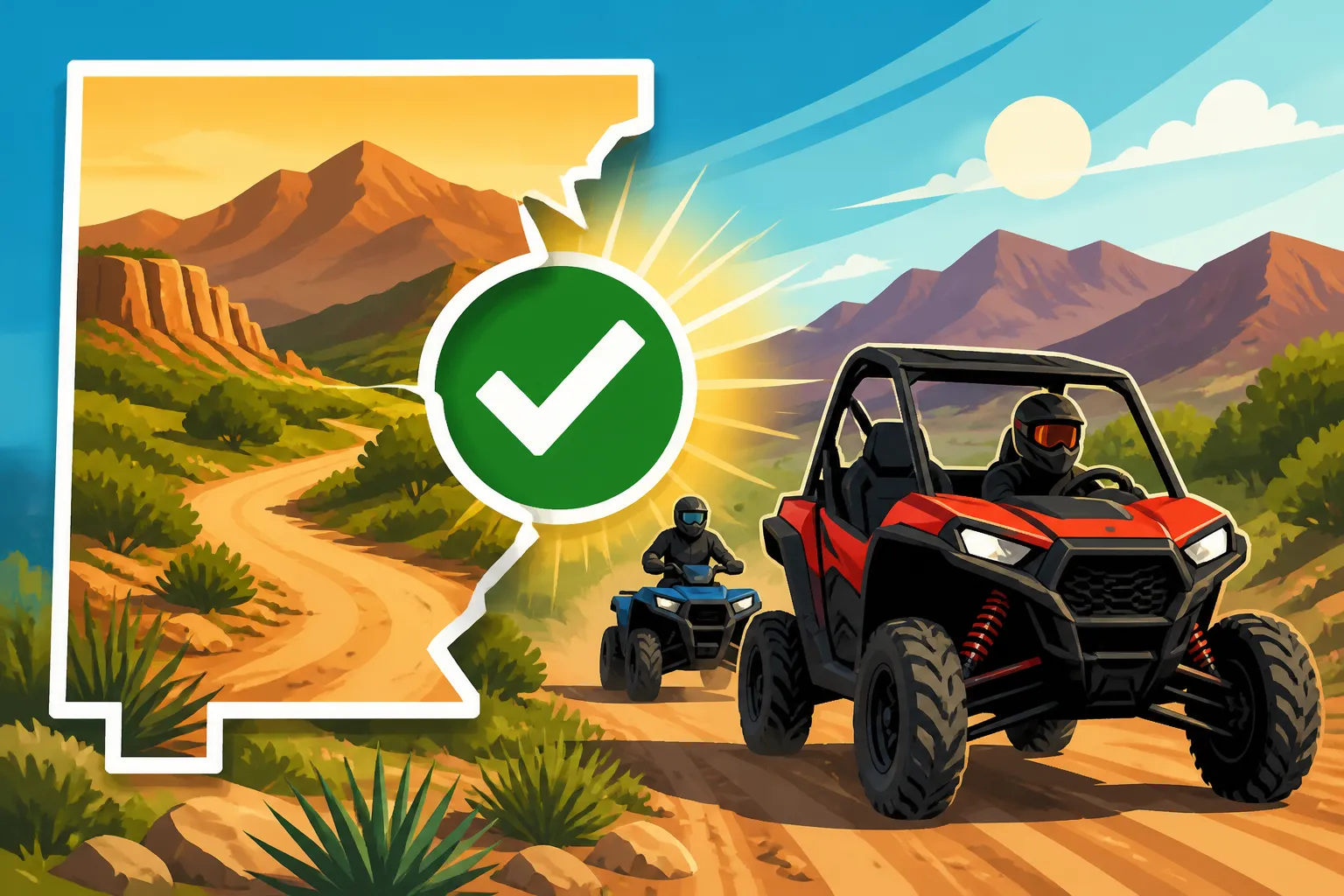
How Sierra County Opened Nearly All Its Roads
There's nothing quite like the freedom of exploring New Mexico's stunning landscapes on your ATV or UTV, but let's be honest, the constant headache of figuring out where you can and can't legally ride on public roads can really put a damper on your plans. Many riders face the frustration of trails being disconnected, forcing them to trailer their machines short distances or simply avoid areas altogether. This guide is here to shed some light on one county that's taken a significant step to ease this burden: Sierra County, which has opened nearly all of its county roads to off-highway vehicles, creating a fantastic network for enthusiasts.
The Frustration of Limited Road Access in New Mexico
For years, OHV riders in New Mexico have dealt with a confusing and often restrictive maze of regulations when it comes to road access. It's a common story: you're out on an incredible trail, only to hit a paved section or a county road that suddenly becomes off-limits, forcing you to turn around, find an alternative, or risk a citation. This isn't just an inconvenience; it fragments riding opportunities and can seriously limit the scope of an adventure. Many of us just want to connect the dots, to ride from one amazing spot to the next without constantly loading and unloading our machines. The desire to simply get to a trailhead from camp, or even cruise into a small town for lunch, has often been met with a resounding "no" from local ordinances, which is frankly a huge bummer for the spirit of off-road exploration.
Patchwork Regulations Across the State
One of the biggest headaches for New Mexico riders is the sheer inconsistency of rules from one county, or even one town, to the next. What's perfectly legal in one area might get you a hefty fine just a few miles down the road. This patchwork quilt of regulations means you can't just assume anything; you have to do your homework for every single trip, which can be exhausting. Some counties have outright bans, others allow limited access on specific routes, and then there are places like Red River with their unique [Red River's ROV-Only Streets] and curfews. This creates an environment where a responsible rider can still easily make a mistake, simply because the rules aren't uniform. It feels like every time you plan a trip, you're becoming a legal scholar just to avoid trouble.
You might have your machine perfectly registered with a [New Mexico's Green On and Off-Highway Decal] and even a [New Mexico's Paved Road Plate], thinking you're good to go, only to find a local sign saying "OHVs Prohibited." It’s enough to make you throw your hands up in exasperation! This administrative burden detracts from the pure joy of riding, turning what should be a relaxing escape into a lesson in bureaucracy. It's a common frustration that many of us feel, knowing our machines are capable and safe, yet often confined by invisible lines on a map.
Why County Roads Matter to Riders
County roads, especially those unpaved dirt and gravel routes that crisscross much of rural New Mexico, are absolutely vital to the OHV experience. They're often the connective tissue between vast tracts of public land managed by the Bureau of Land Management (BLM) or the Forest Service. Imagine being able to ride directly from your campsite on BLM land, along a county road, to access a completely different trail system without ever having to touch a trailer. That's the dream! These roads also provide access to remote fishing spots, hunting grounds, and scenic overlooks that would otherwise be difficult or impossible to reach for many riders.
Beyond just connecting trails, county roads can themselves be part of the adventure. They offer scenic drives, opportunities for wildlife viewing, and a different kind of challenge compared to single-track trails. For those who enjoy dual-sport riding, or just want to cruise with their side-by-side, these roads are a gateway to exploration. They also make local amenities accessible. Being able to ride your machine into a small town like Truth or Consequences or Monticello for gas, food, or supplies, rather than having to load it up on a trailer, adds immense convenience and supports local businesses. This integration of OHVs into the rural road network truly enhances the entire lifestyle surrounding our machines. [New Mexico Rules for Riding a County Road] are something every rider needs to understand, and Sierra County has simplified that understanding significantly.
Sierra County's Bold Move: Opening Their Roads
Against the backdrop of restrictive regulations elsewhere, Sierra County has emerged as a beacon for OHV enthusiasts. Recognizing the economic benefits and the recreational desires of residents and visitors alike, the county commission made a progressive decision to open nearly all of its county-maintained roads to off-highway vehicles. This wasn't a half-measure; it was a deliberate and expansive move designed to welcome OHV traffic and integrate it into the local fabric. This decision has put Sierra County on the map for many riders looking for destinations where they can truly explore without constant worry about legality. It's a testament to understanding the value OHV recreation brings to rural communities.
The Resolution That Changed Everything
The opening of Sierra County's roads wasn't a quiet change; it was enacted through a formal resolution by the County Commission. This resolution specifically declared that OHVs are permitted on most county roads. Now, a "resolution" might sound like dry bureaucratic jargon, but in this case, it was the legal instrument that swept away years of potential restrictions and opened up miles of riding opportunities. Essentially, it's the county's way of saying, "Yes, we want you here, and we've made it official." This kind of clear, unambiguous action is exactly what riders have been craving across New Mexico.
This resolution means that unless explicitly posted otherwise, you can generally assume that a Sierra County road is open to your OHV. Of course, this doesn't apply to state highways or federal interstates, which remain under different jurisdictions. But for the vast network of county-maintained roads, this resolution provides a foundational legal framework for riders. It eliminates much of the guesswork and allows for far more fluid travel through the county's stunning landscapes. For those planning a trip, knowing about [Sierra County's Open County Roads] is a game-changer.
What "Nearly All" Means for Riders
When Sierra County says "nearly all" of its roads are open, it's important to understand the nuance. This generally includes the vast majority of dirt and gravel county roads, and even some paved sections that are solely under county jurisdiction. However, it's crucial to remember that this does not override state or federal laws. For example, state highways (like US 180, I-25, or many state routes designated as NM-XXX) are still typically off-limits to OHVs, unless they are specifically designated for crossing or very limited shoulder use. Similarly, privately owned roads or roads within incorporated municipal limits (towns like Truth or Consequences or Elephant Butte) might have their own specific rules.
So, while the resolution is incredibly broad and welcoming, riders still need to be mindful of road signs, especially when entering or exiting county-maintained areas, or when approaching a state highway. The key takeaway is that within Sierra County's vast, unincorporated areas, you have a much greater degree of freedom. It dramatically expands the interconnectedness of trails and destinations, making it possible to link up rides across various terrains. Always look for signage, and if you're ever in doubt, err on the side of caution.
Practicalities for Riding Sierra County Roads
Just because Sierra County has opened its roads doesn't mean it's a free-for-all. There are still important rules and equipment requirements you need to adhere to, primarily driven by New Mexico state law. Think of it like this: the county opened the door, but the state still sets the minimum safety standards for walking through it. Ensuring your machine is properly equipped and you understand the basic rules of the road is paramount not just for legality, but for your safety and the safety of others.
Essential Gear and Machine Requirements
To legally ride your OHV on any public road in New Mexico, including Sierra County's open roads, your machine needs to meet certain state-mandated equipment requirements. This isn't just about avoiding a ticket; it's about making your machine visible and controllable alongside other traffic, even if that traffic is just another OHV or a ranch truck.
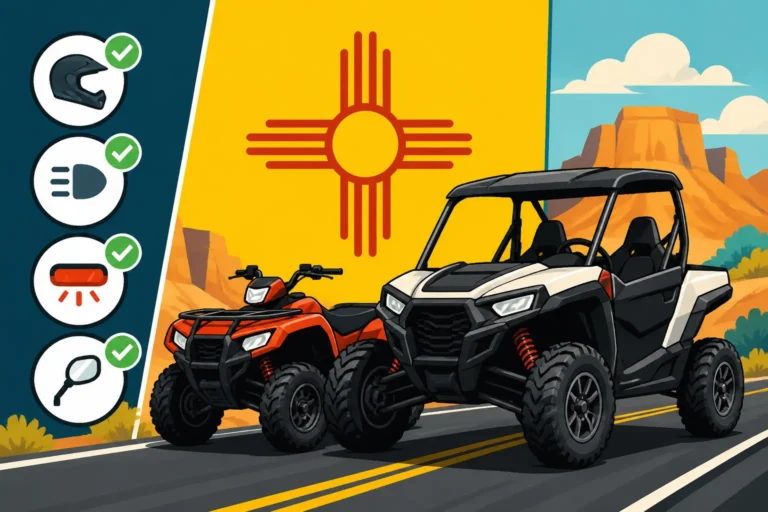
Here's a quick rundown of what you'll typically need:
- Headlights and Taillights: Your machine needs at least one headlight that can illuminate objects 150 feet ahead, and a taillight visible from 200 feet to the rear. This is crucial for visibility, especially in dusty conditions or at dawn/dusk. Check out [New Mexico Headlight and Taillight Rules] for specifics.
- Brakes: Functional brakes on both the front and rear wheels are a given for safety.
- Mirrors: You must have at least one rearview mirror, properly mounted, to see traffic approaching from behind. This is a common requirement often overlooked by pure trail riders. Details are in [Mirrors and Brakes for New Mexico Road Use].
- Muffler and Spark Arrestor: All OHVs must be equipped with a muffler to keep noise levels down and a spark arrester if you're riding on public lands (which you likely will be if using county roads to connect). This helps prevent wildfires, a huge concern in New Mexico. Don't forget to review [Spark Arresters on New Mexico Public Land].
- Horn: A working horn or warning device is required for signaling.
- New Mexico Registration and Decal: Your OHV must be properly registered with the New Mexico Motor Vehicle Division (MVD) and display the current decal. For road use, the green "on and off-highway" decal is generally required. You'll also need to carry proof of registration.
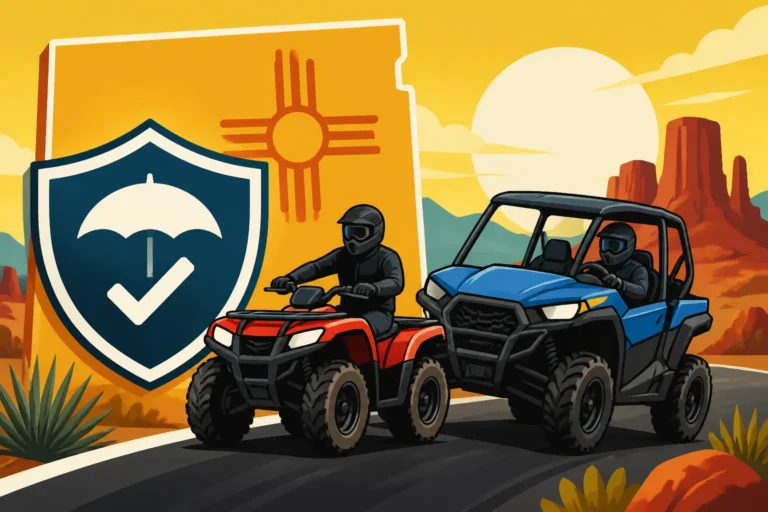
- Proof of Insurance: If you're going to be riding on paved county roads, New Mexico law mandates liability insurance, just like a regular car. Even on dirt roads, it's a smart idea for personal protection. You can find more information under [New Mexico OHV Registration and Liability Insurance].
- Helmet and Eye Protection: While adults aren't always required to wear a helmet on off-road trails in New Mexico, they are strongly recommended. For anyone under 18, helmets and eye protection are mandatory, period. Even adults on paved roads are often wise to use eye protection.
Many riders, especially those with side-by-sides, will install aftermarket accessories from companies like SuperATV to ensure their machines meet these requirements. Things like turn signal kits, mirrors, and even upgraded lighting can make a huge difference in safety and compliance. It’s an investment in worry-free riding.
Understanding the "Rules of the Road"
Once you're legally equipped, you need to ride with the same respect and adherence to traffic laws as any other vehicle on the road. Remember, these are shared roads, not private playgrounds.
Here are some key "rules of the road" to keep in mind:
- Follow Traffic Laws: This means obeying speed limits, stop signs, yield signs, and any other posted traffic control devices. Just because you're on an ATV doesn't mean you get a pass on the basics.
- Stay to the Right: Keep to the right side of the road, especially on blind corners or hills. Expect oncoming traffic, even if it's just a local rancher's pickup.
- Signal Your Intentions: Use hand signals or your installed turn signals if you're turning or stopping. Communication is key to safety.
- Yield to Other Vehicles: Always be prepared to yield to larger vehicles, especially cars and trucks, which might not expect to see an OHV.
- No Reckless Driving: Absolutely no stunts, excessive speed, or otherwise dangerous driving. This type of behavior gives all OHV riders a bad name and could jeopardize future road access. [New Mexico Fines for Illegal Road Riding] can be substantial, so don't risk it.
- No Passengers Under 18 (for the driver): If the driver is under 18, they generally cannot carry a passenger. Be mindful of New Mexico's specific age and passenger rules for young riders.
- Driver's License: On any paved public road, you'll need a valid driver's license. While you don't necessarily need one to ride purely off-road, the moment you hit a paved county road, that requirement kicks in.
Treating these county roads with respect ensures that the privilege of riding them remains available for everyone. Sierra County has extended a fantastic opportunity, and it's up to us as riders to maintain a good reputation.
Planning Your Sierra County Adventure
With Sierra County's open roads, your opportunities for exploration have dramatically expanded. This is a chance to truly immerse yourself in the unique beauty of southern New Mexico, from the expansive desert vistas to the mountainous regions that transition into national forests. Planning ahead will help you make the most of this incredible access. Consider picking up some robust storage solutions from SuperATV, like cargo boxes or racks, to carry all your essentials for longer rides.
Connecting to Wider Riding Areas
One of the biggest advantages of Sierra County's open-road policy is how it facilitates seamless travel between different types of public lands. The county roads often serve as crucial links, allowing you to ride directly from your camp on BLM land, through open county territory, and into areas managed by the U.S. Forest Service or other public land agencies. This means less time trailering and more time riding!
For instance, you could be exploring the rugged terrain around Truth or Consequences, using county roads to link up various BLM routes. [Riding County Roads Around Truth or Consequences] becomes an integrated part of your journey, rather than just a way to get to the trails. This allows for multi-day adventures where you can traverse significant distances, exploring different ecosystems and landscapes along the way. Always remember to check maps for specific designations; while Sierra County roads are open, the rules can change the moment you enter a different jurisdiction or specific land management area. Knowing these connections truly unlocks the full potential of your OHV.
Respecting the Locals and the Land
When you're riding through Sierra County, or any rural area, remember that you're often passing through working landscapes. These roads are used by ranchers, farmers, and local residents for their daily lives and livelihoods. Being a respectful rider goes a long way in ensuring continued positive relations between the OHV community and the locals.
Here are a few pointers for being a good neighbor and land steward:
- Slow Down Near Homes and Livestock: If you pass a residence or see livestock near the road, slow down significantly. Dust can be a huge nuisance, and startling animals can be dangerous.
- Close Gates: If you open a gate to pass through, close it behind you. Many gates are there to keep livestock contained, and leaving them open can cause significant problems for ranchers.
- Stay on Designated Roads and Trails: Even though county roads are open, it's crucial to stay on marked routes. Do not trespass on private property, and respect any "No Trespassing" signs. Going off-road in undesignated areas can damage fragile ecosystems and private land.
- Pack It In, Pack It Out: Leave no trace. Whatever you bring with you, take it out. This includes all trash, even small items like cigarette butts. New Mexico's beautiful lands deserve our respect and protection.
- Be Mindful of Wildlife: You're sharing the landscape with a diverse array of wildlife. Ride responsibly, and be aware of animals, especially at dawn and dusk.
- Support Local Businesses: When you stop in towns like Truth or Consequences, Monticello, or Elephant Butte, spend your money at local gas stations, restaurants, and shops. Your tourism dollars directly benefit the communities that welcome OHV riders.
Sierra County has shown a forward-thinking approach by opening its roads, and it's incumbent upon all of us in the OHV community to reciprocate that goodwill through responsible, respectful riding. This ensures that the magic of exploring New Mexico on two or four wheels continues for years to come.
| OHV Road Use Requirement (New Mexico State Law) | Applies to Sierra County Roads | Why It Matters |
|---|---|---|
| Current MVD Registration & Decal | Yes | Legal operation, funds trails |
| Liability Insurance (for paved roads) | Yes | Financial responsibility |
| Headlight(s) (150ft visibility) | Yes | Visibility for safety |
| Taillight (200ft visibility) | Yes | Rear visibility, accident prevention |
| Rearview Mirror(s) | Yes | Awareness of traffic behind you |
| Working Brakes | Yes | Essential for control & stopping |
| Muffler & Spark Arrester | Yes | Noise reduction, fire prevention |
| Horn or Warning Device | Yes | Signaling other users |
| Valid Driver's License (for paved roads) | Yes | Legal operation of a motor vehicle |
| Helmet (riders under 18) | Yes | Head protection |
| Eye Protection (riders under 18) | Yes | Eye protection |
Disclaimer
This article is for general informational purposes only and does not constitute professional advice. Laws, prices and regulations vary by location and change over time. Consult a qualified professional for guidance on your specific situation.