Riding County Roads in Eddy County
Oh, the open roads of Eddy County! There's nothing quite like the call of the desert, is there? You load up your ATV or UTV, fueled by the promise of expansive views and the thrill of exploration, only to hit a mental roadblock: can you actually ride your machine on these county roads? It's a common frustration, feeling like you're navigating a maze of rules and regulations instead of the stunning landscapes you came for. This guide is here to clear up the confusion, helping you understand how to legally and responsibly enjoy the beauty of Eddy County's vast network of roads.
Eddy County's Approach to OHV Road Use
Navigating the rules for riding your off-highway vehicle (OHV) on public roads in New Mexico can feel like a patchwork quilt, and Eddy County is no exception. While the state has general guidelines, individual counties and even cities have the power to enact their own ordinances, opening up or restricting access. This means what's legal in one county might land you a ticket in another. For riders eager to explore the diverse terrain of Eddy County, it's crucial to understand the specific framework that governs OHV use on its roads. You're not alone in feeling a bit bewildered; it's a topic that brings many riders to a halt before they even hit the dirt.
Understanding Eddy County Ordinance O-18-95
Let's talk about the big one for Eddy County: Ordinance O-18-95. This is Eddy County's specific legislation that addresses the operation of off-highway vehicles on county roads. Now, while I can't give you the exact text from a legal scroll, the essence of such ordinances is usually to carve out designated access for OHVs where it makes sense for residents and visitors, while also ensuring safety for everyone sharing the road. This typically means certain unpaved county roads might be open to OHVs, often with specific conditions attached. For example, it might specify daylight hours, speed limits, or require certain safety equipment that aligns with or even exceeds state minimums.
It’s really important to remember that these ordinances can evolve, so always, always check the official Eddy County website or contact their administrative offices for the most current version. Nothing puts a damper on a ride faster than a citation you could have avoided with a quick check. Knowing the ins and outs of this ordinance is your first step to a worry-free ride, especially if you plan on transitioning from a wide-open trail to a maintained county road for a stretch.
Navigating Paved vs. Unpaved County Roads
Here's where things often get tricky: the difference between paved and unpaved county roads. Generally speaking, unpaved county roads are far more likely to be open to OHV traffic than their paved counterparts. Many counties, including Eddy, understand that OHVs are a vital part of ranching, recreation, and accessing remote areas, and unpaved roads are often the only way to get there. On these dirt and gravel arteries, you'll still need to follow traffic laws, respect private property, and be mindful of other vehicles, including cars, trucks, and agricultural equipment.
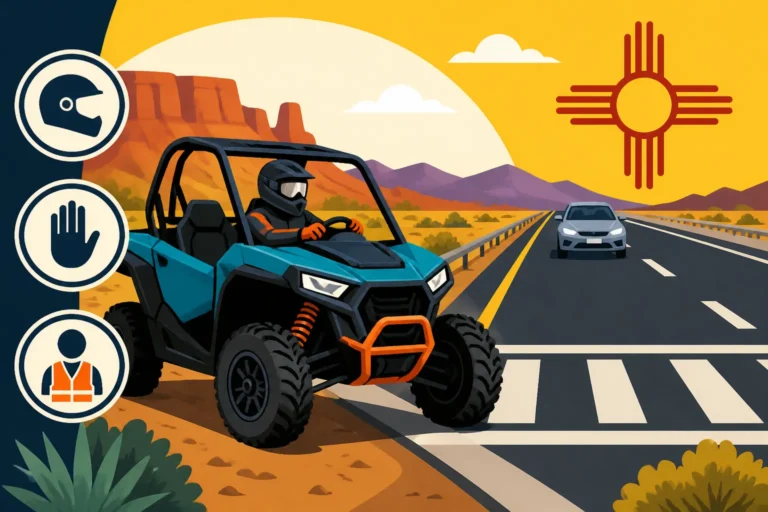
When it comes to paved county roads, New Mexico law typically requires a machine to be "street legal" if it's going to operate on a paved public road. This means more than just having an OHV registration. You're looking at things like proper lighting, mirrors, a horn, and often, liability insurance. You'll also need to meet specific criteria for the [New Mexico Green On and Off-Highway Decal] and potentially a special paved road plate depending on when your machine was registered and the specific local rules. Eddy County's ordinance will clarify how it treats paved county roads within its jurisdiction – often restricting them heavily or allowing only for specific purposes like crossing. It's not uncommon for a county to open certain paved sections only if they connect two significant trail systems, effectively acting as a bridge, but even then, strict rules apply. The takeaway? Don't assume pavement means permission; always verify.
Essential Gear and Legal Requirements for Eddy County Roads
Riding responsibly in Eddy County isn't just about having fun; it's about being safe and legal. When you're venturing out onto county roads, whether paved or unpaved, there's a certain checklist of equipment and documentation you need to have in order. It's not just for avoiding fines; it's for your own safety and the safety of everyone else you share the road with. Nobody wants their adventure cut short by a breakdown or, worse, an accident that could have been prevented with the right setup.
Your Machine's Setup: More Than Just Power
Beyond the roar of your engine and the knobby tires, your ATV or UTV needs to be properly equipped for county road use in New Mexico. This isn't just a suggestion; it's the law. For starters, you need working headlights and taillights. Think about those dust-filled stretches of road or that unexpected afternoon shower; visibility is key. For more details, check out [New Mexico Headlight and Taillight Rules] and [The 150-Foot Headlight Rule]. Many riders, myself included, often upgrade their factory lighting for better illumination, especially if you might be out past dusk.
Mirrors are another non-negotiable item, particularly if you're venturing onto any paved county roads. You need a rear-view mirror, and often, side mirrors are highly recommended for optimal situational awareness. Imagine pulling out onto a county road and not being able to see that ranch truck coming up behind you – that's a recipe for disaster. Products from companies like SuperATV can be a lifesaver here, offering a range of robust and easy-to-install mirrors, turn signals, and horn kits that help make your machine more visible and compliant. A sturdy windshield, also available from SuperATV, can also dramatically improve comfort and safety by protecting you from dust, bugs, and kicked-up rocks, which are all too common on New Mexico's unpaved roads. Don't forget functional brakes on all wheels and a working horn to alert others to your presence. These are basic safety features that are absolutely vital.
Driver and Passenger Regulations
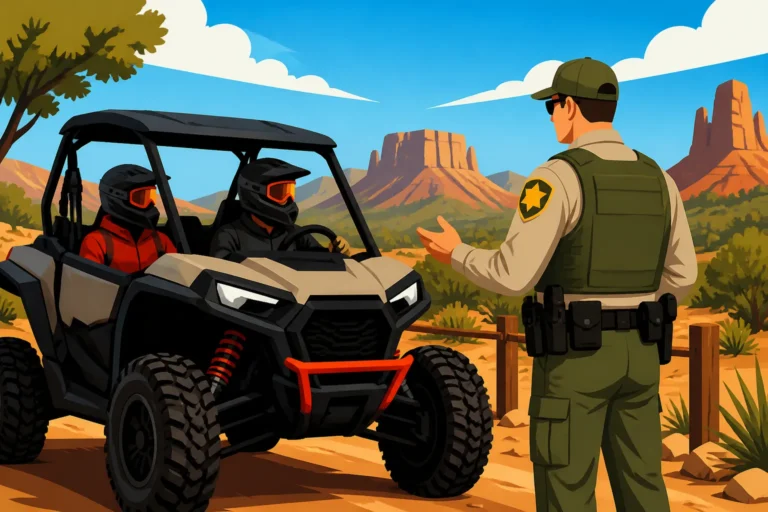
Who's behind the wheel and who's riding shotgun also comes with its own set of rules, especially on public roads. In New Mexico, if you're operating an OHV on a paved public road where a driver's license is required for other vehicles, you'll need one too. This isn't usually an issue for most adults, but it's an important distinction if you're used to only riding off-road. For minors, the rules are even stricter. While there are age limits for operating OHVs on public lands, adding a county road into the mix often means a whole new layer of scrutiny regarding age, supervision, and safety permits. You can read up on the specifics in [New Mexico Driver's License Rules for OHVs].
Helmets and eye protection are non-negotiable for anyone under 18 riding an OHV in New Mexico, regardless of where they are riding. This is a common-sense safety rule that saves lives. Even for adults, if you're riding on a paved road, eye protection is mandatory, and a helmet is always a smart choice. It only takes one small rock or one unexpected bump to turn a good day bad. Having the proper safety gear, from helmets to goggles, is not just about avoiding a fine; it's about protecting yourself and your loved ones. Make sure everyone in your party understands and adheres to these requirements. For further detail, you can check out [New Mexico Helmet Law for ATV Riders].
And let's not forget insurance. While it's not always required for purely off-road riding, New Mexico's Mandatory Financial Responsibility Act applies to vehicles operating on public roads. This means if you're taking your OHV onto paved county roads, you absolutely must have liability insurance. It's a small cost for immense peace of mind. Without it, you could face hefty fines and legal complications in the event of an accident. Get more details in [New Mexico ATV Insurance Requirement].
Here's a quick look at some key requirements for riding county roads in Eddy County:
| Requirement | Unpaved County Roads (Likely Open) | Paved County Roads (Conditional/Restricted) |
|---|---|---|
| OHV Registration | Yes (Yellow or Green Decal) | Yes (Green Decal, sometimes Paved Road Plate) |
| Headlights & Taillights | Required | Required |
| Brakes | Required | Required on All Wheels |
| Horn | Recommended, often required | Required |
| Mirrors | Recommended | Required (Rearview, often Side) |
| Spark Arrester | Required on Public Land | Required on Public Land |
| Driver's License | Not always required | Required for Paved Road Use (adults) |
| Helmet (Under 18) | Required | Required |
| Eye Protection | Recommended, required if no windshield | Required for all riders |
| Liability Insurance | Recommended | Required |
| Speed Limits | Adhere to Posted Limits | Adhere to Posted Limits |
Planning Your Ride in Eddy County
Once you've got your machine kitted out and all your paperwork in order, the real fun begins: planning your adventure! Eddy County offers a diverse landscape, from the desert scrub to areas touching on the foothills of the Guadalupe Mountains. But a successful and legal ride requires more than just pointing your front tires down a dirt track and hoping for the best. Thoughtful planning, understanding local designations, and practicing responsible riding etiquette are key to enjoying these roads without issues.
Route Planning and Local Road Designations
Before you even load up your rig, get acquainted with your route. Don't just rely on a vague idea of where you're going. Eddy County, like many others, has various types of roads, and not all are open to OHVs. Start by looking for official county maps or maps from land management agencies like the Bureau of Land Management (BLM) if your route connects with federal lands. These maps will often clearly mark designated OHV routes, open roads, and restricted areas. There's nothing more frustrating than arriving at a gate or a "No OHV" sign after an hour of riding.
GPS devices and smartphone apps are invaluable tools here. Download offline maps because cell service can be spotty, or completely nonexistent, in many remote parts of Eddy County. Look for markers like "County Road 321" or "Forest Road 150" – these designations often hint at their status. Remember that just because a road looks like a dirt trail doesn't mean it's open for all use. Private property abounds in New Mexico, and respecting these boundaries is paramount. Always stay on designated routes and public roads. Crossing private land without permission is trespassing, which can lead to hefty fines and a lot of trouble, hurting the reputation of all OHV riders.
Responsible Riding and Community Relations
As OHV enthusiasts, we're ambassadors for our sport. That means riding responsibly, especially when sharing county roads with others. One major consideration is noise. While you might love the rumble of your machine, not everyone shares that sentiment. Ensure your exhaust system is up to snuff and meets New Mexico's 96-decibel ceiling. Excessive noise can quickly turn local residents against OHV access.
Dust is another big one, particularly on unpaved roads. When you're cruising down a dirt road and pass a home or another vehicle, slow down! Kicking up a massive dust cloud can create a visibility hazard for others and coat everything in a fine layer of grit. It's a simple courtesy that goes a long way. Some riders even consider dust control solutions for their machines, and SuperATV offers some enclosures that can mitigate dust for those in the vehicle, but being mindful of others is the best approach.
Beyond these points, always observe posted speed limits, yield to oncoming traffic (especially larger vehicles), and be prepared for unexpected encounters with livestock or wildlife. New Mexico's cattle guards are a common sight; always slow down when crossing them. Also, be acutely aware of fire restrictions, especially during the dry season. A single spark from an exhaust without a proper spark arrester can ignite a devastating wildfire, leading to closures for everyone. Checking with the local Eddy County fire department or the BLM office for current conditions is always a good idea before heading out.
By planning your routes carefully, understanding the local rules, and riding with respect for the environment and other road users, you'll ensure that Eddy County's scenic county roads remain open and enjoyable for all of us.
Disclaimer
This article is for general informational purposes only and does not constitute professional advice. Laws, prices and regulations vary by location and change over time. Consult a qualified professional for guidance on your specific situation.