New Mexico Helmet Law for Riders Under 18
It can be incredibly confusing trying to keep up with all the different rules and regulations when you're just trying to enjoy the incredible off-road opportunities New Mexico offers, especially when it comes to the younger riders in your family. You want your kids to have a blast on their ATV or UTV, but you also need to make sure they're safe and that you're following the law. This guide will cut through the noise and clearly explain New Mexico's helmet law specifically for riders under 18, detailing what you need to know to stay compliant and keep your young adventurers protected.
The Basics of New Mexico's Helmet Law for Minors
Navigating the world of OHV regulations can feel like a maze, particularly when you're focused on protecting the smallest members of your riding crew. New Mexico takes the safety of its youth riders seriously, and that's reflected in its helmet laws. It's not just a suggestion; it's a critical safety measure backed by law, designed to keep our kids as safe as possible while they're out exploring our beautiful landscapes. Understanding these basics is the first step to ensuring both fun and compliance.
Who Exactly Needs a Helmet?
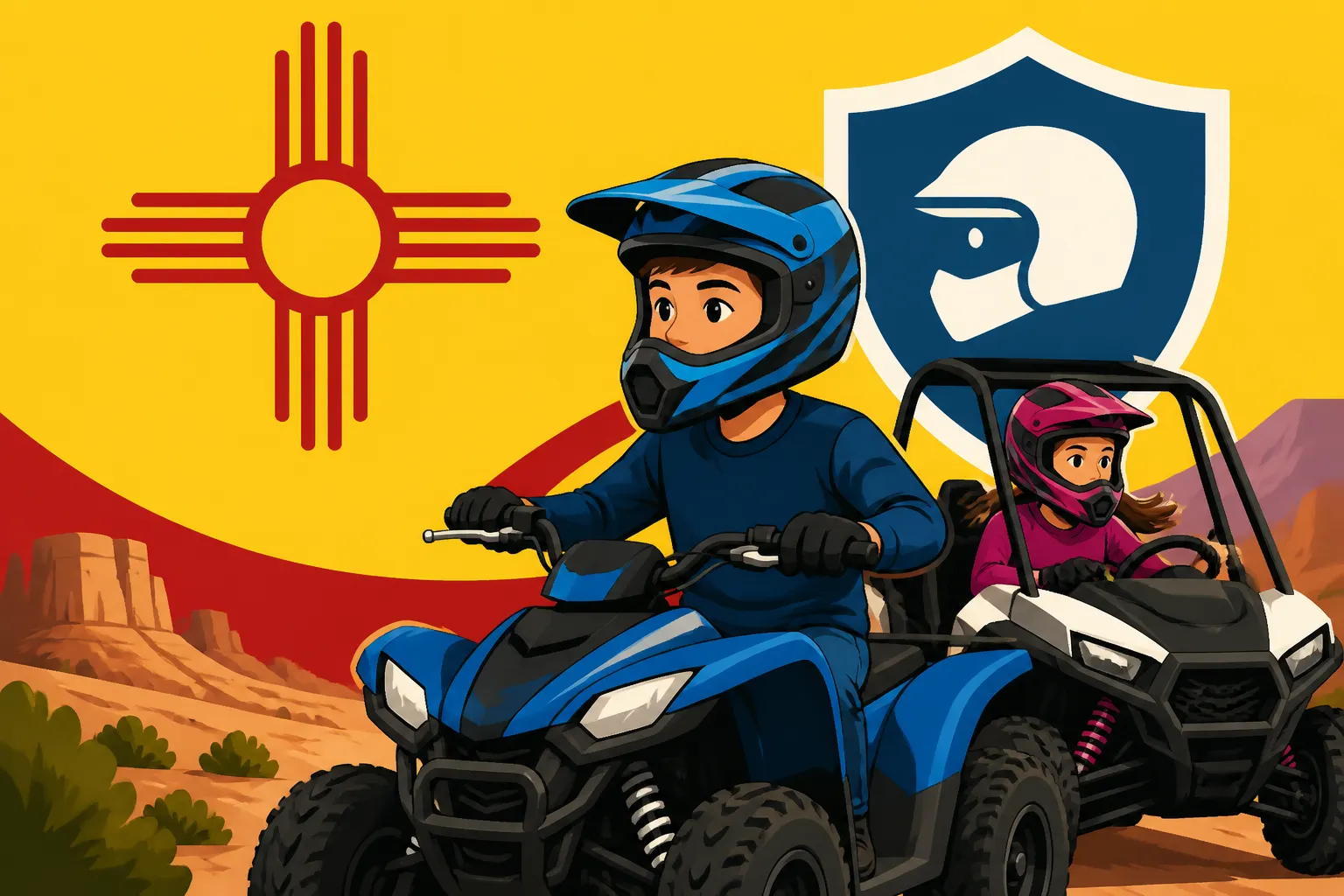
In New Mexico, the law is pretty straightforward when it comes to off-highway vehicles and young riders: any person under the age of 18 who operates or rides as a passenger on an off-highway motor vehicle (which includes your ATVs, UTVs, dirt bikes, and other OHVs) on public land or a paved public road must wear a safety helmet. This isn't just for the drivers; it applies equally to any passenger they might be carrying. So, whether your teenager is behind the handlebars of a dirt bike or your younger child is enjoying the ride in a side-by-side, if they're under 18, that helmet needs to be securely on their head.
This requirement doesn't differentiate between the type of off-highway vehicle, either. A child riding an ATV needs one, a teenager on a dirt bike needs one, and kids in a UTV need one. The critical factor is their age and the location of the ride. We're talking about protection that meets or exceeds standards set by the U.S. Department of Transportation (DOT), meaning it's not just any old bike helmet you might grab. These are specific, certified helmets designed for the impact forces and scenarios unique to off-road riding. When looking for gear, ensure it has that DOT certification sticker.
It's important to remember that this law is designed with good intentions. Accidents happen, even to the most experienced riders, and especially when you're just learning. A proper helmet can be the difference between a minor bump and a life-altering injury. As parents and guardians, we have a responsibility to not only provide the right gear but to ensure it's worn every single time. [New Mexico Helmet Law for Riders Under 18] is a topic that comes up often in discussions about youth safety.
The "Why" Behind the Law: Safety First
The reason New Mexico has such a clear and strict helmet law for minors isn't to make your life harder; it's purely for safety. Head injuries are among the most devastating consequences of off-road vehicle accidents. Children and teenagers are particularly vulnerable due to their developing bodies and often, their lack of experience or judgment compared to adult riders. Even at slower speeds, a fall or collision can result in significant trauma.
Think about it this way: OHVs, by their very nature, are designed to traverse challenging terrain. They can be rollovers, unexpected obstacles, or simply losing control on a steep incline. When these incidents occur, the rider's head is often one of the most exposed and critical body parts. A helmet acts as a vital layer of protection, absorbing impact forces and distributing them across a wider area, significantly reducing the risk of concussion, skull fractures, or worse. This emphasis on safety extends beyond helmets to other rules, like those detailed in [New Mexico Rules for Riders Under 18].
Beyond the immediate physical protection, the law also reinforces a culture of safety. By mandating helmet use for youth, it instills good habits from a young age. Children grow up understanding that a helmet is a non-negotiable part of their riding gear, just like seatbelts are in a car. This early education can lead to a lifetime of safer riding practices, not just for them but for those they influence. It’s about building a foundation where safety isn't an afterthought but an integral part of the adventure.
Beyond the Helmet: Other Safety Requirements for Young Riders
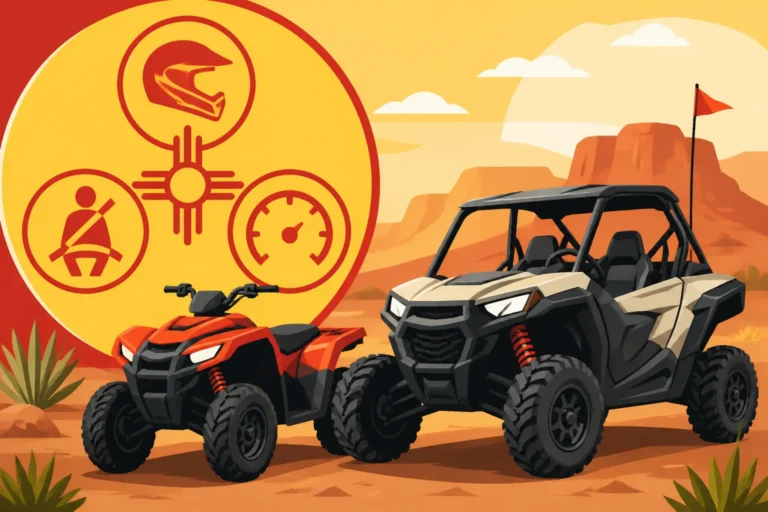
While a helmet is undeniably the cornerstone of youth OHV safety, New Mexico's commitment to protecting its youngest riders extends further. It's a holistic approach, recognizing that a helmet, while crucial, is just one piece of the puzzle. Understanding these additional requirements is essential for any parent or guardian looking to provide a safe and legal riding experience for their kids.
Eye Protection: More Than Just a Recommendation
Just like helmets, eye protection for young riders isn't just a good idea; it's often a legal requirement in New Mexico, especially when riding on paved public roads. Dust, debris, insects, branches – the trail can throw a lot at you, and an unexpected impact to the eye can cause serious injury or, at the very least, distract a rider, leading to an accident. For anyone under 18 operating or riding an OHV on public land or a paved public road, proper eye protection is mandatory.
This typically means goggles or a face shield that is integrated into a full-face helmet. Regular sunglasses, while offering some glare protection, usually aren't sufficient to meet the protective standards required for off-road riding. You need something that seals around the eyes, preventing foreign objects from getting in, and is made of shatter-resistant material. Brands like SuperATV offer a range of accessories, including durable goggles that can stand up to the rigors of the trail. Ensuring your child has appropriate eye protection, like sturdy goggles that fit their helmet snugly, is just as important as the helmet itself. For more details on this, you can look up [New Mexico Eye Protection Requirement].
It's a small detail that makes a huge difference. Imagine your child hitting a patch of loose dirt, and a rock gets kicked up, or riding through some dense brush where a branch could snap back. Without proper eye protection, their vision could be compromised, leading to panic or an inability to react quickly, potentially causing a crash. This is why pairing a DOT-approved helmet with appropriate eye protection is a non-negotiable combo for every young rider.
Age Restrictions and Supervision on Public Land
New Mexico also has specific rules regarding the age at which children can operate OHVs on public land and the level of supervision required. These regulations are designed to ensure that riders have a certain level of physical development, cognitive ability, and judgment before they're allowed to operate these machines in public spaces. It's not just about what they wear, but also about who is riding and under what conditions.
For example, children under 13 are generally prohibited from operating an OHV on public land, with some very limited exceptions, such as on private land or during supervised training programs. For riders between 13 and 18, while they can operate OHVs on public land, there are often specific supervision requirements. An adult (usually 18 or older) must be present and provide direct visual supervision. This means the supervising adult needs to be close enough to see and respond to the young rider's actions, offering guidance or assistance if needed. This isn't a "drop them off and come back later" situation; it's active oversight. You can delve deeper into this by reading [New Mexico Minimum Age to Ride Public Land] and [New Mexico Rules for a Rider Under 13].
These age and supervision rules are critical because they acknowledge the varying levels of maturity and skill among young riders. A 16-year-old might have more experience and better judgment than a 13-year-old, but both still benefit from adult guidance. Failing to adhere to these rules can not only put your child at risk but also lead to fines and penalties for the supervising adult. It's a shared responsibility to ensure a safe and legal riding environment. And if your child plans on using paved roads, there are additional considerations mentioned in [New Mexico Driver's License Rules for OHVs].
Navigating Different Types of Terrain and Ownership
The rules for OHV riding in New Mexico aren't a one-size-fits-all situation; they often depend on where you're riding. This is especially true when discussing helmet laws and other safety requirements for young riders. Understanding the distinction between public and private land, and the potential consequences of ignoring these rules, is crucial for any responsible OHV enthusiast.
Public Land vs. Private Property: Where Do Rules Apply?
This is a common point of confusion for many OHV owners, and it's a really important distinction, especially when you have kids riding. New Mexico's helmet law for riders under 18 explicitly states that it applies when operating or riding an OHV on "public land or a paved public road." This includes designated OHV parks, BLM land, National Forests, state trust land (with a permit), and any public roadways that might be open to OHV use. So, if your family is heading out to explore Red Sands OHV Area or the trails around Red River, those helmets need to be on for anyone under 18.
However, the legal requirements for helmets and other safety gear do not automatically extend to private property. If you own a large ranch, or you're riding on a friend's private land, the state's helmet law for minors technically doesn't apply. This doesn't mean you should throw caution to the wind, though! As a parent or property owner, you still have a moral and ethical responsibility to ensure safety. Many families still enforce helmet use on private land because safety isn't just about avoiding a ticket; it's about preventing injury. For example, [New Mexico Rules for Riding Private Land] outlines some of these considerations.
Even when riding on private land, common sense and a commitment to safety should always prevail. While the law might not mandate a helmet for your 12-year-old on your own property, the risk of injury is just as real. Setting the standard early by always requiring a helmet, regardless of location, helps instill lifelong safety habits. It also avoids any confusion when you do transition from private land to a public trail.
Consequences of Non-Compliance: What to Know
Ignoring New Mexico's helmet law for riders under 18 can lead to more than just a stern lecture; it can result in tangible consequences. For parents or guardians, the primary concern might be the safety of their child, but the legal and financial penalties are also significant. A law enforcement officer, whether it's a sheriff's deputy or a Forest Service ranger, can issue citations for violations of OHV regulations, including the helmet law.
The fines for these violations can vary, but they are not insubstantial. And it's not just the immediate fine; multiple violations can escalate penalties. Crucially, the responsibility for ensuring a minor is compliant often falls on the parent or guardian present at the time of the violation. So, it's not your child getting the ticket; it's you. These penalties are designed to be a deterrent and reinforce the importance of these safety measures. You can learn more about specific penalties in [New Mexico Fines for an OHV Violation] and [New Mexico Penalties for a Parent].
Beyond the legal ramifications, there are also potential insurance implications. In the unfortunate event of an accident where a minor rider was not wearing a helmet as required by law, it could complicate insurance claims or even affect liability in a civil case. Insurance companies may look closely at whether all safety regulations were followed. Ultimately, the biggest consequence isn't a fine; it's the preventable injury that could occur. Adhering to the law is about more than just avoiding trouble; it's about minimizing risk for your loved ones.
Gear Up for Safety: Choosing the Right Helmet and Accessories
Selecting the right helmet for a young rider isn't just about picking one off the shelf; it's about ensuring a proper fit, comfort, and the highest level of protection. A helmet that's too big can shift around during a ride, obstructing vision and offering less protection in an impact. One that's too small will be uncomfortable and might not sit correctly on the head. Always look for a helmet that meets or exceeds DOT standards – this certification will be clearly marked on the helmet itself. For optimal safety, ensure it also offers MIPS (Multi-directional Impact Protection System) technology, which helps reduce rotational forces during certain impacts.
When trying on helmets, check for a snug fit. It shouldn't wiggle when shaken, but it also shouldn't pinch or cause pressure points. The chin strap should be securely fastened, allowing only one finger to fit between the strap and the chin. Many reputable brands offer youth-specific helmets, which are lighter and designed for smaller head shapes. For added protection and durability, consider brands that specialize in off-road gear. For example, companies like SuperATV often carry a range of helmets, goggles, and other protective accessories designed for the demanding environment of ATV and UTV riding, ensuring that your investment is both safe and long-lasting.
In addition to the helmet, remember the other crucial gear. As discussed, eye protection is key, typically in the form of goggles designed to integrate with the helmet. Beyond that, consider gloves, sturdy long pants, long-sleeved shirts, and over-the-ankle boots. This full complement of gear provides comprehensive protection against scrapes, bruises, and impacts. Dressing appropriately is part of the overall safety strategy, making the riding experience not only safer but also more comfortable for young adventurers.
| Requirement | Age Group Affected | Applies On Public Land? | Applies On Private Land? | Key Enforcement Entity |
|---|---|---|---|---|
| Helmet Use | Under 18 | Yes | No (but recommended) | Law Enforcement |
| Eye Protection | Under 18 | Yes | No (but recommended) | Law Enforcement |
| Supervision | Under 18 (specifics by age) | Yes | No (but recommended) | Law Enforcement |
| DOT-Approved Gear | All | Yes | No (but recommended) | Law Enforcement |
Disclaimer
This article is for general informational purposes only and does not constitute professional advice. Laws, prices and regulations vary by location and change over time. Consult a qualified professional for guidance on your specific situation.