Why the Agency Becomes the Department of Wildlife
It’s easy to feel a little confused when you’re looking up information about wildlife management in New Mexico. One minute, you’re reading about the Department of Game and Fish, and the next, you see references to the Department of Wildlife. Are they two different agencies? Is it a rebrand? This guide is here to unravel that mystery, explaining why this shift in nomenclature happens and what it means for how our beautiful state’s natural resources are managed, particularly as it pertains to our beloved OHV riding.
The Historical Roots of "Game and Fish" Agencies
For a very long time, the way states approached wildlife management was primarily through the lens of hunting and fishing. These activities were not just recreational; they were critical for sustenance and played a huge role in early conservation efforts. This historical focus is deeply embedded in the names of many state agencies, including what New Mexico traditionally called its Department of Game and Fish.
A Legacy of Conservation for Hunting and Fishing
Imagine a time when the primary interaction many people had with wild animals revolved around putting food on the table or participating in cherished sporting traditions. For generations of New Mexicans, hunting deer in the Gila or fishing for trout in the Pecos River wasn't just a hobby, it was a way of life. Agencies named "Game and Fish" naturally arose to manage these specific resources. Their mission was clear: ensure healthy populations of game animals and fish so that these traditions could continue for future generations. This meant setting seasons, enforcing bag limits, managing habitat to support these species, and conducting research focused on their health and abundance.
These departments became the protectors of what was, for many, the very definition of "wildlife" – the species they pursued for sport. This dedicated focus allowed for incredible successes in bringing back populations of animals that had been overhunted, like elk and pronghorn, or managing fisheries to thrive. Hunters and anglers, through their license fees, became the original, and often most ardent, conservationists, directly funding the work of these agencies.
Revenue Streams and User Groups
The funding model for these "Game and Fish" departments was ingenious and remarkably effective. It largely relied on the sale of hunting and fishing licenses, tags, and stamps. When you bought a deer tag, a bear permit, or an annual fishing license, a significant portion of that money went directly back into the agency's coffers. This created a direct link between the user and the resource: those who benefited from hunting and fishing were directly funding the conservation of those very species.
This model not only provided a stable funding source but also cultivated a strong, dedicated user group with a vested interest in the agency's success. Hunters and anglers often formed advisory councils, volunteered for habitat improvement projects, and advocated for robust conservation policies. They saw their license fees at work, whether it was through fish stocking programs in their favorite rivers, wildlife habitat restoration projects on public lands, or the salaries of game wardens patrolling remote areas. For instance, the funds generated from hunting and fishing licenses in New Mexico have historically been a cornerstone of wildlife management, much of it overseen by what was the Department of Game and Fish, ensuring that resources were available for monitoring, research, and enforcement that directly benefited game species. [The New Mexico Department of Game and Fish and OHVs]
Broadening the Scope: Beyond Game Species
As society has evolved, so has our understanding and appreciation for the natural world. What once might have been a narrow focus on species pursued for sport has expanded to encompass the entire intricate web of life. This shift is a key reason why many agencies are rethinking their names and, more importantly, their missions.
Shifting Public Perception of Wildlife
Think about how many ways people engage with wildlife today. It’s no longer just about hunting or fishing. You have avid birdwatchers traveling hundreds of miles to spot a rare warbler, photographers spending hours silently waiting for a bobcat to emerge from the brush, and hikers who simply enjoy the serenity of a forest teeming with diverse creatures, from butterflies to bighorn sheep. There's also a growing appreciation for the intrinsic value of every species, regardless of whether it can be hunted or fished. People want to see healthy ecosystems, not just healthy game populations.
This broader public appreciation for biodiversity means that a state agency focused solely on "game" and "fish" might no longer fully represent the conservation interests of all its citizens. A family enjoying a camping trip in the Lincoln National Forest might be just as concerned about the health of the local bat population or the preservation of native wildflowers as they are about the deer herd. The understanding of "wildlife" has simply expanded to include everything from microscopic organisms crucial to soil health, to majestic eagles, to the smallest desert lizard.
Non-Game Species and Habitat Protection
With this expanded view comes an increasing imperative to protect species that aren't traditionally hunted or fished – often referred to as "non-game" species. These can include everything from songbirds and raptors to frogs, snakes, insects, and rare plants. Many of these species play critical roles in ecosystem health, even if they don't have direct economic value in the same way a trophy elk might. Protecting their habitats, which can be vast and diverse, becomes a central tenet of modern conservation.
Consider the delicate balance of a high desert ecosystem in New Mexico. While the health of a mule deer population is important, so is the well-being of the lesser prairie chicken, a threatened species that relies on specific grassland habitats. Or think about the myriad of insect pollinators that are vital for agricultural crops and wild plants alike. These species don't generate revenue from hunting licenses, yet their survival is crucial for the overall health and resilience of the environment. Managing these non-game species often involves complex research, habitat restoration, land acquisition, and collaborations with federal agencies and non-profits, all of which fall outside the traditional "game and fish" mandate.
The Imperative for a More Inclusive Name
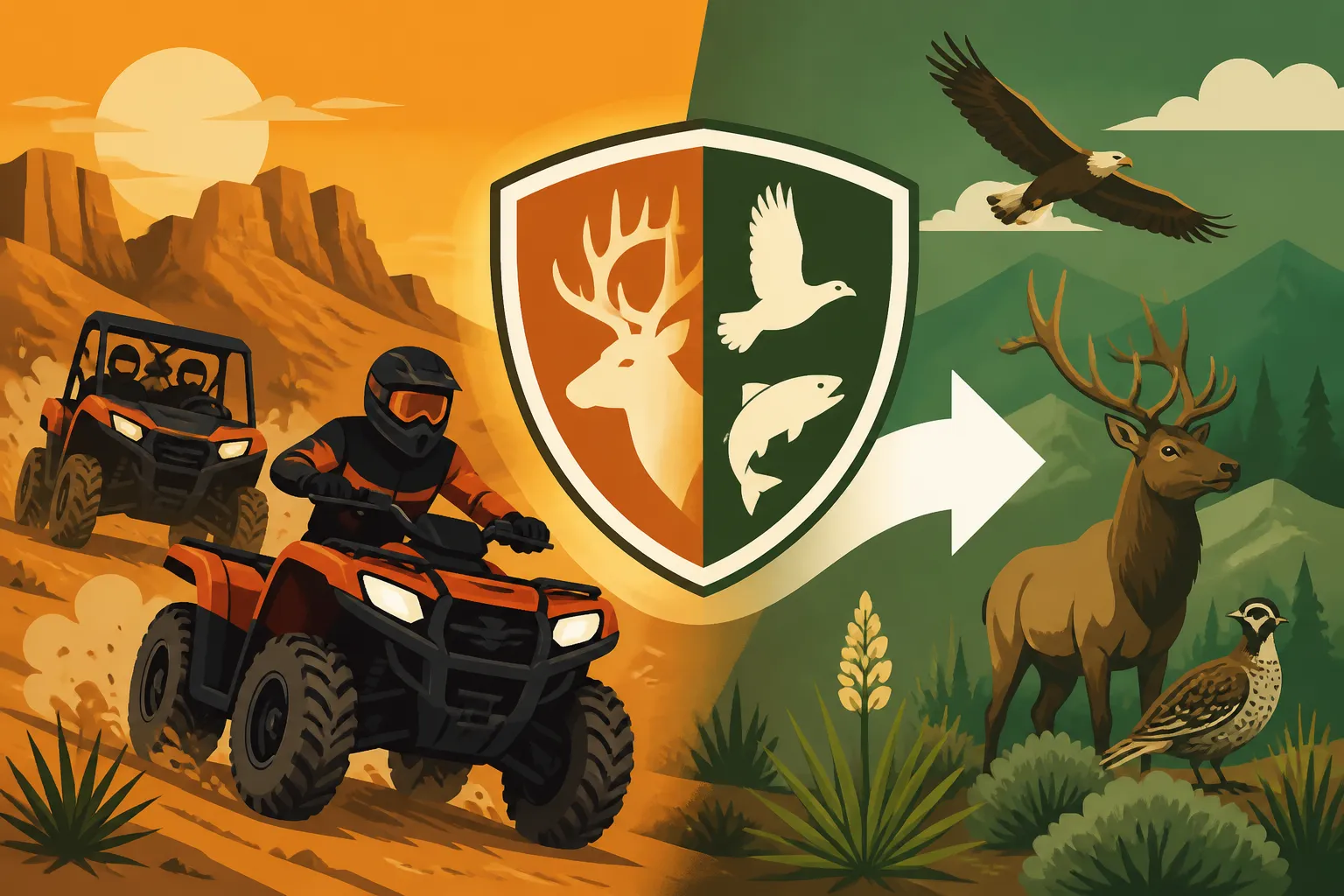
Changing an agency's name isn't just a cosmetic tweak; it's a profound statement about its evolving mission and values. The shift from "Game and Fish" to "Department of Wildlife" reflects a deliberate effort to embrace a more comprehensive and inclusive approach to conservation.
Reflecting a Modern Conservation Ethic
In today's world, conservation is understood as something far grander than just managing populations for harvest. It's about protecting entire ecosystems, preserving biodiversity, and ensuring the health of all living things, from the largest predator to the smallest microbe. The term "wildlife" inherently encompasses this broader perspective. When an agency rebrands to "Department of Wildlife," it signals a commitment to this modern conservation ethic, acknowledging that every creature, every plant, and every habitat plays a vital role in the natural world.
This renaming can make the agency more approachable and relevant to a wider segment of the public. Instead of being perceived as an organization solely for hunters and anglers, it becomes a steward for all New Mexico's wild creatures and places. This inclusivity encourages a broader base of citizens—from nature photographers to environmental educators, from scientists to casual hikers—to feel a sense of ownership and responsibility towards the state's natural heritage. It's a recognition that everyone has a stake in healthy ecosystems, regardless of their specific recreational pursuits.
Attracting Diverse Funding and Support
While license fees from hunters and anglers remain absolutely vital, a broader conservation mission often requires more diverse funding streams. A "Department of Wildlife" might be better positioned to attract grants from federal programs focused on endangered species, receive donations from private foundations dedicated to habitat preservation, or garner support from environmental advocacy groups. These organizations often have a wide-ranging focus that extends beyond traditional game species.
For example, imagine an agency seeking funds for a project to restore a critical wetland habitat. Under a "Game and Fish" banner, such a project might be perceived as primarily benefiting waterfowl. However, under a "Department of Wildlife" umbrella, it's clear the project benefits a multitude of species—amphibians, insects, migratory birds, and numerous plant communities—making it more attractive to a broader spectrum of funders. This rebranding can open doors to new partnerships and increase the overall capacity for conservation work, ensuring a more robust and resilient approach to protecting New Mexico's natural treasures for everyone. Organizations like LawDepot, which provides legal document templates, might even offer resources for structuring agreements for land trusts or conservation easements, further demonstrating the broader legal and financial framework that a "Department of Wildlife" might navigate compared to its narrower predecessor.
Implications for OHV Riders in New Mexico
While the New Mexico Motor Vehicle Division (MVD) handles the registration and titling of your OHV, the broader Department of Wildlife still plays a significant role in where and how you can ride on many of the public lands you cherish. The agency's expanded focus influences the rules and management decisions you encounter out on the trails. [New Mexico OHV Registration at MVD]
OHV Access and Wildlife Management
When a state agency takes on the "Department of Wildlife" moniker, it signifies a more comprehensive approach to managing all wild creatures and their habitats, not just game animals. For OHV riders, this means that decisions about trail planning, route designations, and potential closures on public lands (such as those managed by the U.S. Forest Service or the Bureau of Land Management) will consider a wider array of environmental factors. For instance, a trail might be rerouted or temporarily closed not just to protect a deer wintering range, but also to safeguard a nesting area for a non-game bird, a delicate riparian zone crucial for amphibians, or a sensitive plant community.
You might find that areas are designated as "critical habitat" for various species, requiring OHV use to be restricted to specific, hardened trails. This isn't about limiting your fun arbitrarily, but about balancing recreational access with the survival of species that might be particularly vulnerable to disturbance or habitat degradation. For example, if you're riding in an area known for an endangered species, signs and regulations will be in place to guide your behavior, even if that species isn't one you'd ever hunt or fish. [New Mexico Rules for Riding Federal Land]
Regulations and Responsible Recreation
The broader mission of a Department of Wildlife translates into a wider range of regulations that OHV riders need to be aware of and respect. These rules are designed to minimize impacts on all wildlife and their environments. For example, staying on designated trails is not just about preventing erosion; it's also about avoiding disturbance to sensitive ground-nesting birds, small mammals, and fragile plant life that might exist just off the beaten path.
Regulations concerning spark arresters and noise limits, while often viewed through the lens of fire prevention and peace and quiet for other users, also have significant wildlife benefits. A loud machine can disrupt wildlife behavior, causing stress or driving animals away from critical feeding or breeding areas. Similarly, an improperly maintained spark arrester not only poses a fire risk but could also inadvertently spread invasive plant seeds. So, when you're checking your machine before heading out, remember that requirements like these, and others such as the [New Mexico Sound Limit for ATVs] and [Spark Arresters on New Mexico Public Land], are part of a larger effort to protect the entirety of New Mexico's wildlife, from the smallest insect to the largest elk, ensuring the trails and surrounding lands remain vibrant for everyone to enjoy.
The "Department of Wildlife" in Practice
So, what does this name change really look like on the ground? It's not just a new logo; it's about a fundamental shift in how conservation efforts are planned and executed, leading to more integrated and far-reaching impacts.
Integrated Management Approaches
Under a "Department of Wildlife" umbrella, the agency moves away from siloed management, where game species were managed separately from non-game species. Instead, it adopts integrated management approaches that consider entire ecosystems. This means understanding the complex relationships between all species—predator and prey, plant and animal—and how human activities, climate, and habitat changes affect the whole system.
For instance, a project to restore a river corridor wouldn't just focus on stocking fish for anglers. It would also involve planting native vegetation along the banks to stabilize soil, provide shade, and create habitat for everything from songbirds and butterflies to beavers and deer. The health of the riparian zone is seen as beneficial for the entire ecosystem, supporting a diverse array of life, which in turn contributes to the resilience of game populations. This holistic view ensures that resources are allocated to benefit the greatest number of species and maintain ecological integrity. This might involve working with private landowners to establish conservation easements, for which a service like LawDepot could provide helpful templates.
Public Education and Outreach
A broader mission naturally leads to a more inclusive approach to public education and outreach. While hunter safety courses and fishing clinics remain important, a "Department of Wildlife" expands its educational efforts to a much wider audience, fostering a greater appreciation for all wildlife among the general public.
Imagine school programs teaching children about the importance of pollinators in their local parks, or community workshops on how to coexist with local predators like coyotes or bears. Interpretive centers at state parks or wildlife refuges might feature exhibits on migratory birds, rare reptiles, or the unique geology that supports various ecosystems. This wider educational focus aims to cultivate a deeper understanding and respect for nature across all demographics, encouraging everyone to become stewards of the environment. It's about empowering people to make informed decisions that support wildlife, whether they are enjoying a scenic drive, hiking a trail, or simply tending their backyard garden.
When You Still See "Game and Fish"
Even with a formal name change, you'll inevitably encounter instances where the old "Department of Game and Fish" name still pops up. It’s a common experience with any large-scale rebranding, and it doesn't necessarily mean there's confusion or a mixed message.
The Transition Period and Legacy References
Changing the name of a major state agency is a massive undertaking that goes far beyond simply updating a letterhead. It involves rebranding hundreds, if not thousands, of signs, vehicles, uniforms, official documents, and online portals. Websites need to be redesigned, legal language updated, and internal systems adjusted. This process takes time, often years, and is rolled out in phases. So, it's completely normal to still see "New Mexico Department of Game and Fish" on older brochures, trailhead signs, historical records, or even on some state vehicles for a while.
Furthermore, many people, especially those who have interacted with the agency for decades, will continue to refer to it by its familiar old name out of habit. It’s similar to how some folks might still use the old name for a local landmark even after it’s been officially renamed. It’s part of a natural transition period, not a sign of policy contradiction. Rest assured that when you're looking up rules for things like [New Mexico OHV Permits Explained] or [New Mexico Fines for an Unregistered OHV], you're getting information from the same core agency, regardless of which name appears on the specific document you might be holding.
Underlying Mission Remains Consistent
It’s crucial to understand that even when the name shifts, the fundamental importance of managing game and fish species for hunting and angling does not diminish. These activities are still vital components of conservation, providing essential funding through license sales and engaging a dedicated community of outdoor enthusiasts. The "Department of Wildlife" doesn't abandon its traditional responsibilities; rather, it expands upon them.
Think of it as adding new chapters to a very important book, not rewriting the entire story. The agency will continue to set hunting and fishing seasons, manage wildlife populations, conduct fish stocking, and enforce regulations to ensure healthy game and fish populations. These efforts are often seen as integral to the broader mission of ecosystem health. After all, a thriving deer herd or a healthy trout stream is a strong indicator of a healthy environment overall. The change simply recognizes that the agency's stewardship extends to all wild creatures and their habitats, offering a more holistic and encompassing vision for the future of New Mexico's natural legacy.
| Feature | Department of Game and Fish Focus | Department of Wildlife Focus |
|---|---|---|
| Primary Scope | Game animals and fish for sport/food | All wild animals, plants, and their habitats |
| Funding Emphasis | Hunting and fishing license sales | Diverse, including licenses, grants, donations, federal funds |
| Conservation Goal | Sustainable harvest, healthy game populations | Biodiversity, ecosystem health, species protection, sustainable use |
| User Groups | Hunters and anglers primarily | Hunters, anglers, birdwatchers, hikers, photographers, general public |
| Public Education | Hunter/angler safety & ethics | Broad wildlife appreciation, ecosystem understanding, coexistence |
| Management View | Species-specific (game/fish) | Integrated, ecosystem-based management |
Disclaimer
This article is for general informational purposes only and does not constitute professional advice. Laws, prices and regulations vary by location and change over time. Consult a qualified professional for guidance on your specific situation.