Why New Mexico Residents Register at MVD
It can be incredibly frustrating trying to figure out where to register your off-highway vehicle (OHV) in New Mexico. You've heard different things, maybe seen signs for different agencies, and it just adds another layer of complexity to getting out on the trails. This guide is going to cut through that confusion and clearly explain why, as a New Mexico resident, your journey for ATV or UTV registration starts and ends with the Motor Vehicle Division (MVD).
The Central Role of the MVD in New Mexico OHV Registration
When it comes to getting your ATV, UTV, or dirt bike legally ready for New Mexico's stunning landscapes, the New Mexico Motor Vehicle Division (MVD) is your primary stop. It wasn't always this straightforward, which is often where some of the confusion originates, but for residents, the MVD is now unequivocally the main authority. Think of it as the central hub for nearly all things related to vehicle ownership and operation within the state, and that includes your beloved off-highway machines.
Why Not Department of Game and Fish?
For many years, there was indeed a different system. The New Mexico Department of Game and Fish (NMDGF) used to handle some aspects of OHV registration, particularly for off-road use. This created a lot of back-and-forth for riders, sometimes requiring interaction with multiple agencies, depending on whether they wanted to ride exclusively off-highway or also on paved roads. You might have even experienced this yourself, jumping through hoops and wondering why a single state couldn't streamline the process. It was a common point of confusion and a genuine frustration for many OHV enthusiasts.
However, a significant change occurred with the passage of the 2017 law. This legislation aimed to simplify the process and consolidate OHV registration under one roof. The intent was to make it easier for New Mexico residents to understand where to go and what to do, eliminating the need to navigate between different departments. This is why you no longer visit Game and Fish for your standard OHV registration needs. Their role has largely shifted to enforcement, education, and managing wildlife, while the MVD now manages the full scope of OHV registration for residents. It's a much more efficient system now, even if the legacy confusion still lingers for some. This change also solidified [Why MVD Registers New Mexico OHVs] in no uncertain terms.
MVD's Broad Scope for Vehicle Registration
The MVD is the state agency responsible for registering all types of motor vehicles in New Mexico, from passenger cars and trucks to motorcycles and, yes, off-highway vehicles. This broad scope is precisely why it's the logical home for OHV registration. By centralizing these functions, the state ensures consistency in its regulations, processes, and record-keeping.
When you go to the MVD to register your ATV, you're interacting with the same system and personnel who handle car registrations, driver's licenses, and vehicle titles. This integration means that the MVD has the infrastructure, the trained staff, and the existing databases to manage OHV registration efficiently. It creates a single point of contact for vehicle owners, which can be a huge relief compared to having to deal with multiple state departments for different vehicle types. It’s also where you'll typically start the process of [Titling an Off-Highway Vehicle in New Mexico] before you even get to registration. This consistency is a major benefit, as it means you're less likely to encounter conflicting information or be sent to another office just to complete one step of the process.
Navigating the Registration Process at MVD
Registering your off-highway vehicle at the New Mexico MVD is a pretty straightforward process once you know what to expect and have your ducks in a row. It's designed to be similar to registering any other vehicle, which is a good thing for continuity, but there are some specific items you'll want to have prepared for your OHV. Getting all your documents in order before you head to the office can save you a lot of time and potential headaches.
Essential Paperwork for Your MVD Visit
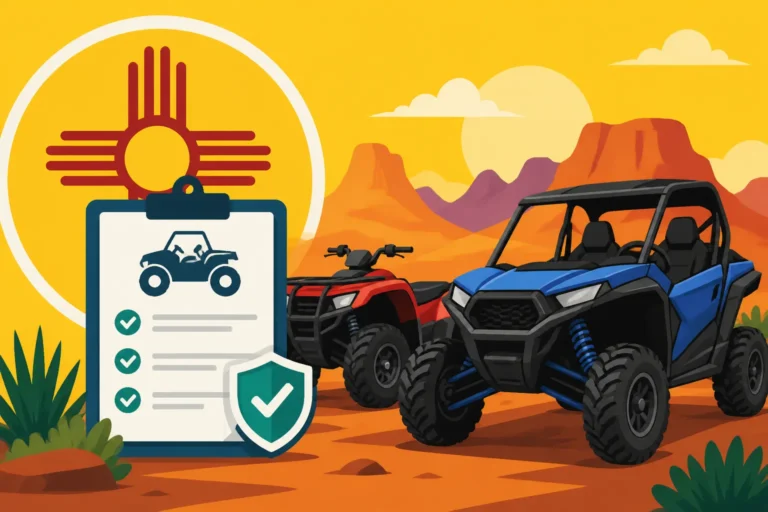
When you visit the MVD, you'll need several key documents to complete your OHV registration. The most crucial piece of paper is proof of ownership. This typically means the Manufacturer's Certificate of Origin (MCO) if your OHV is brand new, or a properly executed title if it's a used machine. Without a clear chain of ownership, the MVD simply can't process your registration. This is where a lot of people run into trouble, especially with older, privately sold machines that might not have a formal title. If you're buying a used ATV, always insist on getting the title signed over to you.
You'll also need a valid form of identification, like your New Mexico driver's license or state ID card. The MVD needs to verify who you are to ensure the vehicle is being registered to the correct individual. If you've just purchased the OHV, you might also need a bill of sale, especially for used vehicles. A well-drafted bill of sale clearly outlines the transaction, including the buyer, seller, vehicle information (like the VIN), and purchase price. This protects both parties and provides the MVD with important information for sales tax purposes. If you're looking for reliable templates for these kinds of documents, services like LawDepot can be incredibly helpful for creating a thorough and legally sound bill of sale, ensuring you meet [New Mexico ATV Bill of Sale Requirements] without a hitch. Having these forms prepared ahead of time can make your MVD visit much smoother.
Understanding Fees and Renewal Cycles
When you register your OHV in New Mexico, there are fees involved, and these are an essential part of the process. The standard registration is good for two years, making it a biennial renewal cycle. This means you don't have to worry about it every single year, which is a nice break! The fees cover the administrative costs of registration and contribute to state programs.
While the exact amounts can change, the core structure remains consistent. Your initial [Registering an OHV in New Mexico] will involve a fee, and then you'll pay a renewal fee every two years after that. This is typically outlined as [New Mexico's $50 Biennial Renewal]. It’s easy to overlook these fees, but understanding what they are for can offer some peace of mind. A portion of these fees is often directed towards funding crucial programs related to OHV recreation, such as trail maintenance, safety education, and enforcement efforts, directly impacting the riding experience across the state. These contributions are vital for keeping New Mexico's trails open and safe for everyone, ensuring that the places we love to ride are well-maintained.
| Document Type | Purpose | Notes |
|---|---|---|
| Proof of Ownership | Verifies you legally own the OHV | MCO for new, Title for used. |
| Bill of Sale | Confirms transaction details for used OHVs | Recommended for all private sales; LawDepot can assist. |
| Valid ID | Verifies applicant's identity | New Mexico Driver's License or State ID. |
| Proof of Residency | Establishes you are a New Mexico resident | Often covered by ID, but sometimes additional utility bill may be required. |
| Payment for Fees | Covers registration, title, and plate/decal costs | Check current MVD rates for exact figures. |
Decals, Plates, and Paved Road Access
One of the most common areas of confusion for New Mexico OHV riders, especially when it comes to riding outside of designated off-highway areas, revolves around the various decals and plates. It’s not just about getting registered; it’s about making sure you have the right kind of registration for where you want to ride. Ignoring these distinctions can quickly lead to an interaction with law enforcement that no one wants.
Decal Requirements for Off-Highway Use
For pure off-highway riding – think trails, open desert, and other unpaved areas – your primary identification comes in the form of decals. New Mexico has two main types of decals for OHVs: the yellow decal and the green decal. The yellow decal is specifically for machines that will only be operated off-highway. It’s the baseline registration for any OHV that will be used on public land that isn't a paved road. This is the decal that tells authorities your machine is registered for its intended purpose. You'll want to make sure you understand [New Mexico's Yellow Off-Highway Decal] requirements fully.
The green decal, on the other hand, is a bit more versatile. It signifies that your OHV is registered for both off-highway and on-highway use, provided you also meet other requirements for paved road riding. This is a crucial distinction for riders who want the flexibility to use certain paved county roads or designated city streets to connect trails. Understanding where these decals need to be placed is also important; for example, [Where the Decal Goes on an ATV's Left Rear] is a common placement rule for quads, ensuring visibility. The key takeaway here is that if you're riding on anything other than strictly off-road terrain, you need to be aware of the green decal and potentially other paved road requirements. You can also dive deeper into [New Mexico's Green On and Off-Highway Decal].
The Paved Road Plate for Street-Legal Riding
While the green decal signifies eligibility for some paved road use, the ultimate step for broad paved road access in New Mexico comes with the specific OHV paved road plate. This plate is issued by the MVD and is designed for OHVs that are modified to meet certain street-legal equipment requirements, allowing them to operate on designated paved roads in areas that permit it. This is not a universal right to ride on all streets; state highways and interstates are generally off-limits for OHVs, regardless of registration. However, for those seeking to traverse county roads or specific municipal streets, the paved road plate is indispensable.
The paved road plate signals to law enforcement that your machine has passed the necessary checks for lights, mirrors, brakes, and other safety equipment required for on-road operation. It essentially elevates your OHV's legal status beyond merely an off-road machine. It’s important to understand that simply having a green decal doesn't automatically grant you the same privileges as a paved road plate. While [Why the Green Decal Lets You Onto Pavement] is true in some specific circumstances, the plate provides broader access and indicates full compliance with on-road equipment standards. So, if your riding plans include significant paved road travel to link up trails or explore certain towns like Red River, getting [New Mexico's Paved Road Plate] through the MVD is a necessary step.
Common Scenarios and Specific Registration Needs
The world of OHV ownership is rarely a straight line. You might buy a brand-new machine from a dealer, inherit an old quad from a family member, or even move to New Mexico with an ATV you already own. Each of these situations presents its own unique set of requirements when it comes to registration and titling at the MVD. Understanding these common scenarios can help you prepare for your visit and ensure you don't hit any unexpected roadblocks.
Registering a Newly Purchased or Used OHV
When you buy a brand-new ATV or UTV from a dealership in New Mexico, the process is often quite smooth. Many dealerships will handle a significant portion of the initial registration and titling paperwork for you, sometimes even submitting it directly to the MVD. You'll typically leave with a temporary registration and title application, and your permanent documents will arrive in the mail. This convenience is a big draw for new vehicle purchases.
However, buying a used OHV, especially from a private seller, requires more direct involvement on your part. The most critical item here is the title. You must ensure the seller provides you with the vehicle's clean title, properly signed over to you. Without a title, proving ownership can become a complicated, lengthy, and sometimes expensive endeavor. This is also where a detailed and accurate bill of sale becomes indispensable. A strong bill of sale, which you can easily draft using resources like LawDepot, protects both you and the seller by documenting the sale, vehicle details, and purchase price. It’s also important for the MVD to calculate any sales tax owed. Always verify the Vehicle Identification Number (VIN) on the bill of sale matches the VIN on the OHV itself, and on the title. Taking the time to get these documents right on a private sale prevents headaches down the road.
What About Out-of-State or Inherited Machines?
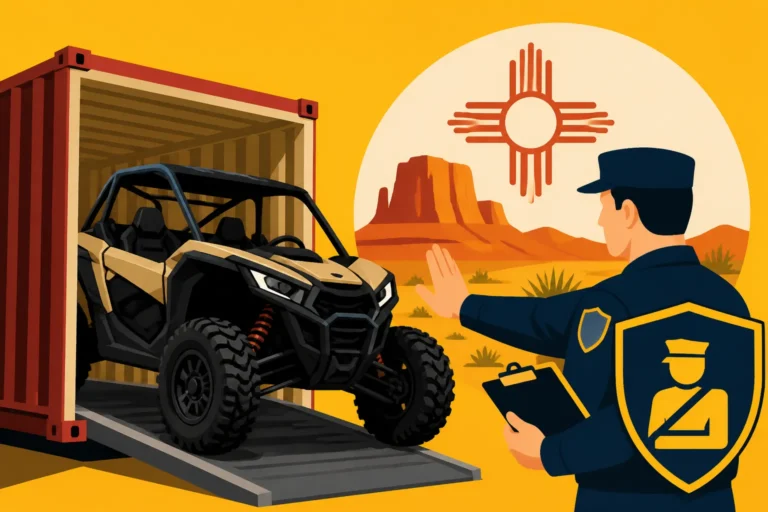
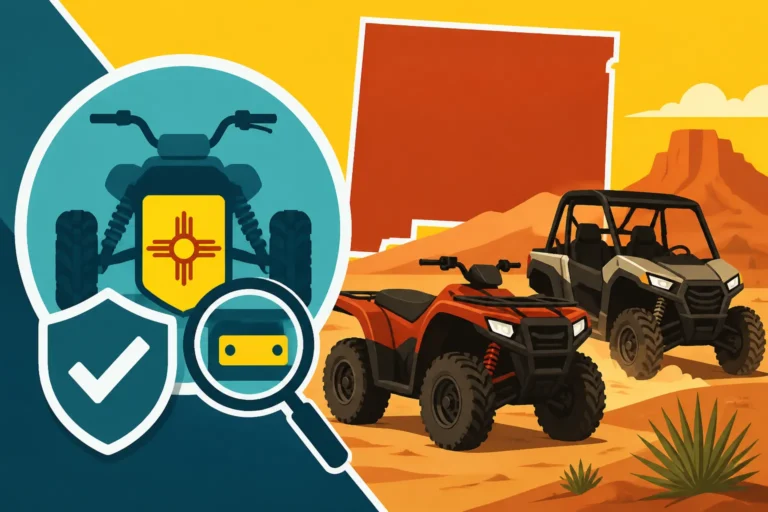
Bringing an OHV into New Mexico from another state can feel a bit like navigating a maze, but the MVD is equipped to handle these situations. If you're [Registering an Out-of-State Machine in New Mexico], you'll generally need to provide your out-of-state title, proof of residency in New Mexico, and a VIN inspection. The VIN inspection is crucial because it verifies that the vehicle you're registering is indeed the vehicle listed on the title and that it hasn't been stolen or altered. This helps protect against fraud and ensures the integrity of the state's vehicle records. While the process is similar to registering a new-to-you used machine, the out-of-state title adds an extra layer of verification.
Inheriting an OHV, while perhaps emotionally significant, also comes with specific MVD requirements. When you're [Registering an Inherited Machine in New Mexico], you'll typically need to provide the previous owner's death certificate, a copy of the will or court documents proving your right to inherit the vehicle, and the original title (if available). If there's no will or clear documentation, the process can become more involved, sometimes requiring an affidavit of heirship or other legal forms to establish proper ownership transfer. In these cases, it might be wise to consult with an attorney or explore legal document services to ensure all necessary forms are correctly filed before heading to the MVD. This ensures a smooth transition of ownership and registration.
Benefits of Proper MVD Registration
While the process of gathering documents and visiting the MVD might seem like a chore, proper registration of your OHV offers significant benefits that go far beyond just checking a box. It’s about ensuring your peace of mind, protecting your investment, and contributing to the sustainability of the very activity you love. Overlooking registration is a gamble that rarely pays off in the long run.
Legal Compliance and Avoiding Penalties
The most immediate and obvious benefit of registering your OHV with the MVD is legal compliance. In New Mexico, it is mandatory for OHVs operated on public lands or paved roads (where permitted) to be registered. This isn't just a suggestion; it's the law. Riding an unregistered OHV can lead to citations, significant fines, and potentially even impoundment of your machine. Imagine being out on a beautiful trail ride, only to have it cut short by a law enforcement officer because your registration isn't current. That’s a frustration no one needs.
The penalties for non-compliance can be substantial, and they often increase with repeat offenses. Knowing that your machine is properly registered means you can ride with confidence, focusing on the joy of the open trail rather than worrying about getting caught. It also means you're less likely to face inconvenient roadside stops or deal with the hassle of court appearances and legal fees. For more details, it's worth understanding [New Mexico Fines for an Unregistered OHV]. Investing the time upfront to register your OHV is a small price to pay for avoiding these much larger problems and ensuring your legal standing as a responsible rider.
Supporting New Mexico's OHV Trails and Resources
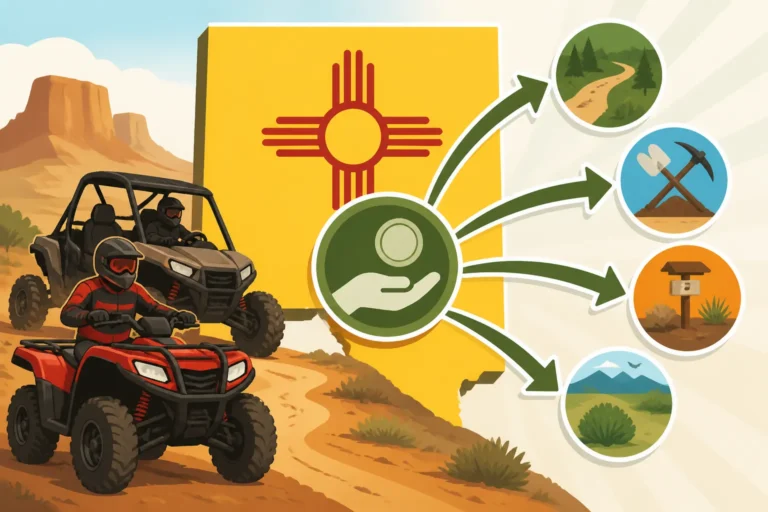
Beyond legal compliance, your registration fees play a crucial role in maintaining and improving New Mexico's OHV infrastructure. When you pay your registration fee at the MVD, a portion of that money is typically earmarked for specific funds dedicated to OHV programs. These funds are used for a variety of purposes that directly benefit riders across the state.
This includes things like maintaining existing trails, creating new riding opportunities, developing and updating trail maps, and funding safety education programs for riders of all ages. Your fees also support enforcement efforts, which help ensure that trails are used responsibly and that sensitive natural areas are protected. Essentially, your registration dollars are reinvested directly back into the OHV community, helping to preserve and enhance the very resources that make New Mexico such a fantastic place to ride. Understanding [Where New Mexico OHV Fees Go] can give you a better appreciation for how your contribution helps keep the trails open and enjoyable for everyone. It's a collective effort, and your registration is a key part of supporting the future of OHV recreation in the Land of Enchantment.
Disclaimer
This article is for general informational purposes only and does not constitute professional advice. Laws, prices and regulations vary by location and change over time. Consult a qualified professional for guidance on your specific situation.