Where New Mexico OHV Fees Go
It’s easy to feel like you’re just handing over cash to a faceless bureaucracy when you register your off-highway vehicle (OHV) in New Mexico. You see the cost, you pay it, and then you often wonder, "Where does all that money actually go?" This guide is all about pulling back the curtain on those New Mexico OHV fees, so you can understand exactly how your hard-earned dollars are invested back into the trails, safety, and overall OHV experience across our beautiful state.
Understanding New Mexico's OHV Fee Structure
When you register an OHV in New Mexico, whether it's an ATV, UTV, or dirt bike, you're not just paying for a piece of paper or a decal. You're contributing to a dedicated fund designed to support the very activity you love. It’s a bit like buying a season pass, except instead of just entry, you’re helping maintain the whole park. Many riders just see the number on the form and sign the check, but understanding the breakdown can help you appreciate the bigger picture.
The Initial Registration Investment
The first time you register a machine in New Mexico, there's a specific fee you'll encounter. This isn't just a one-time charge; it’s the gateway to legal riding on public lands and designated routes. Think of it as your initial handshake with the system, setting you up for years of adventure. This initial fee covers the administrative costs of getting your vehicle into the state's database, assigning it a unique registration number, and issuing your first set of decals. It's the foundation of your legal riding status in the state.
Beyond the basic paperwork, a portion of that initial fee goes towards crucial infrastructure. It’s not simply bureaucracy at work; it’s the engine that helps power the systems that keep our trails open and managed. From the moment you complete the process, which often starts with ensuring you have all your ducks in a row, like a proper bill of sale if you bought privately, your money begins to contribute to the larger OHV ecosystem. [New Mexico's First OHV Registration] outlines the general process, but this initial fee is what makes it all possible from a financial perspective.
The Biennial Renewal Contribution
After that first registration, you'll find yourself needing to renew your OHV registration every two years. This biennial renewal isn't just a repeat of the first fee; it’s an ongoing commitment to the health and future of OHV riding in New Mexico. For many, it's just another checkbox on the list of things to do, but it's a vital one. This consistent income stream allows state agencies to plan for long-term projects and continuous maintenance rather than relying on sporadic funding. It's the lifeblood that keeps the wheels turning, quite literally, on our trails.
Think about the wear and tear our machines put on the trails. Without regular upkeep, those scenic routes would quickly become impassable, erosion would take over, and the quality of our riding experience would plummet. The biennial renewal, detailed in articles like [New Mexico's $50 Biennial Renewal], ensures that there’s a steady flow of funds specifically earmarked for maintaining existing trails, repairing damage, and even developing new ones. It’s a proactive investment that benefits every rider who ventures out onto public land.
Direct Impact on New Mexico's Riding Landscape
This is where your fees really hit the dirt – or the sand, or the mud, depending on where you like to ride! The state isn't just collecting money for the sake of it; a significant portion is channeled directly into improving the places we love to explore. It's about preserving access and enhancing the experience for everyone.
Funding Trail Maintenance and Development
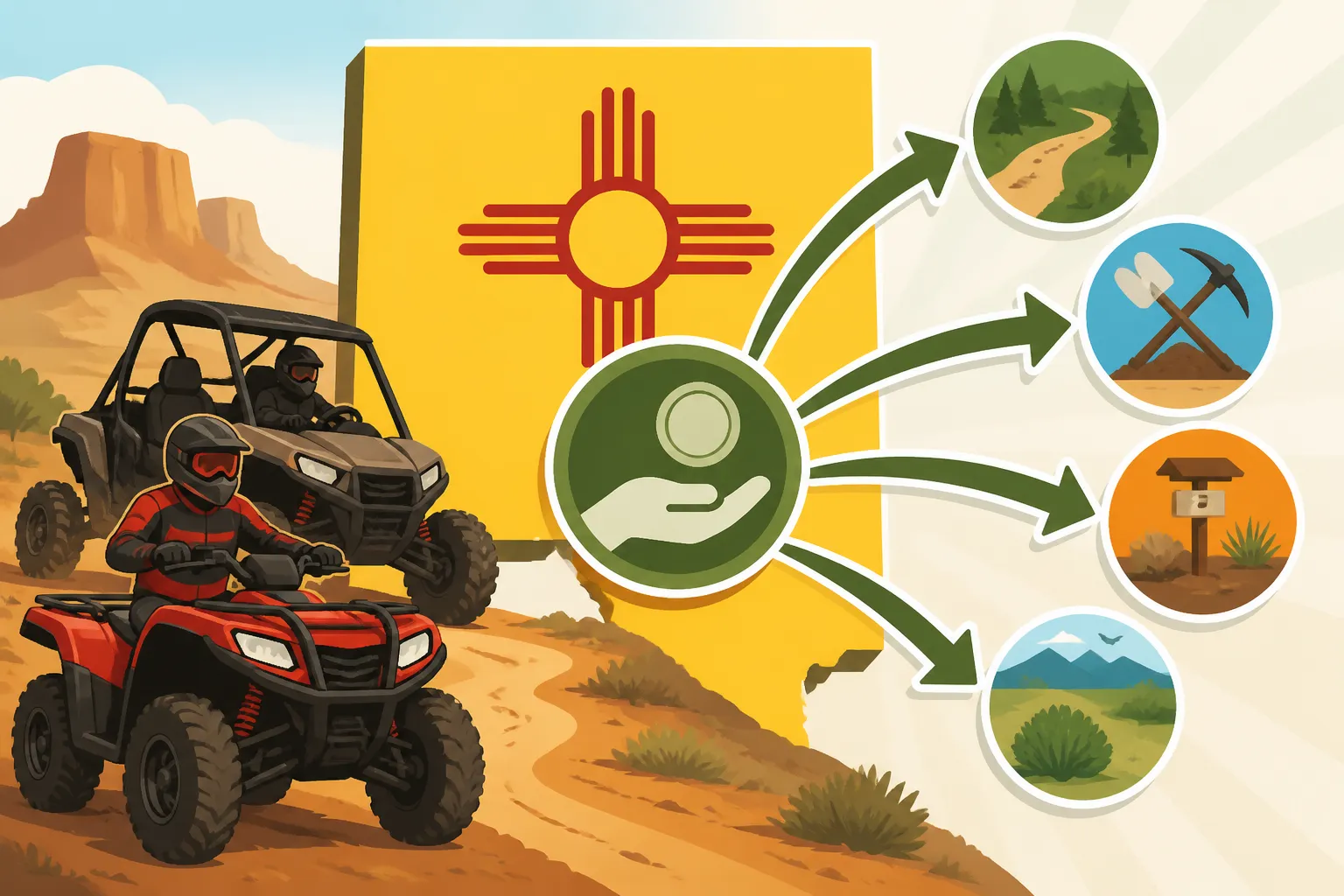
One of the biggest beneficiaries of your OHV registration fees is our vast network of trails. Imagine hitting your favorite trail only to find it overgrown with brush, washed out by recent rains, or blocked by fallen trees. That's where your fees come in. They fund the crews and equipment needed to clear debris, repair surfaces, and prevent erosion. This isn't just about making trails rideable; it's about protecting the natural environment by keeping riders on designated paths, preventing damage to sensitive areas.
From the high-country forests around Red River and Angel Fire to the desert expanses near Truth or Consequences, trail maintenance is an endless task. These funds also support the planning and construction of new trails, expanding our riding opportunities. It’s about more than just keeping existing routes open; it’s about creating new adventures. These are the tangible results you see and feel with every mile you ride on a well-maintained trail.
Enhancing Staging Areas and Facilities
Beyond the trails themselves, your fees also help improve the places where our adventures begin and end: the staging areas. Have you ever pulled into a trailhead and appreciated a clean pit toilet, clearly marked parking, or even an informational kiosk with maps and safety tips? Those facilities aren't magically appearing out of thin air. They're often funded, at least in part, by OHV registration fees. These improvements make our riding experiences more convenient, safer, and more enjoyable from the moment we unload our machines.
Consider the Red Sands OHV Area, or Glade Run near Farmington. These popular spots require constant attention, not just to the riding surfaces but to the support infrastructure. Investing in better staging areas means more organized parking for trucks and trailers, reducing congestion and potential hazards. It also means improved access for emergency services if something goes wrong. These enhancements are a direct reflection of your financial contribution, making our beloved riding spots better for everyone.
Investing in Rider Safety and Education
It’s not just about physical trails; it’s about ensuring that riders themselves are safe and informed. A crucial part of the fee allocation goes toward education and safety initiatives, helping to create a more responsible and enjoyable riding community. After all, what good are beautiful trails if people aren't riding them safely?
Supporting OHV Safety Programs for All Ages
New Mexico takes rider safety seriously, especially for our younger enthusiasts. A portion of the OHV fees is specifically allocated to funding safety education programs. These programs teach essential riding skills, accident prevention, and responsible trail etiquette. Think about courses offered by certified instructors that cover everything from basic machine control to navigating challenging terrain safely. This investment is about preventing accidents before they happen and fostering a culture of safety from a young age.
For example, our state has specific requirements for riders under 18 to complete a safety permit course. [New Mexico OHV Safety Permit Requirements] exist to ensure that our youth are equipped with the knowledge and skills to ride responsibly. The fees you pay help subsidize these courses, making them more accessible and ensuring that trainers and materials are available. This way, more kids get the chance to learn how to ride smart, protecting themselves and others on the trails.
Public Outreach for Responsible Riding
It's not just about formal courses; it's also about broad public awareness. Your registration fees contribute to campaigns that educate the wider public, both riders and non-riders, about responsible OHV use. This includes efforts to inform people about designated riding areas, the importance of staying on marked trails, and respecting private property and wildlife. These campaigns are vital for maintaining good relationships with landowners, environmental groups, and other public land users.
Think about signs you might see at trailheads, brochures at MVD offices, or information shared through community events. These outreach efforts, funded by your fees, help to minimize conflicts and promote a harmonious outdoor environment. They explain nuances like [Why the Yellow Decal Keeps You Off Pavement] versus [Why the Green Decal Lets You Onto Pavement], helping riders understand the rules of the road and trail. This proactive communication is key to ensuring continued access to our diverse landscapes for OHV recreation.
The Administrative Backbone and Enforcement Efforts
While not as glamorous as a newly built trail or a safety course, the administrative and enforcement aspects are absolutely critical. Without these components, the entire system would crumble. Your fees ensure that the machinery of state government can effectively manage the OHV program.
MVD's Role in Collecting and Distributing Funds
The New Mexico Motor Vehicle Division (MVD) plays a central role in the OHV registration process. When you visit an MVD office or use their online portal to [Registering an OHV in New Mexico], you are interacting with the primary mechanism for fee collection. The fees collected by MVD aren't just tossed into a general state fund; they are specifically channeled into the Off-Highway Vehicle Special Revenue Fund. This dedicated fund ensures that the money you pay goes directly back into the OHV community.
The MVD's operational costs, from processing paperwork to maintaining the registration database, are supported by a portion of these fees. This administrative function is essential for tracking registered vehicles, ensuring compliance, and providing accurate records. Without the MVD's involvement, the entire system of legal OHV operation in New Mexico would be unmanageable. [Why MVD Registers New Mexico OHVs] explains their role in this vital process, highlighting how your fees support their ability to serve the riding public.
Funding for Law Enforcement and Compliance
Another critical destination for your registration fees is supporting law enforcement efforts related to OHV use. This includes local sheriffs, state police, and federal land managers who patrol riding areas. Their work ensures that everyone adheres to state laws and regulations, from proper registration and decal placement to environmental protection and safe riding practices. Enforcement is key to preventing illegal riding, minimizing conflicts, and protecting our natural resources.
These funds help provide training for officers, equip their patrol vehicles (sometimes with OHVs themselves!), and cover the costs of managing compliance. When you see a ranger or a deputy out on the trail, they are often there thanks to the very fees you’ve paid. They ensure that rules like [New Mexico OHV Decal Placement Rules] are followed, and that everyone has a fair and safe experience. This investment in compliance helps keep our riding areas safe and accessible for legitimate users, discouraging those who would disregard the rules and potentially spoil it for everyone else.
Special Circumstances and Other Contributions
New Mexico's OHV fee structure isn't just a one-size-fits-all approach. There are specific considerations for different types of riders, and these variations also contribute to the overall funding of the OHV program.
Nonresident Permits and Their Specific Allocations
For our friends visiting from out of state, New Mexico has a system for nonresident OHV permits. If you're coming from a state that doesn't have an equivalent OHV registration program, or if your home state's registration isn't recognized here, you'll need to purchase a New Mexico permit. These permits are crucial because they ensure that even visitors contribute to the maintenance and safety initiatives they benefit from while riding in our state. It's only fair that everyone who uses the trails helps support them.
The fees from [New Mexico Nonresident OHV Permit Cost] are also directed into the Off-Highway Vehicle Special Revenue Fund, just like resident registration fees. This means that a rider from Texas, Colorado, or Arizona (if their state doesn't have reciprocity) is directly contributing to the same trail maintenance, safety programs, and administrative oversight that resident riders do. It’s an equitable way to share the responsibility for preserving our riding areas, ensuring that everyone who enjoys our trails helps keep them pristine.
Additional Permits Beyond Standard Registration
Beyond the standard registration, there might be other permits or fees that contribute to the broader picture of land management. For instance, if you plan to ride on New Mexico State Trust Land, you'll need to acquire a recreational access permit directly from the New Mexico State Land Office. While this isn't part of the MVD OHV registration, it represents another layer of funding that supports the management of specific lands that OHV riders often utilize.
Sometimes, riders also need to ensure they have proper documentation for their machines, especially if they’re new purchases or private sales. While not a direct fee to the state for OHV use, having a well-drafted document like a bill of sale can prevent headaches down the line that could lead to delays in registration or titling, which then involves state fees. Services like LawDepot can be invaluable for creating these essential forms, ensuring you have the correct paperwork to present at the MVD and avoid any registration snags that might complicate your fee payment process. Having all your paperwork in order, whether it's for a private sale or proving ownership for [New Mexico OHV Registration Paperwork], is always a smart move.
| Fee Type | Purpose (General) | Main Beneficiary | Frequency |
|---|---|---|---|
| Initial Registration | Establish legal OHV use, assign ID | MVD Admin, Trail Fund | One-time per machine |
| Biennial Renewal | Ongoing trail maintenance, safety | Trail Fund, Safety Programs | Every 2 years |
| Nonresident Permit | Visitor contribution to state OHV system | Trail Fund, Safety Programs | 90 days or 2 years |
| Paved Road Plate | On-road specific infrastructure, enforcement | MVD Admin, Enforcement | Varies (program ended Dec 2025) |
| Replacement Decal | Cost of manufacturing new decals | MVD Admin | As needed |
Disclaimer
This article is for general informational purposes only and does not constitute professional advice. Laws, prices and regulations vary by location and change over time. Consult a qualified professional for guidance on your specific situation.