The New Mexico Department of Game and Fish and OHVs
It can feel a bit like a bureaucratic labyrinth trying to figure out which state agency handles what when you're just trying to enjoy the incredible off-highway vehicle (OHV) trails New Mexico has to offer. Many riders instinctively think the New Mexico Department of Game and Fish (NMDGF) would be the go-to for all things off-road, given their role in wildlife and outdoor recreation. However, their involvement with OHVs is quite specific and often misunderstood. This guide aims to clear up that confusion, explaining the distinct roles of state agencies and how they impact your riding experience in the Land of Enchantment.
Understanding New Mexico's OHV Agencies
Navigating the world of OHV ownership and riding in New Mexico involves understanding a few key players. It's not always intuitive, and many people initially assume one agency covers everything. Let's break down who does what.
The Primary Role of the MVD for Registration
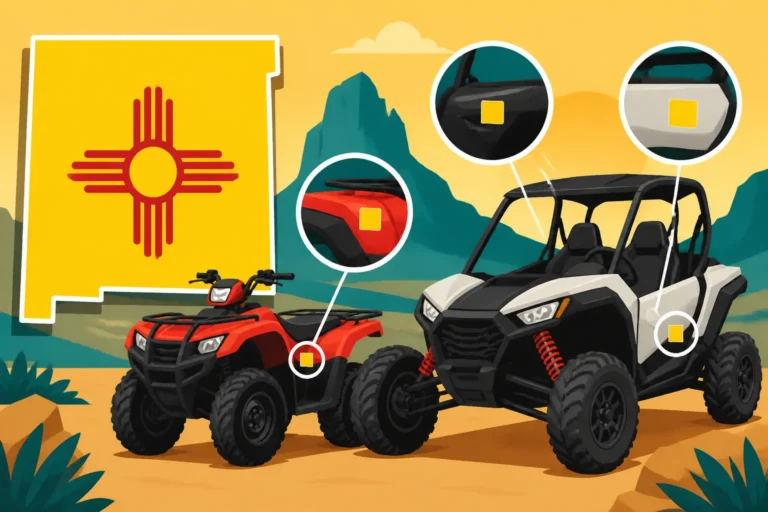
When it comes to getting your ATV, UTV, or dirt bike legally recognized in New Mexico, your first and most important stop is the Motor Vehicle Division (MVD). This often surprises people because, in many other states, a game and fish or parks department handles these tasks. But in New Mexico, the MVD is the powerhouse behind all the administrative heavy lifting for your off-road machine. They're the ones who will process your application, issue your official [New Mexico's Yellow Off-Highway Decal] or green decal, and ensure your machine has a proper title.
Think of it this way: just like your car or truck, your OHV needs to be registered and titled to track ownership and ensure accountability. The MVD is equipped to manage this high volume of vehicle transactions, from titling your brand-new side-by-side to handling the biennial [Renewing a New Mexico OHV Registration]. They issue the registration decals that are mandatory for riding on public lands, and they keep the records that prove your machine is legally owned and compliant. It's a system designed for efficiency in vehicle administration, which is why [Why MVD Registers New Mexico OHVs] is such a critical piece of the puzzle.
When you purchase an OHV, whether new from a dealer or used from a private seller, you'll be working directly with the MVD to transfer the title into your name and get that initial registration. This involves a specific set of [New Mexico OHV Registration Paperwork] and fees. While it might not be as glamorous as hitting the trails, completing these steps correctly at the MVD is your ticket to legally enjoying New Mexico's diverse riding landscapes.
NMDGF's Focus: Wildlife and Habitat Conservation
Now, let's talk about the New Mexico Department of Game and Fish (NMDGF). While they don't handle your OHV registration, their mission is absolutely vital to the overall health and accessibility of the lands you ride. The NMDGF's core responsibility revolves around the conservation, protection, and management of New Mexico's fish, wildlife, and their habitats. This includes everything from game animals like elk and deer to non-game species, fish populations, and the ecosystems they depend on.
Their work involves wildlife surveys, habitat restoration projects, managing hunting and fishing licenses, and enforcing regulations designed to protect these natural resources. They are deeply invested in maintaining ecological balance and ensuring that New Mexico's diverse wildlife populations thrive for future generations. For example, they might close certain areas to all public access during critical wildlife breeding seasons, or they might work on projects to restore riparian areas that are crucial for various species.
Because OHVs operate within these same sensitive environments, the NMDGF has a vested interest in how off-road recreation impacts wildlife and habitat. While they don't issue your registration, their influence is felt in the regulations concerning where and how you can ride to minimize disturbance to the natural world. Their officers, often known as Game Wardens, are on the front lines, enforcing laws that protect wildlife and ensure responsible use of public lands, which can sometimes include OHV-related violations if they negatively impact game or protected areas.
Where the NMDGF Does Interact with OHVs
Even though the MVD handles the administrative side of OHV registration, the New Mexico Department of Game and Fish still plays a significant, albeit different, role in the broader OHV landscape. Their interaction often comes down to protecting the very environments we love to explore.
OHV Impact on Wildlife and Habitat
The truth is, while OHVs offer incredible opportunities to access remote and beautiful parts of New Mexico, they also have an undeniable impact on the environment. This is where the NMDGF steps in. When riders deviate from designated trails, accelerate excessively in sensitive areas, or ride through streams, it can lead to erosion, damage fragile vegetation, and disturb wildlife. For instance, repeated disturbance in a critical winter range could stress deer and elk populations, affecting their survival. Similarly, noise from OHVs can disrupt nesting birds or other animals, causing them to abandon crucial habitats.
The NMDGF, as the primary stewards of wildlife, constantly monitors these impacts. They collaborate closely with federal agencies like the Bureau of Land Management (BLM) and the U.S. Forest Service, as well as New Mexico State Parks, to ensure that OHV use is managed sustainably. This often means providing input on trail design, recommending seasonal closures for wildlife protection, or identifying areas that are simply too sensitive for OHV access. They work to find a balance where recreational opportunities can coexist with the conservation needs of the state's natural resources. It’s about ensuring that the trails we enjoy today will still be vibrant and full of wildlife for years to come.
Enforcement and Regulations on Game and Fish Lands
While NMDGF Game Wardens aren't checking for your MVD registration decal specifically (that's usually a state police or county sheriff's job, though any law enforcement officer can check it), they absolutely do enforce laws and regulations that pertain to OHV use, especially when it impacts wildlife, habitat, or public safety on lands they manage or have jurisdiction over. If you're riding in a designated wildlife management area, for example, or on state game commission property, NMDGF officers have the authority to ensure you're complying with all posted rules.
Imagine you're out riding and decide to take a shortcut through a fenced-off area clearly marked as a wildlife sanctuary. A Game Warden could issue you a citation for trespassing or for disturbing wildlife. Similarly, if there are fire restrictions in place or a specific area is closed due to sensitive nesting grounds, NMDGF officers will enforce those closures. These are not about your vehicle's registration status but about your conduct and adherence to land-use rules. [New Mexico Fines for an Unregistered OHV] are issued by MVD, but wildlife violations would be handled by NMDGF. They are an essential part of the larger law enforcement network dedicated to maintaining order and protecting resources on New Mexico's vast public and state lands.
OHV Safety and Education
Beyond enforcement, the NMDGF often plays a supporting role in promoting general OHV safety and ethical riding practices. While the MVD outlines formal [New Mexico OHV Safety Permit Requirements] for younger riders, the NMDGF's mission naturally aligns with educating all users on responsible recreation. They might not be running the core safety courses, but they often participate in or promote initiatives that teach riders how to minimize their environmental footprint and avoid conflicts with wildlife.
Think about the importance of staying on designated trails – that's a safety issue for riders (avoiding unseen obstacles) and a conservation issue for wildlife (preventing habitat destruction). The NMDGF emphasizes messages about "Tread Lightly!" principles, packing out what you pack in, and respecting private land boundaries. These educational efforts are critical for fostering a culture of responsible OHV use that benefits everyone: riders, wildlife, and the natural landscape. By understanding and following these guidelines, riders contribute to the NMDGF's overarching goal of preserving New Mexico's outdoor heritage.
Confusion Points and Shared Responsibilities
It’s easy to get tangled up in which agency does what, especially when both the MVD and NMDGF seem to touch on aspects of outdoor recreation. However, by clarifying their distinct, yet sometimes overlapping, responsibilities, we can better understand the comprehensive approach to OHV management in New Mexico.
The Shared Goal of Responsible Recreation
Despite their different primary functions, both the New Mexico MVD and the NMDGF share a fundamental goal: promoting safe, sustainable, and responsible outdoor recreation. While the MVD focuses on the administrative side – ensuring vehicles are properly registered, titled, and insured – the NMDGF focuses on the ecological impact and the health of the natural environment where these vehicles are used. For instance, the MVD collects fees for OHV registration, and a significant portion of these funds are then allocated to programs that directly benefit OHV recreation, such as trail development and maintenance. [Where New Mexico OHV Fees Go] often involves decisions made in consultation with various stakeholders, including conservation groups and OHV enthusiasts, which can indirectly involve NMDGF input on how those trails impact wildlife.
This inter-agency cooperation is key. The MVD provides the legal framework for OHV use, while the NMDGF provides the environmental expertise to ensure that use doesn't degrade the very resources that make riding in New Mexico so appealing. For instance, when new trails are proposed on public lands, the NMDGF might advise the land management agency (like the Forest Service or BLM) on potential impacts to wildlife corridors or sensitive plant species. This ensures that while we get more places to ride, we're also protecting the natural beauty and biodiversity of the state.
Why the Agency Becomes the Department of Wildlife
You might hear discussions or see references to the "New Mexico Department of Wildlife" instead of "New Mexico Department of Game and Fish." This isn't just a simple rebranding; it reflects an evolving understanding of the agency's broad mandate. [Why the Agency Becomes the Department of Wildlife] is about a shift to a more inclusive and comprehensive approach to conservation. The term "Game and Fish" historically focused on species that are hunted or fished, but the reality is that the agency's responsibilities extend far beyond those categories.
By moving towards "Department of Wildlife," the agency signals its commitment to all wildlife species – game, non-game, endangered, and common – and the vast interconnected ecosystems they inhabit. This broader perspective means that when considering activities like OHV riding, the Department of Wildlife would look at the impact on the entire spectrum of living organisms and their habitats, not just on deer or trout. This rebranding aims to better communicate their role as stewards of all of New Mexico's natural heritage, acknowledging the complex interactions between human recreation and the environment, including the growing popularity of OHV use.
Practical Advice for Riders Regarding NMDGF
As OHV enthusiasts, it's not enough to just register your machine with the MVD; you also need to be mindful of the NMDGF's mission and how it impacts your riding. Being a responsible rider means understanding and respecting the rules that protect New Mexico's unique natural environment.
Researching Land-Specific Regulations
One of the most crucial pieces of advice for any OHV rider in New Mexico is to always, always, always research the specific regulations for the land you plan to ride on. Your MVD registration decal grants you the statewide privilege to operate an OHV, but it doesn't automatically mean every piece of public land is open for riding. The NMDGF, working in conjunction with federal and other state land managers, often has input on area-specific rules, especially concerning wildlife management areas or designated sensitive habitats.
Before you even load up your machine, check the websites for the specific National Forest, BLM district, or State Park you intend to visit. Look for seasonal closures, designated OHV trail systems, and any restrictions on vehicle size or noise. For example, some areas might have temporary closures during nesting seasons for specific bird species or during times of high fire danger. Knowing these rules beforehand can save you a hefty fine and, more importantly, ensures you're not inadvertently harming the environment. Remember, [New Mexico Rules for Riding Federal Land] can vary significantly from one jurisdiction to another, and NMDGF's recommendations are often incorporated into these local land management plans.
Respecting Wildlife and Their Habitats
This goes hand-in-hand with researching regulations but deserves its own emphasis: always ride with respect for New Mexico's incredible wildlife and their habitats. The NMDGF is dedicated to preserving these resources, and every rider has a role to play. Staying on designated trails is perhaps the most fundamental rule. Riding off-trail can destroy fragile vegetation, contribute to erosion, and disrupt animal foraging or breeding patterns. Imagine a deer fawning in a secluded thicket, only to be scared off by an unexpected OHV.
Here are some actionable tips: maintain appropriate speeds, especially in areas where wildlife might be present; avoid riding during dawn or dusk, when many animals are most active; and never harass, chase, or attempt to feed wildlife. If you encounter animals on the trail, give them a wide berth and let them move away naturally. Be particularly aware of [New Mexico Rules for Riding Near Livestock] if you're on grazing allotments, as livestock are also part of the working landscape and need to be respected. Responsible riding practices ensure that your enjoyment doesn't come at the expense of New Mexico's natural heritage, aligning perfectly with the NMDGF's conservation goals.
The Role of a Bill of Sale in OHV Ownership
While the NMDGF isn't directly involved in the transaction of buying or selling an OHV, having your paperwork in order, particularly a solid bill of sale, is absolutely critical. This document is your proof of ownership and directly impacts your ability to register your machine with the MVD, which then grants you the legal right to ride.
Proving Ownership and Registration with MVD
When you purchase an OHV, whether new or used, the MVD requires clear documentation to establish you as the legal owner. This is where the bill of sale becomes your hero. Without it, you might struggle to get your OHV titled and registered, which means you won't be able to get those essential [New Mexico Yellow Decal Requirements] or green decals for public land riding. A properly executed bill of sale acts as a legal record of the transaction between you and the seller, detailing the transfer of ownership. It's not just a formality; it's a foundational document.
Imagine buying a fantastic side-by-side from a private party, shaking hands, and driving off without a formal bill of sale. Later, when you go to the MVD, they ask for proof of purchase, and all you have is a verbal agreement. This is a common pain point for riders and can lead to significant delays and headaches. A comprehensive bill of sale, like one you might find through resources such as LawDepot, protects both the buyer and the seller. It clearly states the terms of the sale, the condition of the vehicle, and confirms that money changed hands for the machine. This transparency is crucial for the MVD to process your title and registration smoothly. You can learn more about specific requirements in [New Mexico ATV Bill of Sale Requirements].
What a Bill of Sale Should Include
A good bill of sale isn't just a scribble on a napkin; it's a detailed document that leaves no room for ambiguity. To ensure a smooth registration process with the MVD, and to protect yourself in the event of any disputes, make sure your bill of sale includes several key pieces of information. This typically starts with the full names and addresses of both the buyer and the seller. You'll also need a detailed description of the OHV, including the year, make, model, and crucially, the Vehicle Identification Number (VIN). The VIN is like your machine's fingerprint, uniquely identifying it, and the MVD will absolutely require it.
Additionally, the bill of sale should clearly state the purchase price, the date of the transaction, and any specific terms of the sale, such as "as-is" condition. Both the buyer and the seller should sign and date the document, and it's a good idea to have it notarized, although not always strictly required by the MVD, it adds an extra layer of legal validity. Having multiple copies for both parties is also a smart move. Using a reliable template, perhaps one sourced from a reputable online legal document provider like LawDepot, can ensure that all necessary fields are covered and that the language is legally sound. This preparation can save you a world of trouble down the line when you're eager to get your new machine registered and out on the trails.
MVD vs. NMDGF: OHV Responsibilities Comparison
To help clarify the roles of New Mexico's key agencies regarding OHVs, here's a quick comparison of their primary responsibilities:
| Aspect of OHV Management | New Mexico Motor Vehicle Division (MVD) | New Mexico Department of Game and Fish (NMDGF) / Department of Wildlife |
|---|---|---|
| Primary Mission | Vehicle administration, licensing, titling, registration. | Conservation, protection, and management of fish, wildlife, and their habitats. |
| OHV Registration | YES – Processes new registrations, renewals, title transfers, issues decals. | NO – Does not handle any aspect of vehicle registration or titling. |
| Decal Issuance | YES – Issues yellow and green OHV decals for public land use. | NO – Not involved in issuing registration decals. |
| Enforcement Focus | Roadway safety (for paved-road legal OHVs), registration/titling compliance, driver's licenses. | Wildlife laws, habitat protection, land-use rules on NMDGF-managed lands, ethical outdoor behavior. |
| Funding | General fund, vehicle fees, and specific OHV registration fees (some of which are disbursed to OHV programs). | Hunting/fishing license sales, federal grants (Pittman-Robertson, Dingell-Johnson), conservation stamps, some general fund. |
| Safety Training | Sets requirements for New Mexico OHV Safety Permit for a Minor and often refers to approved courses. | Supports general outdoor ethics and responsible recreation messaging, often related to wildlife protection. |
| Land Management | No direct land management role. | Manages State Game Commission lands and provides input on wildlife impacts on federal and state lands managed by others. |
| Key Documents | Title, Registration Card, Decal. | Permits for specific activities on NMDGF lands (e.g., hunting, fishing), wildlife regulations. |
Disclaimer
This article is for general informational purposes only and does not constitute professional advice. Laws, prices and regulations vary by location and change over time. Consult a qualified professional for guidance on your specific situation.