Why a 5-Year-Old Cannot Ride New Mexico Public Land
As an off-highway vehicle enthusiast and a parent, I totally get the excitement of wanting to share the thrill of the trail with your kids. It's a natural urge to bring them along, to introduce them to the beauty of New Mexico's landscapes from the seat of an ATV or UTV. However, when it comes to riding on public lands here in the Land of Enchantment, there are very specific rules, and one of the most important ones is that a 5-year-old simply cannot operate an off-highway vehicle, nor can they even be a passenger. This guide will delve into why these restrictions are in place, the reasoning behind them, and what you can do to safely and legally introduce your little ones to the world of OHV riding, setting them up for a future of adventure.
Understanding New Mexico's Age Restrictions for OHVs
New Mexico's laws regarding off-highway vehicles are designed with safety as the paramount concern, especially when it comes to children. These regulations aim to protect young riders who may not have the physical capabilities, cognitive development, or experience to safely operate or even be a passenger on these powerful machines on public land. It's not about stifling fun, but about preventing serious accidents.
The Minimum Age to Operate on Public Land
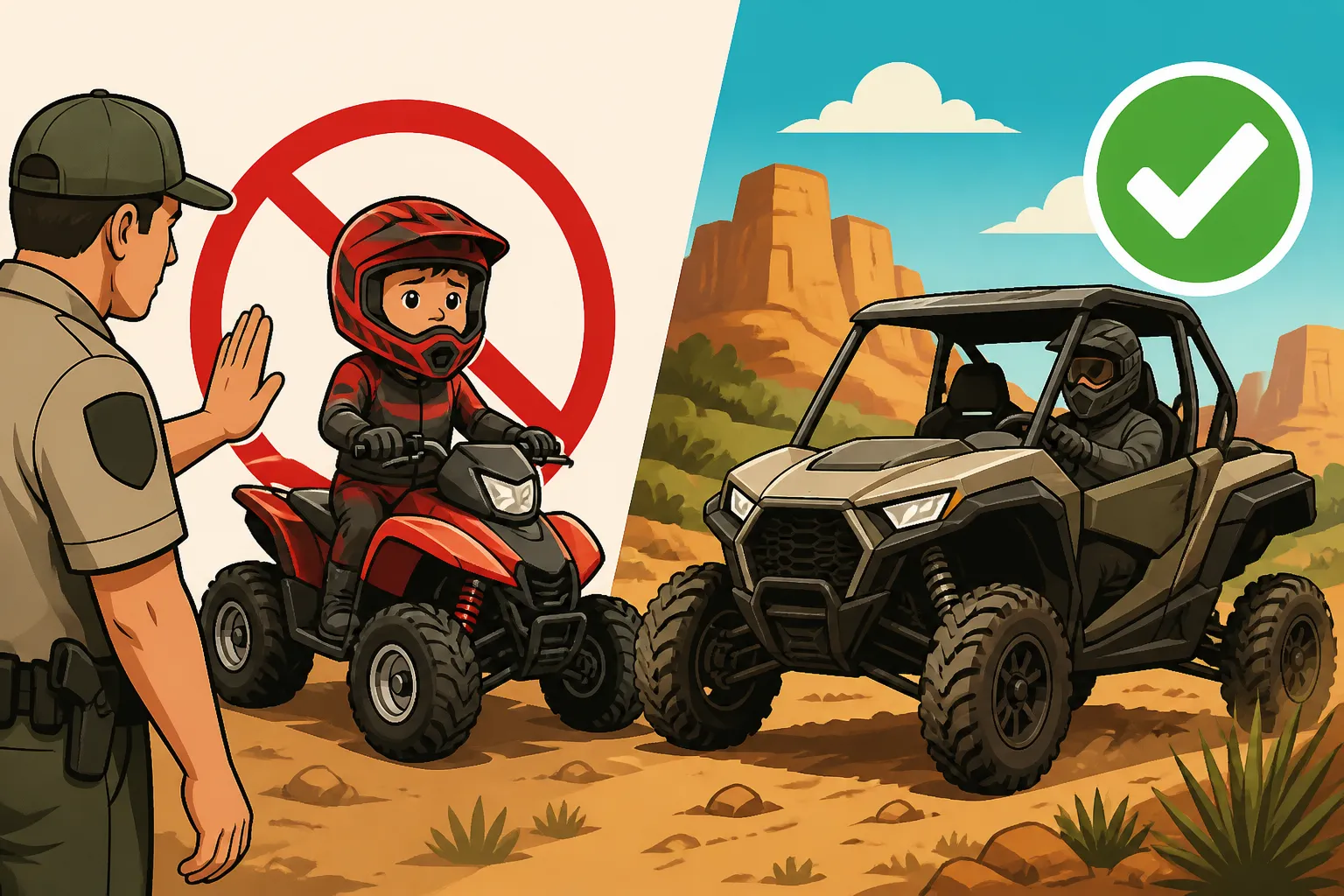
Let's cut right to it: New Mexico law is clear that no person under the age of six may operate an off-highway vehicle on public land. This isn't just a suggestion; it's a hard and fast rule. An ATV or UTV is a complex piece of machinery, requiring a certain level of physical strength, coordination, and judgment that simply hasn't developed in a five-year-old. Imagine trying to manage the throttle, brakes, steering, and terrain changes all at once – it's a lot for even an older child, let alone someone just starting kindergarten. The law recognizes this developmental stage and sets a boundary to ensure children are not put in situations they cannot handle. [New Mexico Minimum Age to Ride Public Land] outlines this requirement in detail, emphasizing the state's commitment to youth rider safety.
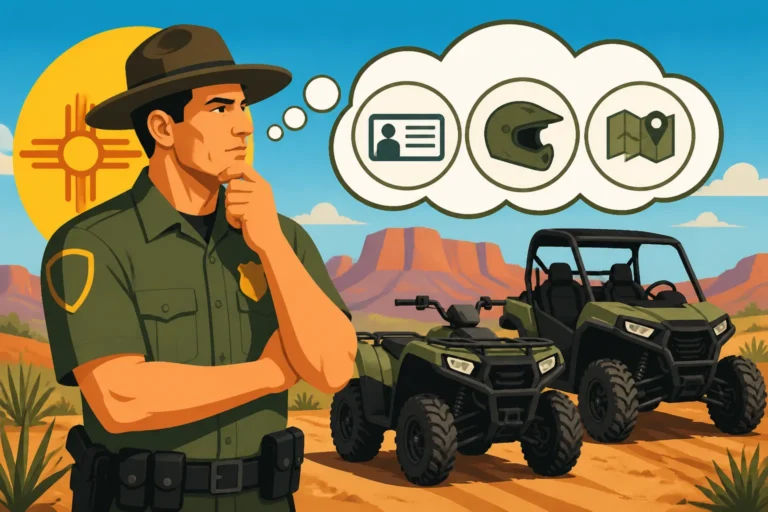
Beyond just the age minimum, New Mexico also requires specific safety training for those between the ages of six and eighteen who wish to operate an OHV on public land. This means that even once your child turns six, they can't just hop on and go; they'll need to complete an approved OHV safety course and carry the appropriate permit. This structured approach helps ensure that as children grow and become eligible to ride, they do so with a foundational understanding of safety practices and responsible operation. It's all part of building good habits from the start.
Why Young Children Cannot Be Passengers
Here's another point that often surprises parents: it's not just operating the OHV that's restricted for children under six; they cannot legally be passengers on public land either. This rule might seem overly cautious at first glance, especially if you have a UTV with what looks like safe, secure seating. However, the reasoning goes deeper than just strapping them in. A passenger, even in a UTV, needs to be able to actively participate in their own safety. This includes reaching and holding onto handholds, bracing themselves for bumps and turns, and following instructions from the operator. [New Mexico Passenger Rules for Young Riders] are quite specific on this.
A five-year-old typically lacks the physical size and strength to maintain a secure position during the dynamic movements of off-road riding. Imagine hitting a sudden dip or making a sharp turn; a small child could easily be jostled, even with seatbelts, leading to potential injury. The forces involved in off-road travel can be significant, and machines like ATVs and UTVs are not designed with the same passive safety systems as a passenger car. Therefore, until a child reaches the age of six, they are deemed too vulnerable to safely ride as a passenger on New Mexico's public trails, even if you, as an adult, are the one operating the machine.
The Rationale Behind Youth OHV Laws
Understanding the "why" behind these rules can help parents grasp the seriousness of the regulations. It’s not simply about arbitrary numbers; it’s rooted in child development and extensive research into accident prevention in the off-highway vehicle community. New Mexico, like many other states, has adopted these laws based on best practices for protecting its youngest residents.
Physical and Cognitive Development Factors
The development of a child's physical and cognitive abilities plays a huge role in their capacity to safely operate an OHV. A five-year-old is still developing crucial motor skills, depth perception, and reaction times. Their small stature means they may not be able to comfortably reach controls like handlebars, throttles, or brake levers, nor can they effectively shift their weight to control the machine. Furthermore, their cognitive development means they might struggle with complex decision-making in rapidly changing environments. They might not fully understand the consequences of speed, sudden obstacles, or uneven terrain.
For example, when an unexpected rock or rut appears, an experienced rider instinctively reacts by adjusting their balance, throttle, or braking. A five-year-old, however, might panic, freeze, or overcompensate, turning a minor bump into a dangerous situation. These are not criticisms of a child's intelligence, but rather a recognition of the natural stages of human development. Until these physical and mental faculties are more mature, putting a child in control of an OHV on unpredictable public land creates an unacceptable risk. That's why safety training is so vital for older children, building those skills and judgment systematically.
Safety Concerns and Accident Prevention
The primary driver for these strict age limits is accident prevention. OHVs, while incredibly fun, can be dangerous if not operated responsibly and by capable individuals. Children, especially those under six, are at a significantly higher risk of serious injury or fatality in OHV-related accidents due to their smaller size, lack of experience, and developing judgment. Accidents can happen quickly, even at low speeds or on seemingly easy terrain.
Consider the weight and power of even a youth-model ATV or UTV. While smaller, these machines still have considerable mass and engine power. A child's undeveloped skeletal system and smaller muscle mass make them more susceptible to fractures, head injuries, and internal trauma in a collision or rollover. The rules on carrying passengers, especially young ones, stem from the same concern. A child who cannot properly brace themselves is more likely to be ejected from the vehicle or suffer impact injuries within the vehicle's confines during an abrupt stop or turn. It's a sobering thought, but these laws are in place precisely to minimize these tragic outcomes and ensure that the joy of riding doesn't come at such a high cost. Investing in appropriate safety gear, even for private land use, is crucial. [Helmets and Eye Protection Under 18] are non-negotiable for any young rider. Brands like SuperATV offer robust safety accessories for older youth machines that can help mitigate risks when the time is right.
Safe and Legal Alternatives for Young Riders
While the news that your five-year-old can't ride on New Mexico's public lands might be disappointing, it certainly doesn't mean you can't introduce them to the world of OHV recreation. There are still plenty of ways to nurture their interest in a safe, legal, and age-appropriate manner, laying the groundwork for future adventures together.
Riding on Private Property
One of the most common and safest alternatives for young riders is to ride on private property with the owner's explicit permission. New Mexico's public land age restrictions generally do not apply to private land, giving you more flexibility. This offers a controlled environment where you can closely supervise your child without the added complexities of public trails, unknown terrain, or other riders. It's an ideal setting to teach them the basics of machine control, throttle discipline, and responsible riding habits, far away from any potential hazards or distractions. [New Mexico Rules for Riding Private Land] clarify that private land access is a matter between you and the landowner.
On private land, you can create a safe, designated riding area tailored to your child's skill level. Start with flat, open spaces, gradually introducing gentle turns and small obstacles as they gain confidence. It's also a great opportunity to reinforce the importance of safety gear from day one. Even on private property, helmets, eye protection, sturdy boots, and long sleeves are a must. Think of this as their training ground, a place where they can grow comfortable with the machine and develop fundamental skills before ever venturing onto public trails when they're older and legally eligible.
Preparing for Future Public Land Adventures
Even if your child can't ride on public land now, you can absolutely begin preparing them for future adventures. This preparation isn't just about teaching them to ride; it's about instilling a lifelong respect for the sport, the land, and safety. One crucial step is to understand and plan for the [New Mexico OHV Safety Permit Requirements] for when they do turn six. Enrolling them in an approved safety course is essential for developing proper riding techniques and trail etiquette. Many courses are designed specifically for young riders, making the learning process engaging and effective. [New Mexico Safety Permit for a Minor] is a great resource to learn more about this.
You can also involve your young child in other aspects of OHV recreation. Take them along in a street-legal vehicle to trailheads, let them help with machine maintenance (under strict supervision, of course), or introduce them to maps and navigation. You could even explore designated youth riding parks in other states that might have different age regulations, if travel allows. When they are ready, investing in age-appropriate machines and safety gear, perhaps from a trusted brand like SuperATV, will be key. They offer many youth-specific parts and accessories designed to enhance safety and control for younger riders, ensuring that when the time comes, your child is well-equipped and ready to hit the trails safely and legally.
Here's a quick look at New Mexico's rules for young OHV enthusiasts:
| Rider Category | New Mexico Public Land Rules | Why the Rule Exists |
|---|---|---|
| Operator Under 6 Years Old | Not permitted to operate any OHV on public land | Lacks physical and cognitive development for safe operation |
| Passenger Under 6 Years Old | Not permitted on any OHV on public land | Unable to actively participate in own safety, brace for impact |
| Operator 6-10 Years Old | Requires OHV Safety Permit and direct visual supervision | Needs basic motor skills, judgment, and instruction for safety |
| Passenger 6-18 Years Old | Must wear helmet, eye protection; operator must meet age/license requirements | Ensures protection; responsible adult supervision is crucial |
| Parent/Guardian | Held responsible for child's compliance with OHV laws | Legal and moral obligation to ensure child's safety and adherence to rules |
Remember, these rules are in place for the safety of everyone, especially the youngest riders. By understanding and respecting them, you're not just avoiding fines; you're ensuring a lifetime of safe and enjoyable off-highway adventures for your family in New Mexico.
Disclaimer
This article is for general informational purposes only and does not constitute professional advice. Laws, prices and regulations vary by location and change over time. Consult a qualified professional for guidance on your specific situation.