New Mexico Rules for a Rider Under 13
It's tough as a parent when you want to share your passion for off-highway vehicle (OHV) riding with your kids, but the rules feel like a tangled mess. You want to make sure your little ones are safe and, just as importantly, that you're not breaking any laws that could lead to fines or worse. This guide is here to clear up the confusion, specifically tackling the New Mexico rules governing riders under 13 years old, so you can make informed decisions for your family's adventures.
The Absolute No-Go Zone: Public Land for Riders Under 13 in New Mexico
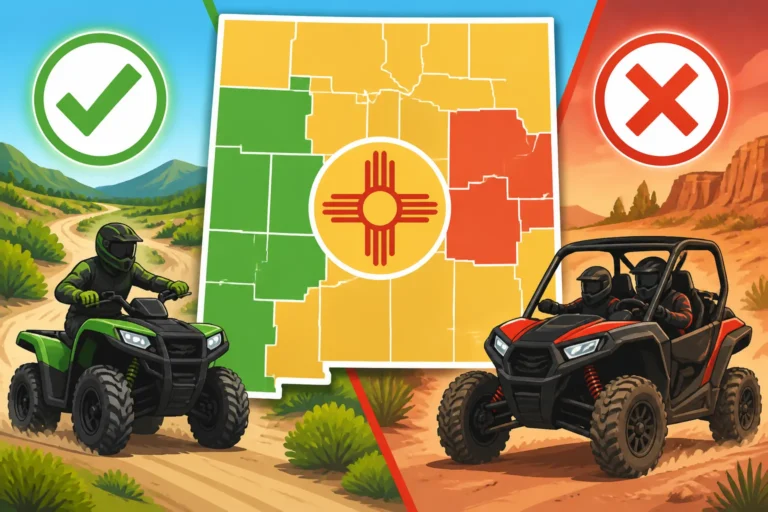
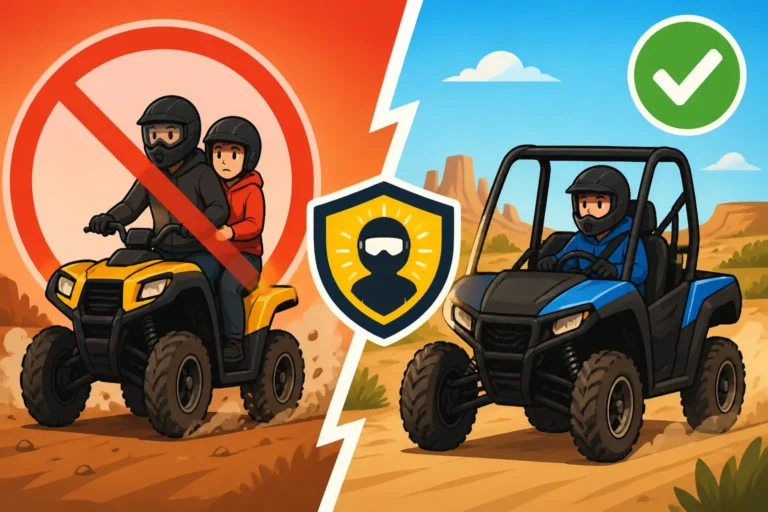
Let's get straight to the point because this is the most critical rule for parents of young OHV enthusiasts in New Mexico: if your child is under the age of 13, they are not legally allowed to operate an off-highway vehicle on any public land in the state. This isn't a suggestion or a guideline; it's a hard and fast rule designed to protect young riders. Many parents, eager to hit the trails, might mistakenly think that close supervision or a small machine makes it okay, but the law is very clear on this age restriction.
This rule often catches new residents or visitors by surprise, especially if they're used to different regulations in other states. The intent behind it is to ensure a baseline level of physical development, judgment, and awareness before children navigate the varied and sometimes challenging terrains found on public trails. Imagine the potential dangers of a child who hasn't fully developed their depth perception or reaction time trying to handle unexpected obstacles or changing trail conditions on a busy public trail system. The law aims to prevent these situations before they arise.
For families planning a trip to one of New Mexico's fantastic riding areas, like the famous [Red Sands OHV Area in Southern New Mexico] or the extensive trails at [Glade Run and Chokecherry Canyon at Farmington], this means any child under 13 must unfortunately sit out the riding or remain on private property. It’s a bitter pill to swallow for eager kids, but understanding and adhering to this rule is paramount for safety and legal compliance.
Defining "Public Land" in the Land of Enchantment
When New Mexico law talks about "public land," it's referring to any land that is owned or managed by federal, state, or local government agencies and is open for public use. This includes vast stretches of Bureau of Land Management (BLM) land, all of New Mexico's National Forests (like the Carson or Cibola National Forests), State Trust Land (unless you have a very specific recreational permit that overrides this particular age rule, which is rare for children under 13), and any county or city-managed trails or areas designated for OHV use. Essentially, if it's not explicitly private property, you should assume it falls under the "public land" designation.
The scope of public land in New Mexico is immense, offering diverse landscapes from high mountain forests to rolling desert dunes. This is where most OHV recreation happens, making the under-13 restriction particularly impactful. It's not always easy to tell where one type of land ends and another begins when you're out on the trails. Often, the boundaries are marked by fences, cattle guards, or subtle signage, but it's the rider's responsibility (and, by extension, the parent's) to know where they are riding and what rules apply. A quick phone check to the local BLM field office or Forest Service Ranger District can usually clarify land designations if you're unsure about a specific area.
It's crucial not to confuse public access with private ownership. Sometimes, a trail might cross private land with an easement for public use, or a land owner might give specific permission for a trail to pass through. However, if the destination or the main trail is on public land, the age restriction still applies. This distinction is vital for avoiding inadvertent violations. When in doubt, always err on the side of caution and assume that the public land rules are in effect. You can find more general information about this topic in [New Mexico Minimum Age to Ride Public Land].
Why the Hard Age Limit Exists
The decision to set the minimum riding age on public land at 13 wasn't arbitrary; it's rooted in a combination of safety statistics, child development research, and practical enforcement considerations. Younger children often lack the physical strength, coordination, and cognitive abilities required to safely control an OHV, especially a full-sized machine, over varied terrain. They might struggle with sudden braking, maintaining balance, or reacting appropriately to unexpected hazards like washouts, rocks, or other trail users.
Beyond the physical aspects, there's the developmental stage of decision-making. Children under 13 are still developing their risk assessment skills. They might be more prone to impulsive actions, underestimate dangers, or have difficulty processing multiple pieces of information quickly, such as monitoring speed, steering, throttle, and surroundings simultaneously. An OHV, even a smaller youth model, can be a powerful machine, and misjudgments can lead to serious accidents. The state prioritizes preventing these incidents by setting a clear age minimum.
This age limit also simplifies enforcement for agencies like the New Mexico State Police, Department of Game and Fish, and federal rangers. A bright-line rule is easier to communicate and apply than nuanced guidelines based on skill levels, machine size, or "maturity," which are subjective and difficult to assess in the field. While it might feel restrictive to some families, the aim is to create a safer environment for everyone on the trails and reduce the number of preventable accidents involving young riders.
Where Young Riders Can Legally Enjoy Their OHVs in New Mexico
So, if public land is off-limits, where can your adventurous under-13 rider legally kick up some dirt? The good news is that New Mexico law does not prohibit children under 13 from riding OHVs entirely. The key distinction lies in the type of land. Private property becomes the primary and almost exclusive venue for these younger riders to hone their skills and enjoy the thrill of off-roading.
Understanding this difference is crucial for parents who want to foster a love of riding in their children responsibly. It requires a bit more planning than simply heading to the nearest public trail, but it ensures compliance with state laws and, most importantly, prioritizes the safety and appropriate development of the young rider. This means looking for opportunities on family land, friends' property, or specifically designed private riding facilities.
Many experienced OHV families in New Mexico start their children's riding journey on private land precisely because of these regulations. It provides a controlled, often familiar environment where kids can learn at their own pace without the added complexities and regulations of public trail systems. It's where the foundations of safe riding practices are built, away from the potential distractions and hazards of shared public spaces.
The Freedom of Private Property
The most straightforward and legal way for a rider under 13 to operate an OHV in New Mexico is on private property, with the express permission of the landowner. This is where the training wheels come off (metaphorically speaking) and true learning begins. Whether it's your own backyard, a family ranch, or a friend's expansive land, private property offers a controlled environment for young riders to gain confidence and skills. On private land, the state's age restrictions for public land do not apply. You can learn more about this in [New Mexico Rules for Riding Private Land].
When riding on private property, while state age laws for public land don't apply, common sense and a strong focus on safety are still paramount. Landowners still have liability considerations, so ensuring safe operation is in everyone's best interest. Always make sure you have explicit permission from the property owner, and discuss any specific rules or areas to avoid on their land. It's also wise to have a basic understanding of your own liability insurance coverage when riding on someone else's property, even with permission.
This private land environment allows for tailored instruction and supervision. Parents can set up cones, establish small practice tracks, or guide their children through various terrains at a pace that matches their individual learning curve. It's the ideal setting for a child to master throttle control, steering, braking, and proper body positioning without the pressure of other riders or the enforcement of public land regulations. Consider it their personal training ground before they're ready for the big trails.
Seeking Out Supervised Private Riding Opportunities
While many families rely on their own or a friend's private land, there are occasionally private riding facilities or events in New Mexico that cater specifically to youth riders, sometimes with areas designated for younger children. These are typically purpose-built tracks or courses on private land, designed with safety and skill development in mind. They might offer structured lessons or supervised open ride times. However, these are less common for very young riders (under 13) compared to facilities for older teens or adults.
If you do find such a facility, always verify their specific age policies and safety requirements. A reputable private facility will have clear rules regarding machine size, safety gear, and adult supervision. They might even have a fleet of youth-sized machines available for rent, often from brands like Polaris or Kawasaki, which are designed for smaller riders. Just be aware that even if a place allows under-13 riders, they will still likely have strict safety protocols in place, often mirroring or exceeding what's expected on public land for older riders.
When considering private opportunities, remember that "supervised" is key. Even on private land, direct and constant visual supervision by a responsible adult is non-negotiable for young riders. This isn't just about legal compliance; it's about immediate intervention if a child gets into trouble, offering real-time coaching, and ensuring they develop good habits. For specialized safety accessories and protective gear for youth riders, many families explore options from reputable brands like SuperATV, which offers a range of durable products designed to enhance safety and rider protection.
Beyond the Law: Essential Safety Practices and Parental Responsibilities
While the legal framework in New Mexico sets clear boundaries for where and when a rider under 13 can operate an OHV, responsible parenting goes far beyond just adhering to the letter of the law. Safety should always be the absolute top priority. This means not only ensuring they're on appropriate private land but also equipping them with the right gear and providing constant, diligent supervision. These practices aren't just about avoiding a fine; they're about preventing injuries and fostering a lifelong love for the sport in a safe manner.
Even if you're riding on your own private ranch where no law enforcement officer will ever question your child's age, creating a culture of safety from day one is essential. This includes teaching them about the machine, the environment, and their own capabilities. It's about setting an example as a responsible rider and instilling good habits that will serve them well as they grow and eventually become eligible to ride on public lands.
Parents bear the ultimate responsibility for the safety of their young riders. This involves making sure the machine is appropriate for their size and skill level, regularly maintaining the OHV, and continuously educating the child about safe operation. It's a commitment that extends far beyond simply getting them on a machine; it's about nurturing competent, cautious, and respectful riders.
Non-Negotiable Safety Gear for Every Young Rider
Regardless of age or where they're riding, certain safety gear is absolutely non-negotiable for any child on an OHV. A properly fitted helmet is the most critical piece of equipment. It should be DOT-approved and snug, protecting the head without obstructing vision. Just as important is eye protection – goggles or a face shield that protects against dust, debris, and branches. These seemingly small details can prevent serious injuries and ensure a more comfortable ride. You can read more about what's required for older kids in [New Mexico Helmet Law for Riders Under 18] and [New Mexico Eye Protection Requirement].
Beyond the head and eyes, full-body protection is essential. This includes long-sleeved shirts and long pants (jeans or riding pants are ideal) to protect against scrapes, abrasions, and sun exposure. Over-the-ankle boots are crucial for ankle support and protection from hot engine parts or footpeg slippage. Finally, gloves protect hands from blisters, impacts, and provide a better grip on the handlebars. While the law might not mandate this specific gear for under-13s on private land, any responsible parent knows these items are a must.
For parents looking to equip their young riders, the market offers a wide array of youth-specific gear. Brands like SuperATV, while known for performance parts, also emphasize safety and offer components or accessories that complement protective gear, such as durable half windshields or side mirrors for increased visibility on youth models. Investing in good quality, properly fitting gear isn't an expense; it's an investment in your child's safety and confidence as they learn to ride.
The Critical Role of Direct Adult Supervision
For children under 13 riding OHVs on private property, direct visual supervision is not just recommended; it's absolutely critical. This doesn't mean just being "somewhere on the property" or glancing out the window occasionally. It means actively watching the child, being close enough to intervene immediately if needed, and providing continuous guidance and instruction. The supervisor should be an experienced adult rider who understands the capabilities of the machine and the potential hazards of the riding environment.
Direct supervision allows for real-time coaching. As a child encounters new terrain or tries a new maneuver, the supervising adult can offer immediate feedback, correct mistakes, and reinforce good habits. This hands-on guidance is invaluable for developing safe riding techniques and good judgment. It's also an opportunity to teach critical skills like looking ahead, managing speed for conditions, and respecting the machine's power.
Furthermore, in the event of a fall or a mechanical issue, immediate adult presence ensures a swift response, minimizing the risk of further injury or prolonged distress. It's about being prepared for the unexpected and having the capability to provide assistance without delay. Remember, even on private land, accidents can happen quickly, and a responsible adult's watchful eye is the best first line of defense. The quality of supervision can make all the difference in a young rider's safety and learning experience.
Navigating the Rules: Practical Advice for New Mexico Parents
Understanding the specific regulations for riders under 13 in New Mexico can feel overwhelming, but with a clear plan, you can ensure your family's OHV experiences are both fun and fully compliant. It’s about being proactive, staying informed, and prioritizing safety above all else. This section offers practical advice, from how to avoid legal pitfalls to planning enjoyable outings that include your youngest adventurers.
Remember, the goal is to introduce your children to the joys of off-roading in a structured and secure environment. By taking the time to understand New Mexico's specific age restrictions for public lands and focusing on safe, supervised riding on private property, you can set the stage for years of outdoor enjoyment. It’s about building a solid foundation of skills and responsibility that will prepare them for future adventures on public trails when they reach the legal age.
Ultimately, your role as a parent or guardian is to be the primary educator and enforcer of safety. This responsibility is ongoing, adapting as your child grows and their skills evolve. By approaching OHV riding with a clear understanding of the rules and a strong commitment to safety, you can create positive and memorable experiences for your entire family in the Land of Enchantment.
Avoiding Penalties: What Parents Need to Know
The most critical takeaway for parents in New Mexico is this: allowing a child under 13 to ride an OHV on public land is a violation of state law. While the child themselves might not be directly ticketed, the supervising adult or parent can face significant penalties. These can range from fines to other legal consequences, making it a very serious matter. Law enforcement officers, whether state police, game wardens, or forest rangers, are trained to identify and address these violations, particularly when they involve minors. For more on what happens if you break the rules, check out [New Mexico Fines for an OHV Violation] and [New Mexico Penalties for a Parent].
Ignorance of the law is never an excuse. If you are caught, explaining that you "didn't know" won't exempt you from the consequences. This is why thorough research and understanding of New Mexico's OHV laws, especially those concerning age limits, are so important before you ever head out. The state's OHV safety program is designed to protect riders, and these age restrictions are a cornerstone of that program.
To avoid any issues, always confirm the land designation before riding. If there’s any doubt, assume it’s public land and, therefore, off-limits for your under-13 rider. Stick to private property with explicit permission, where you can ride freely without fear of legal repercussions. It’s a small adjustment to your riding plans but saves a lot of potential headaches and ensures that your family's off-road adventures remain positive and compliant.
Planning for Safe and Legal Family Riding Adventures
Including younger children in your OHV lifestyle requires careful planning, especially given the under-13 restriction for public lands in New Mexico. Here’s a table summarizing the legal riding zones and best practices:
| Feature | Legal Riding Zone for Under 13s | Best Practices for All Riding |
|---|---|---|
| Type of Land | Private Property (with permission) | Private Property (Controlled) |
| Public Land Access | Absolutely Prohibited | Wait until age 13 or older |
| Supervision | Direct, Visual Adult Supervision | Constant & Active Supervision |
| Safety Gear | Highly Recommended | Mandatory (Helmet, Goggles, Boots, Long Clothing, Gloves) |
| Machine Sizing | Appropriate Youth Model | Right Size for Rider's Age/Height/Weight |
| Training & Instruction | Essential for Skill Development | Formal or Informal, Continuous |
| Registration/Permit | Not required on private land | Required for 13+ on public land |
When planning a trip, if you have a child under 13 who wants to ride, your primary option will be to find private land. This might mean riding at a friend's ranch or finding a private, designated riding facility that allows younger riders. Some OHV rental companies or tour operators may have private tracks, but generally, their age limits for riding usually start at 16, so it's always best to call ahead and verify their specific policies for young children.
For families with mixed-age riders (some under 13, some 13+), you'll need to split your activities. The older, legally eligible riders can enjoy the public trails at places like the [Red Sands OHV Area in Southern New Mexico], while the younger ones participate in riding activities exclusively on private land. This might involve setting up a private course near your campsite (if the campsite itself is on private land or specifically designated for such use, which is rare on public land) or finding a separate location. It takes more coordination, but it allows everyone to enjoy the sport safely and legally. For your older children, you can consult information about [New Mexico OHV Safety Permit Requirements] or even [New Mexico Rules for a Rider Aged 15] as they get closer to that age.
It's a journey, and with proper planning and adherence to New Mexico's specific rules, you can instill a deep appreciation for OHV riding in your children while keeping them safe and within legal boundaries.
Disclaimer
This article is for general informational purposes only and does not constitute professional advice. Laws, prices and regulations vary by location and change over time. Consult a qualified professional for guidance on your specific situation.