Rattlesnakes at a Staging Area
Rattlesnake safety rules for New Mexico OHV riders explain how to spot hazards, avoid bites, and respond calmly.
The map is not the permission.
National forest and BLM routes, state OHV parks, and club trails crossing private land — with the closures and passes that decide whether today counts.
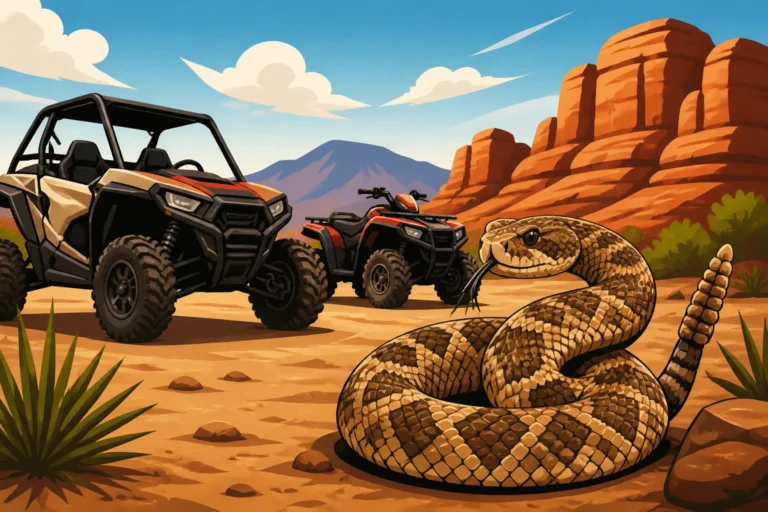
Rattlesnake safety rules for New Mexico OHV riders explain how to spot hazards, avoid bites, and respond calmly.
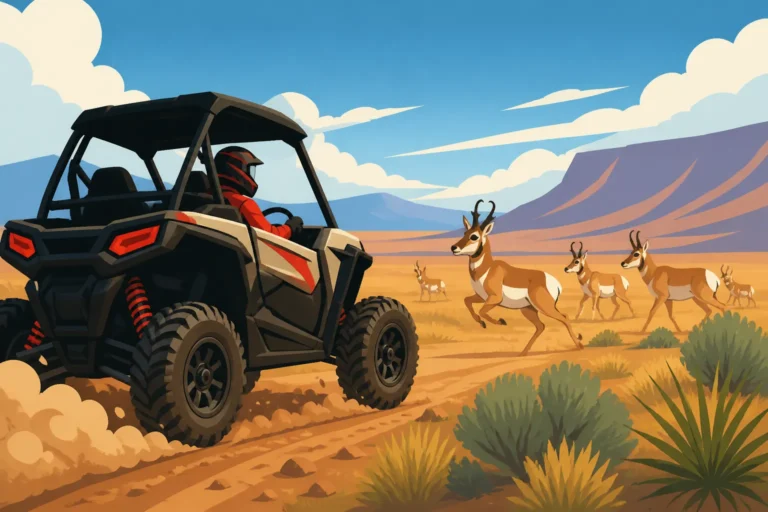
Responsible riding near New Mexico pronghorn herds explains how to slow down, give wildlife space, and check land access.
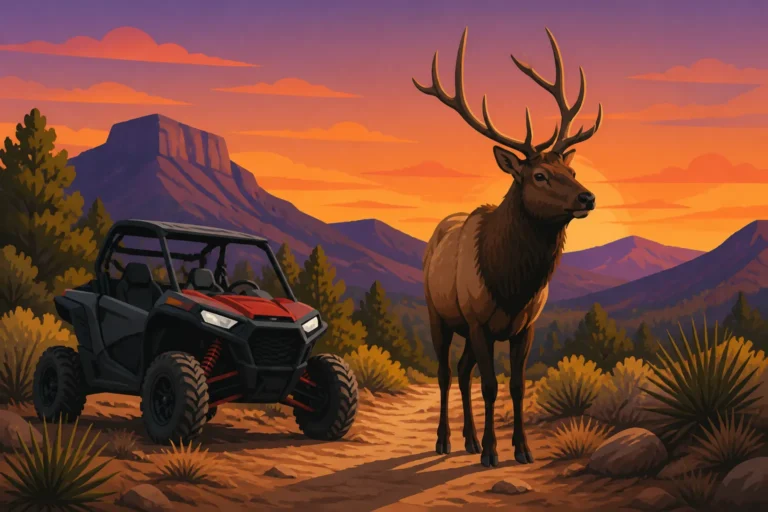
Elk encounters on New Mexico trails require riders to stop, wait quietly, and give animals safe space to move away.
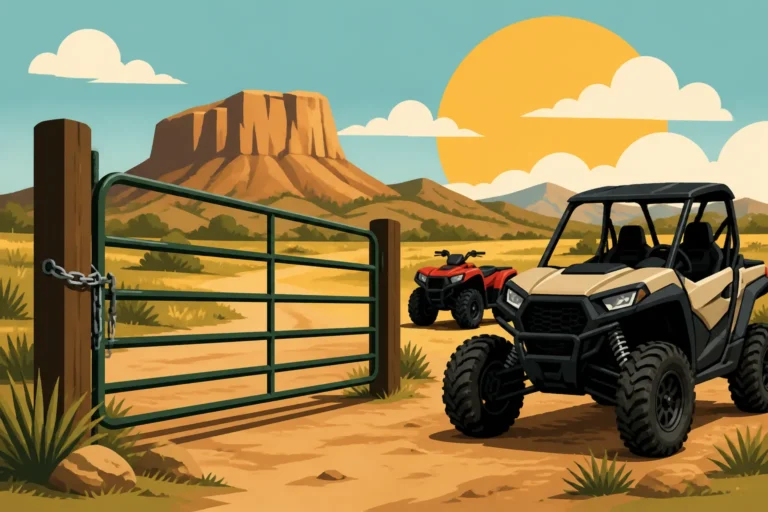
New Mexico trail gates on grazing allotments instruct ATV and UTV riders on how to manage cattle and private property boundaries.
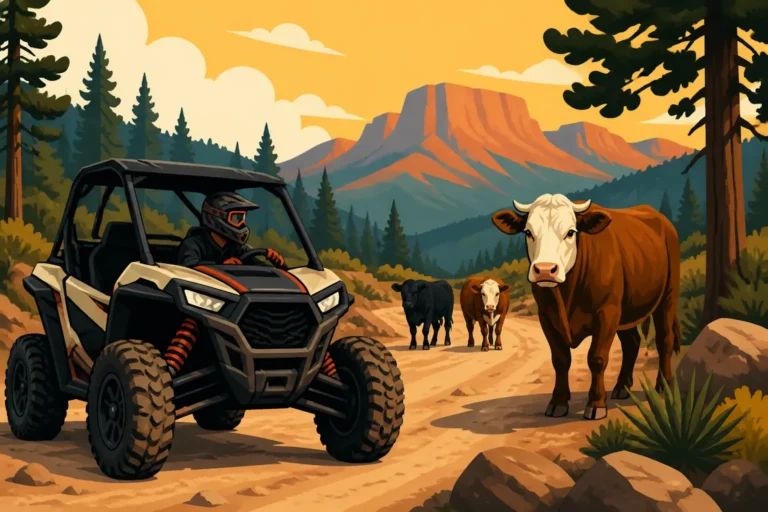
Safe riding practices help visitors pass cattle on New Mexico forest roads without causing a stampede or startling livestock.
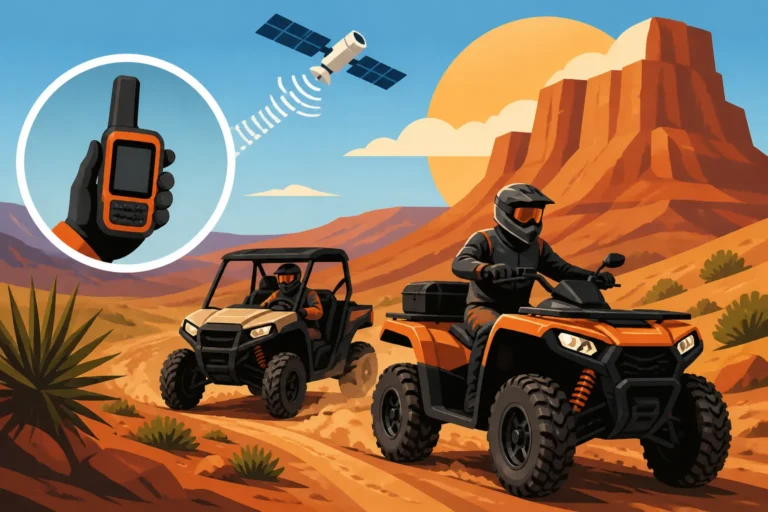
Satellite messengers for ATV and UTV trips in remote New Mexico areas provide emergency SOS alerts and reliable communication.
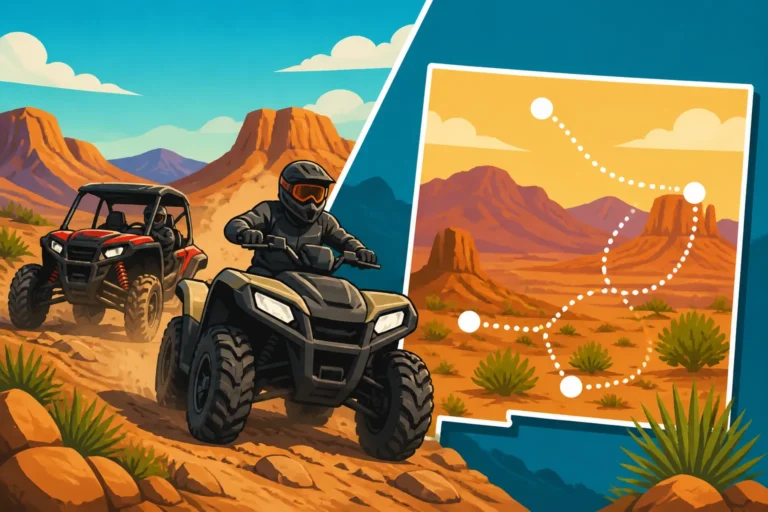
ATV and UTV breakdowns in remote New Mexico require route planning, recovery gear, and offline communication tools.
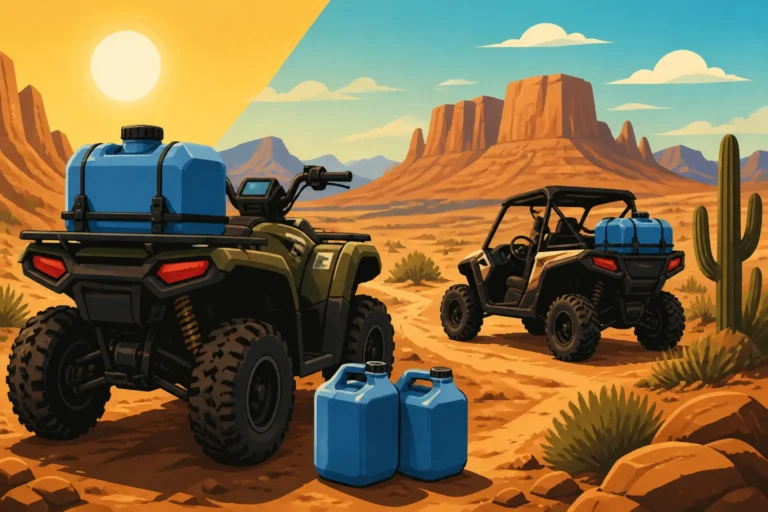
Desert ATV and UTV riders learn how to estimate, carry, protect, and use water for safe southern New Mexico trips.

New Mexico ATV and UTV riders learn how to manage dust clouds, choose safe vehicle spacing, and handle low visibility.
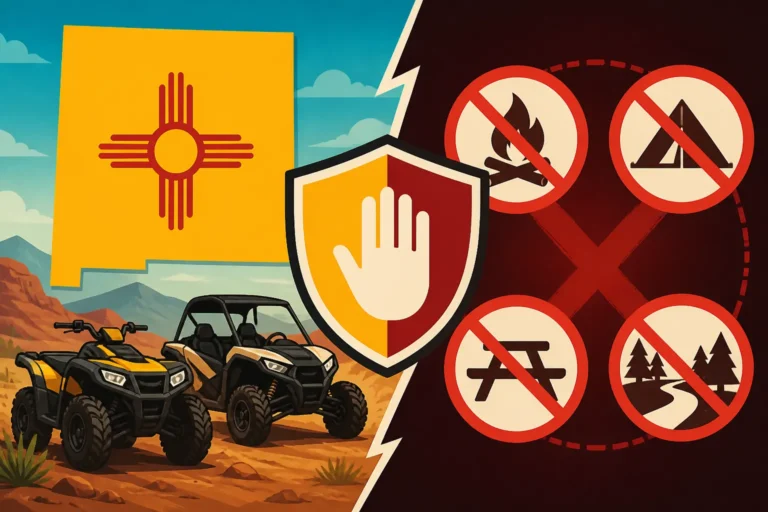
New Mexico Stage Two fire restrictions clarify which trails remain open and how land managers prohibit specific motorized activities.