Where the Pavement Ends and BLM Begins
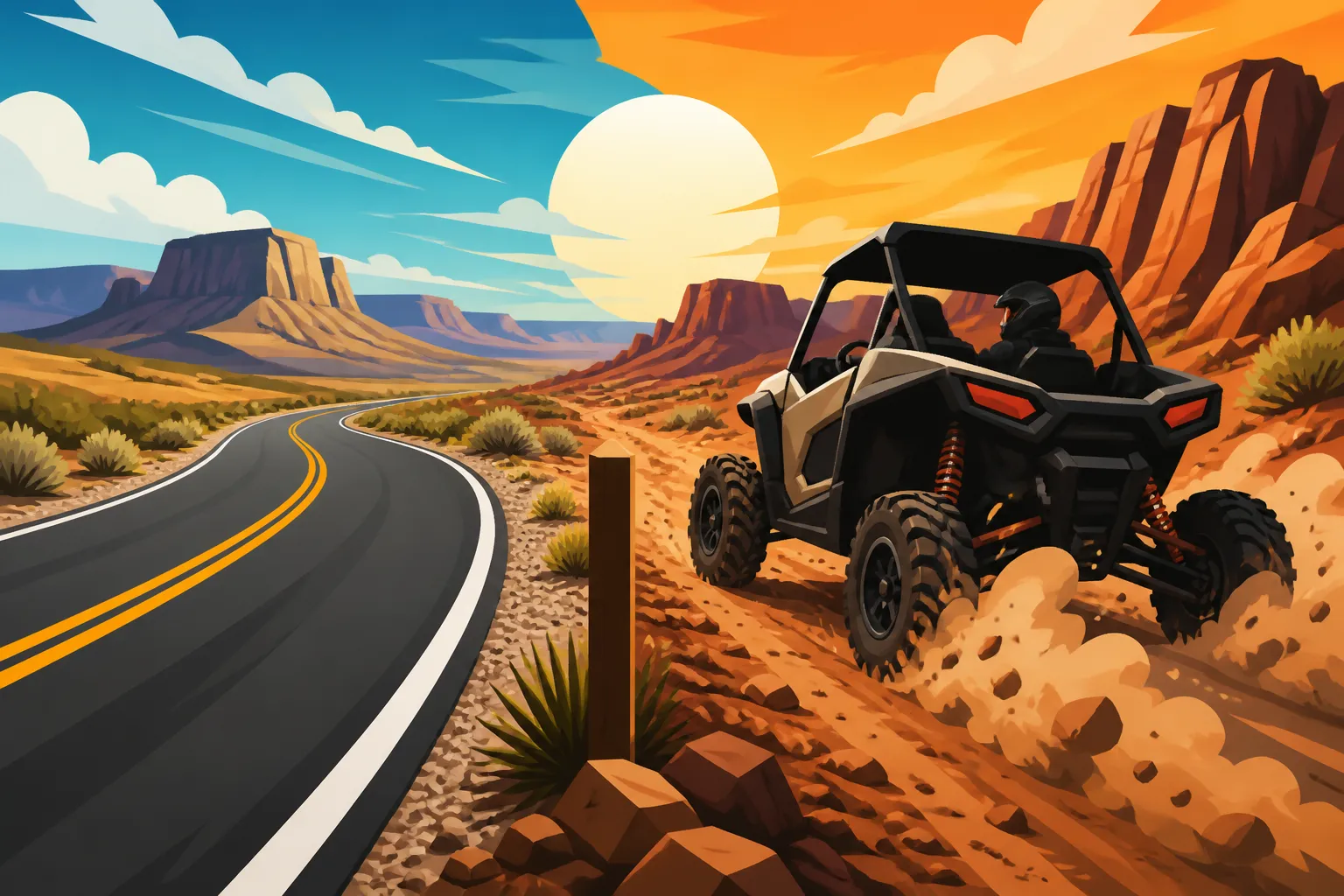
There's nothing quite like the thrill of hitting the trail in New Mexico, but navigating the transition from a paved county road to open Bureau of Land Management (BLM) land can often feel like deciphering a secret code. Many riders find themselves scratching their heads, wondering exactly where it becomes legal to leave the asphalt and kick up some dust. This guide aims to clear up that confusion, offering practical advice and insight into confidently and legally making the leap from pavement to prime off-highway vehicle (OHV) riding territory.
The Journey from Asphalt to Arroyos: Understanding New Mexico's Transition Zones
It's a common scenario: you're cruising down a quiet paved road in your UTV, trailer in tow, eager to reach that perfect desert trail. Suddenly, the asphalt ends, often with little fanfare, giving way to a dirt track that looks like it could lead to adventure. But how do you know if it's truly a legal transition point for your off-highway vehicle? New Mexico's diverse landscape means a patchwork of rules, and understanding these "transition zones" is key to enjoying your ride without an unexpected chat with a ranger.
Identifying the Legal Green Light for Off-Road Travel
One of the biggest frustrations riders face is the lack of consistent signage. You might be on a county road that's been designated open for OHV use, which is fantastic, but that doesn't mean every dirt track branching off it is fair game. Many counties in New Mexico have passed ordinances to open specific county roads to OHV traffic, allowing you to legally travel from town to a trailhead. It's crucial to check local ordinances for the area you plan to ride. What's allowed in Sierra County, for instance, might be different from Eddy County. A county road might be open, but a state highway, even a small, quiet one, is almost always off-limits for continuous OHV travel. Understanding [New Mexico Rules for Riding a County Road] is your first step.
You'll often look for signs indicating "Public Land" or specific BLM/Forest Service road numbers. Sometimes, it's a simple change from smooth asphalt to a well-maintained dirt or gravel road. However, just because it's dirt doesn't automatically mean it's open for your OHV. Private land boundaries can be subtle, marked only by faded signs or cattle guards, and riding illegally on private property can lead to serious trespass charges. Always assume it's private unless clearly marked as public land, and always look for definitive indicators that you're entering a designated OHV area or a road open to OHV use.
Visual Cues and Mapping Tools for the Transition Point
Beyond official signage, there are some visual cues that often signal the end of strictly paved road rules and the beginning of BLM territory. A cattle guard is a classic indicator that you're transitioning from private ranch land, often accessing public grazing allotments on BLM or Forest Service land. The road surface itself changes dramatically – from smooth asphalt to packed dirt, gravel, or even sand in some areas. You might also notice a decrease in traffic, wider open spaces, and fewer residences.
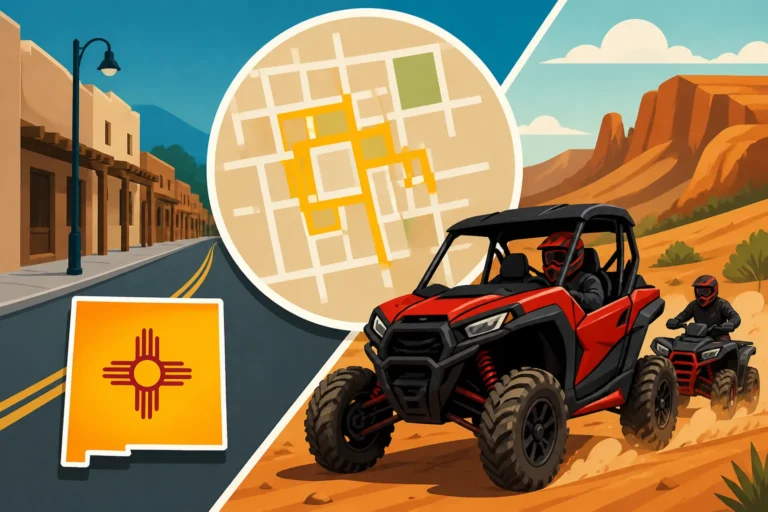
For pinpoint accuracy, especially in the vastness of New Mexico, relying solely on visual cues isn't enough. Modern GPS mapping applications, particularly those designed for off-road use, are invaluable. Apps like onX Offroad, Gaia GPS, or even Google Maps with satellite imagery can clearly delineate property boundaries, showing you exactly where BLM, National Forest, State Trust Land, or private parcels begin and end. These apps often overlay designated OHV trails and open roads, taking the guesswork out of your journey. Remember, while some areas allow for dispersed riding, many BLM and National Forest lands have travel management plans that designate specific routes. Knowing these beforehand can save you a lot of hassle and ensure you're riding legally. Having a physical map as a backup, especially for remote areas with no cell service, is always a smart move.
Navigating the Vastness: Recognizing and Respecting BLM Land
New Mexico is home to millions of acres of BLM-managed land, offering some of the most spectacular and diverse OHV riding experiences anywhere. From the wide-open spaces of the desert flats to rolling hills and rocky arroyos, BLM land is an incredible resource for riders. However, it's not a free-for-all, and understanding the nuances of these lands is crucial for both legal and ethical riding.
What Exactly is BLM Land and Why It Matters for OHV Riders
The Bureau of Land Management (BLM) operates under a "multiple-use" mandate, meaning its lands are managed for a variety of uses, including recreation, grazing, timber harvesting, and mineral development. For OHV riders, this often translates into vast expanses of open land with designated roads and trails. Unlike National Parks (which often restrict OHVs) or State Parks (many of which ban them, as detailed in [Why New Mexico State Parks Ban OHVs]), BLM land generally welcomes OHV enthusiasts.
However, "multiple-use" doesn't mean "anything goes." BLM districts implement travel management plans that designate specific routes as open, closed, or limited. It's your responsibility as a rider to know and adhere to these plans. Riding off-route or creating new trails is a serious violation and can lead to hefty fines and environmental damage. These rules are in place to protect sensitive ecosystems, prevent erosion, and minimize conflicts with other land users. Always assume that if a trail isn't clearly marked as open, it might be closed. Familiarize yourself with [New Mexico Rules for Riding a Designated Route] and equally important, [New Mexico Rules for Riding Off a Route]. The beauty of New Mexico's BLM lands is immense, and preserving it for future generations of riders is a shared responsibility.
Essential Gear and Preparedness for BLM Exploration
Venturing onto BLM land, especially in remote areas, requires more than just a full tank of gas. The distances can be vast, the terrain challenging, and help can be hours away. Equipping yourself and your machine for the unexpected is not just smart, it's essential. Beyond your standard helmet and eye protection (and any other personal protective equipment), consider what your machine might need to tackle the varied landscapes.
For instance, reliable tires are paramount. If you're going from a paved approach to rocky, thorny desert trails, you'll want something robust. Many riders opt for aftermarket wheels and tires that can handle punctures and provide superior traction. Companies like SuperATV offer a range of specialized tires, from all-terrain to mud-specific, that can significantly enhance your machine's capability and durability in rough conditions.
Beyond tires, a comprehensive toolkit, tire repair kit, and portable air compressor are non-negotiables. Carry plenty of water—more than you think you'll need—and snacks. A first-aid kit, fire extinguisher, and a reliable navigation device (like a GPS with downloaded maps) are also critical. Cell service is spotty at best in much of New Mexico's backcountry, so a satellite messenger or personal locator beacon (PLB) can literally be a lifesaver for emergency communication. Having robust components, like heavy-duty axles or a strong winch, perhaps from a reputable brand like SuperATV, can provide peace of mind knowing your machine is built to handle the demands of remote exploration.
| Item Type | Paved Road Transition | BLM Trail Riding | Why It's Important |
|---|---|---|---|
| Registration/Decal | Required | Required | Legal compliance in NM for all public land riding. See [New Mexico's Green On and Off-Highway Decal]. |
| Insurance | Required (if paved) | Recommended | Essential for paved road use. Good practice for any off-road incident. |
| Mapping | GPS/Phone | GPS with Off-Road Maps | Essential for legal navigation, identifying boundaries, and preventing trespass. |
| Tires | General Purpose | Off-Road Specific | Enhanced traction and puncture resistance for varied terrain. |
| Tool Kit | Basic | Comprehensive | Ability to perform minor repairs far from civilization. |
| Water | Adequate | Abundant | Dehydration is a serious risk in New Mexico's climate. |
| Communication | Cell Phone | Satellite Messenger | Cell service is often nonexistent in remote BLM areas. |
| Recovery Gear | Not always | Winch, Straps | Getting stuck is common; self-recovery or assisting others is crucial. Strong components from SuperATV can help. |
| Spark Arrester | N/A | Required | Prevents wildfires on public lands. See [New Mexico Spark Arrester Requirement]. |
Your Machine's Readiness: Legalities and Equipment for Diverse Terrain
Before you even think about leaving the asphalt for the dirt, you need to be absolutely sure your OHV is ready for the transition, both legally and mechanically. An unregistered machine or one that's not properly equipped can quickly turn a fun day into a costly one, or worse, a dangerous situation.
Ensuring Your OHV is Legally Compliant for Both Pavement and Dirt
In New Mexico, all OHVs (ATVs, UTVs, dirt bikes, etc.) operated on public land, including BLM, must be registered with the Motor Vehicle Division (MVD). This means having a current registration and displaying the appropriate decals. For most riders who plan to access trails via county roads, you'll need the green "On-Highway" decal, which signifies your machine meets specific equipment requirements for limited paved road use. This allows you to legally travel on designated county roads to reach your off-road destination. Without it, you're restricted to trailering your machine everywhere. Make sure you understand [New Mexico OHV Registration Paperwork] and have your [New Mexico OHV Decal Placement Rules] down pat.
While registration is universal, specific requirements for paved road access include proper lighting (headlights, taillights, brake lights), mirrors, and a working horn. And yes, you absolutely need proof of insurance if you're riding on any paved public road, even if it's just to get to the dirt. Riders often face fines for an unregistered machine or improper decals, so it's vital to stay compliant. Don't let a simple oversight like forgetting your [New Mexico Nonresident OHV Permit] if you're visiting, or failing to renew your registration, lead to [New Mexico Fines for an Unregistered OHV].
Equipping Your Ride for the Rugged Reality of BLM Trails
Beyond the legal requirements, getting your machine trail-ready for New Mexico's diverse BLM terrain means thinking about protection and performance. The desert can be unforgiving with its sharp rocks, deep ruts, and unpredictable washes.
Many stock OHVs come with basic protection, but for serious trail riding, especially if you're venturing into remote areas, upgrades are highly recommended. Skid plates, for instance, are crucial for protecting your underside components like your engine, transmission, and differential from rocks and debris. A-arm guards protect your suspension, while rock sliders can shield your rocker panels from impacts. You'll find companies like SuperATV offer a wide array of heavy-duty protection components specifically designed to withstand the abuse of rugged off-road trails, keeping your machine safe and preventing costly damage.
Additionally, consider a winch. Getting stuck is a rite of passage for many off-roaders, but being prepared to self-recover can prevent you from being stranded for hours. Strong, reliable recovery points, a good tow strap, and a powerful winch are invaluable. Upgraded suspension components, like new shocks or A-arms, can also make a world of difference in ride comfort and capability over varied terrain, reducing rider fatigue and enhancing control. Preparing your machine properly means you can focus on the adventure, not on worrying about breaking down.
Staying Safe and Responsible on New Mexico's Diverse Landscape
New Mexico's open spaces are a privilege to enjoy, and with that privilege comes the responsibility to ride safely, respect the environment, and be considerate of other land users. The vastness of BLM land means you might be sharing trails with hikers, mountain bikers, horseback riders, or even cattle.
Environmental Stewardship and Minimizing Your Impact
The "Tread Lightly!" principles are your golden rule here: travel and recreate with minimum impact, respect the environment and the rights of others, educate yourself and others, avoid sensitive areas, and do your part. This means staying on designated trails, avoiding riding through sensitive riparian areas, and absolutely never creating new routes. When the pavement ends and you enter a BLM area, remember that the land is a delicate ecosystem.
Always pack out everything you pack in, including trash, broken parts, and even food scraps. Human impact, even seemingly small actions, can accumulate and degrade these precious natural areas. Be mindful of dust, especially when passing others, and yield to non-motorized users. By following these simple guidelines, you'll help ensure that these incredible lands remain open and accessible for future generations of OHV enthusiasts.
Emergency Preparedness and Communication in Remote Areas
Riding in New Mexico's remote BLM lands is an incredible experience, but it requires a serious approach to safety and emergency preparedness. As mentioned before, cell service is often nonexistent once you leave the main arteries. This makes satellite communication devices, like satellite messengers (Garmin InReach, Zoleo, Spot), absolutely essential. These devices allow you to send and receive text messages, share your location, and most importantly, send an SOS signal to emergency services, even when you're far from any cell tower.
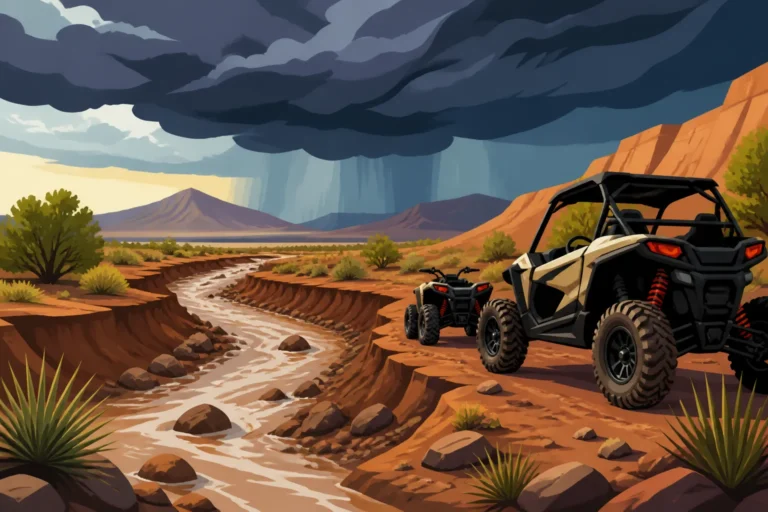
Always carry a well-stocked first-aid kit and know how to use its contents. Understand the signs of heatstroke and dehydration, which are real dangers in New Mexico's high desert environment, even at higher elevations. Carry extra fuel, as distances between gas stations can be significant. Inform someone of your route and expected return time, especially if you're riding solo. New Mexico's weather can also change rapidly, bringing unexpected thunderstorms, flash floods in arroyos, or sudden drops in temperature. Being aware of current weather conditions and having appropriate gear (rain jacket, extra layers) can make a huge difference in your safety and comfort. Don't underestimate the challenge of getting [Recovered From a Shelf Road] if you find yourself in trouble without the right preparation.
Disclaimer
This article is for general informational purposes only and does not constitute professional advice. Laws, prices and regulations vary by location and change over time. Consult a qualified professional for guidance on your specific situation.