New Mexico Rules for Riding a BLM Road
Navigating the vast and beautiful landscapes of New Mexico on your ATV or UTV is one of life’s great pleasures, but it can also be a source of confusion when it comes to knowing exactly where you’re allowed to ride. Many riders are drawn to the wide-open spaces managed by the Bureau of Land Management (BLM), only to feel uncertain about the specific rules that apply. This guide is here to unravel those complexities, helping you understand the regulations for riding your off-highway vehicle (OHV) on BLM roads in New Mexico so you can enjoy your adventures without a hitch.
Understanding BLM Land and Travel Management in New Mexico
Before we dive into the nitty-gritty of riding rules, let’s clear up what BLM land actually is and why it's managed the way it is. The Bureau of Land Management oversees a massive amount of public land across the United States, including millions of acres right here in New Mexico. This land is managed for multiple uses, which means it’s open for everything from grazing and mineral extraction to recreation like hiking, camping, hunting, and, of course, OHV riding. The challenge, and often the frustration for riders, is balancing these diverse uses while protecting natural resources.
The key to understanding where you can ride on BLM land lies in something called "Travel Management Plans." You see, the BLM doesn't just open up all its land to all vehicles. Instead, they undertake a planning process that designates specific roads and trails for specific types of use. This is where things can get a little tricky because not all BLM lands are managed the same way, and the rules can vary from one area to another. It's not a one-size-fits-all situation, and that's why doing your homework before you head out is absolutely essential. Many riders assume "public land" means "open to anything," but that's a misunderstanding that can lead to fines or worse. You need to know if you're on a designated route.
General Principles for Riding on BLM Roads
When you're out on BLM land in New Mexico, there are some overarching principles that guide OHV use, regardless of the specific area. These are the bedrock rules designed to protect the environment, ensure public safety, and allow for multiple uses of the land. It’s not just about what kind of machine you have, but how and where you operate it.
First and foremost, the golden rule on most BLM land is "Stay on Designated Routes." This cannot be stressed enough. Unlike some private lands or older, less-managed areas, the vast majority of BLM lands in New Mexico operate under a designated route system. This means you are generally restricted to roads and trails that are specifically marked as open for OHV use. This rule is in place to prevent resource damage, protect wildlife habitats, and reduce user conflicts. Riding off-route, creating new trails, or cutting across open country where not permitted is a surefire way to damage delicate ecosystems and earn yourself a hefty penalty. The frustration often comes when an exciting-looking side trail appears, but if it's not marked, it's best to assume it's off-limits.
Another critical principle is environmental stewardship, often summarized as "Leave No Trace." This means packing out everything you pack in, staying on established routes to prevent erosion, avoiding sensitive areas like wetlands or archaeological sites, and respecting wildlife. New Mexico’s desert and mountain environments are fragile, and OHVs, while incredibly fun, can leave a lasting impact if not operated responsibly. This applies to things like [New Mexico Spark Arrester Requirement] and [New Mexico Sound Limit for ATVs] – rules designed to minimize environmental disturbance. Even bringing out a new exhaust system from a company like SuperATV needs to consider these regulations.
Finally, safety and respect for other users are paramount. BLM lands are shared by many different groups—hikers, mountain bikers, equestrians, hunters, and campers. Your actions on your OHV can directly impact their experience and safety. Always operate your machine safely, control your speed, and yield to non-motorized users. It's about being a good neighbor on the trail, even if you’re only passing through.
Specific Regulations for OHV Use on BLM Roads
Now, let's get into the specifics of what makes riding on BLM roads in New Mexico unique. The "Stay on Designated Routes" rule is further broken down by how the BLM classifies these routes, and understanding these classifications is vital.
BLM lands often have three primary classifications for OHV use:
- Open Areas: These are areas where OHVs are allowed anywhere within the designated boundaries, off existing roads and trails. These are relatively rare in New Mexico and are usually confined to specific recreation areas, often dune fields. If you find an open area, make sure you understand its exact boundaries.
- Limited Areas: This is the most common designation. In limited areas, OHV use is restricted to designated roads and trails. This is where your travel management map becomes your best friend. Routes are usually signed or mapped as open, and venturing off them is prohibited. This can be frustrating for riders who prefer to explore, but it's crucial for resource protection. This directly relates to [New Mexico Rules for Riding a Designated Route].
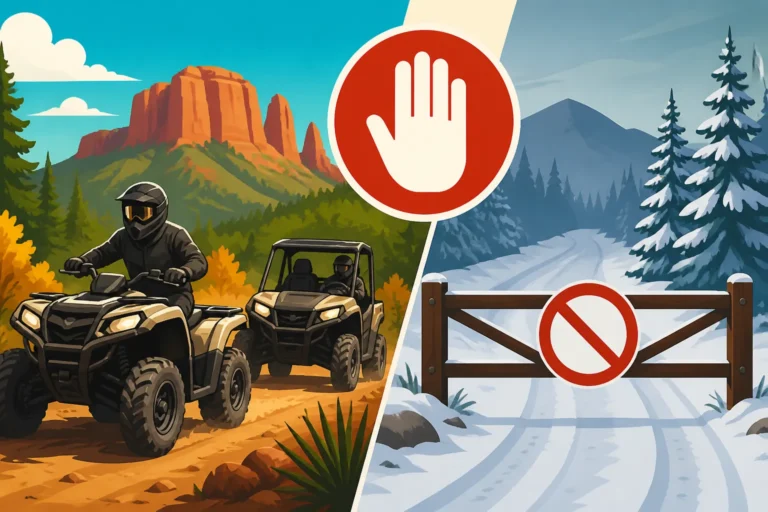
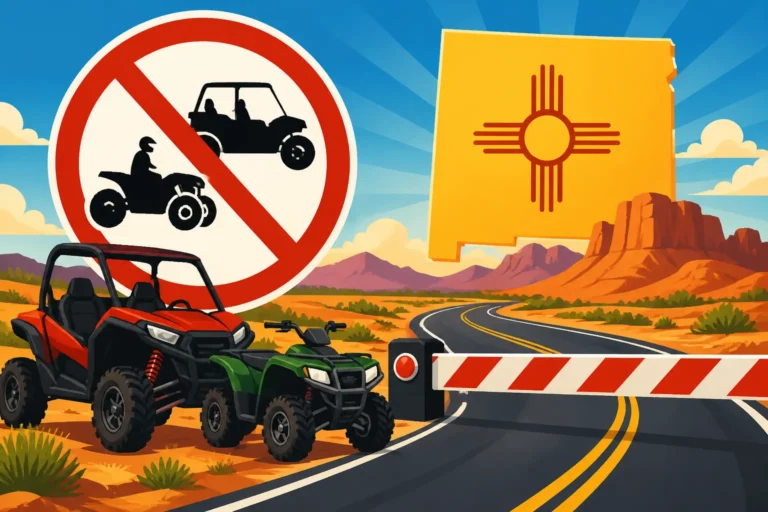
- Closed Areas: These are areas where OHV use is entirely prohibited. This could be due to sensitive wildlife habitats, wilderness designations, cultural resources, or other conservation efforts. Respecting these closures is not just good practice, it's the law.
To know which rules apply, you absolutely need to consult current BLM travel management maps for the specific area you plan to visit. These maps are the definitive source for designated routes and can usually be found on the local BLM field office website or picked up in person. Don't rely on old maps or general assumptions. Land managers periodically update these, and what was open last year might be closed this year.
Beyond route designation, your machine itself must meet certain New Mexico requirements when riding on public lands, including BLM roads:
- Registration: All OHVs used on public land in New Mexico must be registered with the New Mexico Motor Vehicle Division (MVD), unless you are a nonresident from a state with an OHV registration program that New Mexico recognizes, or you possess a valid [New Mexico's Nonresident OHV Permit]. This is a fundamental requirement, and officers routinely check for it. For residents, you'll need to know about [Registering an OHV in New Mexico].
- Safety Permit for Minors: If you have riders under 18 years old, they generally need to have completed an OHV safety course and carry a safety permit. This ensures they understand safe operation before hitting the trails. This is a critical safety measure, and you can find more information under [New Mexico OHV Safety Permit Requirements].
- Spark Arresters: Your machine must be equipped with a U.S. Forest Service-approved spark arrester. This is a non-negotiable requirement for preventing wildfires, especially in dry New Mexico conditions. Even if you're upgrading your exhaust with parts from SuperATV, make sure it's compliant.
- Mufflers: Your OHV must have an effective muffler system that limits noise. New Mexico has a maximum sound limit for OHVs (96 decibels). Excessive noise can disturb wildlife and other users.
- Headlights and Taillights: If you plan to ride after dark or in conditions of reduced visibility, your OHV must have working headlights and taillights.
- Fire Restrictions: Be acutely aware of fire restrictions in effect, particularly during dry seasons. These can prohibit campfires, smoking, and sometimes even OHV use in certain areas if conditions are extreme. [New Mexico Fire Restrictions That Close Trails] can dramatically impact your ride plans.
Navigating Designated Routes and the "Why" Behind Them
It can feel restrictive to stick solely to designated routes, especially when the landscape looks so inviting off-trail. However, understanding the why behind these rules can help. Designated routes are often established to:
- Protect sensitive resources: This includes fragile soils, rare plant communities, historical or archaeological sites, and critical wildlife habitats. What might look like a barren patch of desert could be home to endangered species or ancient cultural artifacts.
- Prevent erosion: Off-trail riding can quickly lead to erosion, especially in steep or sandy terrain, degrading the land for future use and causing sediment to wash into waterways.
- Minimize user conflicts: By channeling OHV use to specific routes, it reduces the likelihood of encounters with hikers, equestrians, or other groups who might prefer quiet, non-motorized experiences.
- Allow for rehabilitation: When areas are limited or closed, it often provides an opportunity for the land to heal from past disturbance or to allow for natural regeneration.
So, when you see a sign that says "Designated Route Only," it's not arbitrary. It's part of a carefully considered plan to manage public land for the benefit of everyone, including future generations of riders.
Permits, Safety, and Equipment on BLM Roads
Riding responsibly on BLM roads in New Mexico isn't just about knowing where to go; it's also about being properly equipped and understanding any necessary permits.
New Mexico OHV Registration and Permits
As mentioned, New Mexico OHV registration is mandatory for all resident OHVs on public land. This biennial registration helps fund trail maintenance and enforcement efforts, benefiting the riding community directly. Make sure your registration decal is properly displayed on your machine; [New Mexico OHV Decal Placement Rules] vary slightly by vehicle type, but it must be visible.
For non-residents, New Mexico offers reciprocity with states that have their own OHV registration programs. This means if your OHV is legally registered in your home state, and that state has a reciprocal agreement with New Mexico, you generally don't need a New Mexico registration. However, if your home state does not have an OHV registration program, or if it's one of the few that don't have reciprocity with New Mexico, then you will need to purchase a New Mexico Nonresident OHV Permit. This ensures that all machines using New Mexico public lands contribute to their upkeep. The permit options are generally a two-year permit or a ninety-day permit, depending on your needs. For visitors, understanding [Do Visitors Need a New Mexico OHV Permit?] is crucial before traveling.
Beyond vehicle registration, safety permits are a big deal for younger riders. New Mexico law requires all OHV operators under the age of 18 to possess an OHV safety permit. This permit signifies that the rider has completed an approved safety course, promoting responsible riding habits from a young age. Adults are encouraged to take a safety course but are not required to have a permit.
Essential Gear and Safety Practices
Being prepared is a huge part of enjoying your ride on BLM roads. A breakdown far from civilization can turn a fun outing into a dangerous situation.
Here's a checklist of essential gear and safety practices:
- Helmet and Eye Protection: While New Mexico only legally mandates helmets for riders under 18 and eye protection for anyone on pavement, wearing a helmet and eye protection at all times on an OHV, especially off-road, is a smart and non-negotiable safety practice. The terrain can be unpredictable, and a helmet could save your life.
- First-Aid Kit: A well-stocked first-aid kit is critical for treating minor injuries and stabilizing more serious ones until help arrives.
- Tools and Repair Kit: Basic tools, a tire repair kit, and a small air pump can fix many common mechanical issues on the trail, preventing you from being stranded.
- Water and Snacks: Especially in New Mexico's arid environment, staying hydrated is paramount. Carry more water than you think you’ll need. [New Mexico Rules for Carrying Fuel] also apply to carrying adequate water.
- Navigation: Don't rely solely on your phone. Carry physical maps of the BLM area you're riding in (specifically the travel management maps) and a GPS device. Cell service is often nonexistent in remote areas.
- Communication Device: A satellite messenger or two-way radio can be a lifesaver for communicating with others or calling for help when there's no cell service.
- Appropriate Clothing: Dress for the weather and terrain. Long pants, long-sleeved shirts, gloves, and sturdy boots offer protection from scrapes, sun, and changing temperatures.
- Fire Extinguisher: A small, easily accessible fire extinguisher is a wise investment, especially in dry conditions.
- Trash Bag: Remember "Leave No Trace." Carry a bag to pack out all your trash, and maybe even a little extra if you find someone else's litter.
Respecting Land Designations and Environmental Sensitivity
When riding on BLM land, you might encounter signs for specific environmental protections or cultural sites. For example, if you're riding near an arroyo after a rainstorm, be aware that flash floods can occur quickly. Similarly, you may be riding through areas where [New Mexico Rules for Riding Near Livestock] are important to observe. Always slow down around sensitive areas, historical sites, or wildlife. The vastness of New Mexico’s BLM lands offers incredible riding opportunities, but with that freedom comes the responsibility to protect these precious resources for all. Checking for [New Mexico Trail Closures to Check First] is a habit every responsible rider should develop.
It's a lot to take in, I know. The rules can feel like a maze sometimes. But the bottom line is that a little preparation goes a long way in ensuring your ride on New Mexico's stunning BLM roads is both thrilling and fully compliant with the regulations.
| BLM Road Designation | OHV Use Rule | Typical Signage / Indication | Example Scenarios |
|---|---|---|---|
| Open Areas | OHVs allowed off-road anywhere. | Specific boundary signs for "Open OHV Use." | Designated dune fields like Mescalero Sands. |
| Limited Areas | OHVs restricted to designated roads/trails. | "Designated Route Only," numbered routes, mapped routes. | Most BLM roads, e.g., Glade Run, Carson National Forest adjacent BLM. |
| Closed Areas | OHV use entirely prohibited. | "Area Closed," "No Motorized Vehicles," wilderness boundary. | Sensitive wildlife habitats, wilderness areas. |
Disclaimer
This article is for general informational purposes only and does not constitute professional advice. Laws, prices and regulations vary by location and change over time. Consult a qualified professional for guidance on your specific situation.