Where the Agency Spends the Fee
It's a really common question, one that every Off-Highway Vehicle (OHV) owner in New Mexico probably asks themselves at some point: "I just paid my registration fee, but where exactly does that money go?" You're shelling out your hard-earned cash, and it's completely fair to wonder how those dollars are put to use. This guide will pull back the curtain and show you precisely how New Mexico utilizes those OHV registration fees to benefit riders, maintain our incredible landscapes, and keep the sport thriving across the Land of Enchantment.
Understanding the Flow of Funds: General vs. Dedicated
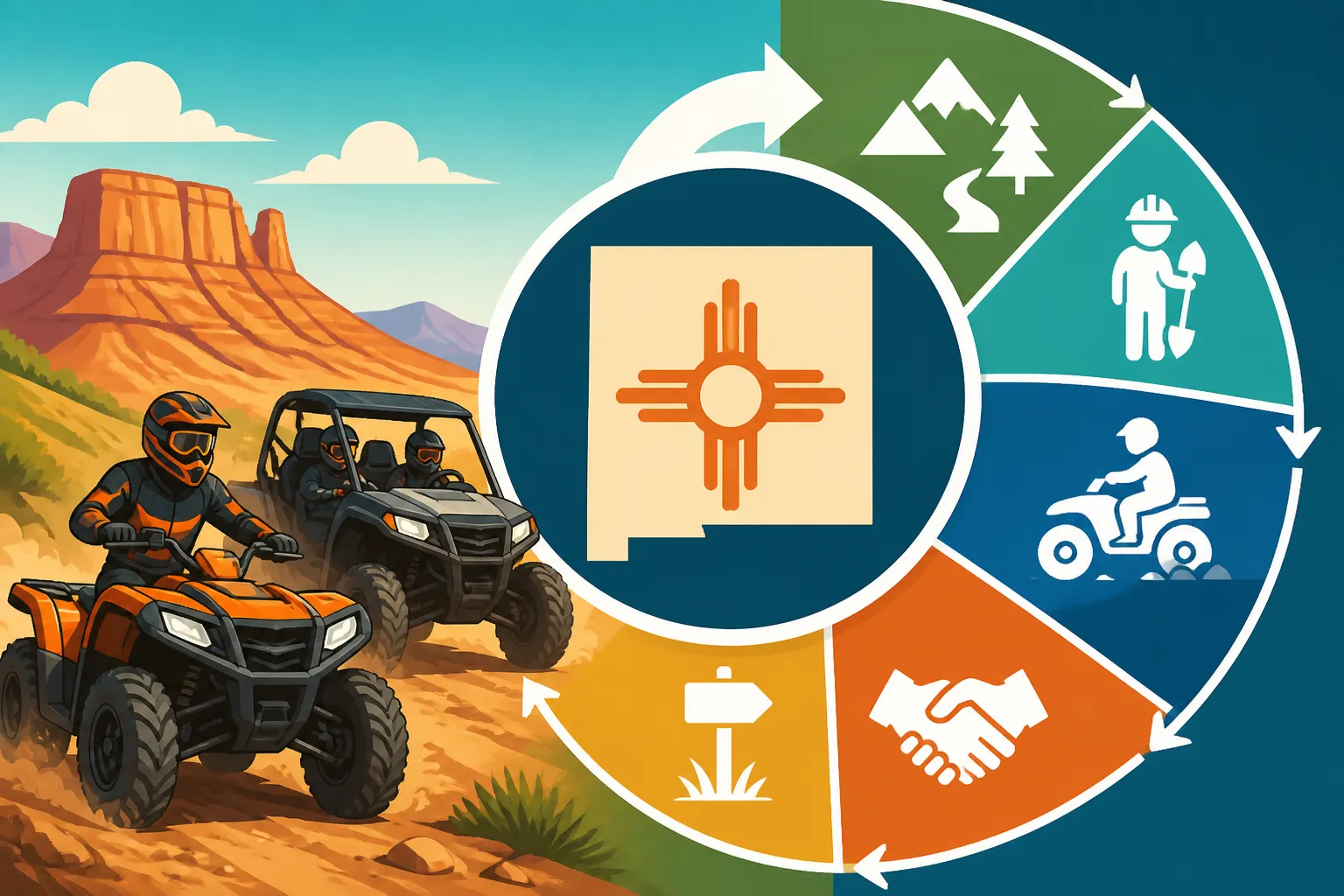
When you hand over your registration fee, it doesn't just vanish into a giant, amorphous state budget. While some initial administrative costs are always part of the equation, New Mexico has specific mechanisms in place to ensure a significant portion of those funds is dedicated directly back to the OHV community. It's a system designed to be cyclical, with rider contributions fueling resources that directly support riding.
Initial Registration Fees and Administrative Overhead
When you first go through the process of [Registering an OHV in New Mexico], a portion of that initial fee helps cover the fundamental administrative costs of the Motor Vehicle Division (MVD). Think about it: there are staff members who process your paperwork, maintain databases, print decals, and answer questions. These are essential functions to keep the entire system running smoothly. It's not the most glamorous part of the budget, but it's the bedrock. This part of the fee ensures that the MVD can efficiently handle the influx of new registrations and updates. It's the cost of doing business, so to speak, to ensure you can legally hit the trails.
For many, gathering all the necessary paperwork for that first registration can feel like a mini-quest. You're often dealing with bills of sale, titles, and proof of ownership. Ensuring these documents are accurate and legally sound is paramount. If you're ever in a situation where you need a robust bill of sale or other legal templates for your OHV transaction, services like LawDepot can provide standardized forms that help ensure everything is in order before you even step foot in the MVD office. Having these documents prepared correctly from the start can save a lot of headaches later on.
Renewal Fees and Their Direct Impact
After your initial registration, you'll find yourself renewing every two years. This is where the direct impact of your fees truly shines. The [New Mexico's $50 Biennial Renewal] fee, along with other related charges, is largely earmarked for specific OHV-related programs and projects. This isn't just about keeping your machine legal; it's about investing in the future of riding in New Mexico. These dedicated funds are crucial because they're specifically allocated to enhance and sustain the OHV experience, rather than being absorbed into a broader state budget that might not directly benefit riders. It ensures that the money you pay goes back into the sport you love.
Boosting the Trail System: Maintenance, Development, and Access
Perhaps the most tangible way your OHV registration fees are put to use is in the improvement and expansion of New Mexico's vast network of trails and riding areas. This is where you see the direct results of your contributions every time you hit the dirt. From preventing erosion to creating new opportunities, these funds are vital.
Trail Development and Maintenance
Maintaining existing trails and developing new ones is a continuous, labor-intensive, and often expensive endeavor. Your registration fees help fund projects like:
- Erosion Control: The desert and mountain environments of New Mexico are beautiful but fragile. Fees go towards implementing measures like water bars, culverts, and revegetation efforts to prevent erosion, protect natural habitats, and keep trails from washing out after heavy rains. Nobody wants to ride a trail that's been destroyed by a flash flood, and these efforts keep the trails viable.
- New Trail Construction: Sometimes, new trails need to be built to provide more riding opportunities, connect existing trail systems, or reroute trails away from sensitive areas. This involves surveying, planning, heavy equipment operation, and ongoing evaluation. It takes a lot of careful work to carve out a sustainable new path.
- Signage and Mapping: Clear, consistent signage is critical for rider safety and navigation. Funds are used to install and maintain trail markers, directional signs, and informational kiosks. This also supports the creation and distribution of accurate maps, helping riders explore safely and stay on designated routes. You'd be surprised how much goes into making sure those "Trail A" and "Trail B" signs are legible and present.
- Bridge and Crossing Improvements: In some areas, streams, arroyos, or other obstacles require bridges or improved crossings to ensure safe passage for OHVs and minimize environmental impact. These structures are expensive to build and require regular inspection and maintenance.
- Volunteer Support: Often, OHV clubs and volunteers play a huge role in trail work. Your fees can help support these groups through grants for tools, materials, and training, amplifying the efforts of passionate individuals.
When you're out exploring some of the fantastic areas like Glade Run near Farmington or the challenging dunes of Red Sands, much of the upkeep and the ability to access these areas is directly supported by the cumulative impact of everyone's [New Mexico OHV Registration Cost]. It's a direct investment in your riding experience.
Staging Areas and Rider Amenities
It's not just about the trails themselves. Where do you park your truck and trailer? Where do you unload your machine? Staging areas are the gateways to your adventures, and they need to be functional and well-equipped. Your fees contribute to:
- Improved Parking Facilities: Larger, well-maintained parking lots that can accommodate trucks with trailers, reducing congestion and improving safety at trailheads.
- Restrooms and Waste Management: Providing basic sanitation facilities at popular staging areas is essential for rider comfort and environmental protection. No one wants to find litter or deal with unsanitary conditions.
- Loading Ramps: Ensuring safe and easy loading and unloading of OHVs, especially for larger side-by-sides, can make a huge difference.
- Informational Kiosks: These often provide essential information about the riding area, local rules, safety tips, and emergency contacts.
- Shade Structures and Picnic Areas: In the often-sunny New Mexico climate, shade can be a lifesaver. Funds might support basic amenities for riders to take a break, have lunch, or gather before and after a ride.
These amenities, while seemingly simple, greatly enhance the overall experience. When you're planning your next adventure to [Where to Ride an ATV in New Mexico], remember that the ease of accessing these areas is often a direct result of the collective registration fees.
Promoting Safety, Education, and Responsible Riding
New Mexico is committed to making OHV riding as safe and responsible as possible, and your registration fees are instrumental in funding these critical initiatives. This includes both proactive education and necessary enforcement.
OHV Safety Education Programs
Riding an OHV is an exhilarating activity, but it comes with inherent risks. Education is key to minimizing those risks, especially for new and young riders. Funds from registration fees support:
- Safety Courses: New Mexico offers OHV safety courses, often mandatory for younger riders, which teach essential riding techniques, safety gear use, and trail etiquette. Your fees help subsidize these courses, making them accessible. In fact, if you have a young rider, you'll quickly become familiar with the [New Mexico OHV Safety Permit Requirements].
- Public Awareness Campaigns: Educating the broader public, both riders and non-riders, about safe OHV operation, respect for private property, and environmental stewardship. This might include brochures, online resources, and community outreach.
- Safety Gear Promotion: Encouraging the use of helmets, eye protection, and other appropriate safety gear through educational materials and messaging. When you see information about proper gear or safe riding practices, know that your registration dollars are behind those efforts.
It's about fostering a culture of safety, ensuring that every rider, regardless of experience, understands the importance of being prepared and responsible. This not only protects individual riders but also helps ensure the long-term viability of OHV access by demonstrating a commitment to safety.
Law Enforcement and Patrols
Unfortunately, not everyone adheres to the rules, and sometimes accidents happen. A portion of the fees also goes towards supporting law enforcement and land management agencies that patrol OHV areas. This includes:
- Enforcement of OHV Laws: Ensuring compliance with registration, decal placement, age restrictions, and operating rules. This helps maintain order and protect our natural resources. If you're ever stopped for not having the correct [New Mexico's Yellow and Green Decals] or proper placement according to [New Mexico OHV Decal Placement Rules], remember that the officers enforcing these rules are partly funded by the system you're a part of.
- Accident Response and Emergency Services: Providing resources for responding to OHV accidents, searching for lost riders, and coordinating emergency medical services in remote areas. This is a critical safety net that many riders hope they never need but are glad exists.
- Environmental Protection: Protecting sensitive ecosystems from illegal off-trail riding, littering, and other destructive behaviors. Patrols help identify and mitigate these issues, preserving the beauty of New Mexico for everyone.
Understanding the laws and having proper documentation on hand is also crucial during any interaction with law enforcement. If you ever need to formalize a report or understand legal obligations, knowing where to find reliable legal templates can be useful. While hopefully you won't need it, resources like LawDepot offer templates for various legal documents, which can be helpful for personal record-keeping or understanding legal frameworks related to property and incident reporting. Breaking the rules can lead to serious consequences, and your fees also fund the systems that issue [New Mexico Fines for an Unregistered OHV] or other violations, ensuring accountability.
Behind the Scenes: Administration and Future Vision
Beyond the immediate visible benefits, your registration fees also support the less glamorous but equally important aspects of administering the OHV program and planning for the future.
Running the Registration System at MVD
The New Mexico MVD is the central hub for all OHV registrations. The process requires a significant amount of administrative effort and infrastructure. Fees contribute to:
- Database Management: Maintaining accurate records of thousands of registered OHVs and their owners.
- Staffing and Training: Employing and training MVD personnel to handle registrations, answer questions, and assist the public. This ensures that when you visit an MVD office, you're getting help from knowledgeable staff. This is one of the core reasons [Why MVD Registers New Mexico OHVs].
- Technology and Software: Investing in and maintaining the computer systems and software necessary to process registrations efficiently, issue decals, and manage data securely.
- Printing and Distribution: The physical cost of producing and distributing registration cards and decals, which need to be durable enough to withstand New Mexico's varied climate.
All of these elements ensure that the registration process is as smooth and straightforward as possible for the rider. Without this foundational administrative support, the entire system would grind to a halt. When you fill out your [New Mexico OHV Registration Paperwork], you're engaging with a system that your fees help maintain.
Research, Planning, and Future Development
Looking ahead, a portion of the OHV fees is also directed towards long-term planning, research, and development that will benefit riders in the years to come. This forward-thinking approach ensures that New Mexico's OHV opportunities continue to grow and adapt.
- Environmental Impact Studies: Conducting research to understand the environmental impact of OHV use and to develop sustainable management practices that protect natural resources while allowing for responsible recreation. This helps ensure that the trails we love today will be there for future generations.
- Rider Needs Assessments: Surveying and consulting with the OHV community to understand current needs, identify areas for improvement, and gauge interest in new riding opportunities or facilities. This ensures that the state's efforts align with what riders actually want and need.
- Grant Programs: Sometimes, fees contribute to grant programs that local communities, OHV clubs, or land management agencies can apply for to fund specific trail projects, safety initiatives, or infrastructure improvements. This leverages funds to support grassroots efforts.
- Long-Range Planning: Developing strategic plans for the future of OHV recreation in New Mexico, including identifying potential new riding areas, planning for infrastructure upgrades, and adapting to changes in OHV technology and usage.
In essence, your registration fee isn't just a fee; it's an investment. It's an investment in the trails you ride, the safety of your fellow enthusiasts, and the future of OHV recreation in the beautiful state of New Mexico. So next time you renew your registration, you can do so knowing that your contribution is working hard for the OHV community.
| Category | Description | Examples of Spending | Direct Benefit to Riders |
|---|---|---|---|
| Administration | Covers the operational costs of the MVD to process registrations and maintain records. | Staff salaries, database management, printing decals, MVD office overhead. | Efficient registration process, accurate records, access to registration services. |
| Trail Development & Maint. | Funds the creation, upkeep, and improvement of OHV trails and riding areas. | Erosion control, new trail construction, signage, bridge repairs, volunteer support. | Safer, more enjoyable, and expanded riding opportunities, protected natural environments. |
| Staging & Amenities | Enhances the facilities at trailheads and popular riding areas. | Parking lot upgrades, restrooms, loading ramps, informational kiosks, shade structures. | Improved access, comfort, and convenience at riding locations. |
| Safety & Education | Promotes safe riding practices and educates the OHV community. | OHV safety courses, public awareness campaigns, safety gear promotion. | Reduced accidents, increased rider knowledge, safer overall riding environment. |
| Law Enforcement | Supports patrols and enforcement of OHV laws on public lands. | Officer patrols, accident response, environmental protection, enforcement of registration/decal rules. | Orderly riding areas, quick emergency response, protection against illegal activities. |
| Future Planning | Invests in research, assessments, and strategic planning for the long-term benefit of OHV recreation. | Environmental impact studies, rider needs assessments, grant programs, long-range development plans. | Sustainable OHV access for future generations, new riding opportunities, responsive program changes. |
Disclaimer
This article is for general informational purposes only and does not constitute professional advice. Laws, prices and regulations vary by location and change over time. Consult a qualified professional for guidance on your specific situation.