Checking a VIN Before You Buy
There's nothing quite like the thrill of finding that perfect ATV or UTV for hitting the trails around New Mexico, whether it's the high desert near Farmington or the forest roads of the Carson National Forest. But before you hand over your hard-earned cash, especially in a private sale, you absolutely have to pause and do your due diligence. Too many folks get caught up in the excitement of a new-to-them machine, only to discover later that it was stolen, has a hidden history of serious damage, or comes with outstanding liens. This guide is all about equipping you with the knowledge and steps to perform a thorough Vehicle Identification Number (VIN) check, ensuring your next off-highway vehicle (OHV) purchase in New Mexico is a smooth and safe one.
Why a VIN Check is Non-Negotiable When Buying Used
I've heard countless stories, and honestly, it breaks my heart every time: someone buys what they think is a great deal, only to find themselves embroiled in legal trouble or stuck with a money pit. A VIN check isn't just a suggestion; it's your first line of defense against some seriously costly headaches. It's about protecting your investment, your peace of mind, and your right to ride those beautiful New Mexico trails without a worry.
Protecting Yourself from Stolen Machines
Imagine buying a machine, falling in love with it, taking it out on a weekend trip, and then having law enforcement show up because it was reported stolen. This isn't just an inconvenience; it's a nightmare. If you unknowingly purchase a stolen ATV or UTV, you could lose the machine and the money you paid for it. The original owner, if found, has the legal right to reclaim their property, and you, the buyer, are often left with nothing but a void in your wallet and a difficult situation to untangle. This scenario is far more common than many people realize, and a VIN check is the simplest way to avoid it.
Beyond the financial loss, there's the emotional stress and potential legal entanglements. Even if you're an innocent purchaser, being involved in a stolen property investigation is not fun. It can take time, require you to provide statements, and generally put a huge damper on your enjoyment of what should be a fun hobby. A quick VIN check upfront can spare you all of that anguish, letting you sleep easy knowing your new ride has a clean record.
Uncovering Hidden Damage and Accident History
Off-road vehicles lead tough lives. They get pushed to their limits, encounter rough terrain, and sometimes, well, things go sideways. A seller might try to gloss over a significant accident, a flood incident, or extensive repairs to make a quick sale. While a visual inspection can catch some issues, a VIN check can pull back the curtain on a vehicle's past, revealing major damage reported by insurance companies, salvage titles, or even branded titles indicating a total loss. This information is invaluable because it tells you if the machine has been in a severe wreck that might compromise its safety or long-term reliability, even if it looks okay on the surface.
Knowing about past damage allows you to make an informed decision. Maybe the price is right for a machine with a salvage title, or perhaps you want to steer clear entirely. Without this information, you're buying blind, and that's a gamble no one should take with an OHV. It helps you assess the true value and potential future maintenance costs, which is crucial when budgeting for your adventures.
Verifying Ownership and Liens
One of the most critical pieces of information a VIN check can provide is whether the seller is the legal owner of the ATV or UTV and if there are any outstanding financial claims (liens) against it. If a bank or finance company holds a lien on the vehicle, they still have a financial interest in it. If the seller doesn't pay off that lien before selling it to you, the lien holder could potentially repossess the machine, even if you’ve paid the seller in full. It’s another devastating scenario where you lose your money and the machine.
A proper VIN check will confirm the registered owner and, importantly, flag any active liens. This empowers you to insist that the seller clears the lien before the sale is finalized, or to walk away from a potentially troublesome deal. You don't want to inadvertently inherit someone else's debt. A clear title is essential for [Titling an Off-Highway Vehicle in New Mexico] and securing your own ownership rights.
Confirming Machine Specifications
Sometimes, a seller might not be entirely accurate about the year, make, or model of the ATV or UTV, either intentionally or through genuine mistake. A VIN is like the vehicle's DNA, precisely identifying its factory specifications. This includes the manufacturer, model year, and even engine type. Comparing the VIN information with the seller's description ensures you're getting exactly what you're paying for.
This verification is important for a few reasons. Firstly, it prevents you from overpaying for a machine that's older or a less desirable model than advertised. Secondly, it's vital for ordering correct parts for future maintenance and repairs. And thirdly, it helps ensure that the machine complies with any specific regulations for its class, which is especially important for [New Mexico OHV VIN Requirements] when it comes time for registration.
What Information a VIN Reveals About an ATV or UTV
The Vehicle Identification Number might look like a random string of letters and numbers, but it's actually a carefully constructed code packed with valuable information. Understanding how to decode it, or at least understanding what a comprehensive VIN check report will tell you, is key to making an informed purchase.
Decoding the VIN Structure
Every ATV and UTV manufactured since 1981 has a unique 17-character VIN. This alphanumeric code is standardized globally, meaning each character and its position holds specific meaning. It's usually broken down into three main sections:
- World Manufacturer Identifier (WMI) – Characters 1-3: These first three characters tell you the country of origin and the manufacturer. For example, a '1' might indicate the United States, and then the next two letters identify the specific company, like Yamaha or Polaris.
- Vehicle Descriptor Section (VDS) – Characters 4-9: This section describes the general characteristics of the vehicle, such as the type of vehicle (ATV, UTV, dirt bike), engine type, model line, and sometimes even the body style. It helps differentiate between various models from the same manufacturer.
- Vehicle Indicator Section (VIS) – Characters 10-17: This is the unique identifier for the specific vehicle. The 10th character typically indicates the model year, and the 11th often signifies the plant where it was assembled. The last six characters are the sequential production number, making each VIN unique.
While you don't need to memorize every code, knowing this general structure helps you appreciate the depth of information contained within that single number.
Manufacturer and Model Year Data
One of the most immediate benefits of a VIN check is confirming the manufacturer and, crucially, the model year. The 10th character of the VIN directly corresponds to the model year using a standardized code system. This means you can quickly verify if the seller's claim about the vehicle's age is accurate. This is incredibly important for valuation and understanding potential wear and tear.
A machine listed as a 2020 model might actually be a 2019 if the VIN check reveals it. This slight difference can impact everything from resale value to the availability of parts, so having definitive proof is essential. This information also links directly to manufacturer recalls, which we'll discuss next.
Theft Records and Insurance Claims
This is often the primary reason people perform VIN checks. Vehicle history reports compiled from VIN data will cross-reference databases of stolen vehicles and insurance claims. If the ATV or UTV has ever been reported stolen, it will show up on this report. This immediately raises a huge red flag and should prompt you to walk away from the deal.
Similarly, if the vehicle has been involved in significant accidents that led to an insurance claim, details of those claims, including the type of damage and whether it resulted in a salvage or total loss title, will appear. This gives you insight into the vehicle's true condition beyond what you can see with your eyes during a quick inspection. Knowing if a machine was once considered a "total loss" by an insurance company, for example, is critical information when you're making an offer.
Recall Information
Manufacturers periodically issue recalls for safety defects or other issues. These recalls might address anything from faulty brakes to engine components. A VIN check report can often list any open recalls associated with that specific vehicle. This is vital safety information for you as a potential owner.
Knowing about open recalls allows you to either ensure the seller addresses them before the sale or factor in the time and effort you'll need to take the vehicle to a dealership for the repair yourself. It's a proactive step towards ensuring your new OHV is as safe as possible for you and anyone else riding it.
How to Perform a VIN Check in New Mexico
Now that we understand why a VIN check is so important and what it can tell us, let's get down to the practical steps of how to do it when you're looking to buy an OHV in New Mexico. It's a fairly straightforward process, but knowing the right places to look and the right services to use makes all the difference.
Where to Find the VIN on an OHV
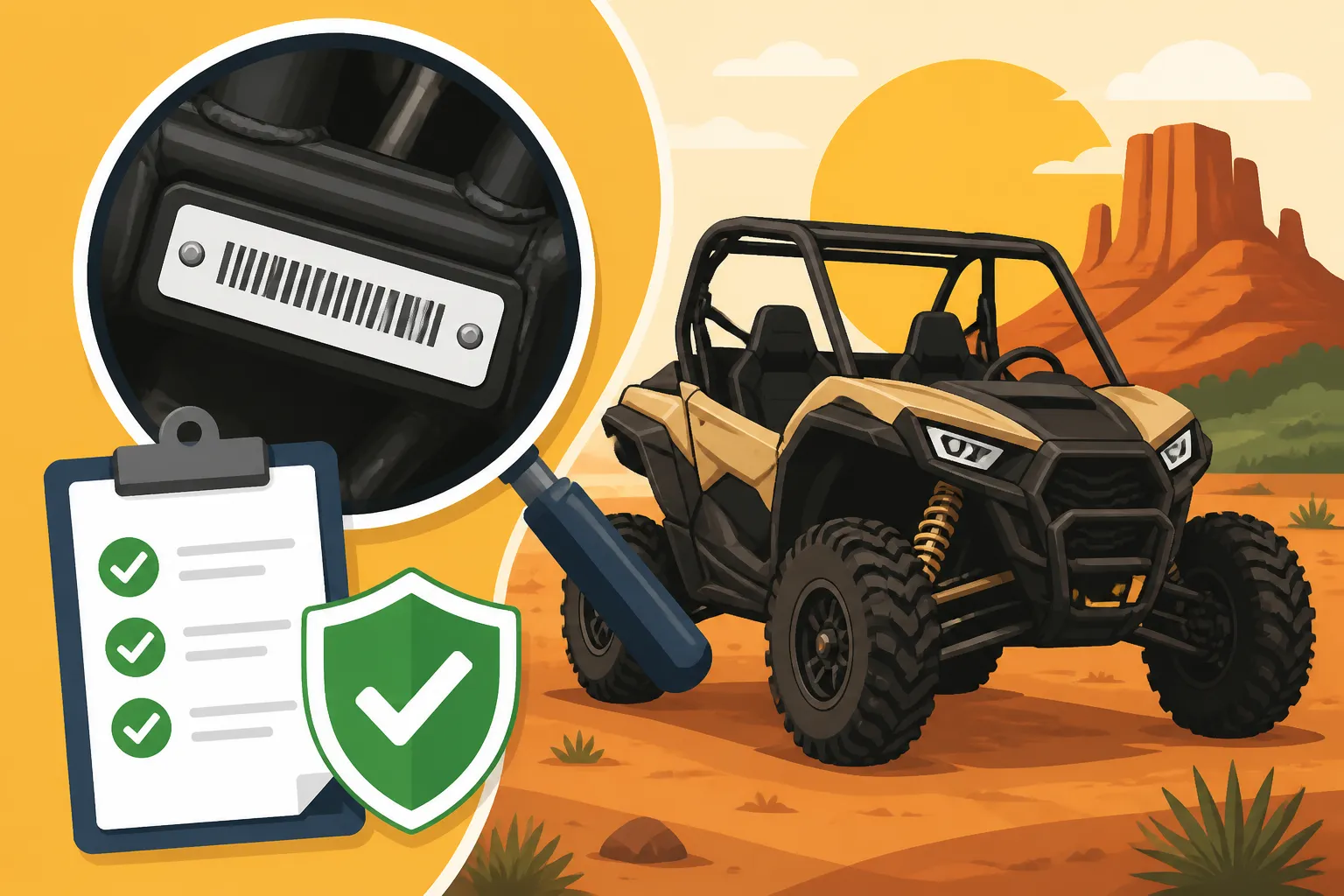
Before you can run a VIN check, you need to locate the VIN itself. It's crucial to physically inspect the machine and verify the VIN on the vehicle matches any VIN provided on documentation like a title or previous registration. A mismatched VIN is a major red flag.
Here are the most common places to find the VIN on different types of OHVs:
- ATVs (All-Terrain Vehicles): Typically, you'll find the VIN stamped into the frame. Look on the front left-hand side of the frame, near the left front wheel, or sometimes on a cross-member under the seat. It might be near the handlebars where they connect to the frame. [Where a Quad's Decal Goes] often gives an idea of where the general registration info is, but the VIN is stamped into the metal itself.
- UTVs/Side-by-Sides (Utility Terrain Vehicles): For UTVs, the VIN is usually on the driver's side frame rail, often near the front wheel well, or under the driver's seat. Some manufacturers also place it on a sticker or plate inside the glove box or on the dashboard.
- Dirt Bikes: On dirt bikes, the VIN is almost always stamped into the steering head, which is the metal tube at the front of the frame where the forks attach. You might need to turn the handlebars to get a clear view.
Always check multiple locations if possible, and make sure the VIN is legible and doesn't show any signs of tampering, such as grinding marks or re-stamping.
Online VIN Check Services
The most common and efficient way to perform a comprehensive VIN check is through online vehicle history report services. While there are a few free basic lookup tools that might verify the make and model year, detailed reports require a fee. These paid services compile information from various sources, including state motor vehicle departments, insurance companies, and law enforcement databases, to give you a full picture of the vehicle's history.
When looking for an online service, prioritize those that specialize in powersports or offer comprehensive reports for all vehicle types. Be prepared to pay a small fee, but consider it a worthwhile investment compared to the potential cost of buying a problematic machine. These services are typically user-friendly: you just enter the 17-character VIN, and a report is generated within minutes.
New Mexico MVD Resources
The New Mexico Motor Vehicle Division (MVD) is where you'll go for [Registering an OHV in New Mexico] and [Titling an Off-Highway Vehicle in New Mexico], but their role in pre-purchase VIN checks is somewhat limited for private individuals. The MVD primarily processes titles and registrations, and they typically won't run a full background check on an OHV for you unless you're initiating a transaction with them (like applying for a title transfer).
However, if you have a specific concern, like verifying ownership after a VIN check has flagged something, or if you suspect foul play, the MVD can sometimes provide more specific guidance or confirm basic title information. Generally, it's best to use a dedicated online VIN check service first for the most comprehensive report.
Contacting Law Enforcement
If your online VIN check raises serious red flags, such as the vehicle being reported stolen, or if you encounter a seller unwilling to provide the VIN or who displays suspicious behavior, do not hesitate to contact local law enforcement. It's not your job to play detective, but you can certainly report suspicious activity. Providing the VIN to a police department can help them verify if it's in their stolen vehicle database.
Never attempt to confront a seller you suspect of selling a stolen vehicle yourself. Always let law enforcement handle it. Your safety, and avoiding any potential legal entanglements, is paramount. A quick call to the non-emergency line can clarify a lot and potentially prevent you from becoming a victim or an accessory.
What to Do After Your VIN Check
You've run the VIN, you have the report in hand – now what? The information you've uncovered is your most powerful tool in the negotiation and purchase process. Don't just glance at it; understand what it means for your potential purchase.
Reviewing the Report and Identifying Red Flags
Take your time to thoroughly review the entire VIN report. Look for discrepancies between the report and the seller's description. Pay close attention to:
- Salvage or Rebuilt Titles: These indicate the vehicle was declared a total loss by an insurance company. While often cheaper, they might have underlying issues and can be harder to insure or resell.
- Flood Damage: Water damage can lead to electrical problems, rust, and mold, which can be incredibly difficult and expensive to fix.
- Multiple Owners in a Short Period: This can sometimes signal a "lemon" that previous owners quickly offloaded, or it could be a dealer churning vehicles.
- Odometer Rollback: Although less common with digital odometers, it's still a possibility. The report might show mileage inconsistencies.
- Major Accident History: Look at the severity of any reported accidents. Cosmetic damage is one thing; frame damage or major mechanical repairs are another.
- Active Liens: As discussed, this is a deal-breaker if not resolved before the sale.
Don't be afraid to ask the seller questions based on what you find. A transparent seller will be able to explain any questionable entries. If they get defensive or evasive, that's another red flag. For more tips on what to look for, check out [Buying a Used ATV in New Mexico].
Negotiating Based on VIN Data
The information from your VIN check report can be a powerful negotiation tool. If you uncover issues like a past accident, a salvage title, or even an older model year than advertised, you can use this to justify a lower offer. For example, if the report shows minor accident damage that wasn't disclosed, you might ask for a reduction to cover potential future repair costs or simply for the inconvenience.
Even a clean VIN report gives you confidence, but it doesn't mean you can't still negotiate on other factors like the condition of consumables (tires, chain, brakes), or any accessories included. The VIN check simply levels the playing field, ensuring you're negotiating with full knowledge of the vehicle's history. It’s a part of smart buying, just like when you're thinking about [Selling an OHV in New Mexico] and being prepared to offer this transparency to potential buyers.
Preparing a Bill of Sale
Once you're satisfied with the VIN check results and have agreed on a price, the next crucial step is creating a comprehensive bill of sale. This legal document protects both the buyer and the seller by clearly stating the terms of the transaction. It should include:
- The full names and addresses of both the buyer and seller.
- The date of the sale.
- The make, model, year, and most importantly, the full 17-character VIN of the ATV or UTV.
- The purchase price.
- A statement that the vehicle is sold "as-is" (if applicable) or any warranties.
- Signatures of both parties.
Using a reliable template for your bill of sale is highly recommended. Services like LawDepot offer customizable templates for various legal documents, including bills of sale. This ensures all necessary information is included, protecting you in case any disputes arise later. A well-drafted [New Mexico ATV Bill of Sale Requirements] document is your proof of purchase and a vital record for registration.
Next Steps for Registration and Titling
With a clean VIN report and a signed bill of sale, you're well on your way to officially making that OHV yours. The next steps involve the New Mexico MVD. You'll need to apply for a title in your name and register the vehicle for use on New Mexico's public lands.
Having a clean VIN and proper documentation, including the bill of sale, is essential for this process. The MVD will verify the VIN, ensuring it matches their records and that there are no active liens preventing the transfer of ownership. Make sure you understand [New Mexico OHV Title Requirements] and [New Mexico OHV Registration Paperwork] to avoid any delays in getting your new ride ready for the trails. Without proper registration, you could face [New Mexico Fines for an Unregistered OHV].
Here’s a quick overview of what a VIN segment often represents:
| VIN Characters | Section Name | Common Information Revealed |
|---|---|---|
| 1-3 | World Manufacturer Identifier (WMI) | Country of origin, Manufacturer |
| 4-9 | Vehicle Descriptor Section (VDS) | Vehicle type, Engine type, Model series, Body style |
| 10 | Model Year | Specific year of manufacture |
| 11 | Assembly Plant | Where the vehicle was assembled |
| 12-17 | Sequential Production Number | Unique serial number for that specific vehicle production |
Remember, a little bit of research and a thorough VIN check go a long way in securing a happy and safe riding experience in New Mexico. Don't skip this crucial step!
Disclaimer
This article is for general informational purposes only and does not constitute professional advice. Laws, prices and regulations vary by location and change over time. Consult a qualified professional for guidance on your specific situation.