New Mexico OHV Registration at a Dealer
You've just found that perfect ATV or UTV – maybe it's a brand-new side-by-side ready for mountain trails, or a well-loved quad from a local dealership that's just begging for some desert sun. The excitement is real, but then reality sets in: the paperwork. Getting your off-highway vehicle (OHV) registered in New Mexico can feel like navigating a maze, and when you buy from a dealer, you might be wondering just how much of that burden they'll shoulder. This guide is here to demystify the process, explain what you can expect from a dealership, and help you understand your role in getting your new machine legally ready for adventure.
Understanding the Dealer's Role in New Mexico OHV Registration
Buying an OHV from a dealer, whether it's a massive power sports superstore or a smaller, independent lot, often comes with the expectation that they’ll handle some of the administrative legwork. And for many of us, that's a huge part of the appeal – avoiding the dreaded MVD visit, the endless forms, and the anxiety of missing a crucial detail. In New Mexico, dealers do indeed play a significant role in getting your machine registered, but it’s crucial to understand the extent of their involvement.
What Dealers Typically Handle for You
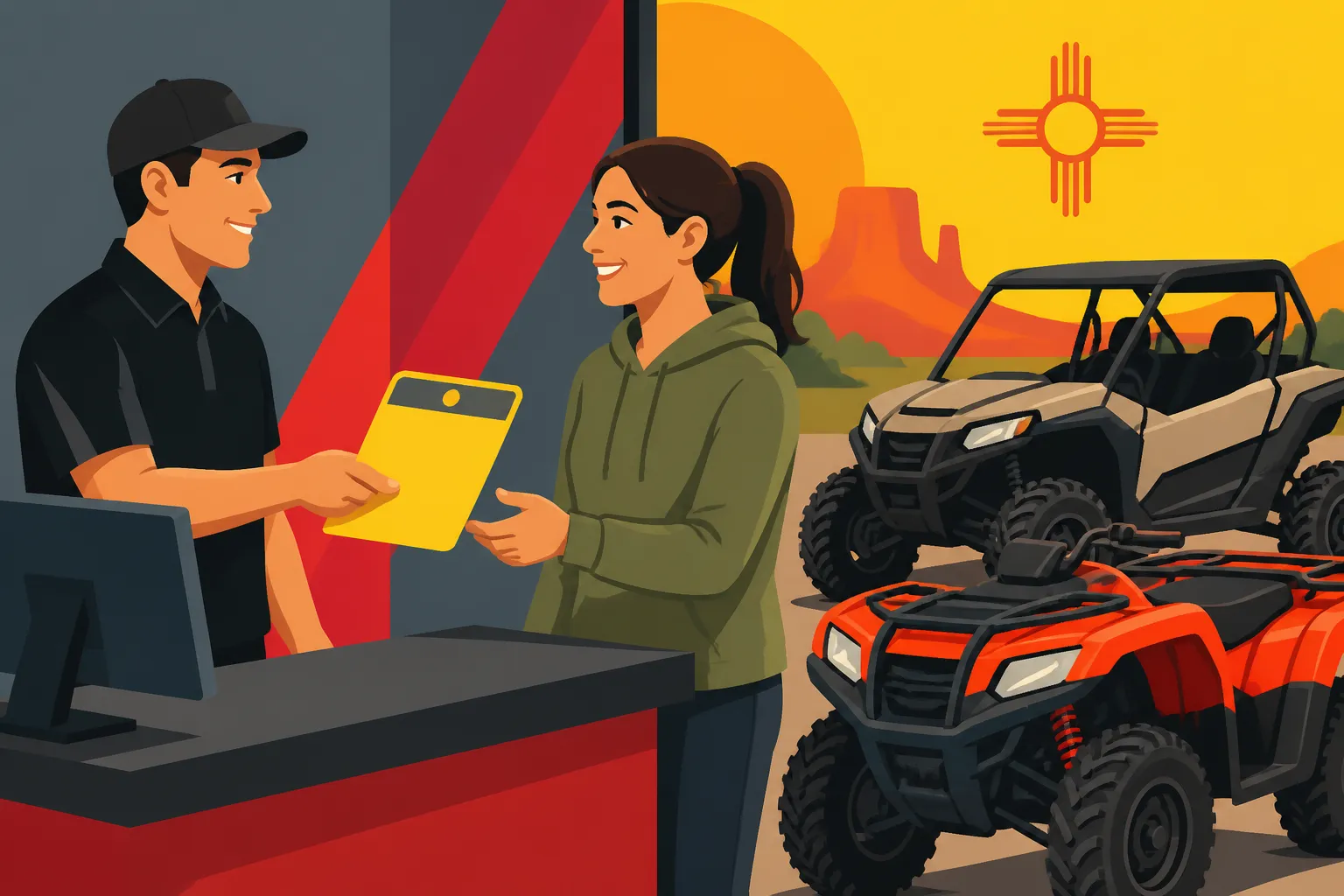
When you purchase a new or used OHV from a licensed dealer in New Mexico, they're generally set up to act as an intermediary between you and the Motor Vehicle Division (MVD). This means they will often submit your title application and initial registration forms directly to the MVD on your behalf. Think of it as a concierge service for your paperwork. They're equipped with the right forms and know the specific requirements, which can save you a tremendous amount of time and potential headaches.
For example, when you drive off the lot with your shiny new UTV, the dealer will typically provide you with a temporary registration or tag, allowing you to legally transport your vehicle while the permanent documents are being processed. They collect all the necessary information from you at the point of sale – your personal details, the machine’s specifics, and all the financial data – and then bundle it up for the MVD. This comprehensive approach means you usually only have one stop to make: at the dealership itself. They ensure that the vehicle identification number (VIN) is properly recorded, that all required taxes are calculated and collected, and that the application for your New Mexico title and registration decal is initiated correctly. It's a system designed to streamline the often-complex process of [Registering an OHV in New Mexico].
The Benefits and Drawbacks of Dealer-Assisted Registration
The convenience of having a dealer handle your OHV registration is definitely a major perk. For most riders, the biggest benefit is simply saving time. Instead of trying to decipher MVD forms or spending hours waiting in line, you can complete the bulk of the process right there at the dealership. They have experience with the nuances of OHV regulations, which can prevent common errors that might lead to delays if you were to handle it yourself. This expertise can be particularly valuable when dealing with specific requirements like ensuring your machine meets certain standards or understanding the difference between a yellow and green decal, topics often covered when discussing [New Mexico's Yellow and Green Decals].
However, there are also a few potential drawbacks to consider. Dealers often charge an additional processing or documentation fee for this service, which adds to the overall cost of your purchase. While usually a modest amount, it’s an expense you wouldn't incur if you handled the registration yourself. Another aspect to be mindful of is that you're relying on their efficiency. While most reputable dealers are excellent at processing paperwork quickly, sometimes delays can happen on their end before the documents even reach the MVD. It’s always a good idea to clarify the timeline with your dealer and get an understanding of when you can expect your permanent registration and decals to arrive. You want to ensure you're not left in limbo, eagerly waiting to hit the trails without the proper documentation.
Essential Paperwork and Information You'll Need at the Dealership
Even with a dealer taking the lead on registration, you're not entirely off the hook when it comes to providing information. They can't conjure up your identity or the details of your purchase out of thin air! Knowing exactly what to bring and what information you'll need to share will make your experience at the dealership much smoother and prevent any frustrating last-minute dashes back home for forgotten documents.
Documents the Dealer Will Request From You
First and foremost, the dealer will need to confirm who you are and where you live. This typically means presenting a valid form of identification, such as your New Mexico driver's license or state-issued ID. They'll also need proof of your current residence, which might be covered by your driver's license, or they might ask for a utility bill or other official mail if your ID doesn't reflect your current address. This is crucial for both the titling and registration processes, as the state needs accurate records of vehicle ownership and where it's based.
Beyond your personal identification, the primary document you'll be dealing with is the purchase agreement or bill of sale that the dealership provides. This document is the legal record of your purchase and contains all the vital information about the OHV itself, including its make, model, year, and most importantly, its Vehicle Identification Number (VIN). The VIN is the unique identifier for your machine, much like a fingerprint, and is absolutely essential for both titling and registration. If you're buying a used machine from the dealer, they will also need to provide you with the previous title, or evidence of it, to facilitate the transfer of ownership to you. Dealers are also responsible for verifying the VIN, which is a standard procedure to ensure the machine matches its documentation and isn't stolen or misrepresented. Understanding what's needed for [New Mexico OHV Title Requirements] will give you a good idea of what the dealer is working with.
Information the Dealer Needs for Successful Registration
Accuracy is paramount when providing information for your OHV registration. The dealer will need your full legal name, exactly as it appears on your identification, along with your current mailing address and contact information (phone number and email). This ensures that your title certificate and registration decals are mailed to the correct place and that the MVD can reach you if there are any questions. It’s not just about getting the address right; any discrepancy between your ID and the forms could cause delays.
Furthermore, the dealer will meticulously record all the details of the machine you're purchasing. This includes the OHV's make, model, year, engine size (if applicable), and its VIN. They'll also note whether it's a new or used vehicle and all the sales figures, including the purchase price and any trade-in values. All this information feeds into the MVD's system to generate your official title and registration. While the dealer provides their own bill of sale, it's a good practice to review it thoroughly to ensure all details are correct. In some cases, especially with private sales but sometimes even in a dealer context if a specific format is preferred, individuals might use a service like LawDepot to generate a clear, comprehensive bill of sale, though a dealer will typically have their own standardized forms. This detail is especially important for future reference, or if you ever need to reference your purchase for insurance or resale. A comprehensive understanding of [A New Mexico Bill of Sale for an ATV] highlights just how critical this document is.
What to Expect Regarding Fees and Timelines
One of the most common questions after picking out an OHV is, "How much is this really going to cost, and when can I actually ride it?" While the thrill of the ride is immediate, the financial and administrative realities usually involve a bit more waiting. Dealers often consolidate these costs and manage the initial timeline, but it's important for you to understand what you're paying for and what to anticipate for the permanent registration to arrive.
Breaking Down the Costs Involved
When you buy an OHV from a New Mexico dealer, they will typically roll all the various fees into your purchase agreement. This usually includes the sales price of the vehicle, applicable state sales tax, and the MVD's official fees for both titling and initial registration. New Mexico OHV registration is biennial, meaning you pay for two years at a time. The dealer will collect this fee upfront. In addition to these state-mandated costs, dealerships often add their own administrative or documentation fees for handling the paperwork on your behalf. These fees can vary significantly from one dealer to another, so don't hesitate to ask for a clear breakdown of all charges before you sign on the dotted line.
It's important to differentiate between the state's fees, which are fixed, and the dealer's fees, which are part of their business model for providing convenience. The state fees for registration and titling are non-negotiable, but understanding them helps you see where your money is going. For instance, you'll pay a fee to title the machine, and then a separate fee for the two-year registration. When considering the [New Mexico OHV Registration Cost] and [New Mexico OHV Title Cost], remember that what the dealer quotes you will be the sum of these, plus their own processing charges. Always request an itemized list of all charges, so there are no surprises, and you know exactly what you’re paying for.
The Timeline from Purchase to Riding Legally
After you’ve signed the papers and paid all the fees at the dealership, you’re usually good to go – at least for a little while. Most dealers will issue you a temporary registration or a temporary operating permit, which allows you to legally operate your OHV for a short period while the MVD processes your permanent documents. This temporary tag is invaluable, as it means you don't have to put your new machine straight into storage while you wait. However, it's crucial to understand its expiration date and not let it lapse.
The actual processing time for your permanent registration decals and title to arrive can vary. Once the dealer submits your paperwork to the MVD, it enters their queue. While dealers aim for efficiency, the MVD’s workload can fluctuate. Typically, you can expect your permanent registration decal (either yellow for off-highway only, or green for on- and off-highway use) and title certificate to arrive in the mail within a few weeks. If it takes longer than anticipated, your first point of contact should be the dealership. They should be able to provide an update or at least confirm when they submitted your paperwork. Knowing the typical [New Mexico OHV Registration Processing Time] can help manage your expectations and prompt you to follow up if things seem to be taking excessively long.
Navigating Potential Pitfalls and Ensuring a Smooth Process
While buying from a dealer often streamlines the registration process, it's not entirely foolproof. Sometimes, things can go awry, or you might find yourself in a situation where the dealer's role isn't as comprehensive as you'd hoped. Being prepared for these scenarios can save you stress and ensure your OHV is legally ready for the trails without unnecessary delays.
Common Issues and How to Avoid Them
One of the most common hiccups when dealing with any paperwork, even through a dealer, is missing or incorrect information. This could be anything from a misspelled name to an incorrect address or a typo in the VIN. These small errors can cause significant delays at the MVD, bouncing your application back and requiring corrections. To avoid this, always double-check every document the dealer asks you to sign. Verify your personal details, the OHV's specifications, and all financial figures. Don't be afraid to ask questions if something looks off or unclear. Keeping copies of everything you sign and every document you provide is also a golden rule. This way, if there's ever a dispute or a need for clarification, you have your own records to refer to.
Another potential issue can stem from communication breakdowns. Sometimes, the dealer might not clearly explain their exact process or the expected timeline, leading to confusion on your part. Proactively ask about their full registration service, including whether they handle everything from start to finish or if there are any steps you'll need to take yourself. If you're buying a used OHV through a dealer, it's especially important to ensure they're providing a clean title and proper bill of sale. If a dealer is selling a consignment machine or a trade-in where the previous owner’s paperwork is less than pristine, you might need extra vigilance. In such cases, if you want additional legal documentation beyond what the dealer provides, creating your own bill of sale through a platform like LawDepot could offer an extra layer of security, ensuring all parties are clear on the terms, especially when [Buying a Used ATV in New Mexico]. A comprehensive bill of sale makes sure all details about the transaction and the machine are officially recorded, which can be invaluable.
When the Dealer Leaves the MVD Trip to You
While many larger or dedicated OHV dealerships offer a full-service registration experience, there are situations where a dealer might not handle the entire MVD process for you. This is more common with smaller used vehicle lots, private sellers who also operate a small dealership, or if you're purchasing a machine that has unique titling or registration circumstances. In these instances, the dealer might simply provide you with the necessary completed forms, the signed-over title (if applicable), and a bill of sale, expecting you to take these documents to the MVD yourself.
If your dealer informs you that you'll need to visit the MVD to complete the registration, don't fret. They should provide you with all the required paperwork: a properly executed title application, the original manufacturer’s certificate of origin (if new), or the assigned title (if used), and a copy of your bill of sale. Your task then becomes much like if you had purchased from a private seller, but with the peace of mind that the initial sales documents are professionally prepared. You will need to take these documents, along with your proof of identity and residence, to your local MVD office. There, you'll pay the state titling and registration fees directly. It’s always wise to call ahead to the MVD or check their website for current operating hours and any specific requirements, as they can sometimes change. Knowing that you might have to take this step yourself, and being prepared with the necessary paperwork, helps ensure a smooth final leg of the registration journey. This is essentially understanding the steps involved in [New Mexico OHV Registration at MVD] directly.
| Aspect | Dealer-Handled Registration | DIY Registration (Post-Dealer) |
|---|---|---|
| Convenience | High; dealer handles most paperwork submission. | Medium; requires a trip to the MVD and self-submission. |
| Fees | State fees + dealer processing fees. | State fees only. |
| Paperwork | Dealer prepares and submits; you sign. Keep copies. | Dealer provides necessary documents (title, bill of sale); you complete MVD forms. |
| VIN Verification | Typically done by dealer as part of the sales process. | May need to be done at MVD or by approved inspector if not already on dealer docs. |
| Temporary Tag | Usually issued by dealer. | Less likely to receive immediately; may need to apply for at MVD. |
| Timeline | Dealer submission, then MVD processing (weeks for permanent docs). | MVD processing starts upon your submission (weeks for permanent docs). |
| Errors | Dealer expertise reduces errors; human error still possible. | Higher potential for errors if unfamiliar with MVD requirements. |
| Follow-up | Contact dealer first for status updates. | Contact MVD directly for status updates. |
Disclaimer
This article is for general informational purposes only and does not constitute professional advice. Laws, prices and regulations vary by location and change over time. Consult a qualified professional for guidance on your specific situation.