New Mexico Fines for an Unregistered OHV
There's nothing quite like the feeling of hitting the trails in New Mexico, the dust flying, the engine humming, and the wide-open spaces stretching before you. But that blissful feeling can come crashing down pretty quickly if you're stopped by a New Mexico Game and Fish officer or a local sheriff and your off-highway vehicle (OHV) isn't properly registered. It's a common, often honest, mistake many riders make, sometimes thinking they only need registration for paved road use or that their out-of-state tags are enough. This guide is here to shed light on the real fines and consequences you could face for riding an unregistered OHV in the Land of Enchantment and, more importantly, how to steer clear of them.
The Cold, Hard Reality: Fines for an Unregistered OHV in New Mexico
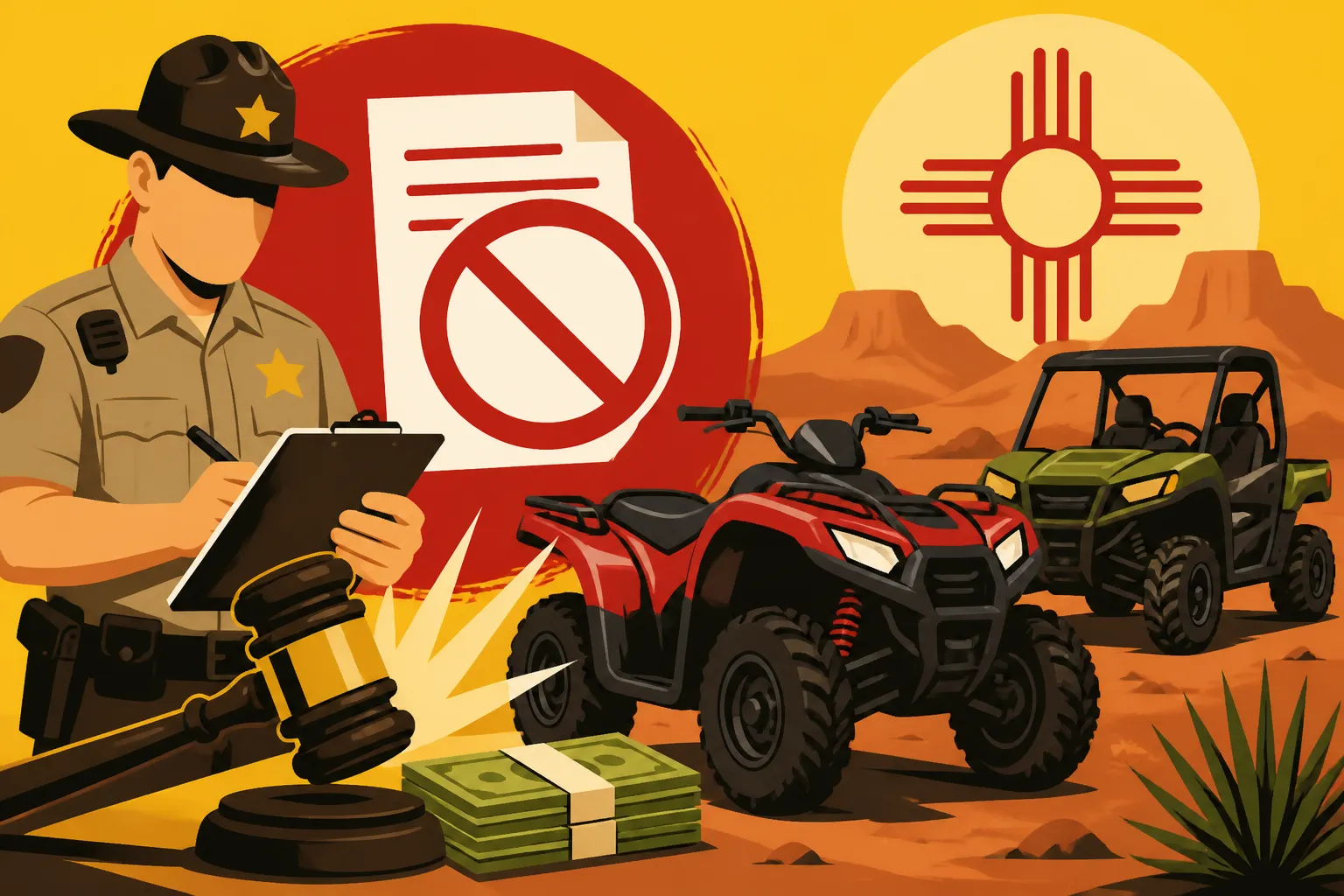
Let's cut right to it: riding an unregistered OHV in New Mexico isn't just a slap on the wrist. It carries real financial penalties that can quickly turn a fun day out into a costly headache. The exact amount can vary depending on the jurisdiction and the officer's discretion, but the law is clear that registration is a requirement for operation on public lands, designated trails, and any roads where OHVs are permitted.
Imagine you're out near Red River, enjoying the mountain air, or perhaps cruising the dunes at Mescalero Sands, and suddenly you see flashing lights behind you. The officer approaches, asks for your registration, and you come up empty. What happens next?
For a first offense, you're generally looking at a citation that could carry a fine. This isn't just a warning ticket in many cases; it's a monetary penalty that you'll have to pay. And it's not a small sum, either. We're talking about figures that can sting, especially when you consider that the registration itself costs significantly less than the fine. It's one of those "penny wise, pound foolish" situations that we all dread. The state wants to encourage compliance, not just punish, but they do so through the threat of these escalating fines.
| Offense Type | Potential Fine Shape (Approximate) |
|---|---|
| First Offense | Moderate fine |
| Second Offense | Significantly higher fine |
| Third & Subsequent Offenses | Substantial fine, potential impoundment |
It's crucial to understand that these fines are designed to escalate. If you get caught once, pay the fine, but still don't register your machine and get caught again, the penalties will almost certainly be steeper. Law enforcement agencies in New Mexico are serious about OHV safety and compliance, and repeat offenders often face the harshest consequences. This isn't about ruining your day; it's about ensuring everyone plays by the rules that help maintain our trails and keep riders safe.
Beyond the Fine: Other Consequences of Riding Unregistered
While the direct financial penalty is often the first thing people think about, riding an unregistered OHV can lead to a host of other inconvenient and costly consequences. These can add up quickly, far beyond the initial citation fee, and significantly disrupt your riding plans.
Impoundment and Towing Fees
One of the most immediate and frustrating consequences, particularly if you're far from home, is the potential for your OHV to be impounded. If an officer determines that your machine is being operated illegally without proper registration, they have the authority to order it towed. Think about it: you're stranded, your machine is being hauled away, and you're left figuring out how to get back to your truck and trailer, which might be miles away.
Getting your OHV out of impound is another financial hit. You'll be responsible for the towing fee, daily storage fees at the impound lot, and often an administrative release fee. These costs can easily dwarf the original fine, sometimes adding hundreds of dollars to your tab. This is a scenario no one wants to find themselves in, especially when a simple registration could have prevented it entirely. The hassle alone of coordinating the pickup, likely during business hours, can eat up valuable time and vacation days.
Missed Riding Time and Trip Disruptions
Let's face it, most of us schedule our riding trips weeks or even months in advance. We plan for a specific weekend, arrange for lodging, and rally our riding buddies. Getting caught with an unregistered OHV means your riding trip is effectively over, at least for that machine. You can't just pay the fine and immediately get back on the trail; the machine is still unregistered and likely impounded.
This can lead to significant disappointment for you and your group. All that planning, all that anticipation, dissolved because of a registration oversight. For many, riding is a cherished pastime, a way to connect with nature and friends. Losing that opportunity due to a preventable issue is incredibly frustrating and highlights just how important it is to take care of the paperwork before you hit the dirt.
Legal and Administrative Hassles
Depending on the circumstances and how severe the violation is deemed, you might also face additional legal or administrative hurdles. While rare for a first-time registration offense, repeat offenders could find themselves dealing with court appearances or more formal proceedings. This adds stress, requires time off work, and can potentially involve legal fees if you feel you need representation.
Even without a court appearance, dealing with the Motor Vehicle Division (MVD) to finally get your OHV registered after an incident can feel like an uphill battle, especially if there are outstanding fines or impound issues. It simply adds layers of bureaucracy and stress to what should be a straightforward process. This is why many experienced riders will tell you that the easiest path is always proactive compliance.
Why New Mexico Takes Registration Seriously: Safety and Funds
It's easy to feel frustrated when you're hit with a fine, especially if you feel like you're just enjoying the outdoors. Many riders wonder why the state is so strict about OHV registration. Is it just about collecting money? While revenue is a part of it, New Mexico's OHV registration program serves several critical purposes that benefit all riders and the integrity of our public lands.
Funding for Trail Maintenance and Infrastructure
One of the most significant reasons for registration fees is to fund the very trails we love to ride. The money collected from OHV registrations and permits in New Mexico doesn't just disappear into a general fund. A portion of these fees is specifically earmarked for the New Mexico Department of Game and Fish (or the future Department of Wildlife) to maintain and improve OHV trails, staging areas, and other recreational infrastructure.
Think about the effort it takes to clear downed trees, repair erosion, update signage, or even build new trails. All of that requires resources, equipment, and dedicated personnel. Without a robust registration program, the funds simply wouldn't be there to keep our riding areas in top condition. So, while paying for registration might feel like a chore, it's actually an investment in the future of OHV riding in New Mexico. It ensures that those beautiful trails in the Carson National Forest near Red River or the vast expanses of BLM land remain accessible and enjoyable for years to come. You can read more about [Where New Mexico OHV Fees Go] to understand the full picture.
Promoting Safety and Responsible Riding
Registration also plays a role in promoting safety. By requiring registration, the state can better track OHV use, disseminate important safety information, and encourage responsible riding practices. For instance, knowing how many machines are operating in a given area can help resource managers make informed decisions about trail design and management.
Furthermore, the act of registration often involves becoming familiar with state regulations, which inherently improves rider awareness. It's a system designed to ensure that everyone who operates an OHV on public lands understands the rules, contributing to a safer environment for all users, whether they're on an ATV, UTV, dirt bike, or even hiking.
Deterring Theft and Aiding Recovery
An OHV registration, typically with a visible decal, also serves as an important deterrent to theft. A registered machine is more traceable, making it less attractive to thieves. If your OHV is stolen, the registration record, which includes your Vehicle Identification Number (VIN), greatly assists law enforcement in recovering your property. This is a huge benefit, as OHV theft can be a devastating experience, and having that official record significantly improves your chances of getting your machine back. This is why the [New Mexico OHV VIN Requirements] are so important during the registration process.
How to Avoid Penalties: Getting Your OHV Registered in New Mexico
The good news is that avoiding these fines and hassles is straightforward: simply register your OHV! The process in New Mexico is managed by the Motor Vehicle Division (MVD), and while it requires a bit of paperwork and a fee, it’s a simple step that provides peace of mind.
Step-by-Step Registration Process
- Gather Your Documents: The first thing you'll need is proof of ownership. This typically means your Certificate of Origin (for new machines) or a New Mexico title (for used machines that have been previously titled). If you're buying a used OHV, you'll also need a bill of sale. For this, [A New Mexico Bill of Sale for an ATV] can be crucial. If you need help drafting a professional, legally sound bill of sale, consider using platforms like LawDepot to ensure all necessary details are covered and it complies with New Mexico's requirements.
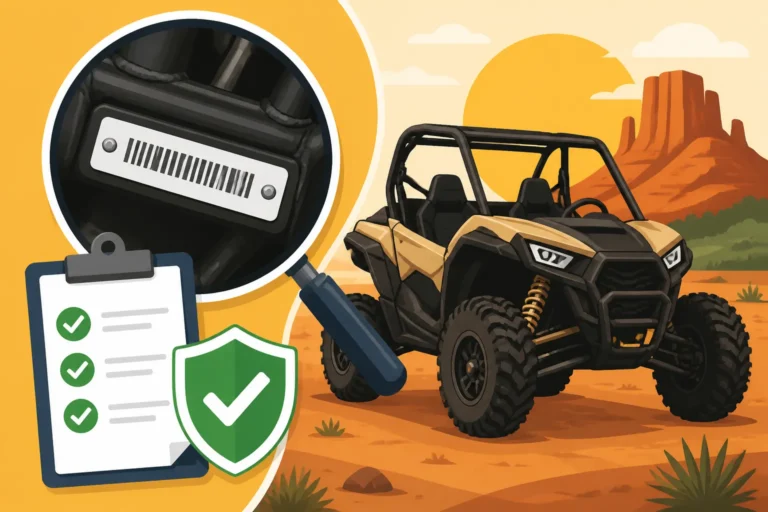
- Locate Your VIN: Your Vehicle Identification Number is essential. It's usually stamped on the frame of your OHV.
- Visit the MVD: Head to your local New Mexico MVD office. You can't currently register an OHV online, so an in-person visit is necessary. Bring all your documents with you.
- Complete the Application: You'll fill out an application for OHV registration. Make sure all information is accurate and matches your supporting documents.
- Pay the Fees: There will be a registration fee, which is a biennial (two-year) cost. This fee goes towards supporting the state's OHV program. You can learn more about [New Mexico OHV Registration Cost] to understand the current figures.
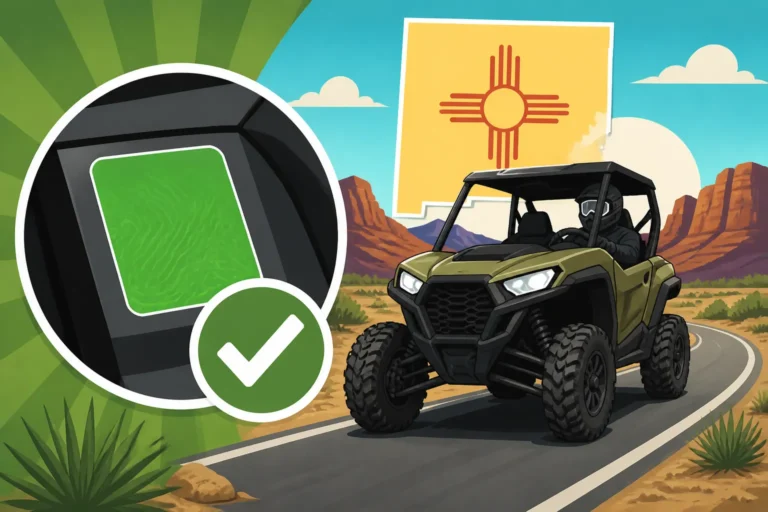
- Receive Your Decals: Once processed, you'll receive your New Mexico OHV registration decals. These are crucial and must be properly displayed on your machine. There are specific rules for [New Mexico OHV Decal Placement Rules] depending on whether you have an ATV, UTV, or dirt bike. This ensures that they are visible to law enforcement.
The registration is valid for two years, after which you'll need to renew it. Remember, this registration is for off-highway use. If you plan to ride on paved county roads or city streets that are open to OHVs, you'll also need to consider obtaining the proper paved road plate and meeting additional requirements like insurance and operator licensing. For your initial registration, understanding [New Mexico's First OHV Registration] can be quite helpful.
Important Considerations for Used OHVs
When buying a used OHV, especially from a private seller, it’s vital to ensure you get a proper bill of sale. Sometimes, sellers might have misplaced the title. While you can often still register an OHV without a title if you have a proper bill of sale and can prove prior registration history or a legitimate chain of ownership, it adds layers of complexity. Always aim for a clear title and a well-documented sale. Utilizing resources like LawDepot to generate a comprehensive bill of sale can protect both buyer and seller and prevent future headaches regarding proof of ownership.
If you're bringing an OHV into New Mexico from another state, you'll also need to follow specific procedures for [Registering an Out-of-State Machine in New Mexico]. The MVD will verify your prior registration or title and guide you through the process to get your New Mexico decals.
Taking the small amount of time and effort to register your OHV properly is truly worth it. It saves you from potential fines, towing fees, impoundment, and the general stress of running afoul of the law. Plus, you'll be contributing to the very trails and programs that make New Mexico such an incredible place to ride.
Disclaimer
This article is for general informational purposes only and does not constitute professional advice. Laws, prices and regulations vary by location and change over time. Consult a qualified professional for guidance on your specific situation.