Carrying Both Decals at Once
So, you've geared up for an adventure in the Land of Enchantment, perhaps with a shiny new (or new-to-you) ATV or UTV. But then you hear about these New Mexico OHV decals – not just one, but two! It can feel a bit like trying to solve a puzzle when all you want to do is hit the trails. Many riders get confused, wondering why they'd need a yellow sticker for off-road and a green one for paved roads, and if they can actually have both. This guide is here to untangle that mystery, clarifying the purpose of each decal, why carrying both is often essential, and how it impacts your riding adventures across New Mexico.
Understanding the Dual Decal System in New Mexico
Navigating the rules for off-highway vehicles (OHVs) in New Mexico can sometimes feel like trying to ride a sandy arroyo after a monsoon – a bit challenging! One common point of confusion for riders, especially those new to the state or those who haven't delved into the specifics, revolves around the two distinct OHV decals: the yellow one and the green one. Many folks wonder why a simple registration wouldn't suffice, or if they truly need both plastered on their machine. It’s not about decorative flair; it’s about legal compliance and defining where you’re permitted to ride.
The New Mexico Motor Vehicle Division (MVD) issues these decals to signify different levels of OHV registration and permitted use. Think of them as your machine's passport stamps for various types of terrain. The existence of two separate decals is a direct reflection of New Mexico's efforts to balance off-highway recreation with public safety and infrastructure protection, particularly when it comes to riding on paved public roads. It's a system designed to be clear about a machine's legal status, though admittedly, it can initially seem a little complex.
The Yellow Decal: Your Gateway to Off-Highway Adventure
The yellow decal is, in essence, the foundational registration for nearly all off-highway vehicles in New Mexico. If you own an ATV, UTV, dirt bike, or any other machine primarily designed for unpaved terrain, this is your ticket to legally exploring the vast network of trails, desert washes, and forest roads that make New Mexico such an incredible place to ride. Without this yellow decal, your machine is considered unregistered for public land use, which can lead to hefty fines and a spoiled day out. It's truly the most basic requirement for anyone planning to enjoy the state's natural beauty on their OHV.
When you go through the registration process at the MVD for your OHV, the yellow decal is what you'll receive as proof of that registration. It's valid for two years, and it signifies that your machine is legally recognized for its intended purpose: off-highway riding. This decal is crucial whether you're planning a weekend trip to Red Sands OHV Area, exploring the trails around Glade Run, or just taking your quad out on some BLM land near Truth or Consequences. It allows you to operate your OHV on designated public lands, provided you also adhere to all other local rules and regulations, such as those regarding helmets for minors or spark arresters on public ground. Think of it this way: the yellow decal is the default setting for OHV access in New Mexico, ensuring that your machine is properly identified and accounted for when you're far from the asphalt. You can learn more about its specific role by checking out [Why the Yellow Decal Keeps You Off Pavement].
The Green Decal: Opening Up Paved Road Access
Now, let's talk about the green decal. This one is a game-changer for many riders because it unlocks the ability to legally operate your OHV on some paved public roads in New Mexico. While the yellow decal is about getting off the pavement, the green decal is about carefully, and legally, getting onto it. This isn't a free-for-all pass to cruise down I-40 on your side-by-side, mind you. The green decal, often referred to as the "on and off-highway" decal, signifies that your OHV has met additional requirements to be eligible for limited paved road use in areas where county or municipal ordinances permit it.
The requirements for obtaining the green decal go beyond just basic OHV registration. To qualify, your machine must typically meet certain equipment standards (like headlights, taillights, mirrors, and a horn), and you must carry proof of liability insurance. Furthermore, the operator needs a valid driver's license. This decal is particularly valuable for riders who want to transition seamlessly from a trail network to a small town for gas or a bite to eat, or who need to connect different sections of trails via a short stretch of paved county road. It's about convenience and expanded access, but always within the bounds of specific local ordinances. A green decal means your OHV is equipped and insured for these specific paved road scenarios, distinguishing it from machines only set up for dirt. For more details on what this green decal allows, take a look at [Why the Green Decal Lets You Onto Pavement].
Why You'd Want Both Decals on Your Machine
The idea of needing two distinct decals might seem like overkill at first glance. After all, if your machine is registered, shouldn't that be enough? However, New Mexico's dual decal system is designed to address the very different legal and safety considerations involved with off-road versus on-road riding. When you consider the practicalities of diverse riding in the state, having both decals becomes not just a legal requirement but a huge convenience. Imagine you're out exploring the vast public lands, and suddenly you need to cross a paved county road to reach the next section of trail or perhaps head into a small town for supplies. Without the green decal, that short hop on asphalt could land you in hot water.
Carrying both the yellow off-highway decal and the green on-highway decal essentially gives your machine maximum flexibility within New Mexico's OHV laws. It means you've met the baseline registration requirement for off-road use, and you've taken the extra steps to ensure your machine and its operation are compliant with the rules for limited paved road access. This versatility is incredibly beneficial for many riders, saving them the hassle of having to trailer their machine for short distances or risk a citation for illegal road use.
The Seamless Transition from Dirt to Pavement
One of the biggest advantages of having both decals is the ability to make seamless transitions between off-road trails and approved paved public roads. New Mexico offers an incredible variety of riding environments, from the sprawling deserts of the south to the high mountain forests. Often, to fully experience these areas, riders need to utilize short stretches of paved roads—perhaps county roads or city streets in OHV-friendly communities—to connect trails or access services.
Consider a scenario where you're staging your side-by-side at a trailhead deep in a national forest, marked only by dirt roads. Your yellow decal covers you perfectly for this. But then you realize you're running low on fuel, and the nearest gas station is a few miles down a paved county road in a small town that has opted into allowing OHV use on its streets. If you only have the yellow decal, you're stuck. You'd have to load your machine back onto a trailer, drive to the gas station, and then unload again. With both your yellow and green decals properly displayed, along with your insurance and driver's license, you can legally (and safely!) make that short trip on the pavement, fill up, and get right back to the trails. This flexibility is what the green decal provides, complementing the essential off-highway access of the yellow one. It's about maximizing your riding time and minimizing logistical headaches, ensuring you're compliant whether you're kicking up dust or cruising to the general store. The paperwork for all of this, including proper documentation for your machine, can sometimes be simplified by using services like LawDepot to keep everything organized.
Avoiding Penalties and Enhancing Peace of Mind
Let's face it, nobody wants a run-in with law enforcement that ends in a citation, especially when you're out trying to enjoy a relaxing ride. The penalties for operating an unregistered OHV or riding on paved roads without the proper authorization can be significant, putting a serious damper on your adventure. Having both the yellow and green decals displayed correctly is your clear signal to any official that your machine is compliant with New Mexico's OHV laws, whether you're deep in the wilderness or cruising down a permitted street.
This dual compliance brings a tremendous amount of peace of mind. You don't have to constantly worry if the next road segment is paved or dirt, or if a quick detour through a small town is going to result in a fine. It frees you up to focus on the ride, the scenery, and the company you keep. When an officer [What a New Mexico Officer Checks Roadside], seeing both decals immediately tells them that your machine has met both the basic off-highway registration and the additional requirements for on-road use, including valid insurance and operator licensing. It demonstrates due diligence on your part. Think of it as investing in worry-free exploration. For example, ensuring all your machine's documentation, from bill of sale to insurance, is in order (perhaps even using a platform like LawDepot for custom legal forms) is part of building that peace of mind. This not only avoids potential fines but also ensures you're a responsible rider contributing to the safe integration of OHVs in New Mexico's diverse landscapes.
How to Display Both Decals Correctly
Once you've made the smart decision to equip your OHV with both the yellow and green decals, the next crucial step is knowing where and how to display them properly. It's not just about slapping them on anywhere; New Mexico has specific regulations regarding decal placement to ensure they are visible and easily readable by law enforcement and land managers. Incorrect placement, just like not having the decals at all, can lead to unnecessary hassle or even a citation.
The general rule of thumb is that both decals should be clearly visible on the OHV. They are designed to be placed on a specific, accessible part of the machine that is free from obstructions. Since the green decal is essentially an add-on to your yellow off-highway registration, it's typically placed alongside or very near the yellow decal. The idea is that an official can glance at your machine and immediately see its full legal status for both off-road and on-road use. This clarity helps streamline any roadside checks and confirms your compliance with the state's comprehensive OHV program.
Decal Placement Rules by Vehicle Type
The exact spot for placing your OHV decals can vary slightly depending on the type of machine you ride. New Mexico's MVD has outlined specific guidelines to ensure visibility and consistency across different OHV categories. These rules are in place not just for law enforcement, but also for your own convenience, making it easy to know where your decals should go.
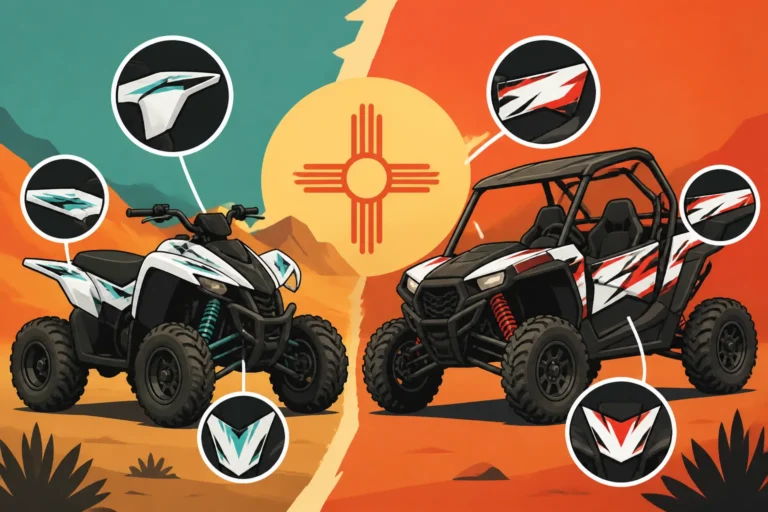
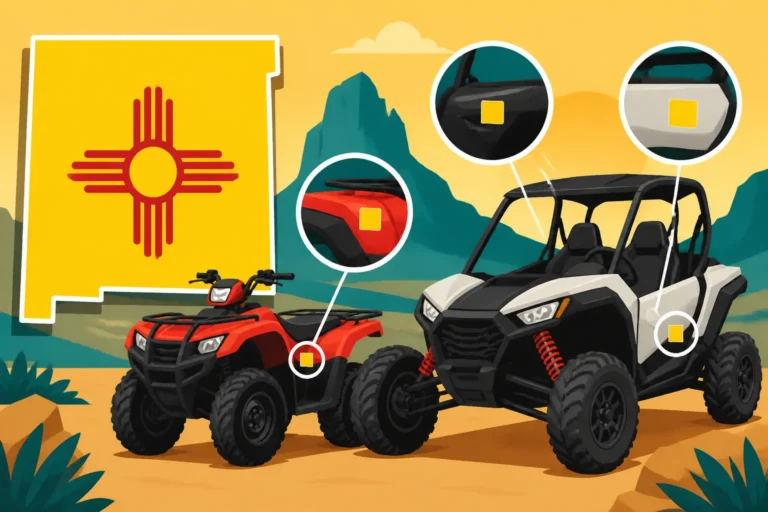
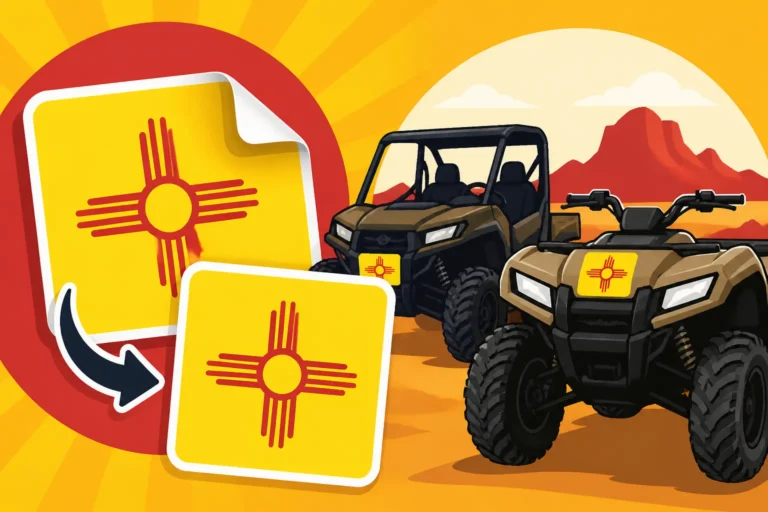
For instance, if you ride an ATV (All-Terrain Vehicle), both the yellow and green decals should typically be affixed to the left-rear fender or quarter panel. This location ensures that the decals are visible from the rear and side, which is often how an officer might approach your parked or slowly moving machine. For a Side-by-Side or Recreational Off-Highway Vehicle (ROV), the placement usually shifts to the left-rear quarter panel. This larger surface area accommodates the decals neatly and keeps them out of the way of riders and cargo. Dirt bikes, with their more minimalist design, require placement on the left fork leg. The key across all vehicle types is that the decals must be securely attached, fully visible, and free from mud, dirt, or other obstructions that could obscure the registration numbers. It’s always a good idea to clean the area thoroughly before applying the decals to ensure they stick properly and last through all your adventures. You can find detailed instructions specific to your machine type in [Where New Mexico Decals Mount by Vehicle Type] or [New Mexico OHV Decal Placement Rules].
Keeping Decals Clean and Visible
Once your decals are properly affixed, your job isn't quite over. New Mexico's diverse riding environments, from dusty desert trails to muddy forest paths, can quickly cover your decals in grime. A decal that is unreadable due to dirt, fading, or damage is just as problematic as not having one at all in the eyes of the law. So, a critical part of maintaining your OHV's legal status is regularly ensuring both your yellow and green decals remain clean, intact, and perfectly legible.
This means periodically wiping them down with a damp cloth after a ride, especially if you've been through mud or heavy dust. While they're designed to be durable, continuous exposure to harsh sunlight, abrasive dirt, and power washing can eventually take a toll. If you notice a decal is starting to peel, crack, or fade to the point where the numbers are indistinguishable, it's time to consider ordering a replacement from the MVD. It’s a minor chore that prevents major headaches down the road. Imagine being pulled over for a routine check, only for the officer to be unable to read your registration, even though you have it. That little bit of upkeep ensures your commitment to legality is always clear. Keeping all your [New Mexico OHV Registration Paperwork] organized, perhaps using secure digital files or even hard copies stored safely, makes it easier if a decal needs replacing.
Essential Considerations for Dual Decal Riders
Beyond simply having and displaying both the yellow and green decals, there are several other important factors that riders need to keep in mind when opting for dual decal coverage. These considerations often revolve around the additional responsibilities that come with being authorized for on-highway use, as well as general best practices for all OHV riders in New Mexico. Overlooking these details can negate the benefits of having both decals or, worse, lead to unsafe situations and legal trouble.
It’s about understanding that the green decal isn't a magic wand; it's a privilege that comes with specific duties. Just as you wouldn't drive a car without a license and insurance, using your OHV on paved roads requires adherence to a similar set of rules, albeit tailored for OHVs. Staying informed about these nuances ensures you're not just technically compliant, but also a responsible and safe rider who respects both the rules of the road and the off-road.
Insurance and Licensing Requirements
A key distinction when you have the green on-highway decal is the mandatory requirement for liability insurance and a valid driver's license for the operator. Unlike purely off-highway riding, where insurance might be optional (though highly recommended!), using your OHV on any paved public road in New Mexico makes specific liability coverage non-negotiable. This is to protect you and others in the event of an accident on the pavement, just as with any other motor vehicle. The policy must meet New Mexico's minimum financial responsibility limits.
Likewise, anyone operating an OHV on a paved public road must possess a valid driver's license. This means you can't have an unlicensed teenager, for example, driving a green-decaled UTV on a county road, even if they are perfectly capable of operating it off-road. These requirements are in place because paved roads involve higher speeds, more diverse traffic, and different rules of engagement than a remote dirt trail. Always carry proof of insurance and your driver's license with you when riding, especially if you plan to venture onto any paved surfaces. If you're organizing your vehicle documents, remember that platforms like LawDepot can assist with creating clear, legally sound paperwork, helping ensure you have all your bases covered before hitting the MVD. This also ties into [New Mexico OHV Registration and Liability Insurance] requirements.
| Decal Color | Primary Purpose | Key Requirements (Beyond OHV Reg.) | Where It Allows Riding (Locally Permitted) | Operator License Needed? | Insurance Needed? |
|---|---|---|---|---|---|
| Yellow | Off-Highway Use | None | Designated OHV Areas, BLM, Forest Service Land (unpaved) | No (for adults) | No (recommended) |
| Green | Paved Road Use | Equipment Standards, Proof of Insurance | Paved County Roads, City Streets | Yes | Yes |
Staying Informed About Local Ordinances
The green decal opens up the possibility of riding on paved roads, but it doesn't grant universal access everywhere. This is a crucial distinction that many riders overlook. New Mexico law grants counties and municipalities the authority to decide whether to open their paved roads or streets to OHVs. So, while your machine might be fully equipped and decaled, you still need to know the local rules of the road.
Before you plan a trip that involves paved road sections, always do your homework on the specific county or town you'll be visiting. Some communities, like Red River, have specific ordinances for OHVs, dictating which types of machines are allowed, specific streets they can use, and even curfews. Other counties, like Sierra County, have opened nearly all their county roads to OHVs. Riding on a paved road in a community that hasn't opted in, even with a green decal, can still result in a fine. Checking county and city websites or contacting local law enforcement agencies is a proactive step that ensures you're riding respectfully and legally. This constant vigilance is part of being a responsible OHV enthusiast in New Mexico, ensuring your ride is enjoyable and free of unexpected legal troubles.
This article is for general informational purposes only and does not constitute professional advice. Laws, prices and regulations vary by location and change over time. Consult a qualified professional for guidance on your specific situation.