When Closed Forest Roads Reopen in Spring
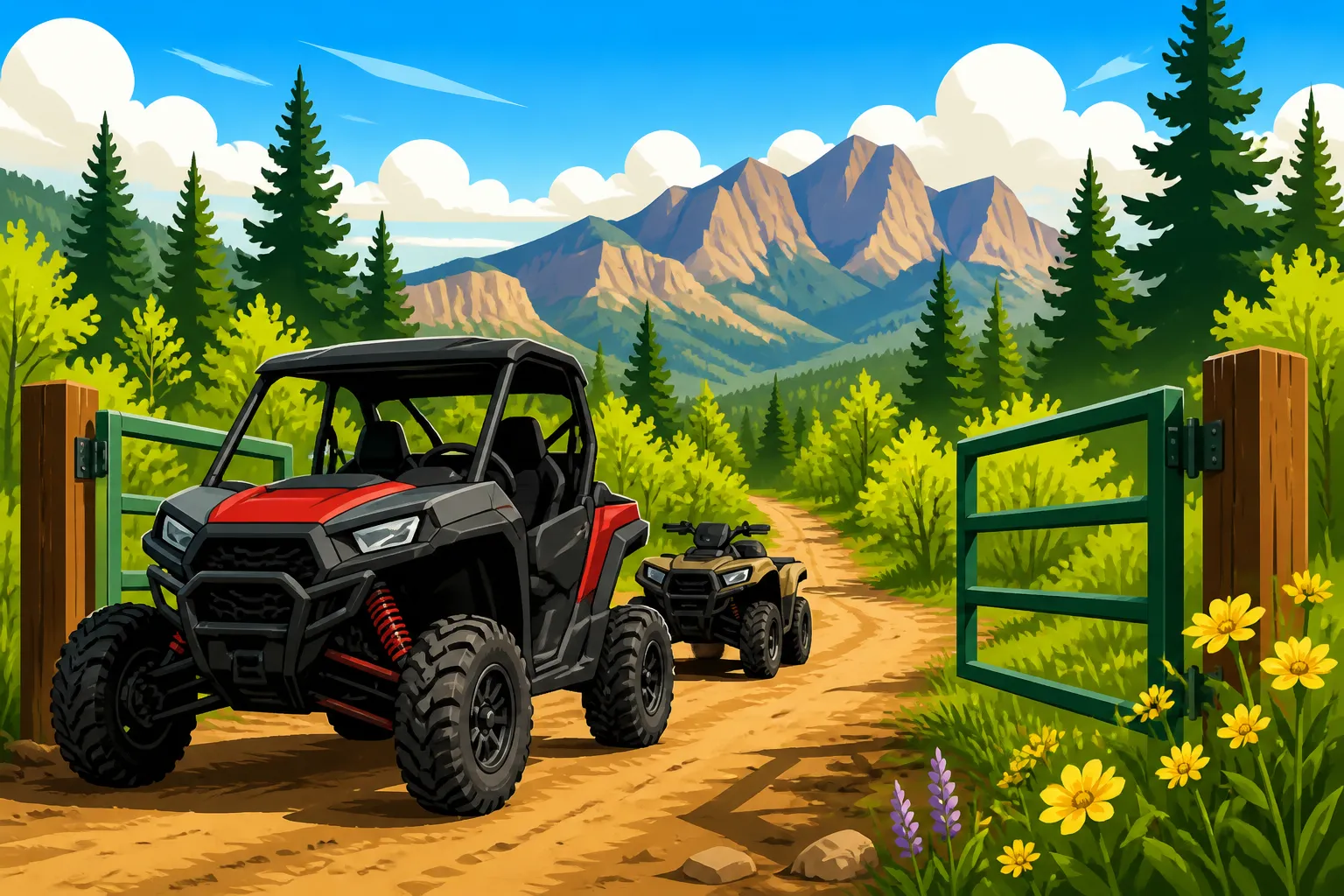
There's nothing quite like the anticipation of spring in New Mexico, when the days get longer, the sun feels warmer, and you can almost hear the hum of your ATV or UTV begging to hit the trails. But then you head to your favorite forest road, full of excitement, only to find that all-too-familiar "ROAD CLOSED" sign still firmly in place. It's incredibly frustrating, I know, especially when the valleys are greening up, and you're ready for adventure. This guide is here to unravel the mystery of those springtime forest road closures, helping you understand why they happen and, most importantly, how to get the most accurate information on when those gates will finally swing open for another season of incredible New Mexico off-roading.
Understanding Forest Road Closures in New Mexico
Forest roads, especially in our beautiful mountain ranges like the Carson National Forest or the Santa Fe National Forest, don't just close and open on a whim. There's a whole host of really important reasons why the U.S. Forest Service keeps those gates locked tight through the winter and often well into spring. These aren't arbitrary decisions designed to keep you from your fun; they're critical for protecting both the environment and, frankly, your safety.
Winter's Lingering Grip: Snow and Ice
Let's face it, New Mexico winters, especially at higher elevations, can dump a lot of snow. We're talking feet, not inches, that can pile up on forest roads, often drifting even deeper in shaded areas or along ridge lines. When you're dreaming of spring riding, it's easy to forget that what might be clear in Albuquerque or Santa Fe could still be under several feet of snow further north near places like Red River or Taos. This isn't just about snow depth, either. The snow itself compacts into ice, especially on north-facing slopes, creating incredibly slick and dangerous conditions. Even if a road looks clear in spots, hidden patches of ice can send an ATV or UTV skidding unexpectedly, leading to serious accidents or getting stuck far from help. It's a real hazard that many don't fully appreciate until they're facing it firsthand.
Beyond the immediate danger, the sheer volume of snow and ice can make roads impassable for rescue vehicles. Imagine getting into trouble deep in a canyon, and emergency services can't even get within miles of you because of drifts or black ice. The closures are often a proactive measure to prevent these kinds of scenarios. The folks at the Forest Service are thinking about the bigger picture, trying to ensure that when roads are open, they're reasonably safe for everyone to navigate. Many of us have been caught out in unexpected spring snow or icy patches, and it can turn a fun day into a real challenge, quickly.
The Mud Season Challenge: Protecting Trails and Environment
As beautiful as spring melt is, it creates a tricky period known as "mud season." This is arguably the biggest reason for extended road closures. When tons of snow and ice begin to melt, all that water has to go somewhere. It saturates the ground, turning what would normally be firm dirt roads into soft, soupy quagmires. Trying to ride an ATV or UTV on these saturated roads isn't just messy; it causes immense damage. Tires churn up the mud, creating deep ruts that can take years to recover from. These ruts channel water, leading to erosion that washes away the very foundations of the road, sometimes even impacting nearby streams and waterways with sediment.
This damage isn't just an aesthetic problem; it’s an ecological one. Erosion can degrade water quality, harm aquatic life, and destroy fragile plant communities. It also makes the roads far less enjoyable and safe for everyone, including hikers, bikers, and future OHV users, once they finally dry out. The Forest Service invests significant time and resources in maintaining these roads, and prolonged closures during mud season are a necessary evil to protect that investment and the natural resources we all love. It's a balance between providing access and ensuring long-term sustainability. Think of it as letting the land breathe and heal before it can withstand the impact of our tires again. This is especially true for the more remote [New Mexico Rules for Riding a Forest Road] where constant maintenance isn't always possible.
The Factors Influencing Spring Reopening Dates
It would be wonderful if there was a single, predictable date when all forest roads in New Mexico magically opened. But Mother Nature and complex land management plans just don't work that way. The actual reopening dates are a moving target, influenced by a blend of environmental conditions, human resources, and a good dose of unpredictability.
Elevation and Aspect: The Unseen Timetable
One of the most significant factors is elevation. Naturally, roads at lower elevations, or those on south-facing slopes that get more direct sunlight, will thaw out and dry much faster than those higher up or on north-facing slopes. You might find roads open in the lower foothills of the Jemez Mountains while the passes leading up to the Pecos Wilderness are still buried under feet of snow. This is why you'll often see a staggered reopening, with some areas becoming accessible weeks or even months before others. Our friends who manage the land are keeping a close eye on these microclimates. [New Mexico Riding Seasons by Elevation] can vary dramatically across the state, so it's not a one-size-fits-all scenario.
The "aspect," or the direction a slope faces, also plays a huge role. A road winding along a sunny, south-facing ridge might be dry and dusty, while just around the corner on a north-facing slope, you could be slogging through deep, icy mud. These subtle differences create a mosaic of conditions across the landscape, making it impossible to give a blanket opening date for an entire forest. It's truly a localized effort, requiring constant monitoring by local ranger districts.
Weather's Unpredictable Role
New Mexico weather is notoriously unpredictable, especially in spring. We can have weeks of warm, sunny days that quickly melt snow and dry out roads, only to be hit by a late-season snowstorm that pushes everything back by a week or two. A sudden cold snap can freeze muddy roads solid, only for them to turn back into a slushy mess with the next warm front. These swings make forecasting reopening dates incredibly challenging. The Forest Service usually waits until conditions are stable and consistently dry enough to prevent immediate re-damage before lifting closures.
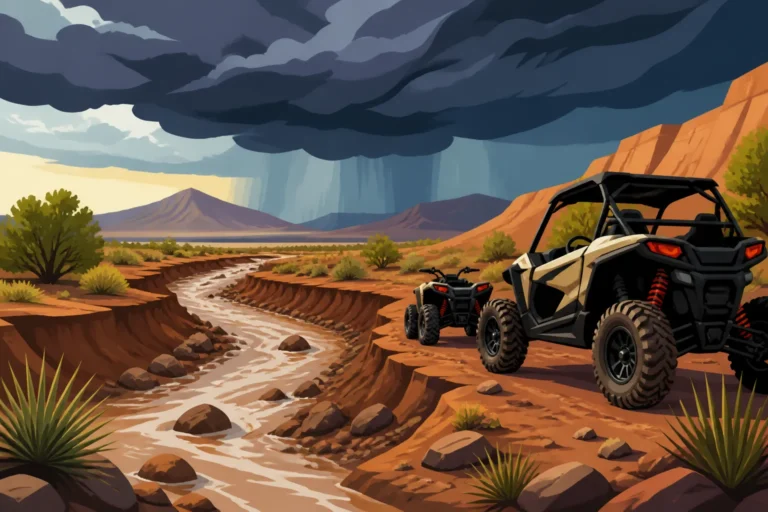
Heavy spring rains after the snowmelt can also delay openings. Even if the snow is gone, torrential downpours on already saturated ground can quickly turn roads back into unrideable mud, or worse, cause flash floods and washouts. I've personally seen a perfectly dry trail turn into a raging riverbed after an unexpected afternoon monsoon. These events often mean more assessment and potential repairs are needed before roads can be safely reopened.
Forest Service Resources and Local Conditions
Finally, the human element comes into play. The Forest Service needs staff and equipment to physically assess roads, clear fallen trees, repair washouts, and sometimes even grade sections before they can be officially reopened. If there's been a particularly heavy winter, or significant storm damage, this work can take time. Sometimes resources are stretched thin, or priorities shift, impacting the speed at which roads are made ready. It's not just a matter of the snow melting; it's about making sure the infrastructure is safe and sound.
Local conditions within specific districts also dictate timelines. A ranger district might have certain roads that are more prone to mud, or that require specific repairs. For example, a major washout on a popular access road could divert resources from other areas, leading to delays. This is why getting information directly from the specific ranger district you plan to visit is always your best bet.
How to Find Out About Specific Road Reopenings
Okay, so we've established that there's no magic "Open Sesame" date for all of New Mexico's forest roads. So, how do you find out when your favorite spots are actually ready to ride? It requires a bit of proactive research, but thankfully, there are reliable ways to get the most up-to-date information.
Official Forest Service Websites and Maps
Your absolute first stop should always be the official websites for the individual National Forests in New Mexico. Each forest—like the Carson, Santa Fe, Cibola, Lincoln, and Gila National Forests—maintains its own website with "Alerts & Notices" or "Current Conditions" sections. This is where they post real-time updates on road closures, fire restrictions, and trail conditions. You can often find Motor Vehicle Use Maps (MVUMs) there, which are the official maps showing where you can and cannot ride, and sometimes include seasonal closure information. These maps are essential, whether you're planning a trip to a specific area like the Carson National Forest or just exploring new routes. You can learn more about general closures by looking up [Forest Roads That Close From December Onward].
It's crucial to check these sites frequently in the spring, as updates can happen without much advance notice. While they might not give you an exact "May 15th" date, they will often announce when areas are expected to open or when assessments are underway. These sites are your single most authoritative source of information directly from the land managers themselves. Don't rely on old forum posts or generalized news articles; go straight to the source.
Calling Your Local Ranger District
Sometimes, the websites can be a bit generic, or you might have a very specific question about a particular road or trail. In these cases, picking up the phone and calling the local ranger district office is invaluable. The folks working at these district offices are on the ground; they know their specific area intimately. They can tell you about conditions that might not be broad enough to make it onto the main forest website, or give you a more nuanced understanding of when a specific road might reopen. For example, if you're planning a trip near Red River, calling the Questa Ranger District would be the best approach.
When you call, be patient and specific with your questions. Ask about the particular road or trail you're interested in. They might not be able to give you an exact date, but they can often provide a "best guess" or tell you what conditions they're waiting for. Remember, they're often dealing with a high volume of calls during prime riding season, so a friendly and clear inquiry will go a long way. This direct communication can sometimes reveal details that simply aren't available online.
Other Community Resources
While official sources are paramount, local businesses and community groups can also be a helpful secondary source, especially for general sentiment or to confirm what you've heard. Local OHV clubs, tour operators, and even some gear shops (like those that might sell products from SuperATV) in towns adjacent to riding areas often have their ears to the ground. They might hear unofficial chatter or observe conditions firsthand. For instance, a rental shop in Red River is going to know exactly what's happening on the local forest roads because their business depends on it.
However, always cross-reference any information from these sources with the official Forest Service channels. Community intel can be great for a general idea, but the ultimate authority on whether a road is legally open for use is always the Forest Service. Also, consider online forums or social media groups dedicated to New Mexico OHV riding, but again, treat these as discussion points, not definitive statements. Always verify with official channels before you load up the rig and hit the road.
| Information Source | Best For | Specificity | Timeliness | Authority Level |
|---|---|---|---|---|
| Forest Service Websites | Broad forest-wide alerts, official maps | Moderate to High | Daily/Weekly Updates | High |
| Ranger District Calls | Specific road conditions, localized insights | High | Real-time via phone | High |
| Local OHV Clubs/Groups | Community sentiment, general area conditions | Moderate | Variable | Moderate |
| Local Businesses | Conditions near popular trailheads/towns | Moderate | Variable | Moderate |
| MVUMs (Official Maps) | Designated routes, seasonal closures | High (for designated) | Static (updated yearly) | High |
Preparing for Your Spring Riding Season
Once you've confirmed that your favorite forest roads are open, it's time to get your rig and yourself ready for action! Spring riding can offer some of the most beautiful conditions, with fresh green growth and cooler temperatures, but it also means being prepared for potentially muddy spots, lingering snow patches, and rapidly changing weather.
Pre-Ride Machine Checks
Before you even think about loading up, give your ATV or UTV a thorough once-over. Winter storage can be tough on machines, and spring riding often means encountering varied terrain, from dry stretches to unexpected mud bogs. Check all your fluids—oil, coolant, brake fluid. Make sure your tires are properly inflated and that the tread isn't too worn, especially if you expect to encounter soft terrain. A good set of tires makes all the difference when you're navigating newly opened, potentially slippery forest roads. If you've been considering an upgrade, now might be the time to look at some robust tires or suspension components from a brand like SuperATV that can really take a beating on the trails.
Also, test your brakes, lights, and horn. Check your winch, if you have one, and ensure your recovery gear is easily accessible and in good working order. There's nothing worse than getting stuck in a remote area and realizing your recovery strap is frayed or your winch remote is dead. Ensure your spark arrester is in good shape, as it's a [New Mexico Spark Arrester Requirement] for riding on public lands. A well-maintained machine is a safe machine, and it prevents those frustrating breakdowns far from civilization.
Gearing Up for the Season
Just like your machine, your personal gear needs to be ready. Even if it's warm in the valley, higher elevations can still be chilly, especially in the mornings or if a spring storm rolls through. Dress in layers so you can adjust to changing temperatures. Always wear a helmet, eye protection, and sturdy riding gear. If you're riding on paved roads to access trails, remember the [New Mexico Helmet Law for ATV Riders] and [New Mexico Eye Protection Requirement]. Carry plenty of water, snacks, a first-aid kit, and basic tools for any minor trailside repairs.
A good map (both paper and digital), a GPS device, or a reliable app on your phone is essential. Cell service can be spotty or non-existent in many of our forest areas, so relying solely on your phone is a gamble. Having a physical map of the [New Mexico Rules for Riding a Forest Road] you're on, even as a backup, is a smart move. Remember to carry proof of your [New Mexico OHV Permits Explained] or registration, depending on your residency status.
Being a Responsible Rider
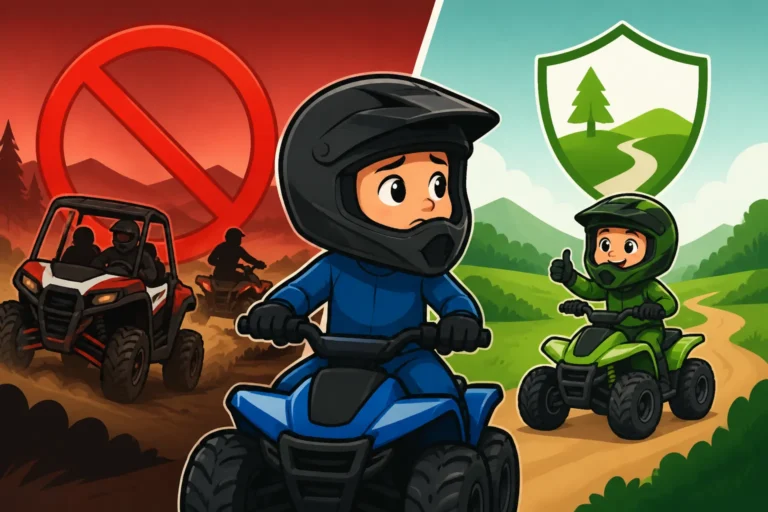
Finally, and this is truly crucial, even when roads are officially open, exercise caution. Early spring conditions can still be unpredictable. You might encounter soft shoulders, washouts not yet fully repaired, or even fallen trees that weren't there on your last ride. Respect any lingering temporary closures or signs, and always stick to designated routes. [New Mexico Rules for Riding Off a Route] are in place for very good reasons, often to protect fragile ecosystems or wildlife habitat.
Remember to practice Leave No Trace principles: pack out everything you pack in, stay on marked trails, and minimize your impact. Encountering wildlife like elk, deer, or bears is common in spring as they become more active; give them space and never approach them. Be mindful of others using the forest—hikers, mountain bikers, and equestrians all share these spaces. A friendly wave and slowing down can make a big difference in creating a positive experience for everyone.
By understanding the reasons behind forest road closures, actively seeking out current information, and properly preparing yourself and your machine, you can ensure a fantastic and safe start to your New Mexico spring riding season. Happy trails!
Disclaimer
This article is for general informational purposes only and does not constitute professional advice. Laws, prices and regulations vary by location and change over time. Consult a qualified professional for guidance on your specific situation.