New Mexico Rules for Riding a Forest Road
There's nothing quite like the open air and breathtaking scenery of New Mexico's national forests from the seat of your ATV or UTV. But before you load up your machine and hit the dusty trails, it’s absolutely crucial to understand the specific rules and regulations governing off-highway vehicle (OHV) use on these beautiful forest roads. This guide is designed to help you navigate those often-confusing rules, ensuring your next adventure is both thrilling and fully compliant with the law.
Understanding New Mexico's Forest Road Landscape
New Mexico is blessed with incredible natural beauty, much of which falls under the jurisdiction of the U.S. Forest Service. These lands offer an unparalleled opportunity for OHV enthusiasts, but they are also managed for multiple uses, including timber, grazing, wildlife, and recreation. This multi-use approach means that while many roads are open to OHVs, there are specific guidelines you absolutely need to follow to ensure everyone's safety and the preservation of these precious resources.
Who Manages These Roads and Why It Matters
When we talk about "forest roads" in New Mexico, we're primarily referring to roads within the various National Forests, such as the Santa Fe National Forest, Carson National Forest, Cibola National Forest, or Gila National Forest. These lands are managed by the U.S. Forest Service, a division of the U.S. Department of Agriculture. Unlike state or county roads, which might have different regulations, Forest Service roads operate under a specific set of federal rules, often augmented by local forest-specific orders.
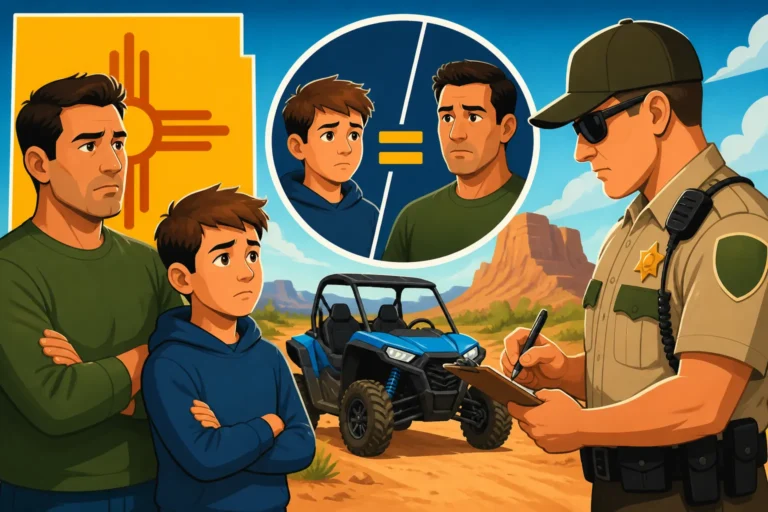
Why does this matter? Well, it means that while your New Mexico OHV registration gets you access, the actual rules about where and how you can ride are determined by the Forest Service. They're the ones designating routes, implementing seasonal closures, and setting specific rules about vehicle types or activities. You might have a perfectly legal machine according to state law, but if you're on a closed Forest Service road, you're breaking federal rules. This dual layer of regulation can catch riders off guard, leading to citations or, worse, impacting the future availability of riding areas. Always remember to check with the specific Forest Ranger District you plan to visit before heading out.
The Difference Between Forest Roads and Paved Highways
It's easy to assume that any dirt road within a forest is fair game for your ATV or UTV, but there's a critical distinction to make: a forest road is not a paved public highway. New Mexico state law has very specific provisions about riding OHVs on paved roads, and generally, state highways are off-limits, even if they appear to cut through a national forest. Counties and municipalities, however, can choose to open their own paved roads to OHV use through ordinances.
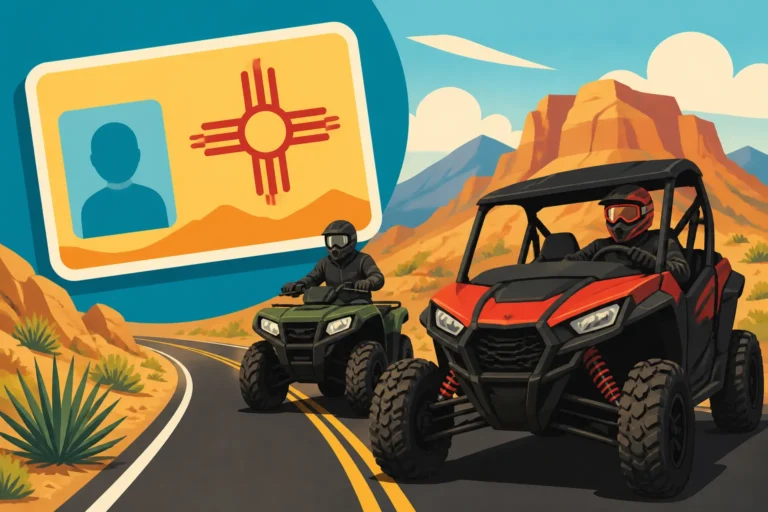
Forest roads, on the other hand, are typically unpaved, gravel, or dirt routes primarily intended for resource management and recreational access within the forest boundaries. While they are often public, they aren't part of the state's main highway system. This distinction is vital because the rules for registration, titling, and equipment often differ significantly. For instance, while you might be able to ride a particular forest road with just your standard OHV registration, riding on an adjacent paved county road could require a [New Mexico's Green On and Off-Highway Decal] or even specific safety equipment like mirrors and a horn. Always know whether you're on a Forest Service road, a county road, or a state highway, and adhere to the rules for that specific jurisdiction.
Seasonal Closures and Their Impact on Riding
One of the biggest factors impacting when and where you can ride on New Mexico forest roads are seasonal closures. These aren't arbitrary; they're put in place for very good reasons, often related to environmental protection, public safety, or resource management. For example, many higher-elevation forest roads in the Carson or Santa Fe National Forests will close down in late autumn, typically December, due to heavy snowfall and will remain closed until late spring, often May. These closures protect the roads from damage during freeze-thaw cycles and prevent riders from getting stranded in remote, snowy conditions.
Beyond winter, fire season is another major concern in New Mexico. During periods of high fire danger, particularly in dry summer months, the Forest Service might implement fire restrictions that could escalate to full forest closures. Stage 1 restrictions might limit campfires to developed sites, while Stage 2 could completely prohibit off-road vehicle travel or even close entire districts. It’s absolutely critical to check the current conditions and closure orders for your intended riding area before you even leave home. Nothing is more disappointing than driving hours only to find your favorite trails locked up due to seasonal conditions.
Essential Rules for Riding OHVs on New Mexico Forest Roads
Navigating the rules for riding off-highway vehicles on New Mexico's forest roads can feel like a maze, but breaking it down into key areas makes it much more manageable. Understanding these core requirements will keep you on the right side of the law and ensure a smooth, enjoyable ride.
Registration, Permits, and Reciprocity for Forest Access
First and foremost, any OHV operated on public lands in New Mexico, including federal forest roads, must be registered. For New Mexico residents, this means registering your machine with the Motor Vehicle Division (MVD) and obtaining a [New Mexico's Yellow Off-Highway Decal] or a [New Mexico's Green On and Off-Highway Decal], depending on your intended use. This decal proves your machine is registered and helps fund trail maintenance and other OHV programs. [New Mexico OHV Registration Cost] is a relatively small investment for access to incredible riding.
Now, what if you're visiting from out of state? New Mexico generally has broad OHV reciprocity. If your OHV is legally registered in your home state, New Mexico typically honors that registration, meaning you don't need to buy a separate New Mexico registration sticker. However, there are some nuances. If your state doesn't have an OHV registration program at all, or isn't one of the states with specific reciprocity agreements, you might need to purchase a New Mexico nonresident OHV permit. It’s always best to verify your home state’s status before your trip. For example, [Does New Mexico Honor Texas Registration?] or [Does New Mexico Honor Arizona OHV Registration?] are common questions, and generally, the answer is yes, but it never hurts to double-check. Always carry proof of registration, whether it's your New Mexico decal or your out-of-state paperwork, as a forest ranger may ask for it.
Equipment Requirements for Safe and Legal Riding
While forest roads might not have the same stringent equipment requirements as paved county streets, there are still essential items your OHV needs to be legal and safe. This isn't just about avoiding a fine; it's about protecting yourself and the environment.
Here’s a breakdown of common equipment requirements:
| Equipment Feature | Requirement for New Mexico Forest Roads | Purpose |
|---|---|---|
| Spark Arrester | Mandatory on all OHVs operated on federal land. Must be USFS-approved. | Prevents wildfires by containing sparks from the exhaust system. |
| Muffler | Required to prevent excessive noise. New Mexico has a 96-decibel limit. | Reduces noise pollution, important for shared-use areas and wildlife. |
| Headlight & Taillight | Required for riding after dark or in low visibility conditions. | Essential for visibility to others and for the rider to see the path. |
| Brakes | Must be in good working order. | Crucial for safety, especially on steep or uneven terrain. |
| Helmet | Mandatory for all riders under 18 years of age. Recommended for all riders. | Protects against head injuries, especially important on rough trails. |
| Eye Protection | Recommended for all riders to protect against dust, debris, and glare. | Prevents eye injuries, essential for clear vision while riding. |
Beyond these, consider the terrain. Many riders enhance their machines with durable aftermarket parts from companies like SuperATV, ensuring their UTVs and ATVs can withstand the rugged conditions of New Mexico's forest roads. Think about reinforced A-arms, robust skid plates, or heavy-duty tires that can handle sharp rocks and uneven surfaces. While these aren't legal requirements, they are definitely "smart" requirements for safe and worry-free riding in remote areas.
Navigating Designated Routes and "Off-Trail" Restrictions
This is perhaps one of the most crucial rules for riding on federal land: Stay on designated routes. The U.S. Forest Service has implemented travel management plans across all national forests, meaning that OHV use is restricted to specifically marked roads and trails. This isn't just a suggestion; it's a strict rule designed to protect fragile ecosystems, prevent erosion, and minimize conflicts with other forest users.
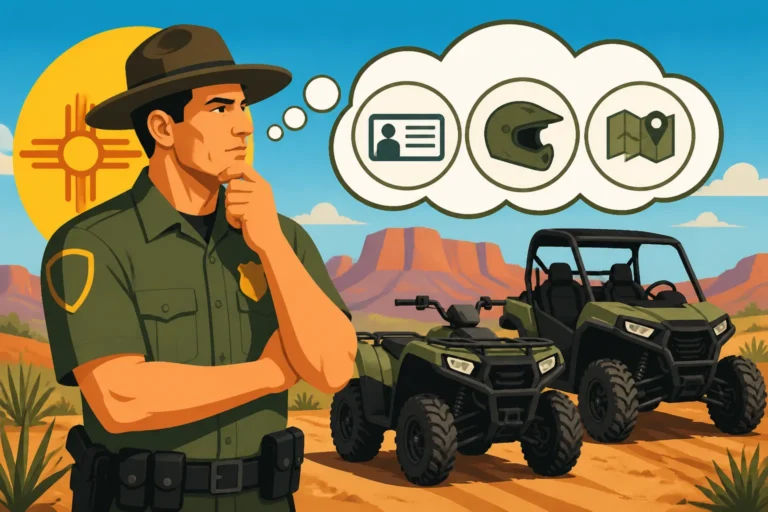
You'll often see signs indicating open routes with route numbers. Venturing off these marked trails onto undesignated paths, meadows, or wilderness areas is strictly prohibited and can result in significant fines. These "open" routes are clearly identified on Forest Service motor vehicle use maps (MVUMs), which are available at ranger stations or online. Always carry a current MVUM for the area you're exploring, or use a GPS device loaded with these maps. Relying solely on a general hiking map or an outdated app could lead you into restricted areas without realizing it. Respecting these boundaries is not just about avoiding a penalty; it's about responsible stewardship of our public lands, ensuring that these incredible riding opportunities remain open for generations to come.
Safety and Etiquette on New Mexico Forest Roads
Riding OHVs on New Mexico's forest roads is an exhilarating experience, but it comes with responsibilities. Adhering to safety guidelines and practicing proper trail etiquette ensures that everyone has a positive experience and that the natural environment remains pristine.
Sharing the Road with Other Users and Wildlife
Forest roads are multi-use by nature, meaning you'll share them with a diverse group of users. This includes hikers, mountain bikers, horseback riders, hunters, anglers, and even other vehicles like logging trucks or Forest Service vehicles. It's not just "your" trail; it's everyone's. When you encounter other users, slow down, be courteous, and yield the right-of-way. Horseback riders, in particular, need extra space and a slow, quiet approach to avoid spooking their animals. Always anticipate that you might encounter someone around the next bend, especially on blind corners.
Wildlife is another vital consideration. New Mexico's forests are home to elk, deer, bears, bighorn sheep, and countless other creatures. Riding responsibly means being aware of your surroundings, especially at dawn and dusk when animals are most active. Give wildlife a wide berth, and never harass or chase animals with your OHV. Remember, you're a visitor in their home, and respecting their space is paramount. Your loud exhaust or fast approach can stress animals, disrupt their natural behaviors, and even lead to dangerous encounters.
Environmental Responsibility and 'Leave No Trace' Principles
The concept of "Leave No Trace" is fundamental for anyone enjoying the outdoors, and OHV riders are no exception. This means minimizing your impact on the environment as much as possible. Stick to designated trails to prevent erosion and damage to sensitive vegetation. Avoid riding through streams or wet areas if there's an alternative, as this can harm aquatic life and create muddy ruts that worsen over time.
Proper waste disposal is also critical. Pack out everything you pack in, and if you see litter, consider picking it up. Leave plants, rocks, and other natural objects as you find them. By following these principles, you contribute to the long-term health and beauty of New Mexico's forests. Your actions directly impact how these areas are managed in the future; responsible use helps ensure continued access for OHV recreation. For example, using a reputable brand like SuperATV for your UTV accessories can help you carry out your trash and keep your machine from leaking fluids, thus aiding in your Leave No Trace efforts.
Preparing for Remote Conditions and Emergency Preparedness
New Mexico's forest roads can lead you into truly remote and isolated areas, often far from cell service or immediate assistance. This means you need to be self-sufficient and prepared for unexpected situations. Always let someone know your route and estimated return time. Carry a map (a physical one, not just a phone app), a compass or GPS device, and sufficient fuel, water, and food for your trip, plus extra in case of delays.
A well-stocked first-aid kit, tools for basic repairs (like a tire plug kit), a tow strap, and a reliable communication device (like a satellite messenger) are also crucial. Weather conditions in the mountains can change rapidly, so dress in layers and be prepared for rain, snow, or sudden drops in temperature, even in summer. Breaking down 20 miles from the nearest paved road with no cell service is a serious situation, so proactive preparation can literally be a lifesaver. [New Mexico Fines for an Unregistered OHV] or other violations can be issued by a ranger, but getting stranded is often a more immediate and dangerous concern.
Specific Scenarios and Common Questions
Even with the general rules in mind, real-world situations can throw curveballs. Let's delve into some specific scenarios and common questions that often arise when riding New Mexico's forest roads.
Riding During Hunting Season or Fire Restrictions
Hunting season is a prime time for many OHV enthusiasts, as machines can be invaluable for accessing remote hunting grounds or retrieving game. However, it also means shared use of forest roads with hunters, who may be traveling on foot, horseback, or in trucks. Be extra vigilant during these periods, especially if you're not hunting yourself. Wear bright colors, slow down, and be aware of potential hazards like hunters crossing roads or parked vehicles. Always check game and fish regulations; for instance, there are often rules against [New Mexico Rules for Hunting From an ATV] or [New Mexico Rules for Retrieving Game by UTV] in certain ways or areas. Knowing these regulations ensures you're not inadvertently interfering with hunting activities or breaking wildlife laws.
Fire restrictions, as mentioned earlier, are another significant concern. These can range from Stage 1 restrictions, which might mean no campfires outside of developed recreation sites, to Stage 2, which could prohibit OHV use entirely on certain roads or in entire districts. These restrictions are announced by the Forest Service and are strictly enforced. Ignorance is not an excuse, and violating fire restrictions can lead to severe penalties, including hefty fines and even being held responsible for fire suppression costs if your actions cause a wildfire. Always check the official Forest Service website or call the local ranger district for current fire conditions before your trip.
What to Do When You Encounter a Closed Gate or Cattle Guard
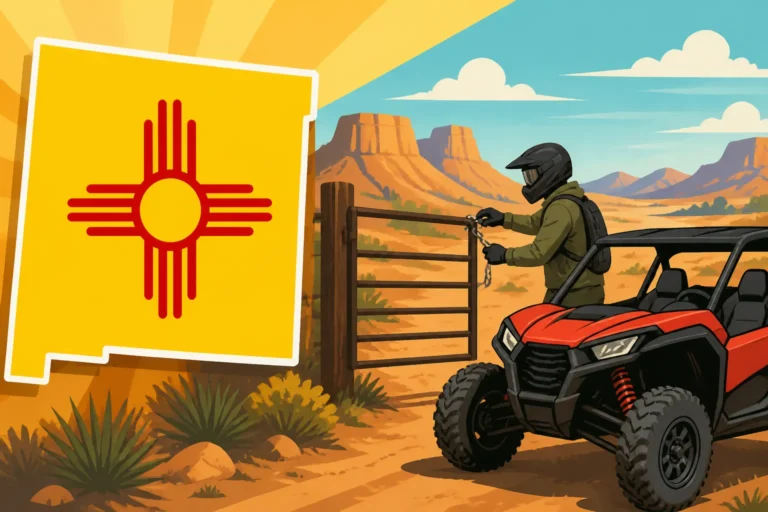
Encountering a closed gate on a forest road can be confusing. The general rule of thumb is: if a gate is closed, leave it closed. Never open a closed gate unless there is clear signage indicating that public access is permitted and that you should close it behind you. Closed gates often signify private property, active logging operations, designated wildlife closures, or seasonal road closures. Disregarding a closed gate can lead to trespassing charges, damage to private property, or entering an unsafe area.
Cattle guards are a different story. These metal grids are designed to prevent livestock from crossing while allowing vehicles to pass. You can typically drive right over a cattle guard. However, sometimes you'll find a gate adjacent to a cattle guard. This usually means the gate is there for equestrian or pedestrian access, or to be used if the cattle guard is damaged. Again, if the gate is closed, and you use it, ensure you close it tightly behind you to prevent livestock from escaping. [New Mexico Rules for Opening a Gate] are simple: leave it as you found it, or better.
How Vehicle Width and Type Affect Access
Not all forest roads are created equal, and the type of OHV you're riding can impact where you're allowed to go. Some "roads" are actually narrow trails specifically designated for ATVs or motorcycles, while others are wide enough for full-sized trucks and UTVs. The [New Mexico Width Limits on Forest Trails] are important to understand. Many single-track trails are restricted to vehicles 50 inches wide or less. This means your larger side-by-side or UTV, especially if it has a wide aftermarket suspension from a company like SuperATV, might be too wide for certain trails.
Always check the motor vehicle use map (MVUM) for the specific area. These maps clearly indicate which roads and trails are open to which types of vehicles (e.g., vehicles under 50 inches, all OHVs, or full-sized vehicles). Attempting to force a wide UTV down a narrow ATV-only trail can damage the trail, the surrounding environment, and your machine. It also creates a safety hazard and is a violation of the travel management plan. Knowing your machine's dimensions and matching them to the designated routes is a key part of responsible forest road riding.
Disclaimer
This article is for general informational purposes only and does not constitute professional advice. Laws, prices and regulations vary by location and change over time. Consult a qualified professional for guidance on your specific situation.