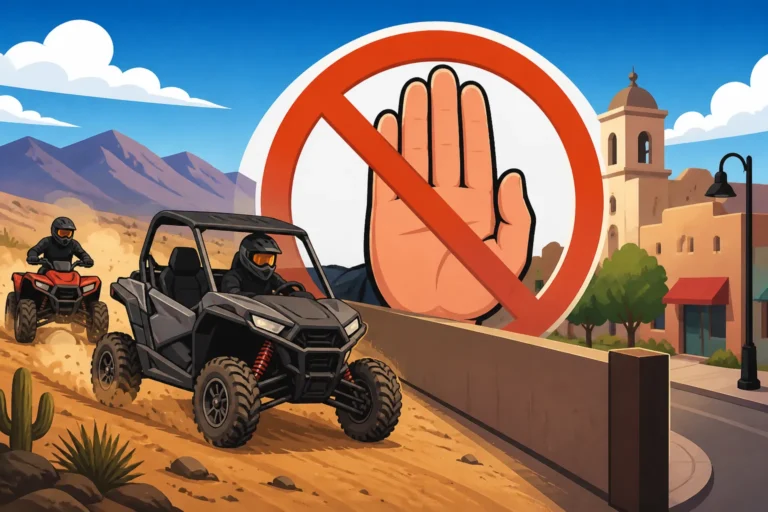
The NM 38 Exclusion Zone in Red River
There’s nothing quite like planning a fantastic off-highway vehicle (OHV) trip to the mountains, imagining those crisp New Mexico mornings and winding trails. But when you arrive in a popular mountain town like Red River, New Mexico, you might quickly find yourself scratching your head, wondering why some streets are open to UTVs and others aren't, or why your ATV is getting the cold shoulder. This guide is here to unravel the often-confusing rules around the NM 38 Exclusion Zone in Red River, helping you understand where you can and can't ride, what kind of machine is permitted, and how to navigate this charming town without running afoul of the local ordinances.
What is the NM 38 Exclusion Zone in Red River?
The Town of Red River, nestled high in the Sangre de Cristo Mountains, is a beloved destination for OHV enthusiasts. Its proximity to incredible trails in the Carson National Forest makes it a natural hub. However, the town has specific rules governing OHV use on its streets, designed to balance the needs of residents, other visitors, and the OHV community. One of the most significant of these regulations is the "NM 38 Exclusion Zone." This isn't just a suggestion; it's a critical boundary that dictates where certain types of off-highway vehicles are simply not allowed to operate.
Defining the Boundaries of the Exclusion Zone
When we talk about the NM 38 Exclusion Zone, we're primarily referring to a specific stretch of New Mexico State Road 38 (NM 38) that runs directly through the heart of Red River. Think of NM 38 as the town's main artery, often referred to simply as Main Street. This zone typically covers the core commercial and pedestrian areas where shops, restaurants, and lodging are concentrated. It’s the vibrant, bustling part of town where families stroll, and traffic can get pretty dense, especially during peak season. While the exact markers might vary slightly, the general idea is that between certain cross streets, most ATVs are explicitly prohibited, and even UTVs have specific rules of engagement. For instance, the town's ordinance often specifies the section of NM 38 [Between Caribel Trail and Jayhawk Trail] as the primary exclusion area for ATVs. This means if you're coming into town from either the east or west, you'll need to be aware of where this zone begins and ends, and plan your route accordingly if you're on a machine that isn't allowed.
Imagine pulling into town after a long drive or a dusty day on the trails. Your first instinct might be to drive your ATV or UTV straight to your hotel or a restaurant. But if your destination is within this exclusion zone, you’ll quickly realize that’s not an option for certain machines. The signage in Red River is generally pretty good about indicating these zones, but knowing the specific boundaries beforehand can save you a lot of confusion and potential headaches. It's about protecting the safety and experience of everyone enjoying the town, ensuring that the heavy machinery of an OHV isn't mixing unnecessarily with pedestrian traffic in confined spaces.
Understanding the Purpose Behind the Restriction
At first glance, these restrictions might feel like an annoyance, especially when you've traveled all the way to Red River to enjoy its OHV-friendly reputation. However, the purpose behind the NM 38 Exclusion Zone is rooted in very practical concerns. Red River is a relatively small town, and its Main Street can become incredibly congested. Mixing ATVs, which are generally smaller and more agile but also more prone to tipping and less visible in heavy traffic, with cars, trucks, motorcycles, and pedestrians, creates significant safety risks. The town has a vested interest in maintaining a safe environment for everyone, particularly families and children who are often walking along Main Street.
Beyond safety, there's also the element of urban planning and visitor experience. The core of Red River is designed for a pedestrian-friendly atmosphere, where visitors can comfortably explore shops, grab a coffee, or enjoy a meal without feeling overwhelmed by the constant presence of off-road vehicles. The noise levels, dust, and sheer physical presence of numerous ATVs can detract from this desired ambiance. By implementing the exclusion zone, Red River aims to preserve its charm and appeal as a serene mountain getaway, while still embracing its identity as an OHV destination. It’s a delicate balance, trying to accommodate both the trail riders and those seeking a quieter mountain town experience. This regulation is a direct attempt to draw a line in the sand, creating specific areas for specific types of use.
Why Does Red River Have Specific OHV Rules?
Red River's distinct approach to OHV regulation, including the NM 38 Exclusion Zone, isn't arbitrary. It's a direct response to the town's geography, its tourism economy, and a history of balancing different recreational interests. Unlike some more sprawling communities, Red River is quite compact, with its main thoroughfare, NM 38, serving as both a state highway and the town's commercial heart. This unique confluence of factors necessitates a more nuanced set of rules than you might find in larger, more spread-out OHV destinations. The goal is always to maximize enjoyment for everyone while minimizing potential conflicts.
Red River's Unique Challenges and History with OHVs
Red River has long been a haven for outdoor enthusiasts, evolving over time to become a major draw for OHV riders. However, with popularity comes challenges. The town's narrow streets, combined with a significant influx of off-highway vehicles during peak seasons, led to increasing concerns about congestion, noise, and most importantly, safety. Imagine a busy Saturday afternoon in July: families with strollers navigating crowded sidewalks, cars bumper-to-bumper, and then ATVs weaving through traffic. It quickly becomes a recipe for chaos, or worse, accidents.
In response to these growing concerns, Red River began developing comprehensive ordinances to manage OHV traffic. This wasn't an overnight decision but rather an iterative process, refined over years to find a workable solution. The town recognized the immense economic benefit that OHV tourism brings but also understood its responsibility to ensure public safety and quality of life for its residents and non-riding visitors. This balance led to ordinances that might seem strict but are designed to allow the vast majority of OHV recreation to continue while protecting certain sensitive areas, like the core of Main Street. This historical context helps explain why there are different rules for ATVs versus side-by-sides, which we'll explore further. Understanding the history helps us see these rules not as roadblocks, but as guardrails put in place to keep the experience positive for everyone.
The Town's Approach to Balancing Tourism and Local Life
Red River's economy heavily relies on tourism, and OHV enthusiasts are a crucial segment of that market. Local businesses, from lodging to restaurants and gear shops, thrive on the steady stream of riders who visit year-round. However, the town also values its local character and the peaceful mountain experience it offers. This creates an ongoing need to strike a delicate balance: how do you welcome and accommodate OHV tourism without overwhelming the town or detracting from the experience of other visitors and residents?
The town's ordinances, including the NM 38 Exclusion Zone, are a key part of this strategy. By designating specific areas where UTVs are permitted (often referred to as [Red River's ROV-Only Streets]) and limiting ATVs more strictly, the town attempts to manage traffic flow and reduce potential hazards in its busiest sections. Furthermore, implementing measures like [Red River's 7 p.m. to 8 a.m. Curfew] for OHV street use helps to ensure quieter evenings for residents and guests, respecting the community's desire for peace after a day of activity. These rules aren't meant to deter riders but rather to channel OHV traffic in a way that minimizes disruption and enhances safety, allowing the town to continue its reputation as a premier destination for both relaxation and adventure. It’s a commitment to ensuring that the enjoyment of one group doesn’t come at the expense of another.
What the Exclusion Zone Means for OHV Riders
When you're planning your Red River adventure, understanding the specific implications of the NM 38 Exclusion Zone for different types of OHVs is crucial. It’s not a blanket ban on all off-highway vehicles, but rather a targeted regulation that distinguishes between machines based on their design and perceived safety profile within the urban environment. Misunderstanding these distinctions can lead to frustration, fines, or even cutting your trip short.
Rules for ATVs in Red River's Downtown
This is where many ATV riders encounter their primary challenge in Red River. Generally speaking, ATVs (All-Terrain Vehicles) are not permitted on the main stretch of NM 38, specifically within the designated exclusion zone in downtown Red River. This means you cannot ride your quad down Main Street to get to a restaurant, shop, or your lodging if it falls within this prohibited area. The town's stance is pretty clear on this: [Why Red River Bans ATVs but Allows ROVs]. ATVs, due to their single-rider design and characteristics that make them excellent for off-road trails, are deemed less suitable for mixed street traffic in a congested downtown area.
So, what are your options if you're riding an ATV? You’ll need to utilize designated OHV parking areas located outside the exclusion zone. From there, you'll need to walk or arrange alternative transportation (like a shuttle or a ride from a friend in a conventional vehicle) to reach destinations within the downtown core. This requires a bit more planning than simply riding door-to-door, but it's essential for complying with local law. Ignoring these rules can lead to significant fines, and trust me, getting a ticket on vacation is no fun at all. It might feel like a hassle, especially if you're used to riding your ATV everywhere in other places, but it's part of the Red River experience. Always check current local ordinances when planning your trip, as they can sometimes be updated.
Rules for UTVs (ROVs) on Red River's Streets
Unlike ATVs, Utility Terrain Vehicles (UTVs) or Recreational Off-Highway Vehicles (ROVs), which are commonly known as side-by-sides, have a bit more leeway in Red River. This is a common point of relief for many riders! UTVs, with their automotive-style controls, seatbelt systems, and generally wider, more stable platforms, are considered by the town to be more akin to small cars and are thus allowed on most of Red River's streets, including many parts of NM 38 outside the specific exclusion zone. You can often see UTVs [Riding Into Red River on a Side-by-Side], heading to and from the trails.
However, even for UTVs, there are important caveats. While you might be able to ride your UTV on many town streets, including portions of Main Street, you still need to be aware of the exact boundaries of the NM 38 Exclusion Zone where even UTVs might face specific restrictions or highly regulated passage. Furthermore, all UTVs operating on town streets must be properly registered, insured, and adhere to specific equipment requirements, just like any street-legal vehicle. This means having proper headlights, taillights, turn signals, mirrors, and often a horn. Companies like SuperATV offer a huge range of aftermarket parts that can help ensure your UTV meets all these requirements, from turn signal kits to mirrors and windshields. Remember, these aren't just for show; they're legal necessities. Always carry proof of registration and insurance, as well as a valid driver's license. Just because you can ride your UTV on some town streets doesn't mean you can disregard general traffic laws or parking regulations.
Potential Fines and Enforcement
Let's be realistic: ignoring the rules in Red River will likely lead to a negative experience. The Red River Marshal's Office actively enforces the town's OHV ordinances, especially during busy periods. They are well-versed in the local laws and are not hesitant to issue citations for violations of the NM 38 Exclusion Zone, curfew hours, or other safety regulations. Fines for riding an ATV in a prohibited area, for example, can be substantial, often hundreds of dollars, and can quickly add a sour note to your vacation budget.
Enforcement isn't just about financial penalties. Repeat offenses or blatant disregard for safety can lead to more serious consequences. The marshals are there to ensure everyone's safety, and they take that responsibility seriously. It's not uncommon for officers to be stationed at key entry points to the downtown area or to patrol the streets, particularly on busy weekends. They'll be looking for things like proper registration, valid [New Mexico's Yellow and Green Decals], appropriate machine type in designated areas, and adherence to speed limits. The best way to avoid any unpleasant encounters is simply to know and follow the rules. A quick chat with your lodging provider or a local outfitter can often clarify any ambiguities, or check the Town of Red River's official website before you arrive. It’s always better to be informed and compliant than to deal with the hassle of a ticket or a confrontation with law enforcement.
Navigating Red River with an OHV
Successfully enjoying Red River as an OHV enthusiast means understanding the lay of the land and planning your movements carefully. It’s not just about hitting the trails; it’s also about how you integrate your machine into the town environment without causing issues or breaking rules. With the NM 38 Exclusion Zone in place, navigating requires a bit of strategy, especially if you're primarily riding an ATV.
Designated Parking and Staging Areas
Since ATVs are largely prohibited from the downtown core and UTVs have their own specific access points, knowing where to park and stage your vehicle is essential. Red River provides several designated OHV parking areas, often located on the periphery of the main commercial district. These areas are specifically set up for trailers and OHVs, allowing you to unload your machine and then either embark on your trail adventure or transition into town on foot or via a permitted UTV.
These staging areas are incredibly important for managing traffic and ensuring that the downtown isn't overwhelmed by parked trailers and machines. Many of these spots are clearly marked and offer easy access to side streets or county roads that lead directly to the National Forest trailheads. If you're staying in a lodge or rental property, inquire about their specific OHV parking policies. Some properties have dedicated parking for trailers and OHVs, which can be a huge convenience. Others may require you to use the public staging areas. Being proactive about where you can legitimately park and leave your machine will save you a lot of grief and ensure you don't inadvertently park in a prohibited zone or block a local business's access. Remember to secure your machine and gear, just as you would anywhere else.
Permitted Routes and Crossing Points
While the NM 38 Exclusion Zone places restrictions on direct access, it doesn't mean the town is entirely closed off to OHV traffic. Red River has carefully designated specific routes and crossing points that allow OHV riders to navigate around or through certain parts of the town to reach trails or access services. For UTVs, these often include specific side streets that connect to NM 38 outside the core exclusion zone, allowing you to reach gas stations, groceries, or certain dining establishments.
The key is to pay close attention to local signage. Red River employs clear markings and maps to guide OHV users on approved routes. These routes are designed to minimize conflict with pedestrian traffic and ensure the safest passage possible. For instance, if you're aiming to ride forest roads from the east side of town, there will be specific turn-offs and roads that guide you there without taking you illegally through the main downtown strip. It’s important to stay on these designated paths and avoid cutting through residential areas or unauthorized shortcuts. These specific roads allow riders to get to and from the trails effectively, especially important for [New Mexico Rules for Riding to a Trailhead]. For instance, you might be able to use roads like High Street or other designated parallel routes to bypass the busiest parts of Main Street. Knowing these permitted routes is key to a smooth and legal riding experience.
Alternatives for Accessing Trails Outside the Exclusion Zone
If the thought of navigating the town's restrictions with your ATV or UTV feels overwhelming, or if you simply prefer to minimize your interaction with urban traffic, there are excellent alternatives for accessing the vast trail network around Red River. Many riders choose to trailer their machines directly to staging areas located further out from the downtown core, often closer to the actual trailhead entrances within the Carson National Forest.
This approach offers several benefits. Firstly, it completely bypasses the need to worry about the NM 38 Exclusion Zone, allowing you to focus solely on your trail adventure. Secondly, it often places you directly at the entry points for some of the most scenic rides, like those leading towards Greenie Peak or Goose Lake, saving you precious riding time that would otherwise be spent navigating town streets. Local outfitters and detailed maps can provide excellent guidance on these alternative staging locations. You might find areas where you can comfortably unload your machine, gear up, and hit the dirt immediately. Some visitors even prefer to park their trucks and trailers at their lodging and then use a shuttle service or a personal vehicle to get to the outer staging areas. This flexibility ensures that every rider, regardless of their comfort level with town riding, can fully enjoy the incredible New Mexico trails that Red River is famous for.
Equipment and Legal Considerations for Red River Riding
Beyond understanding where you can physically ride, operating an OHV in Red River, especially on town streets, comes with a set of legal and equipment requirements. These aren't just Red River's rules; many are rooted in New Mexico state law for street-legal operation, and they apply even more rigorously when you're in a busy tourist town. Taking the time to ensure your machine and your paperwork are in order can prevent a lot of stress.
Required Safety Gear and Machine Modifications for Town Access
For any OHV operation, safety gear is paramount. While New Mexico has specific helmet laws, particularly for riders under 18, it's always a good idea for all riders to wear a helmet, especially when operating on paved roads or in areas with mixed traffic. Beyond helmets, eye protection is crucial. If your machine doesn't have a full windshield, goggles or safety glasses are a must to protect against dust, debris, and insects.
When it comes to machine modifications for street access, this is particularly relevant for UTVs that intend to use designated town streets. Your UTV must meet certain criteria to be considered "street legal" in New Mexico. This typically includes:
- Headlights and Taillights: These must be fully functional and visible for a specified distance.
- Brake Lights: Essential for signaling stops to traffic behind you.
- Turn Signals: Required for indicating turns, just like a car.
- Mirrors: At least one rearview mirror, often two (side mirrors), for adequate visibility.
- Horn: A working horn to alert others.
- Muffler and Spark Arrester: To meet noise regulations and fire safety standards, especially important when riding on public lands.
- Roll-Over Protective Structure (ROPS) and Seatbelts: Essential safety features for UTVs.
Many aftermarket companies, including SuperATV, offer comprehensive street-legal kits and individual components that allow you to easily add these required features to your UTV. Investing in quality parts isn't just about compliance; it's about enhancing your safety and the safety of others on the road. Don't assume your trail-ready machine is automatically street-legal; a quick check against New Mexico's specific requirements (and Red River's additions) will ensure you're good to go.
Driver's License and Insurance for Street Legal Operations
Operating an OHV on any public street or highway in New Mexico, including those in Red River, requires more than just machine readiness; it demands proper documentation from the operator. This includes having a valid driver's license. If you're going to be driving your OHV on any street where conventional vehicles operate, you need to possess a current, valid driver's license from New Mexico or another state. This isn't just a Red River rule; it's a fundamental state requirement for operating any motor vehicle on public roads.
Equally important is proof of financial responsibility, which generally means having valid liability insurance. [New Mexico ATV Insurance Requirement] mandates a minimum level of liability coverage for any vehicle operating on public roads. This protects you and others in the event of an accident. It's not enough to just have it; you must carry proof of insurance with you while riding. A physical card or readily accessible digital proof on your phone is usually acceptable. These requirements are in place to ensure that if an accident occurs, there is a means to cover damages and injuries. Without a valid driver's license and proof of insurance, you not only risk a citation but also expose yourself to significant personal liability should an unfortunate incident happen. Always be prepared to present these documents if stopped by law enforcement.
| Rule Category | ATVs in NM 38 Exclusion Zone | UTVs/ROVs in NM 38 Exclusion Zone | UTVs/ROVs on Permitted Streets |
|---|---|---|---|
| Street Access (NM 38 Main St) | Generally Prohibited | Limited / Specific restrictions | Permitted (outside exclusion zone) |
| Designated Parking | Required for downtown access | Recommended, check lodging | Recommended, check lodging |
| Driver's License | Required (if riding on any street) | Required | Required |
| Insurance Proof | Required (if riding on any street) | Required | Required |
| Headlights/Taillights | Required (if riding at night or on street) | Required | Required |
| Turn Signals | Often required for street use | Required | Required |
| Mirrors | Often required for street use | Required | Required |
| Curfew (7 PM – 8 AM) | Applies if allowed (traversing) | Applies | Applies |
| Decals/Registration | [New Mexico OHV Decal Colors Explained] | [New Mexico OHV Decal Colors Explained] | [New Mexico OHV Decal Colors Explained] |
New Mexico OHV Registration and Decals
Every OHV operating on public land or public roads in New Mexico, whether it's an ATV or a UTV, must be properly registered with the New Mexico Motor Vehicle Division (MVD). This means your machine needs current registration and the appropriate decal displayed prominently. For a general understanding, you'll need to know about [New Mexico's Yellow Off-Highway Decal] and [New Mexico's Green On and Off-Highway Decal]. The yellow decal is for off-highway use only, while the green decal allows for both off-highway and on-highway (street-legal) use where permitted. If you plan on riding your UTV on town streets in Red River, you absolutely need the green decal, along with a valid [New Mexico Paved Road Plate Requirements].
The decal itself needs to be placed correctly on your machine. For example, [Where a Side-by-Side's Decal Goes] is often on the left rear quarter panel, easily visible. Having an expired registration or the wrong decal for your intended use is a surefire way to get a ticket from the local authorities. The registration process itself involves presenting proof of ownership, often a title or a bill of sale, and paying the biennial fee. This fee helps fund trail maintenance and other OHV programs, so your contribution directly supports the sport you love. Make sure your registration is current before you even trailer your machine to Red River, and always carry proof of registration with you, just like your driver's license and insurance. This demonstrates that you're a responsible rider and doing your part to comply with state and local regulations.
Disclaimer
This article is for general informational purposes only and does not constitute professional advice. Laws, prices and regulations vary by location and change over time. Consult a qualified professional for guidance on your specific situation.