Spark Arresters on New Mexico Public Land
There's nothing quite like the thrill of exploring New Mexico's vast and varied landscapes on your ATV or UTV, from the high desert mesas to the cool mountain forests. But before you even think about hitting those trails, there's a crucial piece of equipment that often gets overlooked until it's too late: the spark arrester. Ignoring this small but mighty component can not only lead to hefty fines and trail closures but, more importantly, could spark a devastating wildfire in our beautiful, often arid state. This comprehensive guide will walk you through everything you need to know about spark arresters on New Mexico public land, ensuring your rides are not only exhilarating but also safe and legal.
The Critical Role of Spark Arresters on New Mexico's Public Lands
Riding off-highway vehicles in New Mexico comes with immense freedom, but also immense responsibility. Our state's natural beauty, from the Ponderosa pine forests of the Carson National Forest to the sprawling mesquite dunes of Red Sands, is often incredibly dry and susceptible to fire. This is where the spark arrester steps in, acting as an unsung hero in wildfire prevention.
Why Fire Prevention is Paramount in the Land of Enchantment
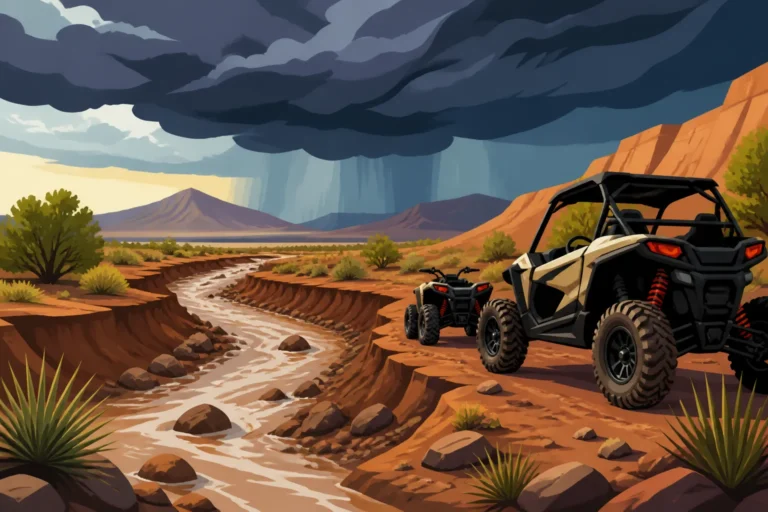
Imagine cruising along a dusty trail, enjoying the scenic views, when a tiny, superheated carbon particle escapes your exhaust. It might be no bigger than a grain of sand, but if it lands on dry grass, pine needles, or sagebrush, it can instantly ignite a fire. In New Mexico, especially during our long, hot, and often windy dry seasons, a small spark can quickly become an inferno, threatening lives, homes, wildlife, and millions of acres of precious public land. The tragic reality of wildfires, often started by human activity, underscores why every rider must take fire prevention seriously.
It's not just about protecting the land; it's about protecting access to it. When wildfires rage, public lands are often closed indefinitely, sometimes for entire seasons, to allow firefighters to work safely and to let the ecosystem begin to recover. This means less riding for everyone, impacting local economies that rely on outdoor recreation. A single unregistered or non-compliant OHV could be the catalyst for a fire that shuts down entire regions, impacting thousands of riders who follow the rules. This isn't just an abstract concern; it's a very real threat that agencies like the Forest Service and BLM constantly grapple with, leading to stringent requirements for all motorized vehicles.
Federal Mandates and New Mexico's Shared Responsibility
Because many of New Mexico's most popular riding areas fall under federal jurisdiction—think national forests like the Santa Fe and Cibola, or vast tracts of Bureau of Land Management (BLM) land—federal law heavily influences spark arrester requirements. The U.S. Forest Service (USFS) and BLM mandate that all internal combustion engines operating on lands they administer must be equipped with a properly functioning spark arrester. This isn't just a suggestion; it's a legal requirement designed to protect public resources.
New Mexico itself has embraced this spirit of shared responsibility, though the primary enforcement for spark arresters often stems from federal regulations on federal lands. While the state's OHV registration process focuses on decals, titles, and sometimes paved road plates, the spark arrester requirement is a critical component of safe and legal riding on almost all public lands, regardless of who manages them. [New Mexico Rules for Riding a National Forest] and [New Mexico Rules for Riding BLM Land] both explicitly state the need for these devices. It's a collective effort; riders, land managers, and local communities all play a part in preventing devastating fires, and having a compliant spark arrester is your personal contribution to that crucial mission.
What Makes a Spark Arrester "Approved" for New Mexico Trails?
When you're looking at your exhaust, you might wonder what exactly makes a spark arrester compliant. It's not just any screen or baffle; there's a specific standard to meet to ensure it actually does its job effectively. Knowing what to look for and how these devices work is key to staying legal and safe.
Dissecting the Spark Arrester: How It Works
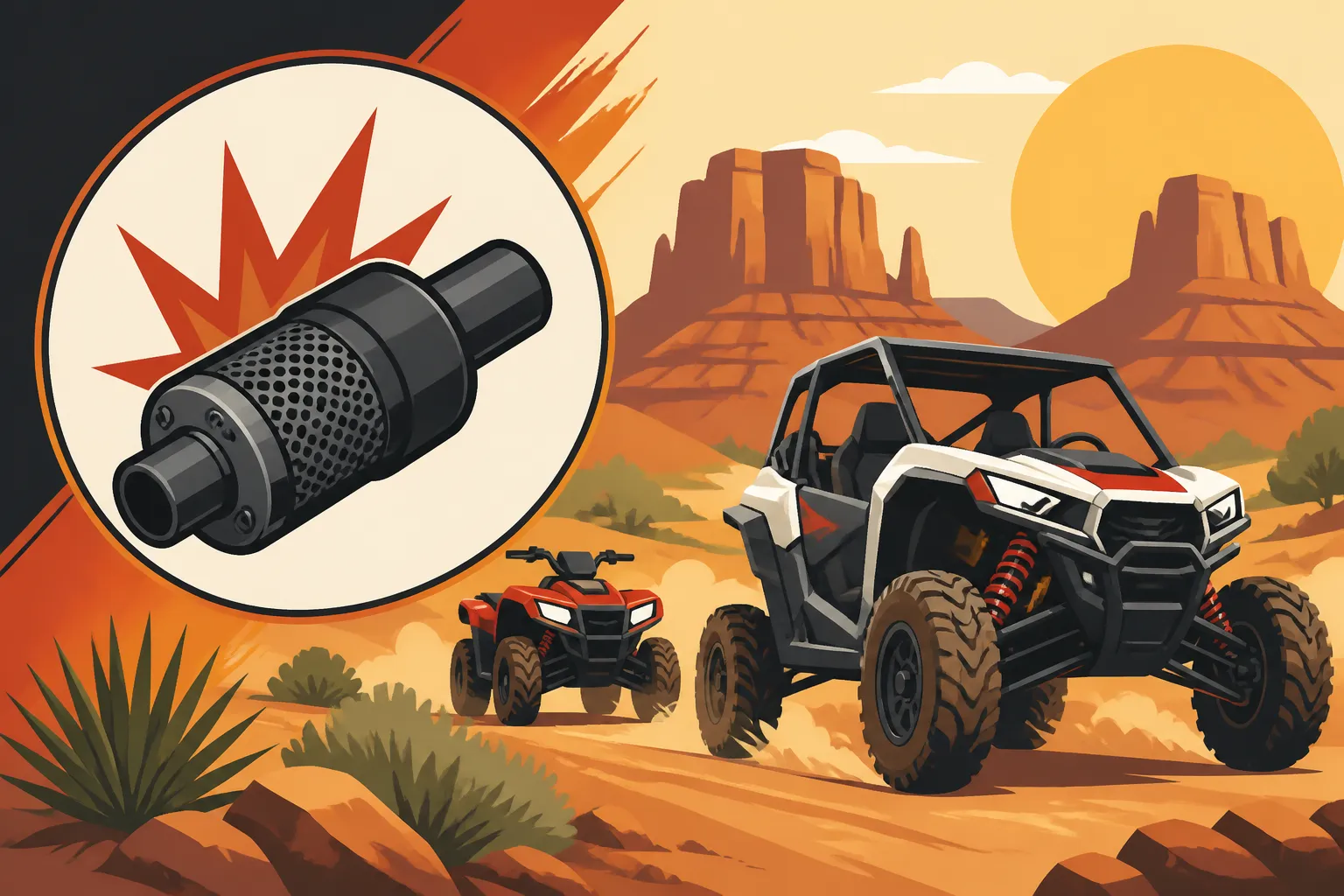
At its core, a spark arrester is a mechanical device designed to prevent the escape of incandescent carbon particles from an engine's exhaust system. These particles, produced during combustion, are typically very hot and can be ejected at high speeds. The spark arrester works by forcing the exhaust gas, and any suspended particles, to change direction abruptly or to pass through a series of baffles or screens. This change in direction causes the heavier, incandescent particles to impact a surface, breaking them up, cooling them down, and collecting them before they can exit the exhaust pipe.
Most spark arresters found on ATVs and UTVs are either "screen-type" or "centrifugal-type." A screen-type arrester uses a fine-mesh screen or a series of screens to physically block and cool the sparks. They are simple, effective, and relatively inexpensive. Centrifugal-type arresters, on the other hand, use the exhaust flow to create a swirling motion, throwing the heavier carbon particles against the outer walls of a chamber where they lose energy and cool before the gas exits. Both types are designed to achieve the same goal: stop hot particles from escaping. Many OEM (Original Equipment Manufacturer) mufflers come with integrated spark arresters, but aftermarket exhausts, while potentially offering performance benefits, must also incorporate a USFS-approved spark arrester. Companies like SuperATV offer a range of aftermarket exhaust options that include integrated, compliant spark arresters, so you don't have to choose between performance and safety.
Identifying USFS-Approved Devices and Compliance Marks
So, how do you know if your spark arrester is actually "approved"? The gold standard for public land use in the United States, including New Mexico, is certification by the U.S. Forest Service (USFS). A USFS-approved spark arrester will have a specific stamp or label indicating its compliance. This typically includes the letters "USFS Approved" or "Spark Arrester — USFS Qualified" followed by a specific model number or code. You'll usually find this marking etched directly into the metal of the muffler or on a small, riveted metal plate on the exhaust system.
It's crucial to physically check for this marking on your machine. Don't just assume. If you've purchased an aftermarket exhaust, verify that it carries this stamp. If you're unsure, consult your owner's manual or the manufacturer's website. For example, when considering an aftermarket exhaust system from a company like SuperATV, always confirm that the product description explicitly states it is USFS-approved. A missing or unreadable stamp can lead to a citation if a ranger or deputy inspects your machine. This marking is proof that the device has undergone testing and meets the strict standards for particle retention, ensuring it effectively prevents sparks from escaping and endangering our forests and deserts.
Navigating New Mexico's Regulations for Spark Arresters
Understanding the general principles of spark arresters is one thing, but knowing the specific regulations in New Mexico is another. Different land management agencies might have slightly different enforcement nuances, and the consequences for non-compliance can be severe.
Specific Rules for National Forests and BLM Land
The vast majority of New Mexico's most popular OHV riding areas are managed by either the U.S. Forest Service (USFS) or the Bureau of Land Management (BLM). Both agencies adhere to federal regulations that mandate USFS-approved spark arresters for any internal combustion engine operating on their lands. This applies to ATVs, UTVs, dirt bikes, and even chainsaws or generators you might use at your campsite. The rule is absolute: no USFS-approved spark arrester, no riding on federal land.
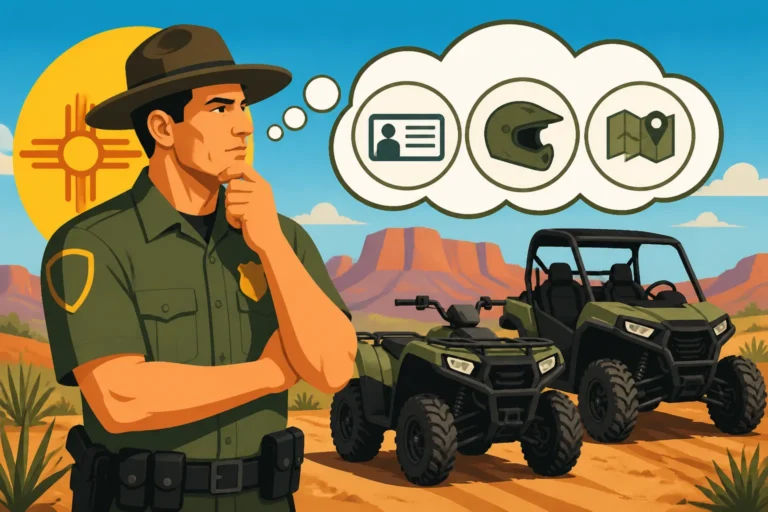
When you're out exploring trails in the Gila National Forest or carving tracks on BLM land near Farmington, rangers and law enforcement officers frequently conduct compliance checks. They'll often look for the USFS stamp on your exhaust as part of their routine inspection. If your machine lacks this crucial marking, or if the spark arrester is clearly modified, damaged, or plugged with carbon, you could be cited. The fines can vary, but they often start in the hundreds of dollars, and your ride could be cut short with an order to immediately remove your vehicle from federal land. This is why having a system that you know is compliant, perhaps even an aftermarket one from SuperATV that explicitly states its USFS approval, brings peace of mind.
State Parks, Trust Lands, and Other Public Areas
While federal lands are typically the most stringent when it comes to spark arresters, it's important not to assume state or local lands are more lenient. New Mexico State Parks generally have very restrictive rules regarding OHV use, with many outright banning them. For the few state parks that permit limited OHV access or specific events, a spark arrester is almost always a requirement, aligning with the general principle of fire prevention.
New Mexico State Trust Lands, managed by the State Land Office, also require spark arresters if OHV use is permitted. Access to Trust Lands often requires a specific permit, and adherence to all environmental and safety regulations, including spark arresters, is a condition of that permit. Always check the specific rules for the area you plan to ride. While county or municipal roads designated for OHV use might not always explicitly state a spark arrester requirement in their local ordinances, operating any OHV without one is generally a very bad idea, especially given New Mexico's wildfire risk. It's always best practice to have a USFS-approved spark arrester on your machine, no matter where you ride on public property.
The Real Costs of Non-Compliance: Fines and Environmental Impact
The financial penalties for operating an OHV without a USFS-approved spark arrester in New Mexico can be quite significant. Depending on the specific agency and the severity of the situation (e.g., high fire danger days), fines can range from a few hundred dollars to upwards of $5,000 for repeat offenses or in cases where a fire is actually started. [New Mexico Fines Up to $400] is a good baseline, but it can escalate. Beyond the ticket, an officer has the authority to impound your vehicle, leaving you stranded and facing additional towing and storage fees. This is a hassle and an expense no one wants.
But the real cost extends far beyond your wallet. The environmental impact of a wildfire, even a small one, is immeasurable. Years, sometimes decades, can pass before an ecosystem fully recovers. Wildlife habitats are destroyed, air quality plummets, and watersheds can be severely damaged, leading to increased runoff and erosion. Your individual machine's spark arrester might seem like a small detail, but when multiplied by thousands of riders, it becomes a critical defense against widespread destruction. Ignoring this requirement is a gamble with our precious natural resources, and it's simply not worth the risk. [New Mexico Fines for an Unregistered OHV] or other OHV violations often apply as cumulative penalties if you're found to be non-compliant in multiple areas, compounding the trouble.
Keeping Your Spark Arrester Trail-Ready: Maintenance and Inspection
Having a USFS-approved spark arrester is the first step; keeping it in proper working order is the essential follow-up. A neglected spark arrester can become clogged, damaged, or even ineffective, jeopardizing both your safety and your legal compliance.
Routine Checks and Cleaning Your Muffler's Lifeline
Regular maintenance is key to a functioning spark arrester. Over time, carbon deposits from the exhaust gases will build up on the screens or baffles within the arrester. If this carbon accumulation becomes too thick, it can restrict exhaust flow, leading to reduced engine performance and, ironically, potentially making the spark arrester less effective or even creating a fire hazard itself if hot carbon chunks break free.
A good rule of thumb is to inspect and clean your spark arrester every 20-30 hours of riding, or more frequently if you're riding in conditions that produce a lot of carbon, like dusty trails or when burning rich fuel mixtures. The process typically involves removing the end cap of your muffler (if it's a removable unit) and carefully extracting the spark arrester screen or core. You can then use a wire brush, scraper, or even a pressure washer to remove the carbon buildup. Always check for any signs of damage to the screen itself—tears, holes, or warping—before reinstalling it. Some manufacturers, like those who produce exhaust systems for SuperATV, will even provide specific cleaning recommendations, so always check your owner's manual. A clean spark arrester ensures optimal engine performance and, most importantly, continues to do its job of keeping our public lands safe.
Knowing When to Replace: Wear, Tear, and Upgrades
Even with diligent cleaning, spark arresters aren't immortal. Over time, the intense heat and vibrations can cause the mesh screen to degrade, warp, or develop small holes. If you notice any tears, significant corrosion, or that the screen is no longer securely seated, it's time for a replacement. A damaged spark arrester is no longer USFS-compliant and provides little to no fire protection. Continuing to ride with a compromised unit is not only illegal but also incredibly irresponsible.
If you have an aftermarket exhaust that includes a spark arrester, check if replacement spark arrester inserts are available from the manufacturer. For OEM systems, you might need to replace the entire muffler if the spark arrester is an integrated, non-removable part. This can be a good opportunity to consider an upgrade. Many riders look to aftermarket performance exhausts for a boost in power or a different sound, but it's paramount that any replacement exhaust system you choose comes with a USFS-approved spark arrester. Companies like SuperATV understand this necessity and design their exhaust products with integrated, compliant spark arresters, ensuring you can enhance your machine's performance without compromising safety or legality on New Mexico's public lands. Before replacing, always confirm the new part meets federal standards.
Beyond the Basics: Spark Arrester Best Practices for New Mexico Riders
A spark arrester is just one piece of the puzzle when it comes to responsible OHV use in New Mexico. Combining its proper function with a broader approach to fire safety and informed riding practices will make you a truly exemplary trail user.
Combining Spark Arresters with Overall Fire Safety
While your spark arrester works hard to prevent exhaust-related fires, it's only one potential source of ignition. As a responsible rider in New Mexico, you should adopt a holistic approach to fire safety. This includes:
- Inspecting your machine: Check for any fuel leaks or electrical issues before each ride. Hot engine components can ignite leaking fluids.
- Tire pressure: Keep tires properly inflated. A low tire can create friction and heat, especially if the rim rubs against the tire on rocky terrain, generating sparks.
- Avoid parking on dry grass: The catalytic converter and muffler on your OHV get incredibly hot. Parking directly over dry grass, leaves, or brush can easily ignite a fire, even if your spark arrester is perfect. Always park on bare dirt, rock, or paved surfaces.
- Carry fire suppression tools: Many experienced riders carry a small fire extinguisher on their OHV, or at minimum, a shovel and a supply of water. These can be invaluable for quickly dousing a small flare-up before it gets out of control.
- Be aware of fire restrictions: During periods of high fire danger, land management agencies often implement fire restrictions, sometimes closing certain areas or prohibiting campfires and even charcoal grills. Always check the current fire conditions for your specific riding area before heading out. The smallest ember can wreak havoc. [New Mexico Rules for Carrying Fuel] also touches on safety considerations beyond just spark arresters.
Addressing Performance Concerns and Aftermarket Solutions
A common misconception among some riders is that spark arresters restrict exhaust flow, thereby reducing horsepower. While a clogged spark arrester will definitely hurt performance, a properly designed and clean USFS-approved unit has a negligible impact on a well-tuned engine. Modern spark arresters are engineered to be efficient, allowing exhaust gases to flow freely while still capturing incandescent particles. In fact, running without a spark arrester, or with a severely modified one, can sometimes lead to issues with back pressure and engine tuning, potentially doing more harm than good to your engine's longevity.
For riders looking to optimize their machine's performance, aftermarket exhaust systems are a popular choice. However, it's absolutely vital to ensure any aftermarket system you consider is USFS-approved and comes with an integrated spark arrester. Many reputable manufacturers, including SuperATV, design their performance exhausts with USFS-compliant spark arresters built-in, so you don't have to choose between exhilarating performance and responsible riding. Always double-check product specifications to confirm compliance before making a purchase. Investing in a quality, compliant system means you get the best of both worlds: enhanced performance and peace of mind on the trails.
Your Pre-Ride Spark Arrester Checklist
Before every ride, especially when heading to New Mexico's public lands, a quick spark arrester check should be part of your routine. It takes just a few moments but can save you a lot of grief and prevent a potential disaster. [Checking Your Spark Arrester Before Public Land] is a critical step that should be on every rider's mind.
Here’s a simple checklist:
| Check Item | Description | Why It Matters |
|---|---|---|
| Visual Inspection | Look at the end of your muffler. Do you see a screen or series of baffles? Is it intact? | Ensures the physical device is present and hasn't fallen out or been removed. |
| USFS Stamp | Locate the "USFS Approved" or "Spark Arrester — USFS Qualified" stamp on the muffler. Is it legible? | Confirms federal compliance, which is required on national forests and BLM land. |
| Carbon Buildup | Peer into the exhaust. Is the screen heavily caked with black carbon? | Excessive buildup restricts flow, reduces performance, and can make the arrester ineffective. |
| Damage | Check for any holes, tears, bent screens, or loose components. | Even small damage compromises effectiveness and compliance. |
| Secure Mounting | Ensure the muffler and spark arrester end cap are securely attached and not rattling. | A loose component can fail, or worse, fall off on the trail, creating a hazard. |
Making this quick check a habit ensures you're always ready for a safe and legal ride, contributing to the preservation of New Mexico's natural wonders for everyone to enjoy.
Disclaimer
This article is for general informational purposes only and does not constitute professional advice. Laws, prices and regulations vary by location and change over time. Consult a qualified professional for guidance on your specific situation.