Why Decal Placement Differs by Machine Type
It can be incredibly frustrating to get your brand new (or new-to-you) off-highway vehicle registered and ready for the trails, only to realize you're not entirely sure where to stick that all-important decal. It's not just a matter of aesthetics; incorrect placement can lead to uncomfortable encounters with law enforcement or even fines. This guide is here to clear up the confusion, explaining precisely why New Mexico's decal placement rules vary depending on whether you're riding an ATV, an ROV, or a dirt bike, and how to ensure you're always riding legally.
The Crucial Role of Decals in New Mexico OHV Riding
Before we dive into the nitty-gritty of where to stick that decal, let's talk about why these little stickers are so incredibly important here in the Land of Enchantment. They're far more than just decorative elements; they're your official stamp of approval, signifying that your machine meets New Mexico's legal requirements for operation on designated public lands and, in some cases, even paved roads. Without them, you're not just risking a ticket; you're potentially missing out on all the amazing trails and scenic routes our beautiful state has to offer.
More Than Just a Sticker: What Decals Signify
Think of your OHV decal as its passport. It immediately tells any official looking at your machine that it's properly registered with the state, which is a fundamental requirement for anyone operating an off-highway vehicle in New Mexico. This registration process is how the state keeps track of OHVs, ensuring they're owned legitimately and, importantly, that the owners are contributing to the upkeep of our riding areas. It's a system designed to promote responsible riding and help fund trail maintenance, safety programs, and law enforcement efforts related to OHV use.
Moreover, the decal itself carries a unique registration number that can be traced back to you, the owner. This is crucial for identification purposes, especially in situations like theft or if your machine is involved in an accident. Just like having a proper bill of sale or other important documents, like those you might create using a service like LawDepot, your decal serves as an undeniable proof of legitimate operation. It's a small piece of vinyl, but it carries a lot of weight when it comes to legal compliance and peace of mind on the trails.
The New Mexico Yellow and Green Decals Explained
New Mexico actually has two distinct types of decals, each with its own purpose, and understanding the difference is key to knowing where and how you can ride. You've likely seen them: the bright yellow ones and the vibrant green ones. The [New Mexico Yellow Off-Highway Decal] is your standard off-highway registration. This decal means your machine is registered for use off paved roads, on designated trails, public lands, and approved riding areas. It's the most common decal and what most riders will need for typical trail riding.
Then there's the [New Mexico Green On and Off-Highway Decal]. This green decal signifies that your OHV is registered for both off-highway use and limited paved road use in areas where local ordinances allow. If you plan to use county roads or city streets that have been opened to OHVs, you'll need this green decal, along with additional equipment and insurance requirements. The color of your decal isn't just a stylistic choice; it's a clear indicator to law enforcement of your machine's legal operating parameters. This distinction is vital, and it directly influences where you can and cannot ride legally within New Mexico.
Understanding Machine-Specific Decal Requirements
Now, for the main event: why does that decal need to go in different spots depending on what you're riding? It mostly comes down to visibility, vehicle design, and what makes the most sense for quick and easy identification by authorities. New Mexico law is quite specific about these placements to ensure consistency and prevent ambiguity. You can't just stick it anywhere you feel like; there are designated spots for a reason, and understanding those reasons helps ensure your compliance.
Where the Decal Goes on an ATV's Left Rear
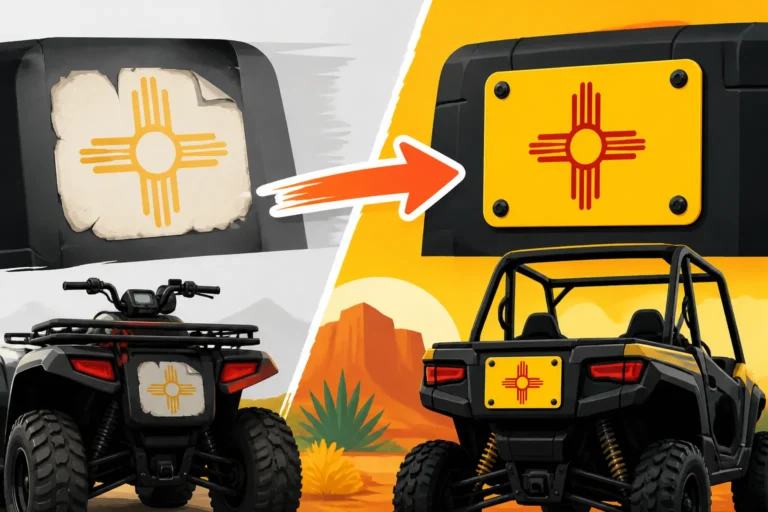
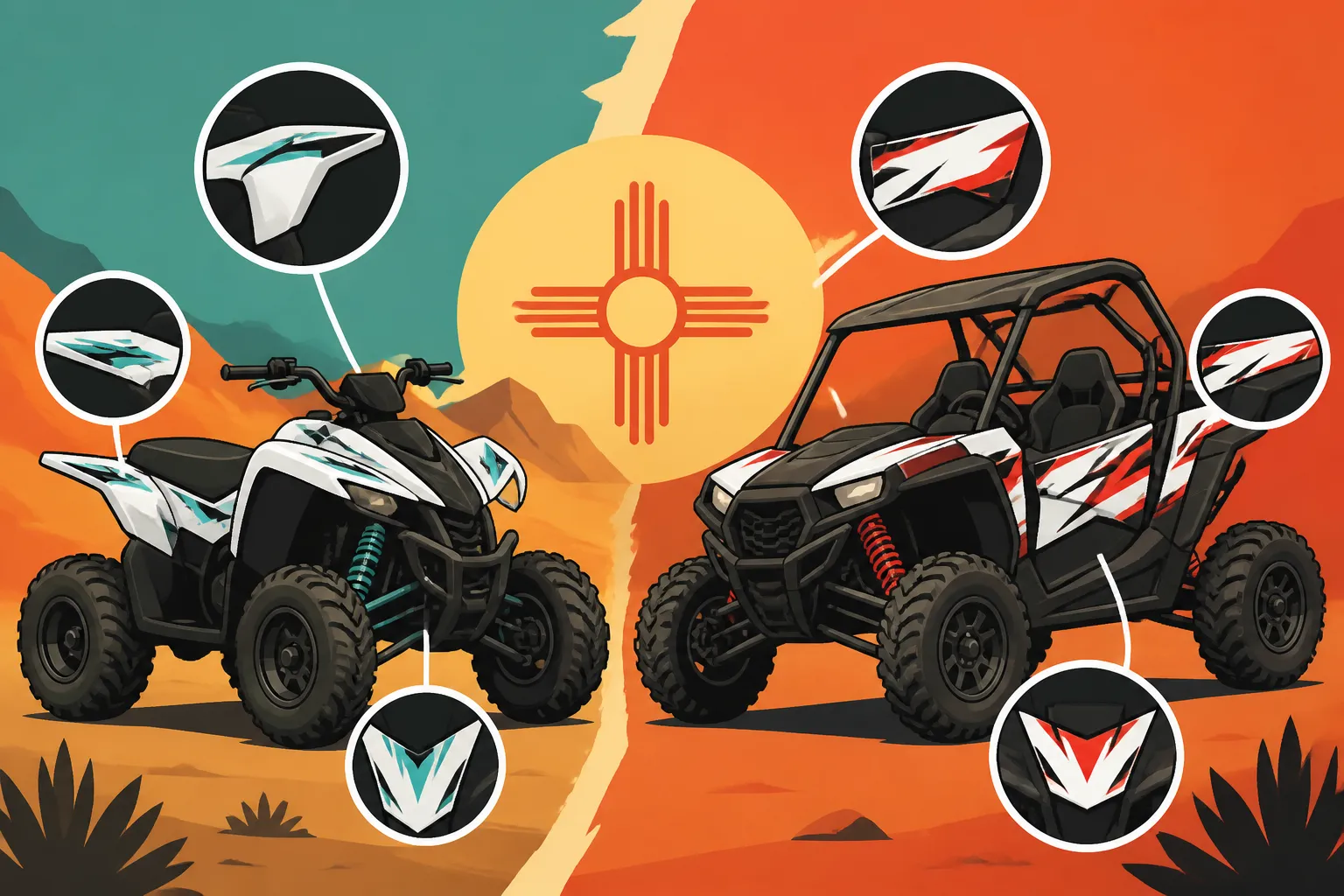
For your standard All-Terrain Vehicle, or ATV (often called a quad), the state requires the decal to be placed on the left rear quadrant of the machine. This is specified in [Where the Decal Goes on an ATV's Left Rear]. Now, why the left rear? Well, think about how an ATV is typically approached by a park ranger, a sheriff's deputy, or a Game and Fish officer. They're often on the ground, or possibly in another vehicle, approaching from the side or behind. The left rear provides a relatively flat, unobstructed surface on most ATV fenders.
Consider a rider approaching you on a trail. If the decal were on the front, it might be obscured by handlebars, lights, or even mud. On the right side, it might be harder to see if the officer is approaching from the driver's side of their patrol vehicle. The left rear fender is usually prominent, often above the rear wheel, and relatively easy to spot without having to walk all the way around the machine or ask the rider to stop and dismount. This standardized placement makes it efficient for authorities to verify registration quickly and safely, allowing everyone to get back to enjoying their ride.
Where the Decal Goes on an ROV Quarter Panel
Recreational Off-Highway Vehicles, or ROVs (what most of us call side-by-sides or UTVs), have a different design, and thus, a different decal placement rule. For these machines, the decal goes on the rear quarter panel, typically the driver's side. You can find this detail in [Where the Decal Goes on an ROV Quarter Panel]. Why the quarter panel instead of a fender like an ATV? ROVs have a different body style; they're enclosed with a roll cage, doors, and usually a bed or cargo area at the rear. The quarter panel is a large, flat, and visible area that isn't typically obscured by tires, suspension, or other components.
Imagine an ROV pulling up to a trailhead checkpoint or being observed by a patrol vehicle. The quarter panel is easily visible from the side or rear. Placing it on the driver's side specifically ensures that if an officer approaches the vehicle from that side – which is often the protocol for roadside stops – the decal is immediately presented. This thoughtful placement is all about maximizing visibility while minimizing interference with the vehicle's operation or other required markings. Ensuring you have your necessary paperwork, perhaps filed securely using a digital service like LawDepot, along with correct decal placement, keeps your adventures smooth.
Sticking the Decal on a Dirt Bike's Fork Leg
Dirt bikes, or off-highway motorcycles, present yet another unique challenge for decal placement due to their slender frames and exposed components. For dirt bikes, the New Mexico decal is required to be placed on the left fork leg. This is specifically outlined in [Sticking the Decal on a Dirt Bike's Fork Leg]. While it might seem like a small spot, it's actually one of the most visible and least obstructed areas on a dirt bike.
A dirt bike's fenders, number plates, and side panels can be easily swapped, damaged, or caked in mud, making them unreliable spots for a permanent registration decal. The left fork leg, however, is a relatively stable and clean surface that is almost always visible, especially when the bike is parked or being ridden slowly. It's also at a height that's easy for an officer to see without bending down excessively. This placement ensures that even on a nimble, minimalist machine like a dirt bike, the all-important registration decal is consistently displayed and easily verifiable.
Common Challenges and How to Ensure Compliance
Knowing where to put the decal is half the battle; the other half is making sure it stays there, remains readable, and helps you avoid any unnecessary hassles. New Mexico's diverse terrain, from dusty deserts to muddy mountain trails, can be tough on these little stickers. Riders often face challenges with decals peeling, fading, or getting obscured, which can lead to compliance issues if not properly addressed.
Visibility and Durability: Keeping Your Decal Readable
The harsh New Mexico sun, coupled with dust, mud, and water, can really take a toll on your OHV decal. A faded or peeling decal is as good as no decal in the eyes of the law, because the registration numbers become illegible. To maximize durability, always clean the surface thoroughly before applying the decal. Make sure it's free of dirt, grease, and old adhesive residue. Applying it when the surface is warm (but not hot) can help with adhesion. You might even consider purchasing a clear protective cover or spray from your local OHV shop designed to shield decals from the elements.
Regularly check your decal for signs of wear and tear. If it starts to peel at the edges, you might be able to gently re-adhere it with a little heat (like from a hairdryer on a low setting) and firm pressure. If the numbers become unreadable or the decal is significantly damaged, don't wait for a ranger to point it out. You'll need to look into [Replacing a Lost New Mexico Decal] through the MVD. Having a legible decal ensures that whether you're at a trail gate or meeting a deputy, your compliance is clear, saving you time and potential headaches.
Avoiding Fines: The Consequences of Incorrect Placement
Operating an OHV in New Mexico with an improperly placed, unreadable, or missing decal can lead to fines and other penalties. Law enforcement officers are trained to look for these decals, and if they can't easily find and read your registration, they're likely to stop you. This can turn a fun day on the trails into a stressful interrogation. Remember, the rules are there to ensure responsible riding and to help fund the very trails you're enjoying.
The MVD outlines [New Mexico Fines for an Unregistered OHV], and these often extend to machines with decals that are not correctly displayed or are unreadable. Imagine planning a great weekend trip, only to have it cut short because your decal peeled off the previous week, and you didn't notice. It's not just about the monetary fine; it's about the inconvenience and the potential for your riding privileges to be impacted. Always prioritize correct placement and ensure your decal is in good condition, alongside having other essential documents readily available, much like you'd keep legal paperwork organized through platforms like LawDepot. It's a small effort that yields big rewards in terms of trouble-free riding.
Here's a quick overview of New Mexico OHV decal placement:
| Machine Type | Decal Placement | Key Reason for Placement |
|---|---|---|
| All-Terrain Vehicle (ATV) | Left rear quadrant of the fender | Prominent, flat, unobstructed surface |
| Recreational Off-Highway Vehicle (ROV/UTV) | Rear quarter panel, driver's side | Large, flat, visible area; driver's side access |
| Dirt Bike (Off-Highway Motorcycle) | Left fork leg | Stable, clean, consistently visible |
This article is for general informational purposes only and does not constitute professional advice. Laws, prices and regulations vary by location and change over time. Consult a qualified professional for guidance on your specific situation.