Winter Road Riding in New Mexico
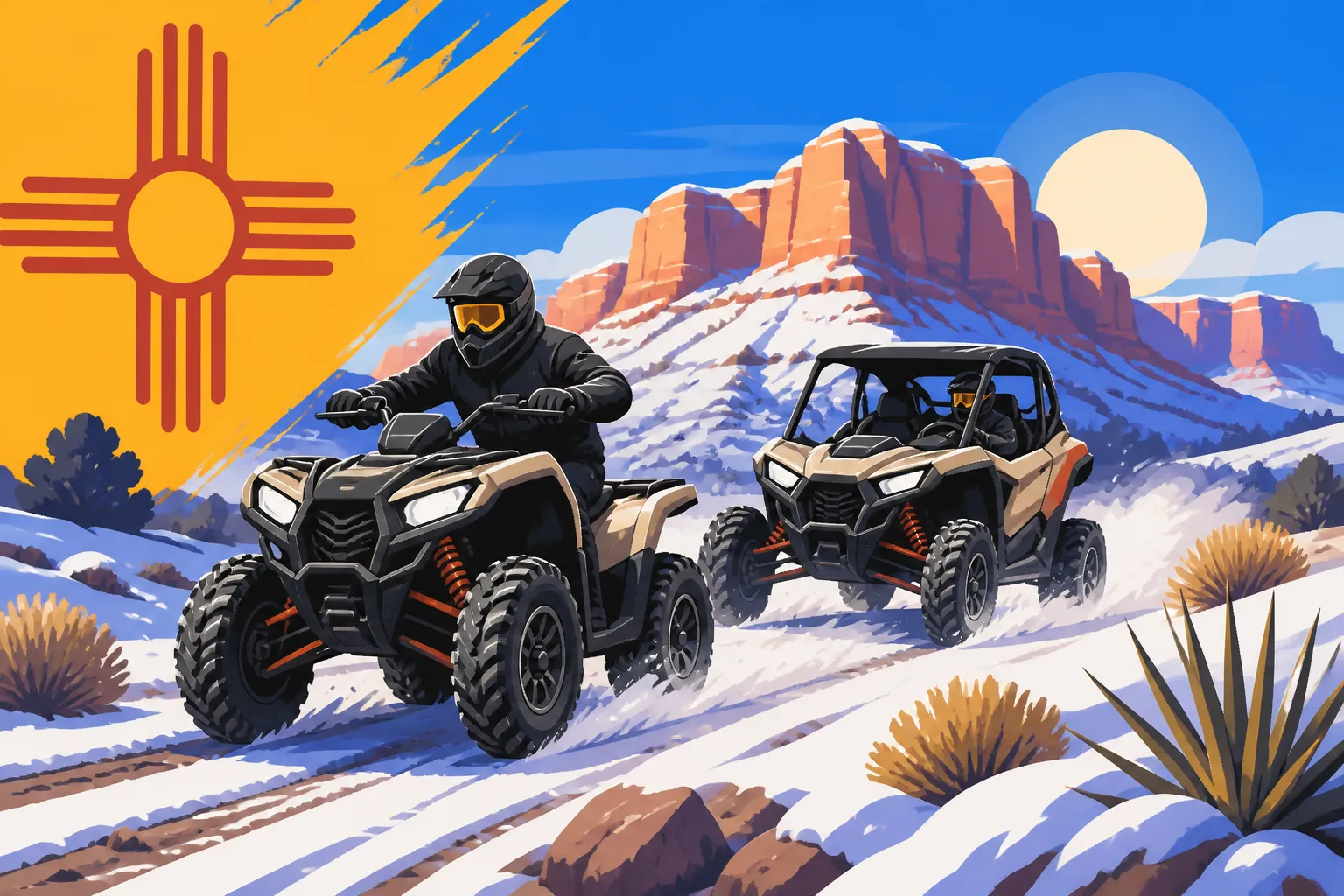
When the crisp air of winter settles over New Mexico, many of us start dreaming of cozy evenings by the fire, but for ATV and UTV enthusiasts, the thought often turns to whether our machines need to be tucked away until spring. It's a common frustration, thinking that the fun stops just because the temperature drops and a little snow might fall. This guide is here to clear up the confusion and help you confidently enjoy winter road riding in New Mexico, ensuring your adventures don't have to hibernate.
Understanding New Mexico's OHV Road Rules in Winter
First things first, let's tackle the legal side of things. The basic rules for riding your ATV or UTV on New Mexico's roads don't suddenly change when winter arrives. That green decal on your machine, or the paved road plate you might have opted for, still dictates where you can and cannot go. What does change is the environment, and that brings a whole new layer of considerations for safety and machine capability.
Many riders mistakenly believe that once a road has snow, it automatically becomes an "off-highway" playground, but that's rarely the case for public roads. If a road is generally open to licensed vehicles, it remains a public road, and your OHV must still comply with all the regulations for street legal use, even if it's covered in a few inches of powder. This means you still need your proper registration, like the one discussed in [New Mexico's Green On and Off-Highway Decal], and if you're on a designated paved road, the associated plate. The state doesn't suddenly waive these requirements for winter riders.
Counties and municipalities in New Mexico have the authority to open or close their own roads to OHV traffic. While some might embrace winter recreation, others might have specific ordinances that prohibit OHV use on certain roads when snow or ice conditions are present, primarily for safety and to allow snow removal operations to proceed unimpeded. It's vital to check with the local authorities in the area you plan to ride. For instance, a county might open most of its dirt roads to OHVs year-round, but a specific city within that county might have a blanket ban on OHVs on all its streets regardless of the season. Always verify locally, especially when venturing into a new area.
Distinguishing Between Public and Private Roads
This distinction becomes even more critical in winter. A private ranch road, which might lead to your favorite hunting spot or a remote cabin, has its own set of rules dictated by the landowner, not the state. You might have permission to ride it year-round, through mud, snow, or ice. However, a public county road, even if it's unpaved and looks like a trail, is still subject to public road regulations. You can't just assume that because it's snowy, it's a free-for-all.
Think about the trails versus roads for a moment. Federal lands, like those managed by the Bureau of Land Management (BLM) or the Forest Service, often have designated OHV trails that might remain open in winter, offering incredible snow riding opportunities. But the paved or unpaved roads that lead to these areas are still part of the public road network. Knowing [New Mexico Rules for Riding a County Road] is essential whether it's July or January. Getting caught riding an unregistered or improperly equipped machine on a public road, even if you're just trying to get to a snowy trail, can result in fines and a real headache.
Local Ordinances and Winter Conditions
Some communities, especially those nestled in the mountains like parts of the Carson National Forest region, might have specific ordinances tailored to winter recreation. They might permit UTVs on certain designated roads, even with snow, to access trailheads or businesses, but often with strict rules regarding speed, equipment, and hours of operation. Red River, for example, has specific ordinances governing ROV (Recreational Off-Highway Vehicle, essentially UTVs) use within town limits, which apply year-round. While their focus is often on summer tourism, the rules don't disappear just because there's snow.
It’s crucial to remember that these local rules are in addition to state laws. You could be perfectly legal under state law, with your green decal and proper helmet, but still run afoul of a local ordinance if you haven't done your homework. A quick call to the local sheriff's office or city hall in the area you plan to ride can save you a lot of trouble. They often have maps or easily accessible information outlining what's allowed.
Preparing Your Machine and Yourself for Cold Weather Road Rides
Winter road riding isn't just about knowing the rules; it's about being prepared for the conditions. The high desert and mountain environments of New Mexico can be beautiful in winter, but they can also be unforgiving. You wouldn't go hiking in the snow wearing shorts, and you shouldn't take your OHV out unprepared for the cold.
Machine Maintenance and Winterization
Before you even think about hitting a snowy road, your machine needs some love. Cold weather puts extra stress on engines, batteries, and fluids. A dead battery miles from anywhere, especially when temperatures are hovering around freezing, is a miserable experience.
Here’s a quick checklist to get your OHV ready:
- Battery Check: Ensure your battery is fully charged and load-tested. Cold weather significantly reduces battery efficiency. Consider a trickle charger if your machine sits for extended periods.
- Fluids: Check all fluid levels (oil, coolant, brake fluid). Ensure your coolant has adequate antifreeze protection for New Mexico's winter temperatures.
- Tires: Inspect tire pressure. Cold air reduces tire pressure, so you might need to add a few pounds. Consider tires with a more aggressive tread pattern for better grip on snow and ice.
- Lighting: Winter days are shorter, and visibility can be poor due to snow or fog. Ensure all your lights – headlights, taillights, brake lights – are fully functional and clear. Upgrading to brighter LED lights, perhaps from a brand like SuperATV, can make a significant difference in being seen.
- Winch: If you're heading to areas that might have deeper snow or slippery conditions, a winch can be a lifesaver. Check its functionality and ensure you have all necessary recovery gear.
- Heaters/Enclosures: For UTVs, a full cab enclosure and a heater can turn a bone-chilling ride into a comfortable adventure. While not always street legal for all conditions (check local laws), they're invaluable for warmth.
Rider Gear for Winter Conditions
Your comfort and safety depend heavily on what you wear. Hypothermia is a real danger in New Mexico's winter, even if you're not far from your vehicle. Layering is key, allowing you to adapt to changing temperatures and exertion levels.
Consider these essentials:
- Base Layers: Wicking materials (merino wool or synthetics) to pull moisture away from your skin.
- Mid-Layers: Insulating layers like fleece or down to trap warmth.
- Outer Shell: Waterproof and windproof jacket and pants to protect against snow, sleet, and biting winds.
- Head Protection: A good helmet is always mandatory, as discussed in [New Mexico Helmet Law for ATV Riders]. In winter, a full-face helmet with a fog-resistant shield is highly recommended. Many riders also wear a balaclava or neck gaiter under their helmet for extra warmth.
- Hands and Feet: Waterproof, insulated gloves or mitts are crucial. Cold hands can quickly become painful and impair your ability to operate controls safely. Insulated, waterproof boots are equally important. You might consider heated gloves or boot inserts for extended rides.
- Eye Protection: Goggles or a helmet shield are essential. They protect your eyes from wind, snow, and debris, and prevent glare from snow.
- Emergency Kit: Always carry an emergency kit. This should include extra warm layers, a first-aid kit, a flashlight, a cell phone (though service can be spotty in remote New Mexico), a satellite messenger, high-energy snacks, and plenty of water. Even in winter, dehydration can be an issue.
Navigating Winter Road Hazards and Staying Safe
Riding an OHV on a paved or unpaved road in winter presents unique challenges compared to dry conditions. The risks increase significantly, so your awareness and riding style must adapt.
Ice and Snow Traction
This is the biggest challenge. Even a thin layer of ice, often invisible (black ice), can cause you to lose control instantly. Snow depth also plays a huge role. While a few inches of fresh powder can be fun, deeper, packed snow can hide obstacles, make steering difficult, and put immense strain on your machine.
- Reduced Speed: This is non-negotiable. You need more time to react and stop on slippery surfaces. Posted speed limits are for ideal conditions; winter often means going much slower.
- Smooth Inputs: Avoid sudden acceleration, braking, or steering. Gentle, deliberate inputs are critical to maintaining traction.
- Increased Following Distance: If you're riding with others or near other vehicles, significantly increase the distance between you. Stopping distances on ice or snow can be many times greater than on dry pavement.
- Tire Chains/Studs: For serious winter riding on unpaved roads, tire chains or studded tires can provide much-needed traction. Check local regulations on their use, especially on paved surfaces, as they can damage roads if not used properly.
Visibility Issues
Winter often brings low light, fog, falling snow, and even sun glare off bright snow. This reduces your ability to see hazards and other vehicles, and their ability to see you.
- Be Seen: Wear brightly colored outer layers. Ensure your lights are on, even during the day, and consider adding reflective tape to your helmet and machine. Again, brighter aftermarket lighting, perhaps from a reputable brand like SuperATV, can truly enhance your visibility.
- Keep Your Visor Clear: Anti-fog treatments and helmet breath boxes can help keep your shield from fogging up.
- Watch for Other Vehicles: Be extra vigilant for cars and trucks, which may also be struggling with visibility and traction. Drivers might not expect to see an OHV on a snowy road.
Cold Exposure and Hypothermia
Even with good gear, prolonged exposure to cold can lead to hypothermia or frostbite.
- Take Breaks: Stop frequently to warm up, stretch, and check on your riding partners.
- Stay Hydrated and Fuelled: Your body burns more calories to stay warm. Bring plenty of high-energy snacks and warm drinks in an insulated thermos.
- Recognize Symptoms: Know the signs of hypothermia (shivering, confusion, clumsiness, slurred speech) and frostbite (numbness, white or grayish skin). If you or a riding partner experience these, seek warmth and medical attention immediately.
Essential Gear and Machine Upgrades for Winter Road Riding
Beyond the basic maintenance and personal gear, there are several items that can transform a challenging winter ride into a more enjoyable and safer experience. These are particularly valuable for those who plan to make winter riding a regular activity.
Traction Aids and Recovery Gear
When roads get snowy or icy, standard tires often aren't enough, especially on unpaved surfaces. Even on paved roads, a thin layer of ice can be treacherous.
- Tire Chains: These are your best friend for deep snow or very icy conditions on dirt or gravel roads. They provide phenomenal grip. However, use them cautiously on pavement, as they can damage the road surface and your tires if not properly installed or if you go too fast. Always check local laws regarding their use on paved roads.
- Studded Tires: Some riders opt for studded tires. These have small metal studs embedded in the tread for enhanced grip on ice. They're typically designed for winter use and can be effective, but like chains, their use on paved roads might be restricted or require caution.
- Winch: A powerful winch, perhaps a model that has proven its reliability in tough conditions like those offered by SuperATV, is invaluable if you venture into deeper snow or icy patches. Getting stuck is easier in winter, and having the means to self-recover can prevent a long, cold wait for help. Make sure you have a tree saver strap, D-shackles, and heavy-duty gloves as part of your recovery kit.
Lighting and Visibility Enhancements
With shorter daylight hours and often overcast skies, visibility is a major concern.
- Auxiliary LED Lights: Upgrading your factory headlights or adding LED light bars or cubes can dramatically improve your forward vision. Look for lights with a broad beam pattern to illuminate the edges of the road.
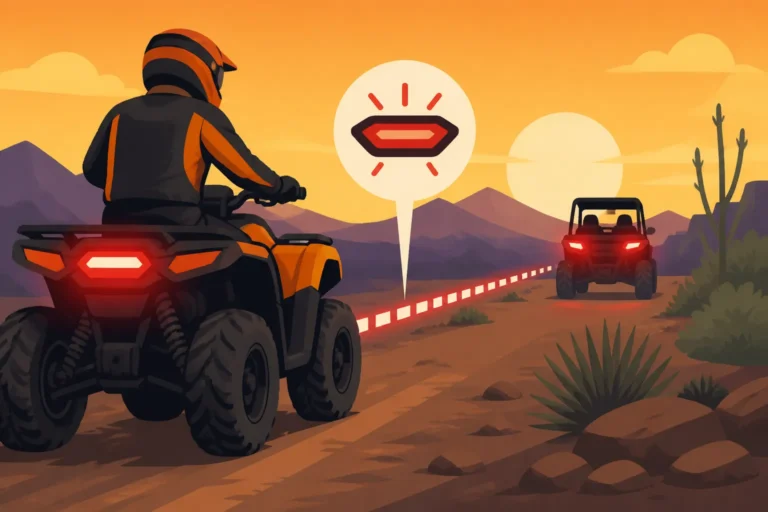
- Rear Lighting: Consider adding extra taillights or a whip light with LED illumination to make your machine more visible from the rear, especially in snowy or foggy conditions. Remember, you need to comply with [New Mexico Lighting Requirements for OHVs] at all times.
- Reflective Accents: Apply reflective tape to the front, sides, and rear of your OHV, as well as to your helmet and clothing. Every bit of added visibility helps.
| Essential Winter OHV Gear | Purpose | Considerations for New Mexico |
|---|---|---|
| Warm, Waterproof Layers | Prevent hypothermia | Layering is critical for temperature swings. |
| Full-Face Helmet | Head protection & warmth | Anti-fog visor, balaclava recommended. |
| Insulated Gloves/Boots | Prevent frostbite | Waterproof is non-negotiable for snow/slush. |
| Tire Chains/Studs | Enhanced traction | Check local laws for paved road use. |
| Winch & Recovery Kit | Self-recovery from stuck situations | Essential for remote, snowy areas. |
| Auxiliary Lighting | Improve visibility | Be seen, see hazards in low light. |
| Heater/Enclosure (UTV) | Rider comfort | Transforms cold rides, check legality for road use. |
| Emergency Kit | Survival in unexpected situations | Include food, water, first-aid, communication. |
| Thermos with Warm Drink | Hydration & warmth | Hot cocoa or coffee can be a game-changer. |
Comfort and Communication
While not strictly required, these items significantly enhance your winter riding experience.
- Heated Grips/Seats: For ATVs, heated grips are a game-changer for keeping your hands warm. Many UTVs can be fitted with heated seats. These small luxuries can extend your ride time and comfort.
- Cab Enclosures and Heaters (UTVs): For UTV owners, a full cab enclosure, combined with an aftermarket heater, creates a comfortable, protected environment, turning your UTV into a true four-season machine. This is especially beneficial for longer road excursions or when temperatures are well below freezing.
- Two-Way Radios/Intercoms: When riding in a group, communication is key, especially when hazards like ice or deep snow are present. Handheld radios or helmet-mounted intercoms allow you to stay in touch without stopping or shouting, enhancing safety and coordination.
- GPS Device/Satellite Messenger: Cell service can be spotty in many of New Mexico's remote areas. A dedicated GPS device with downloaded maps is crucial for navigation, and a satellite messenger or personal locator beacon (PLB) can literally be a lifesaver for emergency communication if you break down or get injured far from help. [New Mexico Rules for Riding a Forest Road] are particularly important if you're exploring higher elevations where cell service is non-existent.
Ultimately, winter road riding in New Mexico offers a unique and beautiful perspective on our stunning landscapes. With the right preparation, equipment, and a healthy respect for the conditions, you don't have to put your machine away when the temperatures drop. Just remember to ride smart, stay informed about local rules, and prioritize your safety above all else.
Disclaimer
This article is for general informational purposes only and does not constitute professional advice. Laws, prices and regulations vary by location and change over time. Consult a qualified professional for guidance on your specific situation.