Where to Ride an ATV in New Mexico
Figuring out exactly where you can legally and safely ride your ATV or UTV in a state as vast and diverse as New Mexico can feel like navigating a maze carved into the desert. You might spend hours scouring outdated websites or relying on hearsay, only to find yourself at a dead-end, literally, or worse, facing a hefty fine for unknowingly trespassing. This guide is here to cut through that confusion, offering a comprehensive look at the incredible off-highway vehicle (OHV) riding areas across New Mexico, detailing what to expect, and ensuring you hit the trails prepared and compliant.
Navigating the Vast Landscapes of New Mexico's OHV Trails
New Mexico, often called the Land of Enchantment, truly lives up to its name, especially when you're looking for off-road adventures. It offers an astonishing variety of landscapes that make it a premier destination for ATV and UTV enthusiasts. From the rolling, sandy dunes of the south to the pine-scented mountain trails in the north, there's a ride for every skill level and machine.
The Allure of New Mexico's Diverse Terrain
Imagine starting your morning kicking up rooster tails in soft desert sand, the air still cool from the night. By afternoon, you could be climbing steep, rocky trails winding through ponderosa pines, with breathtaking panoramic views stretching for miles. New Mexico’s geological diversity is a playground for OHV riders. The southern and eastern parts of the state boast expansive desert landscapes, characterized by arroyos, mesas, and iconic sand dunes that call to those who love open throttle and sweeping turns. This is where you can truly feel the freedom of wide-open spaces.
As you move north and west, the terrain dramatically shifts. You'll encounter rugged mountains, high-altitude forests, and volcanic plateaus. These areas offer a completely different riding experience, often featuring narrower, technical trails, challenging climbs, and cooler temperatures, especially at higher elevations. The variety means you can plan multiple trips throughout the year, always discovering new challenges and scenery. Whether you prefer slow, technical rock crawling or high-speed desert running, New Mexico likely has the perfect spot waiting for your tires. This diversity is what keeps riders coming back, season after season.
Understanding Public Land Agencies and Their Rules
Before you even think about loading up your machine, it's crucial to understand who manages the land you plan to ride on. In New Mexico, OHV riding primarily occurs on public lands administered by various federal and state agencies, each with its own set of rules and regulations. The two biggest players are the Bureau of Land Management (BLM) and the U.S. Forest Service (USFS). BLM lands, often characterized by vast open desert and rolling hills, are generally more permissive with designated open riding areas, though even here, travel management plans are increasingly common, restricting you to marked routes.
The U.S. Forest Service manages the state's national forests, like the Carson, Santa Fe, Gila, and Lincoln National Forests, which are typically found at higher elevations and offer wooded trails. These areas often have more stringent rules, frequently restricting OHV use to designated roads and trails to protect wildlife and natural resources. It's not uncommon to find seasonal closures in these areas, especially during winter due to snow or during peak fire season in dry months. Beyond federal lands, New Mexico also has State Trust Land, which often requires a special recreational access permit for any kind of recreational use, including OHV riding. And, of course, private land is strictly off-limits without explicit permission from the landowner, which can lead to serious legal trouble if ignored. Always check with the specific land management agency responsible for your chosen riding area before you go.
Premier Desert Riding Destinations in New Mexico
When many people picture New Mexico OHV riding, they often think of endless desert and sprawling dunes. And they're not wrong! The southern and eastern parts of the state offer some truly iconic desert riding experiences that draw enthusiasts from all over the region.
Red Sands OHV Area: A Dune Rider's Paradise
Just north of Alamogordo, off U.S. 54, lies the incredible [Red Sands OHV Area in Southern New Mexico]. This place is a legitimate playground for anyone who loves open desert and sand dunes. Unlike some of the larger, more famous dune fields in other states, Red Sands offers a unique landscape dominated by what are known as mesquite coppice dunes. These aren't your towering, endless Sahara-like dunes, but rather rolling hills of red sand punctuated by hardy mesquite bushes, which adds an interesting dimension to the riding. You'll find approximately 100 miles of user-made trails, winding through the sandy terrain, perfect for quads, side-by-sides, and dirt bikes.
What makes Red Sands so appealing is its accessibility and the sheer variety of lines you can take. Riders often find themselves exploring new routes every time they visit. It's a fantastic spot for both beginners to get comfortable in the sand and for experienced riders to carve fast turns and practice their skills. The area is also known for hosting various events and races throughout the year, especially during the cooler months, bringing together the vibrant New Mexico OHV community. There's usually no fee to ride here, making it an incredibly popular and budget-friendly option for a day of desert fun. Just remember to pack plenty of water, as the desert sun can be intense.
Haystack Mountain OHV Area: Eastern New Mexico's Hidden Gem
Further east, near the town of Roswell, off U.S. 70, you'll discover [Haystack Mountain in Eastern New Mexico]. This expansive OHV area spans nearly 2,000 acres, offering a different flavor of desert riding compared to Red Sands. While it also features sandy sections, Haystack Mountain is characterized by rolling hills, rocky outcrops, and a mix of dirt roads and trails. It’s a bit more diverse in its terrain, making it an excellent choice for riders who enjoy a blend of speeds and challenges. You'll find plenty of opportunities for hill climbs, rocky sections that test your suspension, and open areas to let your machine stretch its legs.
There's typically a small day-use fee to access Haystack Mountain, but it’s well worth it for the maintained facilities and designated riding zones. This area is often frequented by families and local riders looking for a fun day out. It’s large enough to spend several hours exploring without riding the same path twice, and the scenic views across the eastern plains are a bonus. Remember to check the fee schedule before you go, as it can sometimes vary for larger vehicles or buses. Like all desert riding, dust can be a factor, so riding with appropriate eye protection and keeping a safe distance from other riders is always a good idea.
Mescalero Sands North Dunes: Epic Challenges and Overnights
For those craving a more extreme dune riding experience, look no further than [New Mexico's Mescalero Sands Dunes]. Located south of Roswell, this area features much larger and more challenging dunes, some reaching up to 60 feet in height. These aren't the gentle, rolling mesquite dunes of Red Sands; Mescalero offers serious climbing and descents that demand respect and skill. It's a prime destination for powerful machines and riders looking to push their limits on steep faces and bowls. The sand here can be incredibly soft and fine, providing a true test of throttle control and vehicle setup.
Mescalero Sands is also a popular spot for overnight camping right out on the dunes, offering a unique opportunity to ride under the stars and wake up to a fresh canvas of sand each morning. There's a rustic, undeveloped feel to the area, so you'll need to be entirely self-sufficient, bringing all your water, food, and supplies. Because of the challenging nature of the terrain, it's wise to ride with a group and carry recovery gear. This is not a place for solo adventures, especially if you're new to dune riding. The thrill of conquering a tall dune and the camaraderie of fellow riders make Mescalero Sands a memorable experience for any serious OHV enthusiast.
Mountain and Forest Riding in the Land of Enchantment
While New Mexico's deserts are undeniably captivating, the state also harbors vast stretches of mountainous and forested terrain that offer a completely different kind of OHV adventure. These cooler, higher-elevation areas provide a refreshing contrast, especially during the warmer months.
Carson National Forest: High-Altitude Adventures
Nestled in the northern part of the state, the Carson National Forest is a jewel for off-road riders, particularly around the popular mountain town of Red River. This area, especially the Questa Ranger District, boasts an extensive network of forest roads and trails that climb to incredible elevations, offering stunning vistas and a much-needed respite from the desert heat. Riding in the [Riding the Carson National Forest at Red River] region means navigating through dense pine and aspen forests, crossing crystal-clear streams, and sometimes encountering wildlife like elk or deer. You'll find trails suitable for a range of skill levels, from wide, well-maintained forest roads perfect for a leisurely cruise with the family to more challenging, rocky routes that will test your machine's capabilities and your driving prowess.
Popular destinations include scenic routes leading towards Greenie Peak, offering panoramic views of the surrounding mountains, or the journey to Goose Lake, a high-alpine lake accessible by a challenging trail. Midnight Meadows also provides open areas and connecting trails. It's crucial to remember that these higher elevations mean seasonal closures, with many forest roads and trails becoming impassable due to snow from late fall through late spring. Always check the U.S. Forest Service website or local ranger district for current conditions and closures before heading out. Also, the thin air at altitude can affect carbureted machines, so proper tuning is a good idea. For navigation, tools like onX Offroad are incredibly helpful here, displaying designated OHV routes and showing you exactly where you can and cannot ride on federal land.
Caja del Rio: Volcanic Vistas and Rio Grande Views
Just a short drive west of Santa Fe, the [Caja del Rio and St. Peter's Dome] offers a unique OHV experience characterized by its volcanic landscape and stunning views of the Rio Grande Gorge. This area is predominantly managed by the Bureau of Land Management (BLM) and provides a network of dirt roads and two-track trails that wind through juniper and pinon woodlands, across lava flows, and to overlooks that will take your breath away. The terrain here is often rocky, but generally less technically demanding than some of the high-mountain trails, making it a good option for a more relaxed scenic ride.
St. Peter's Dome is a prominent landmark and a popular destination within the Caja del Rio, offering a fantastic viewpoint. The roads are generally wide enough for side-by-sides, and it's a great spot for exploring historical sites, old ranches, and enjoying the solitude of the high desert. While less prone to heavy snow closures than the true mountains, conditions can still vary, and dusty roads are common during dry spells. This area provides a perfect blend of natural beauty, geological interest, and accessible riding, ideal for a day trip from Santa Fe or Albuquerque.
Exploring Other National Forests and BLM Mountainous Areas
Beyond the Carson, New Mexico is home to several other National Forests, each offering unique riding opportunities. The Gila National Forest in the southwestern part of the state is vast and rugged, with countless miles of forest roads and trails, though some areas are more remote and less developed for OHV recreation. The Lincoln National Forest, spanning areas near Cloudcroft, Ruidoso, and Capitan, also features extensive trail systems, particularly popular for those looking for cooler temperatures and forested riding during the summer.
Similarly, there are numerous BLM lands across the state that include mountainous or hilly terrain, not just flat desert. Areas around Truth or Consequences, like those near Caballo Lake or the Monticello Box, offer a mix of high desert and foothills riding, often on a network of unpaved county roads and BLM tracks. [Riding BLM Land in New Mexico] is generally less restrictive than Forest Service land, but always respect designated routes and private property boundaries. These areas might not have the specific OHV recreation area designation of places like Red Sands or Glade Run, but they provide endless opportunities for dispersed riding and exploration, especially if you have a good map (digital or paper) and a sense of adventure. Remember to check for any local county ordinances that might affect street-legal riding in these more rural areas.
North and West: Glade Run and Chokecherry Canyon
Venturing northwest, near the city of Farmington, lies another incredible hub for OHV enthusiasts: the Glade Run Recreation Area, encompassing the diverse terrain of Chokecherry Canyon. This region offers a distinct riding experience, known for its challenging trails, varied landscapes, and a strong local OHV community.
Glade Run Recreation Area: Farmington's OHV Hub
The [Glade Run and Chokecherry Canyon at Farmington] complex is a massive 19,000-acre outdoor recreation haven managed by the Bureau of Land Management. For OHV riders, Glade Run is a dream come true, providing a huge area to explore. The riding here is incredibly diverse, ranging from wide, sandy washes and rolling hills to challenging rocky canyons and steep climbs. It caters to every skill level, from families looking for gentle trails to expert riders seeking technical obstacles. The area is divided into different zones, with some offering designated, well-marked trails, while others provide a more open, free-riding experience within boundaries.
The sheer size of Glade Run means you can easily spend multiple days exploring without covering the same ground twice. It's common to find riders of all types here – dirt bikers, ATV riders, and UTV enthusiasts – sharing the extensive network. Camping is permitted in designated areas, often requiring a free BLM permit, making it perfect for multi-day excursions. The local OHV clubs are very active in maintaining the trails and organizing events, which adds to the vibrant atmosphere. Before you head out, it’s always a good idea to download a map or use a reliable GPS app like onX Offroad to navigate the vast network of trails and ensure you stay within the legal riding areas.
Chokecherry Canyon's Diverse Terrain
Within the larger Glade Run Recreation Area, [Glade Run and Chokecherry Canyon at Farmington] also stands out as a particular hotspot for challenging terrain. Chokecherry Canyon is famous for its intricate network of canyons, rocky washes, and technical obstacles that draw experienced riders and those looking to test their mettle. Here, you’ll find narrow passages, steep rock ledges, and tricky descents that require precise machine control and often, a spotter. It's a place where modified machines and advanced riding skills truly shine.
The canyon's unique geology provides a constantly evolving landscape, carved by centuries of water flow. This means that after a heavy rain, some routes might change or new obstacles might emerge, adding to the adventure. While much of Glade Run offers more accessible riding, Chokecherry Canyon pushes the envelope, providing a thrilling challenge for those seeking it. Many local clubs use Chokecherry for competitions and skill-building events, further cementing its reputation as a premier destination for serious off-roaders. If you're heading into Chokecherry, make sure your machine is up to the task, you have appropriate recovery gear, and you're riding with others who can assist if needed. It’s an exhilarating experience, but one that demands respect for the terrain.
Rules of the Trail: What You Need to Know Before You Go
Heading out into New Mexico's stunning OHV country is an incredible experience, but it comes with responsibilities. Understanding and adhering to the state's regulations isn't just about avoiding fines; it's about safety, environmental protection, and ensuring these beautiful lands remain open for future generations of riders.
Registration, Permits, and Reciprocity
First things first: if you're a New Mexico resident, your OHV needs to be registered with the Motor Vehicle Division (MVD). This isn't just a suggestion; it's the law. The registration process ensures your machine is recognized by the state and that you're contributing to the fund that helps maintain and expand OHV opportunities. You can find detailed information on [New Mexico OHV Registration Cost] and the process through the MVD.
For our friends visiting from out of state, the rules change a bit, but they are equally important. New Mexico has a specific [New Mexico's Nonresident OHV Permit] program. If your home state does not have an OHV registration program, or if it's one of the few states that New Mexico doesn't have reciprocity with, you'll need to purchase a New Mexico nonresident OHV permit. This permit allows you to legally ride on public lands within the state. The good news is that New Mexico offers broad reciprocity; if your OHV is legally registered in your home state, and that state has a comparable registration program, you're usually good to go. However, it's vital to check the current reciprocity list or obtain a New Mexico permit if there's any doubt. These permits, whether a two-year or a shorter 90-day option, are an essential part of [New Mexico OHV Permits Explained] and keep you on the right side of the law. Always carry proof of your registration or permit with you while riding.
Safety Gear, Age Restrictions, and Passenger Rules
Safety is paramount when enjoying OHV recreation, and New Mexico has clear guidelines to protect riders, especially the younger ones. Regardless of age, wearing a helmet is highly recommended for all riders, but it's legally mandatory for anyone under 18. This isn't just about compliance; it's about protecting yourself from serious injury. Beyond helmets, appropriate eye protection is also a must, especially when riding in dusty desert conditions or through brushy trails. You can learn more about specific requirements in [New Mexico Helmet Law for ATV Riders].
Age restrictions also play a significant role. For riders under 18, a New Mexico OHV Safety Permit is required to operate an OHV on public lands. This permit signifies that the young rider has completed an approved safety course, equipping them with essential knowledge and skills. [New Mexico Safety Permit for a Minor] outlines these requirements in detail. Furthermore, there are specific rules regarding passengers. Generally, OHVs are designed for a certain number of occupants, and exceeding that limit, or carrying passengers on a machine not designed for it, is illegal and dangerous. Young riders often have additional restrictions on carrying passengers, so always review the current regulations to ensure everyone in your party is safe and legal.
Environmental Responsibility and Trail Etiquette
The privilege of riding on New Mexico's beautiful public lands comes with the responsibility to protect them. The concept of "Tread Lightly!" is more than just a slogan here; it's a guiding principle. This means staying on designated trails and roads. Going off-trail, or "cross-country riding," is strictly prohibited in most areas and can lead to significant environmental damage, including erosion, habitat destruction, and the spread of invasive species. It also leaves you vulnerable to fines. Many areas operate under "travel management plans" which clearly delineate legal routes – using a GPS app like onX Offroad that shows these routes is invaluable.
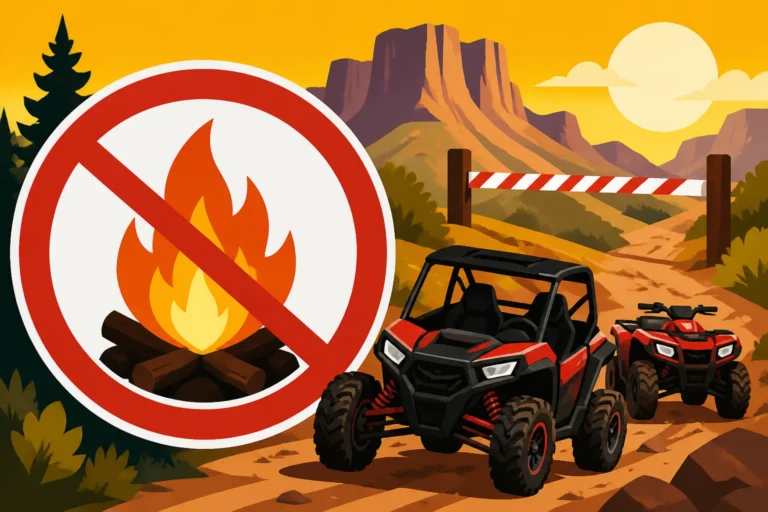
Another critical regulation, particularly in forested and dry areas, is the requirement for a spark arrester on your exhaust. This device prevents hot carbon particles from escaping your exhaust and potentially starting a wildfire, especially crucial in a state prone to dry conditions. [New Mexico Spark Arrester Requirement] details these specifications. Noise pollution is also a concern, and New Mexico has sound limits for OHVs; excessive noise can disturb wildlife and other trail users. Finally, basic trail etiquette, such as yielding to hikers and horses, respecting private property boundaries, packing out everything you pack in (and maybe a little extra trash you find), and properly closing gates behind you (unless specifically marked otherwise, as outlined in [New Mexico Rules for Opening a Gate]), ensures a positive experience for everyone and helps preserve access for all.
Planning Your New Mexico OHV Adventure
A successful and enjoyable OHV trip in New Mexico isn't just about finding the right trails; it's about meticulous planning and preparation. The diverse terrain and often remote locations demand that you're ready for anything.
Essential Gear and Supplies for Desert and Mountain Rides
Whether you're tearing through the dunes or climbing a mountain pass, having the right gear is non-negotiable. First and foremost, water. Lots of it. The New Mexico sun and dry air can lead to dehydration surprisingly quickly, even in cooler temperatures. Pack at least a gallon per person per day, plus extra for emergencies or unexpected delays. Beyond hydration, a comprehensive first-aid kit is crucial, equipped for cuts, scrapes, snake bites, and other common trail injuries. It's not just about patching up a boo-boo; it could be life-saving far from medical help.
Tools and spare parts are also critical. A tire repair kit, portable air compressor, basic wrenches, zip ties, and a tow strap can turn a trailside breakdown into a minor inconvenience rather than a stranded nightmare. Consider bringing a spare tire or at least a good tire patch kit, especially for UTVs. Communication is another vital aspect, particularly in remote areas where cell service is nonexistent. A satellite messenger or personal locator beacon (PLB) can literally be a lifeline, allowing you to call for help even without a signal. Finally, a reliable navigation system is indispensable. While paper maps are good backups, a robust GPS device or a smartphone app like onX Offroad, pre-loaded with offline maps of your intended riding area, will keep you on track, help you identify designated routes, and pinpoint your location if you get disoriented. [New Mexico Trail Maps Worth Carrying] are a great addition to any pre-ride checklist.
Seasonal Considerations and Weather Awareness
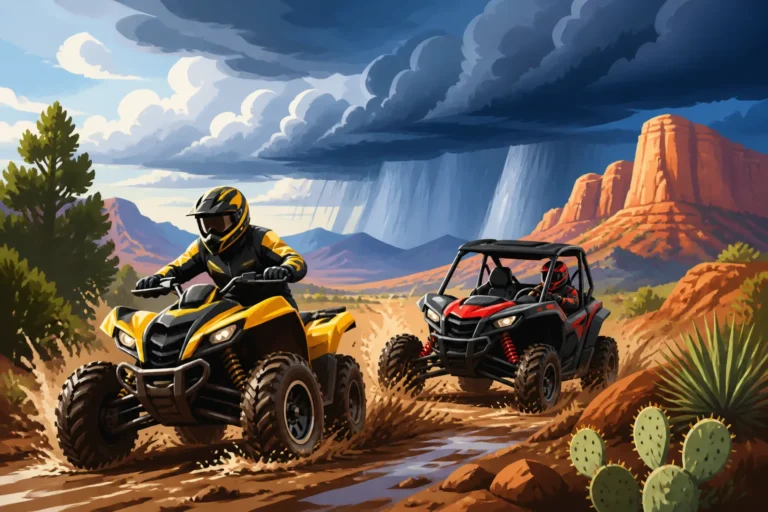
New Mexico's climate varies dramatically from season to season and even from one elevation to another. Ignoring these shifts can lead to a miserable, or even dangerous, outing. During the summer, especially from July through September, the southern deserts experience intense heat, often exceeding 100 degrees Fahrenheit. This is also monsoon season, bringing sudden, violent thunderstorms that can cause flash floods in arroyos and washes – conditions to be acutely aware of. [New Mexico Riding in Summer Monsoon] can be exhilarating but also dangerous. Riding at high elevations during summer is generally more comfortable, but afternoon thunderstorms and lightning are still a concern.
Winter, on the other hand, brings snow and ice to the mountains, leading to widespread forest road closures from late fall through late spring. [New Mexico Riding Seasons by Elevation] makes it clear that while you might be riding in a T-shirt in the southern desert in December, you'll need full winter gear for a mountain ride up north. Spring and fall are often the sweet spots for riding across the state, offering mild temperatures and beautiful scenery. However, spring can be incredibly windy and dusty in the deserts, and fire restrictions can come into effect quickly during dry periods, potentially closing trails entirely. Always check the local weather forecast, fire restriction updates, and land management agency websites for current conditions before you head out.
Finding Maps and Staying Informed
Reliable maps are your best friend on any OHV adventure. While physical maps from the BLM or Forest Service are excellent to have as a backup, digital maps offer unparalleled convenience and detail. Apps like onX Offroad are specifically designed for this kind of recreation, providing topographic maps, satellite imagery, public land boundaries, and, crucially, marked OHV trails and roads. This allows you to plan routes, navigate in real-time, and ensure you're staying on legal routes.
Beyond maps, staying informed about current conditions is vital. Before any trip, make it a habit to check the websites of the specific land management agency (BLM, USFS, State Parks) for the area you plan to visit. They will post alerts about trail closures, fire restrictions, special events, or any other changes that might affect your ride. Local OHV clubs and forums can also be a fantastic resource for up-to-date information and local insights. Don't rely solely on what someone said last year; conditions can change rapidly in the backcountry. A little pre-trip research goes a long way in ensuring a safe, enjoyable, and compliant ride.
Considerations for Different Rider Types and Machines
New Mexico's vast OHV landscape truly offers something for everyone, but tailoring your destination and preparation to your specific riding style, skill level, and machine type is key to an optimal experience.
Family-Friendly Riding Areas
For those riding with children or looking for a more relaxed, scenic outing, New Mexico has plenty of family-friendly options. Areas like the lower elevations of the Carson National Forest or some of the more accessible trails within Glade Run Recreation Area offer wider, less technical roads and trails that are perfect for beginners and younger riders. These spots often have established staging areas, restrooms, and sometimes even campgrounds, making it easier to manage a group. [New Mexico Riding Areas Good for Kids] are typically characterized by gentler terrain, fewer sharp turns, and a lower risk of encountering extreme obstacles.
When planning a family ride, consider the duration and difficulty of the trails. Short loops are great for younger children or those just getting comfortable on their machines. Look for areas with a mix of open spaces where kids can practice safely and shaded spots for breaks. Remember the state's age restrictions and safety permit requirements for minor riders, ensuring everyone has the proper gear and knowledge. Some rental outfits, particularly in tourist areas like Red River, cater specifically to families, offering machines suitable for various ages and providing safety gear.
Challenges for Experienced Riders and Wider Machines
For seasoned riders craving a thrill, New Mexico delivers. The taller dunes of Mescalero Sands, the technical canyons of Chokecherry, or the challenging rocky climbs in certain parts of the Gila or Carson National Forests will push your skills and your machine's limits. These areas demand powerful engines, robust suspensions, and often, specialized tires and recovery gear. Experienced riders often seek out specific obstacles, deep sand bowls, or narrow, technical rock gardens that provide an adrenaline rush and a true test of their abilities.
If you ride a wider side-by-side (UTV), it's crucial to be aware of width restrictions on certain trails, especially in national forests. While many forest roads are wide enough, some designated OHV trails might have width limitations that a wider machine cannot pass. [New Mexico Trails for a Wide Side-by-Side] often highlight this challenge, emphasizing the need to check trail specifications before you go. This is another area where digital mapping tools like onX Offroad become invaluable, as they can often indicate trail width and restrictions, helping you avoid frustrating dead ends or illegal detours. Always ensure your machine is in top mechanical condition and consider riding with a spotter or in a group for these more challenging adventures.
Renting an OHV for Your New Mexico Trip
Maybe you're visiting from out of state and don't want to trailer your machine, or you're simply looking to try out OHV riding without the commitment of ownership. New Mexico has a thriving OHV rental market, particularly in popular tourist destinations. Towns like Red River and Ruidoso have several reputable outfitters that offer a range of machines, from single-seat ATVs to multi-passenger UTVs, often for half-day, full-day, or multi-day rentals. [Renting an ATV in New Mexico] can be a fantastic way to experience the trails.
Many rental companies also offer [New Mexico Guided UTV Tours], which are an excellent option for beginners or those unfamiliar with the area. Guides provide machines, safety gear, and lead you on predetermined routes, sharing local knowledge and ensuring a safe and enjoyable experience. For more experienced riders, self-guided rentals are available, sometimes even equipped with GPS units pre-loaded with popular routes. When renting, always inquire about insurance, fuel policies, age requirements for drivers, and what safety gear is included. Booking in advance, especially during peak season or holidays, is highly recommended to secure your preferred machine and dates. It's a convenient way to dive into the New Mexico OHV scene without the logistical hassle of transporting your own equipment.
| OHV Area | Location | Terrain Type | Key Features | Fees | Suitability for Riders |
|---|---|---|---|---|---|
| Red Sands OHV Area | Alamogordo | Rolling Sand Dunes | Mesquite coppice dunes, user-made trails | Generally Free | All skill levels |
| Haystack Mountain OHV | Roswell | Hills, Rock, Sand | Diverse trails, scenic views | Day-use fee | All skill levels |
| Mescalero Sands Dunes | South of Roswell | Large Sand Dunes | 60-foot dunes, challenging climbs, camping | Free | Experienced riders |
| Carson National Forest | Red River | Mountain, Forest | High elevation trails, scenic views | Free (some areas) | All skill levels |
| Caja del Rio | West of Santa Fe | Volcanic, Rocky | Dirt roads, Rio Grande views, St. Peter's Dome | Free | All skill levels, scenic |
| Glade Run Recreation | Farmington | Canyons, Sand, Rock | Extensive trail network, open riding, camping | Free (permits for camping) | All skill levels |
| Chokecherry Canyon | Farmington (within Glade Run) | Technical Canyons | Extreme obstacles, challenging rock crawling | Free | Experienced riders |
Disclaimer
This article is for general informational purposes only and does not constitute professional advice. Laws, prices and regulations vary by location and change over time. Consult a qualified professional for guidance on your specific situation.