Two Owners on One Registration
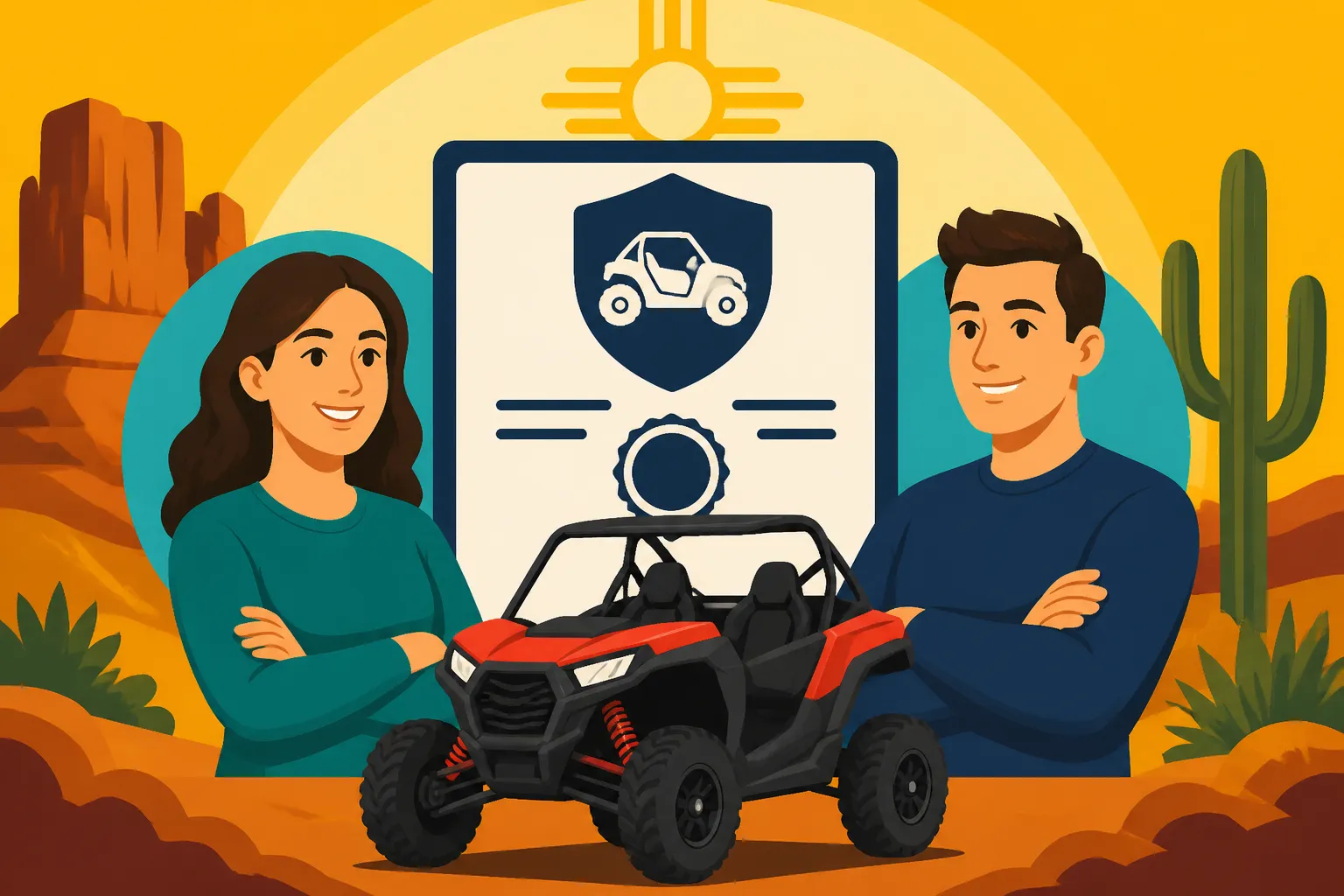
It's incredibly common for folks to share the joy of an ATV or UTV with a spouse, a partner, a family member, or even a close friend. But when it comes to the nitty-gritty of New Mexico OHV registration, having two names on one piece of paper can sometimes feel a bit like navigating a maze with a blindfold on. This guide is here to untangle the complexities, walk you through the process, and help you understand what it truly means to have an off-highway vehicle registered under two owners in our beautiful Land of Enchantment.
Why Having Two Names on Your OHV Registration Makes Sense
Sharing an OHV can be a fantastic way to spread the fun and the cost, but just like owning a home or a car together, putting both names on the registration and title brings a layer of clarity and protection that's invaluable. It's not just about who gets to ride, but also about legal responsibilities and how future decisions about the machine are made.
Shared Ownership and Liability Protection
When you register an OHV with two names, you're essentially telling the state that both individuals have a legal stake in that machine. This shared ownership is more than just symbolic; it has real implications for both rights and responsibilities. Imagine you and your riding buddy bought a side-by-side together, splitting the initial cost right down the middle. Putting both names on the title and registration clearly establishes that neither person can simply walk away with the machine or sell it without the other's consent. It creates a paper trail that protects both of your investments.
Furthermore, shared ownership can also tie into liability. While New Mexico doesn't mandate liability insurance for off-highway vehicles used strictly off-road, if you ever plan to take your machine on a paved road with a [New Mexico's Green On and Off-Highway Decal], insurance becomes a requirement. When there are two owners, it's often easier to ensure both are covered under the same policy, preventing potential headaches down the line if an accident were to occur. It also means that if one person has an incident, the other's ownership is still clearly defined, though liability can be a complex beast depending on who was operating the machine. Many owners find peace of mind knowing that the legal ownership reflects their actual arrangement, especially when drafting supplementary agreements using services like LawDepot.
Family and Household Machines
For many New Mexico families, an ATV or UTV isn't just a toy; it's a tool for ranch work, a way to explore the vast landscapes, or a weekend adventure vehicle for everyone. It's common for spouses, partners, or even parents and adult children to co-own a machine. In these household scenarios, having two names on the registration simplifies things considerably. It means that both individuals are recognized as legal owners, which can be particularly useful if one owner is out of town and the other needs to handle registration renewals or other MVD business.
Consider a husband and wife who both regularly use the same utility-terrain vehicle for maintaining their property outside of Las Vegas, New Mexico. If only one name were on the registration, and that individual were incapacitated or away for an extended period, the other spouse might face hurdles proving their right to operate or renew the registration for the machine. By having both names on file, the MVD acknowledges both as rightful parties. This helps prevent future legal entanglements and ensures continuity in managing the OHV, making it a true family asset.
How New Mexico MVD Handles Multiple Owners
The New Mexico Motor Vehicle Division (MVD) has specific ways of handling titles and registrations with multiple owners, and understanding the subtle differences in how names are listed is absolutely critical. It can determine who needs to sign what, who can sell the machine, and how the vehicle passes on in case of one owner's demise.
The "And/Or" Conundrum on Titles
When you're dealing with multiple owners on a title or registration, the way your names are joined (or separated) can make a world of difference. You'll often see titles listing owners with "and," "or," or sometimes just a comma. This isn't just a grammatical choice; it carries significant legal weight, especially for a large purchase like an OHV.
- "John Doe AND Jane Doe": This phrasing typically means that both parties must agree and sign for any major transaction involving the OHV. If you want to sell the machine, for example, both John and Jane would need to be present and sign the bill of sale and title transfer documents. If one owner passes away, the OHV doesn't automatically become the sole property of the survivor; it usually goes through probate as part of the deceased's estate. This "and" designation offers maximum protection for both owners, ensuring neither can act unilaterally.
- "John Doe OR Jane Doe": This is a very different beast. When "or" is used, it generally means that either owner can act independently. One owner could sell the OHV, transfer the title, or handle other MVD paperwork without the other's consent or signature. While this offers flexibility, it also means less protection for each individual owner. If one person decided to sell the machine without the other's knowledge, they could potentially do so. In the event of one owner's death, the OHV typically becomes the sole property of the surviving owner, bypassing probate. This is usually seen more often with bank accounts, but can appear on vehicle titles.
- No Connector (e.g., "John Doe, Jane Doe"): If there's no connector, New Mexico generally defaults to a "tenants in common" arrangement, meaning each person owns a specific, undivided share (often 50/50). If one owner dies, their share goes to their estate, not automatically to the surviving co-owner. This scenario also generally requires both signatures for a sale.
It's vital to clarify with the MVD or the seller exactly how the names will appear on the title, as this choice has long-term implications for control and inheritance. When you're making arrangements, especially for the purchase of a new machine, take the time to discuss these distinctions with all co-owners.
Paperwork for Joint Registration
Registering an OHV with two owners in New Mexico requires pretty much the same paperwork as registering it with one, but with the added layer of ensuring both owners are properly represented. You'll need the original Manufacturer's Statement of Origin (MSO) if it's a brand new machine, or a properly assigned title if you're buying it used. [Titling an Off-Highway Vehicle in New Mexico] explains this in more detail.
For a private sale, a clear and comprehensive bill of sale is essential. This document should explicitly list both purchasers as buyers. You can find templates or draft one yourself, and resources like LawDepot offer customizable bill of sale forms that can accommodate multiple buyers, ensuring all necessary details are covered. When you go to the MVD, typically both owners will need to be present to sign the application for title and registration. If one owner cannot be present, they might need to provide a notarized power of attorney or a notarized MVD form specifically authorizing the other owner to act on their behalf. Make sure to have valid identification for both parties, proof of residency (if applicable for a new resident registration), and any other documentation the MVD might require, such as a lien release if there was a loan on the machine. Proper documentation upfront can save you countless trips back to the MVD.
Comparing Ownership Types for OHVs
To help visualize the differences in how joint ownership affects your OHV, here’s a quick breakdown:
| Ownership Type on Title | Key Characteristic | Requires Both Signatures for Sale? | Passes to Survivor on Death? | Flexibility for One Owner? | Common Use Case |
|---|---|---|---|---|---|
| Name AND Name | Joint tenants with right of survivorship | Yes | Yes (often) | No | Spouses, partners wanting equal control |
| Name OR Name | Tenants in common (sometimes) | No | No (usually to estate) | Yes | Less common for vehicles, but possible for flexibility |
| Name, Name (no connector) | Tenants in common | Yes | No (to estate) | No | Shared investment where heirs inherit portions |
Note: Specific legal interpretations can vary, and it's always best to confirm with the MVD or a legal professional for your exact situation.
Practical Implications and Future Considerations
Getting the initial registration done is one thing, but living with a jointly owned OHV brings a few more things to consider over time. From routine renewals to unexpected situations, having two names on the paperwork means both parties need to stay informed and on the same page.
Selling, Gifting, or Transferring Jointly Owned OHVs
The day might come when you and your co-owner decide it's time to upgrade, sell the OHV, or perhaps even gift it to a deserving family member. This is where the "and/or" distinction on your title truly shows its colors. If your title states "Name AND Name," then both individuals will need to sign off on the sale or transfer. This means both signatures on the bill of sale (like one you might create using LawDepot to ensure all terms are clear) and both signatures on the title when it's assigned to a new owner. Trying to sell it with just one owner's signature will likely lead to a dead end at the MVD. This provides a great safeguard, preventing one owner from making a unilateral decision that impacts the other.
However, if your title lists "Name OR Name," then technically, either owner could potentially sell or transfer the vehicle independently. While this offers incredible flexibility, it also carries the risk of one owner acting without the other's full knowledge or consent, which can obviously lead to friction. For gifting a machine, the same rules apply regarding signatures. If you're giving it to a child, for instance, both registered owners would typically need to sign the transfer of title. For more on the process, you can check out [Selling an OHV in New Mexico]. Understanding this is crucial to avoid disputes or delays when the time comes to part ways with your beloved machine.
Renewals, Replacements, and Insurance
Routine maintenance of your OHV's registration also involves shared responsibilities. New Mexico OHV registrations typically require renewal every two years, as detailed in [New Mexico's $50 Biennial Renewal]. When you have two owners, the MVD will usually send the renewal notice to the primary mailing address on file. It's important for both owners to be aware of the renewal deadlines to avoid any lapse in registration or potential late fees. While either owner can often pay the renewal fee, ensuring the documentation is current is a shared responsibility.
What happens if that bright yellow or green decal goes missing or becomes unreadable after too many sunny days on the trail? Replacing a lost decal, as covered in [Replacing a Lost New Mexico Decal], usually only requires one of the registered owners to apply for a duplicate. However, it's always a good idea to communicate these needs so both owners are in the loop. When it comes to insurance, especially if you have the green decal for paved road use, both owners should ideally be listed on the policy to ensure comprehensive coverage when either person is operating the machine. Many insurance providers offer policies that can easily cover multiple drivers of the same vehicle, ensuring that all parties are protected against liability and damages. This shared approach to administrative tasks keeps your OHV legally compliant and ready for your next New Mexico adventure.
Disclaimer
This article is for general informational purposes only and does not constitute professional advice. Laws, prices and regulations vary by location and change over time. Consult a qualified professional for guidance on your specific situation.