Registering an OHV in New Mexico
Navigating the rules for off-highway vehicles (OHVs) in New Mexico can feel like trying to find your way through a winding desert trail without a map. Many riders get frustrated by the seemingly complex requirements for registration, titling, and what decals they actually need for their ATV, UTV, or dirt bike. This comprehensive guide is here to untangle that confusion, providing clear, step-by-step instructions to ensure your machine is legally ready for all the adventures the Land of Enchantment has to offer.
Understanding New Mexico's OHV Registration Landscape
Before you even think about hitting those stunning New Mexico trails, whether it’s the high-country forest roads or the expansive desert dunes, you need to understand the state's approach to off-highway vehicle registration. It's not just a formality; it's a critical step that ensures safety, funds trail maintenance, and keeps you compliant with the law. Without proper registration, a weekend ride can quickly turn into a headache with fines and unwanted encounters with law enforcement.
Why Registration Matters in the Land of Enchantment
Picture this: you've loaded up your side-by-side, driven hours to a beautiful trail system near Red River, and just as you're about to unload, a ranger stops you. The first thing they'll ask for, right after your helmet, is proof of registration. If you don't have it, your trip is over before it even began, and you're looking at a penalty. Beyond avoiding fines, your registration fees directly contribute to the maintenance and improvement of the very trails you want to ride. It's a system designed to support the OHV community, making sure that these recreational opportunities remain available and safe for everyone. The state wants to know who is using its lands and that they're contributing to the infrastructure that makes it possible.
Moreover, registration acts as a basic form of identification for your machine. In the unfortunate event of theft, a registered OHV has a much better chance of being recovered, as its details are on file with the state. It's not just about obeying the law; it's about protecting your investment and ensuring the future of off-highway riding in New Mexico. Think of it as your passport to New Mexico's vast and varied outdoor playgrounds.
The Role of the MVD and the Department of Game and Fish
When it comes to OHV matters in New Mexico, two state agencies are primarily involved, and knowing their roles is key to understanding the system. The New Mexico Motor Vehicle Division (MVD) is the main point of contact for all things registration and titling. Just like with your car or truck, you'll go through the MVD to get your initial registration, renew it, transfer ownership, or apply for a title. They are the record-keepers for your machine's legal status. Many riders find this confusing because OHVs aren't exactly "motor vehicles" in the traditional sense, but the MVD is where the paperwork happens. This structure for [Why MVD Registers New Mexico OHVs] is unique and important to grasp.
However, the New Mexico Department of Game and Fish also plays a vital role, particularly concerning the regulations and safety aspects of OHV use. While they don't handle registrations directly, they are responsible for enforcing OHV laws on public lands, conducting safety courses, and managing some of the funds generated by registration fees. These fees often circle back to trail maintenance and education programs, benefitting riders directly. So, while your visit for paperwork will be at the MVD, it’s the Department of Game and Fish that you'll likely encounter on the trails, ensuring everyone is following the rules and staying safe.
What Qualifies as an OHV in New Mexico
New Mexico has a broad definition for what constitutes an off-highway vehicle, and it's essential to know if your machine falls under these regulations. Generally, an OHV is any motor vehicle operated off paved roads. This includes a wide array of machines that many of us love to ride. We're talking about all-terrain vehicles (ATVs), those quad bikes you see everywhere, and utility terrain vehicles (UTVs) or side-by-sides, which have become incredibly popular for their versatility and passenger capacity.
Dirt bikes, or off-highway motorcycles, also fall squarely into the OHV category. Even vehicles like sand rails, snowmobiles, and sometimes even specialized electric machines can be classified as OHVs if they're primarily designed for off-road use. The key distinction is that these vehicles are not typically manufactured for or legally allowed on public paved roadways without specific additional requirements, such as a special plate. This broad definition means that if you're riding anything other than a standard car, truck, or motorcycle on dirt trails, chances are it's an OHV and needs to be registered.
The Step-by-Step New Mexico OHV Registration Process
Getting your OHV registered in New Mexico doesn't have to be a bewildering ordeal. While it requires attention to detail and gathering the correct paperwork, following a clear process will make it much smoother. Think of it as preparing your machine for a backcountry expedition – you wouldn't head out without the right gear, and you shouldn't approach registration without the right documents. This process is similar for [New Mexico's First OHV Registration] and subsequent renewals.
Gathering Your Essential Paperwork
The first and arguably most crucial step is to gather all the necessary documents. Showing up at the MVD without everything in order is a surefire way to waste your time and leave frustrated. For a new registration, you'll typically need proof of ownership, which could be your Certificate of Origin (for a brand new machine) or a properly executed title (for a used one). If you've bought a used machine and the previous owner misplaced the title, things get a bit more complicated, so always try to get that title at the point of sale. You'll also need proof of your identity, usually a valid driver's license or state ID.
In some cases, especially for a private sale, a Bill of Sale will be required, and it needs to be very specific, including the OHV's VIN, the purchase price, and signatures of both buyer and seller. If you're looking for reliable forms, a resource like LawDepot can be helpful for generating a legally sound bill of sale template, ensuring all necessary details are covered before you head to the MVD. Having an accurate and complete Bill of Sale can save you a lot of grief. Additionally, you'll need proof of New Mexico residency if you're registering as a resident, which could be utility bills or a New Mexico driver's license. Always check the MVD website for the most current list of required documents, as these can sometimes change. [New Mexico OHV Registration Paperwork] is a key component here.
Navigating the MVD: In-Person or Online Options
Once your paperwork is in order, it's time to submit your application. New Mexico offers a few ways to do this, though for a first-time registration or complex situations like missing titles, an in-person visit to an MVD office is often recommended. This allows you to speak directly with a clerk who can guide you through any tricky spots and ensure everything is filled out correctly. It can be a bit of a wait, especially during peak hours, so plan accordingly and bring a good book!
For renewals or simpler transactions, the MVD may offer online or mail-in options. Online renewals are incredibly convenient for those who just need to update their existing registration and receive new decals. However, it's vital to ensure all your information is current in the MVD system before attempting an online transaction. If you've recently moved or changed any details, it's often better to go in person or at least confirm online functionality before spending time filling out forms. Always keep copies of everything you submit, regardless of the method, for your records. The ease of [New Mexico OHV Registration Online] is a big plus for many riders.
Receiving Your Decal and Proof of Registration
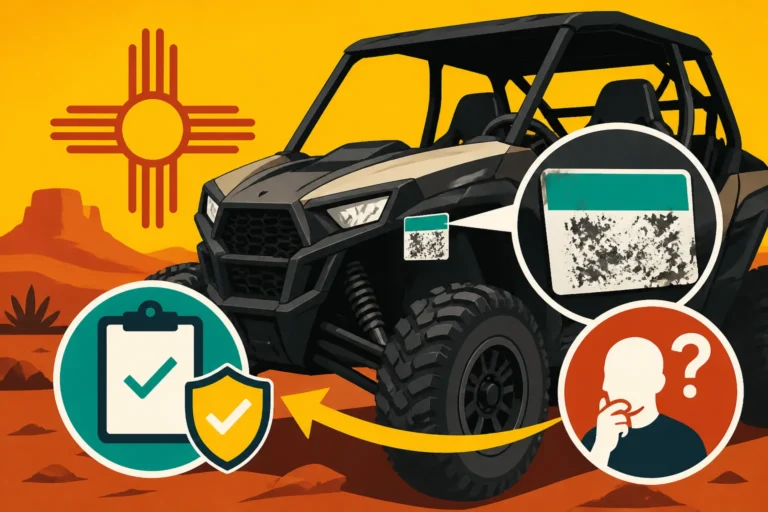
After successfully submitting your application and paying the applicable fees, the MVD will issue you a proof of registration card and the all-important OHV decal. This decal is your visible proof that your machine is legally registered to operate in New Mexico. It's usually a brightly colored sticker, and it needs to be prominently displayed on your OHV according to specific placement rules. Don't just stick it anywhere; there are guidelines to follow to avoid issues later.
The registration card should be kept with you whenever you're riding your OHV. It's similar to carrying your driver's license and vehicle registration in your car. In New Mexico, [How Long a New Mexico OHV Registration Lasts] is generally two years, after which you'll need to renew it. Make sure you understand the expiration date and mark your calendar so you don't accidentally let your registration lapse. For more detail, you can consult [New Mexico's $50 Biennial Renewal]. Keeping these items safe and accessible is your final step in the registration process and your ticket to worry-free riding.
Titling Your OHV in New Mexico: A Separate but Related Process
While registration gives you permission to ride, titling establishes legal ownership of your OHV. These are two distinct processes, though they often happen concurrently, especially when you purchase a new or used machine. Understanding the nuances of titling is crucial, as a clean title protects you as the owner and streamlines any future sale or transfer of the OHV.
When a Title is Required (and When it's Not)
In New Mexico, most OHVs, especially ATVs and UTVs, are required to have a title. The title is the official document that proves who legally owns the vehicle. When you buy a new OHV from a dealer, they will usually handle the initial titling paperwork for you, submitting it to the MVD to get the Certificate of Title issued in your name. For used OHVs purchased through a private sale, the seller should sign over their existing title to you, and you'll then take that to the MVD to have a new title issued in your name. [Titling an Off-Highway Vehicle in New Mexico] is a foundational step.
However, there can be exceptions. Very old OHVs might not have ever been titled, or some smaller, specialized machines might fall into a category where titling isn't strictly enforced. This can create challenges when trying to register, as the MVD often requires proof of ownership that a title provides. If you're in a situation where an OHV you acquired has no title, you might need to explore options like a bonded title, a court order, or even a statement of facts from the previous owner, depending on the circumstances. It's a sticky situation, and it's always best to avoid it by ensuring you get a title with any purchase.
The Importance of a Clean Title Transfer
A clean title transfer is absolutely paramount when you're buying or selling an OHV. What does "clean" mean? It means the title is free of any liens, outstanding loans, or other encumbrances that could complicate ownership. When you're the buyer, always insist on receiving the physical title, properly signed over by the seller. Verify that the Vehicle Identification Number (VIN) on the title matches the VIN on the actual OHV. This is your safeguard against purchasing a stolen vehicle or one with hidden financial obligations. Using a reputable service for a VIN check can reveal if there are any red flags.
For sellers, ensuring a clean title transfer protects you from any liability once the machine is out of your hands. When you sell, promptly report the sale to the MVD and provide the buyer with the signed-over title. A clear chain of ownership benefits everyone involved and prevents future headaches. If you're involved in a private sale, preparing documents like a Bill of Sale in advance can help ensure a smooth transfer. LawDepot, for example, offers templates that clearly outline all terms of sale, including title transfer, helping both parties to understand their obligations. This document provides crucial legal protection for both buyer and seller. [Selling an OHV in New Mexico] is much simpler with a clean title.
Dealing with Lost or Missing Titles
Ah, the dreaded lost title! It's a common scenario and one that can bring your registration plans to a screeching halt. If you've misplaced your OHV title, you'll need to apply for a duplicate through the MVD. This usually involves filling out a specific form, providing your identification, and paying a fee. The process can take some time, as the MVD verifies your ownership before issuing a new one. Don't expect to walk out with a duplicate title on the same day.
If you've purchased an OHV from a private party and they never gave you a title, or they lost it, the situation becomes more complex. You might need to contact the previous owner to see if they can apply for a duplicate. If that's not possible, you could be looking at a "Statement of Fact" process or, in more extreme cases, pursuing a bonded title. A bonded title requires you to obtain a surety bond, which financially protects previous owners or lienholders in case someone else claims ownership later. These situations are much more complicated and often involve additional costs and paperwork, which is why a clean title at the point of purchase is always the preferred path.
Decals and Plates: Understanding What Goes Where
Once your OHV is registered and titled, the MVD will issue you the necessary decals and, potentially, a plate. These aren't just decorative stickers; they are vital for showing compliance with New Mexico law and indicating where your machine is legally allowed to operate. Knowing which decal to use and where to put it is crucial for a hassle-free riding experience.
The Difference Between Yellow and Green Decals
New Mexico employs a two-decal system for OHVs, and understanding the difference is key to legal riding. The yellow decal signifies that your OHV is registered for off-highway use only. This is the basic registration that allows you to ride on designated trails, public lands, and private property (with permission) throughout the state. Most OHV riders will primarily use this decal, as the majority of riding takes place off pavement. It essentially marks your machine as a bona fide off-roader. [New Mexico's Yellow Off-Highway Decal] is your standard go-to.
The green decal, on the other hand, allows your registered OHV to be operated on and off highways. This decal is for machines that have met specific additional requirements (like insurance and certain equipment standards) to legally operate on public paved roads where OHV use is permitted by local ordinance or county resolution. Not all OHVs can qualify for a green decal, as off-highway motorcycles, for instance, are generally excluded from paved road access. If you plan to ride your UTV through a town that has an open OHV ordinance, or cross a paved road to get to another trail, this is the decal you'll need. [New Mexico's Green On and Off-Highway Decal] offers expanded access.
Here's a quick comparison of the two decals:
| Feature | Yellow Decal (Off-Highway Use Only) | Green Decal (On and Off-Highway Use) |
|---|---|---|
| Purpose | Riding on designated trails, public land, private property. | Riding on paved roads (where legal) and off-highway. |
| Requirements | Standard OHV registration and titling. | Standard OHV registration, additional equipment, and liability insurance. |
| Road Access | No public paved road access, only crossings. | Limited public paved road access, as permitted by local ordinances. |
| Cost | Included with standard biennial registration. | Included with standard biennial registration (if qualified). |
| Validity | Two years from issuance/renewal. | Two years from issuance/renewal. |
New Mexico's Paved Road Plate: When You Need It
Beyond the decals, New Mexico has a specific "paved road plate" option for those OHVs that meet criteria for street legality in certain areas. This plate is distinct from the regular OHV decal. It's specifically for OHVs that will be operating on paved roads where local ordinances allow for it, essentially giving your machine a more formal recognition as a street-legal vehicle for those specific zones. Historically, there was a "sticker" program for paved roads, but that has transitioned. Now, if you want full street-legal capability in designated areas, you'll be looking for this plate. [New Mexico's Paved Road Plate] signifies a higher level of road-readiness.
To qualify for a paved road plate, your OHV must meet several equipment requirements, including things like headlights, taillights, brake lights, mirrors, and often a horn. You also absolutely must have proof of financial responsibility (liability insurance) to get and maintain this plate. This is not optional; riding on paved roads without the proper insurance is a serious offense. This plate is not for every rider, but for those who frequent towns with open OHV ordinances or need to connect trails via public roads, it's an invaluable asset. Remember, this plate doesn't automatically make your OHV street legal on all roads, especially state highways, which generally remain off-limits.
Proper Placement of Your Decals and Plate
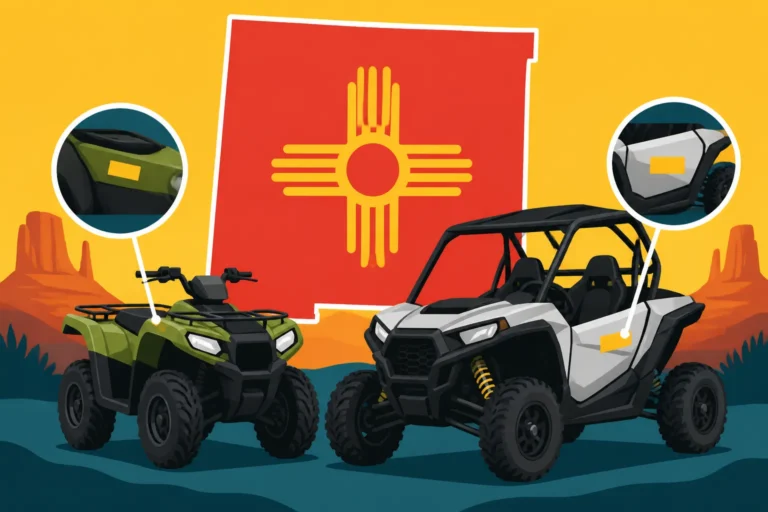
Correct placement of your OHV decal and, if applicable, your paved road plate, is not just about aesthetics; it's a legal requirement. The rules are pretty specific and vary slightly depending on the type of OHV you own. For ATVs and quads, the decal typically needs to be affixed to the left rear fender. This ensures it's visible from behind and to the side, allowing law enforcement to easily verify your registration without having to stop you unnecessarily. [Where the Decal Goes on an ATV's Left Rear] is a common question.
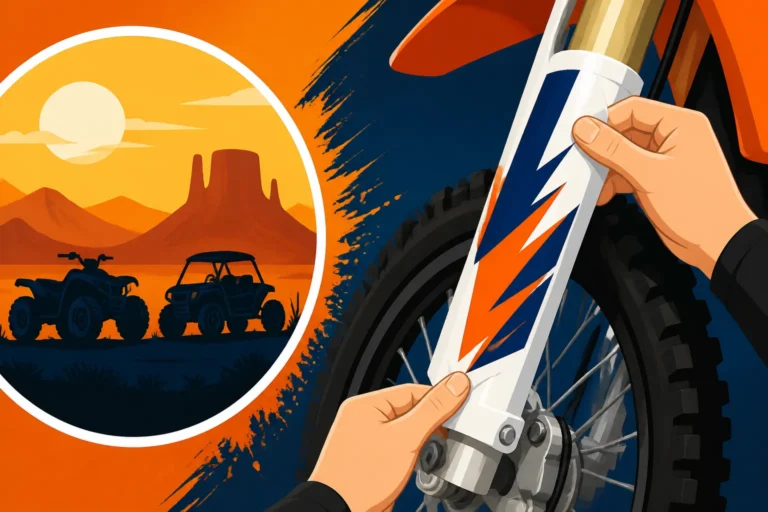
For side-by-sides (ROVs/UTVs), the decal usually goes on the left rear quarter panel, again for maximum visibility. Dirt bikes (off-highway motorcycles) have a slightly different requirement, with the decal needing to be placed on the left fork leg. The key principle across all vehicle types is visibility and accessibility. The decal should be permanently affixed, not simply tucked under a seat or in your glove box. If you have a paved road plate, it will need to be mounted in a standard license plate bracket, typically at the rear of the machine, with appropriate lighting to make it visible at night. Failure to properly display your registration can result in a fine, even if your OHV is otherwise registered. Always check the MVD guidelines or consult [New Mexico OHV Decal Placement Rules] for the most current information.
Special Scenarios and Common Questions
Life isn't always straightforward, and neither are all OHV registration scenarios. You might be buying a used machine, moving to New Mexico, or simply need to replace a lost decal. Understanding how to handle these specific situations will save you time and frustration, ensuring your OHV remains legal and ready for adventure.
Registering a Used OHV or One from Out-of-State
Buying a used OHV can be a great way to get into the sport, but it comes with its own set of registration challenges. The most critical step when buying used is ensuring you receive a clear title, properly signed over by the seller. Without it, you'll face significant hurdles proving ownership. You'll also need a Bill of Sale that includes the OHV's VIN, purchase price, and the names and signatures of both parties. Once you have these, you'll take them to the MVD to transfer the title into your name and register the machine. Even if the machine was previously registered, the clock for its two-year registration typically resets with a change of ownership. For assistance with proper documentation, remember that resources like LawDepot can provide customizable bill of sale templates that ensure all legal requirements are met, particularly when you're engaging in a private sale.
If you're bringing an OHV into New Mexico from another state, you'll need to register it here if you're becoming a New Mexico resident. This process is very similar to a first-time registration, requiring proof of ownership (your out-of-state title), proof of identity, and proof of New Mexico residency. You might also need to have the VIN inspected. If you're a non-resident just visiting New Mexico, many states have reciprocity, meaning your home state's valid registration is honored. However, some states don't have an OHV registration program, in which case you might need to purchase a New Mexico Nonresident OHV Permit. Always check the current reciprocity rules or [Registering an Out-of-State Machine in New Mexico] before your trip.
Renewals, Transfers, and Replacements
Keeping your OHV registration current is a biennial task in New Mexico. Registrations are valid for two years, and the MVD usually sends out renewal notices. You can often renew online, by mail, or in person. It's usually a simpler process than the initial registration, requiring less paperwork, primarily proof of your previous registration and payment of the renewal fee. [Renewing a New Mexico OHV Registration] is something every rider will eventually face.
Transferring an OHV registration happens when ownership changes, as discussed with used vehicles. It's essential for the new owner to re-register the machine in their name promptly. If you need to replace a lost, stolen, or damaged decal or registration card, you can do so through the MVD. There's typically a small fee for replacements, and you'll need to provide your identification and verify ownership. Don't ride with a missing or illegible decal; replace it as soon as possible to avoid potential fines.
What Happens if You Don't Register Your OHV
Ignoring New Mexico's OHV registration requirements can lead to some unpleasant consequences. The most immediate is a fine. Law enforcement, whether it's MVD agents, park rangers, or local sheriffs, regularly patrol popular riding areas, and they will check for valid registration. An unregistered OHV is a clear violation, and the fines can quickly eat into your riding budget. [New Mexico Fines for an Unregistered OHV] can be quite steep.
Beyond fines, an unregistered OHV could potentially be impounded, leaving you stranded and incurring additional costs for towing and storage. In more serious or repeated offenses, there could be legal repercussions. Furthermore, riding an unregistered OHV means you're not contributing to the very system that maintains the trails and promotes safety for all riders. It's simply not worth the risk. Make sure your machine is properly registered before you hit any public land or designated trails.
Costs, Fees, and Where Your Money Goes
Understanding the financial side of OHV registration in New Mexico helps riders budget and also appreciate where their contributions go. While nobody enjoys paying fees, these charges are essential to maintaining the robust OHV trail system and ensuring responsible riding throughout the state.
Breaking Down the Registration and Titling Fees
When you register a new OHV in New Mexico, or transfer one into your name, there are several fees involved. The primary cost is the biennial registration fee. This covers your machine for two years of off-highway use. If you're also applying for a title, there will be a separate titling fee. These fees are standard and typically non-negotiable. For a first-time registration, you might also encounter a small administrative fee.
If you opt for the paved road plate, there might be additional charges or requirements for proof of insurance that you'll need to factor into your costs. It's important to remember that these fees are generally collected by the MVD. While specific figures can fluctuate, you should always check the most current fee schedule on the New Mexico MVD website before you head in. Knowing the exact [New Mexico OHV Registration Cost] beforehand will prevent any surprises at the counter.
Understanding the Biennial Renewal Cycle
As mentioned, New Mexico OHV registrations are valid for two years. This biennial cycle means you'll need to renew your registration every other year. The MVD generally tries to send out reminders, but it's ultimately your responsibility to ensure your registration doesn't expire. Missing the renewal deadline could result in late fees or, worse, being caught riding an unregistered machine. [Why New Mexico Renews Every Two Years] is a common question, and it's simply the state's chosen cycle for OHV compliance.
The renewal process is usually quicker and involves fewer documents than the initial registration. Often, it can be completed online or by mail, offering a convenient way to keep your registration current without a trip to the MVD. Just pay the renewal fee, and new decals will be issued. Keeping track of your expiration date, perhaps by adding a reminder to your phone or calendar, is a simple step that can save you a lot of hassle.
How OHV Fees Support New Mexico's Trails
It's natural to wonder where your registration and titling fees actually go. In New Mexico, a significant portion of these funds is dedicated directly back to the OHV community. These revenues are often channeled into programs that fund trail construction, maintenance, and signage for OHV routes across the state. This means that when you pay your registration fee, you're directly contributing to the quality and availability of the very trails you enjoy riding.
These funds also support important initiatives like OHV safety education programs, which are crucial for teaching new riders responsible practices and reducing accidents. They can also contribute to law enforcement efforts to patrol trails and ensure everyone is riding safely and respectfully. So, while paying fees might not be the most exciting part of OHV ownership, it's an investment in the future of the sport and the preservation of New Mexico's incredible riding opportunities. [Where New Mexico OHV Fees Go] is a testament to the state's commitment to the OHV community.
Beyond Registration: Essential Riding Laws and Safety
Registration is just the first step. To truly enjoy New Mexico's OHV trails responsibly and legally, you need to understand the broader legal framework and safety guidelines. These rules are in place to protect riders, other trail users, and the environment. Ignoring them can lead to serious consequences, both legal and personal.
Insurance and Licensing Requirements for Road Use
If you plan to ride your OHV on any paved public roads in New Mexico, even just to cross a highway or connect two trails, specific requirements kick in. First and foremost, you must carry liability insurance. This is non-negotiable. Just like with a standard car, your OHV needs to be covered to protect against damages or injuries you might cause in an accident on a public road. Without it, you could face hefty fines, impoundment, and severe personal financial liability. [New Mexico OHV Registration and Liability Insurance] is a critical pairing for road use.
In addition to insurance, the driver of the OHV on a public paved road must possess a valid driver's license. This means you can't just let anyone with an OHV registration drive on the street; they need a proper driver's license issued by any state. These requirements ensure that anyone operating a vehicle on a public roadway is both financially responsible and has demonstrated a basic level of driving competence.
Helmet Laws and Age Restrictions
Safety is paramount in OHV riding, and New Mexico has clear rules regarding helmets and age restrictions, especially for younger riders. For anyone under the age of 18, wearing a DOT-approved helmet is mandatory when operating or riding as a passenger on an OHV on public land. This isn't just a suggestion; it's the law, and it's there to protect young lives. Many experienced adult riders also choose to wear helmets, regardless of the law, recognizing the inherent risks of off-road riding. [New Mexico Helmet Law for ATV Riders] is a key safety measure.
Furthermore, there are age restrictions on who can operate an OHV on public land. Generally, riders under 10 years old are restricted to private land. Riders between 10 and 17 must complete an approved OHV safety training course and carry a safety permit if operating an OHV on public land. There are also rules about carrying passengers, especially for younger riders, and limits on engine size for different age groups. These rules are designed to gradually introduce riders to the sport as they gain experience and maturity. Understanding [New Mexico Rules for Riders Under 18] is vital for families.
Environmental Responsibilities and Spark Arresters
New Mexico's stunning landscapes are a treasure, and OHV riders have a responsibility to protect them. This includes adhering to environmental regulations. One critical piece of equipment for any OHV operating on public lands, especially federal lands like those managed by the Forest Service or BLM, is a spark arrester. This device is designed to prevent hot carbon particles from escaping your exhaust and potentially igniting dry vegetation, which could lead to devastating wildfires. Most modern OHVs come with a spark arrester from the factory, but it's crucial to ensure yours is in good working order and legally approved.
Beyond spark arresters, riders are expected to "tread lightly" and practice Leave No Trace principles. This means staying on designated trails, avoiding sensitive areas, packing out all trash, and being mindful of noise levels. Respect for private property is also paramount; always obtain permission before riding on private land. These practices not only preserve the environment but also ensure that OHV access to these beautiful areas continues for future generations.
Disclaimer
This article is for general informational purposes only and does not constitute professional advice. Laws, prices and regulations vary by location and change over time. Consult a qualified professional for guidance on your specific situation.