New Mexico Rules for a Trust Land Road
Navigating the vast and beautiful landscapes of New Mexico on your ATV or UTV is an incredible experience, but it’s often confusing to know exactly where you can legally ride. One area that frequently trips riders up is New Mexico State Trust Land. This guide is here to clear up the mystery, explaining precisely what State Trust Land is, why it's managed differently than other public lands, and the crucial rules you need to follow to enjoy these areas legally and responsibly without running into unexpected trouble.
Understanding New Mexico State Trust Land
When you're out exploring the Land of Enchantment, you'll encounter all sorts of terrain – federal lands like National Forests or BLM areas, state parks, private property, and then there's State Trust Land. It's easy to assume that if it's not marked as private, it's fair game. But with State Trust Land, that assumption can land you in a heap of trouble. It's a unique category of land that exists for a very specific purpose, and understanding that purpose is key to knowing the rules.
What Exactly is State Trust Land?
Here’s the deal: New Mexico State Trust Land isn't "public land" in the same way a National Forest or a BLM recreation area is. These lands were granted to the state by the federal government at statehood, specifically to generate income for a variety of public institutions, primarily schools and universities. Think of it like a massive endowment. The New Mexico State Land Office manages these lands with a fiduciary responsibility – their main goal is to make money for the beneficiaries, not necessarily to provide open public recreation. This means it's often leased out for activities like grazing cattle, oil and gas exploration, mining, or commercial agriculture. These are working lands, and your recreational access is secondary to these income-generating activities. Because of this, casual recreational use without permission is strictly prohibited and considered trespass.
The Importance of the Recreational Access Permit
Because State Trust Land is managed for profit, you can't just roll up and start riding your OHV. To legally access these lands for recreational purposes, you absolutely must obtain a Recreational Access Permit. This permit is your golden ticket, signaling to the State Land Office that you understand the rules and are contributing a small fee that goes back into the trust for its beneficiaries. Without it, even if you're just driving on an existing road that looks like any other dirt road, you're trespassing. It's a common point of confusion for riders, especially if they're used to the more open access of certain federal lands. But the State Land Office is very clear: no permit, no entry for recreation. This permit covers activities like hiking, birdwatching, camping (in designated areas with specific rules), and yes, OHV riding, but only under certain conditions that we'll dive into. It's crucial to differentiate this from other permits you might need, such as [New Mexico OHV Safety Permit Requirements] for minors.
Navigating the Permit Process for Trust Land Riding
So, you understand the necessity of the permit. Great! Now, let's talk about how to actually get one and what you need to know to ensure your riding adventure on New Mexico State Trust Land is smooth and legal. It's not a complicated process, but it does require a bit of foresight.
How to Obtain a Recreational Access Permit
The easiest and most common way to get your Recreational Access Permit is directly through the New Mexico State Land Office website. They have an online portal designed for this very purpose. You'll typically fill out an application form that asks for basic personal information. It's pretty straightforward, much like renewing your vehicle registration. You'll need to provide your contact details, and sometimes information about the type of recreational activity you intend to pursue (though for general OHV riding, simply selecting "recreation" is usually sufficient). This online process has made it incredibly convenient, sparing you a trip to a physical office, which is a relief for many of us who are already juggling busy schedules. Just make sure you're on the official State Land Office site to avoid any scams or misinformation. If you're looking for [The Permit You Need for New Mexico Trust Land], this is it!
Cost and Duration of the Permit
When it comes to the cost of the Recreational Access Permit, it’s designed to be affordable. The State Land Office sets a fee, which typically covers a full year of access. Think of it as a small annual investment in your riding freedom. While I can't give you exact figures, know that it's usually a modest amount, much less than a tank of gas, and it's a small price to pay for legal access and peace of mind. It’s important to check the current fee structure on their website before you apply, as these things can change. Once you purchase it, the permit is typically valid for 12 months from the date of purchase. This means you can plan multiple rides throughout the year without needing to reapply each time. So, if you're asking about [New Mexico State Trust Land Permit Cost], it's an annual fee and usually quite reasonable for the access it grants.
Key Rules and Restrictions on Permit Use
Simply having the permit isn't a free pass to do whatever you want. There are strict rules governing how you can use State Trust Land, especially when riding an OHV. These are working lands, remember?
- Stay on Existing Roads and Trails: This is paramount. Off-road travel, creating new trails, or destructive riding is absolutely forbidden. You must stick to established roads, often referred to as "two-track" roads. This isn't the place for blazing new paths through the desert or tearing up sensitive vegetation.
- Respect Closures: Some areas may be temporarily or permanently closed due to grazing, construction, fire danger, or environmental protection. Always heed signage and closure notices.
- No Littering: Pack it in, pack it out. This should be a given for any outdoor enthusiast, but it's especially critical on trust lands where clean-up resources might be scarce.
- No Dispersed Camping: Unlike some BLM lands, widespread dispersed camping is generally not allowed on State Trust Land without specific additional permits or in designated areas. Always check the specific rules for the parcel you intend to visit.
- Hunting and Fishing: If you plan to hunt or fish, you'll need the appropriate licenses from the New Mexico Department of Game and Fish, in addition to your Recreational Access Permit. The permit covers access, not specific activities like hunting.
- Vehicle Restrictions: While OHVs are allowed with the permit on designated roads, always be mindful of local conditions and any specific restrictions that might be posted. Your standard [New Mexico OHV Registration Paperwork] and decals still apply here.
Think of it like being a guest in someone else's office – you're allowed in, but you have to follow their rules. The State Land Office is very clear about the proper use of these lands, and respecting these guidelines ensures continued access for everyone.
Riding Etiquette and Legal Considerations on Trust Land Roads
Riding on State Trust Land roads isn't just about having the right permit; it's also about understanding the unique environment and the people who rely on these lands for their livelihoods. A little common sense and courtesy go a long way in ensuring a positive experience for everyone and keeping these areas accessible for OHV enthusiasts.
Respecting Existing Leases and Users
Remember, a lot of State Trust Land is leased out for grazing, farming, or other commercial activities. This means you're highly likely to encounter ranchers, their livestock, or other working professionals.
- Cattle and Other Livestock: If you see cattle, sheep, or horses, slow down, give them a wide berth, and avoid startling them. They have the right of way. Remember, these animals are someone's livelihood.
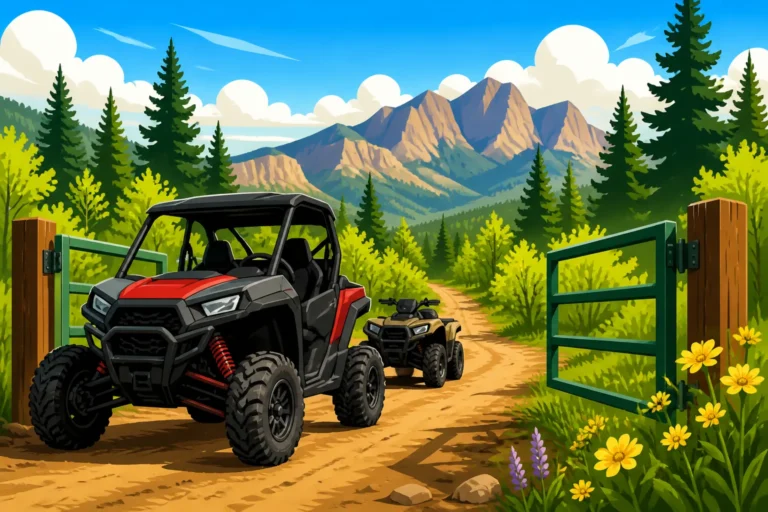
- Gates: This is a big one. You'll often find gates on trust land roads. The golden rule is: leave gates as you find them. If it's open, leave it open. If it's closed, close it behind you. This is crucial for managing livestock and preventing them from wandering off. Accidentally leaving a gate open can lead to significant problems for a rancher. It's a fundamental aspect of [New Mexico Rules for Opening a Gate].
- Working Equipment: Be aware that you might encounter heavy equipment, trucks, or other vehicles related to ranching, oil and gas, or mining operations. Give them plenty of space.
- Private Inholdings: Some State Trust Land parcels may have private property boundaries within or adjacent to them. Always pay attention to signage and respect private property.
By being mindful of these working land aspects, you'll not only avoid conflicts but also help foster a positive relationship between OHV riders and other land users.
OHV-Specific Rules for Trust Land
Beyond the general recreational access rules, all the standard New Mexico OHV regulations apply when you’re riding on State Trust Land roads. Just because you have a trust land permit doesn't exempt you from the other laws.
- Registration and Decals: Your OHV must be properly registered with the New Mexico Motor Vehicle Division (MVD), and you must display the correct yellow or green decals. If you're a visitor, make sure you understand [New Mexico's Nonresident OHV Permit] requirements or reciprocity rules.
- Safety Permits for Minors: If you have riders under the age of 18, they must have a valid New Mexico OHV safety permit. This isn't optional, regardless of the land type.
- Equipment: Your machine needs to meet New Mexico's equipment standards. This includes having a working spark arrester (especially critical on public lands to prevent fires), a muffler that meets sound limits, and appropriate lighting if riding after dark. Checking your [New Mexico Spark Arrester Requirement] before heading out is always a good idea.
- Designated Routes Only: While the permit allows access, it does not mean you can go anywhere. You are restricted to existing roads and established two-tracks. Cross-country travel or creating new trails is prohibited and can result in fines and loss of your permit. This is where a good GPS with updated land ownership maps can be invaluable, especially if you've kitted out your machine with navigational accessories from places like SuperATV. Their robust mounts and protective cases can keep your devices secure on rough trust land roads.
What Happens if You Don't Have a Permit or Violate Rules?
This is where the rubber meets the road, quite literally. Ignoring the rules on State Trust Land can lead to some pretty unpleasant consequences.
- Trespass Charges: Riding on State Trust Land without a valid Recreational Access Permit is considered trespass. This isn't just a slap on the wrist; it can result in significant fines. Law enforcement officers, including county sheriffs and State Land Office rangers, do patrol these areas.
- Fines: Fines for trespass can vary but are usually substantial, and they can increase for repeat offenses. You could also be cited for other violations, such as operating an unregistered OHV ([New Mexico Fines for an Unregistered OHV]), environmental damage, or disturbing livestock.
- Machine Impoundment: In some cases, your OHV could even be impounded, adding towing and storage fees to your already growing list of expenses.
- Loss of Future Access: Violating the rules can lead to your permit being revoked, and you might be banned from obtaining future permits, effectively cutting off your access to these lands.
The State Land Office takes its responsibility to its beneficiaries seriously, and they expect recreational users to do the same. It's truly not worth the risk. A small fee and a bit of planning can save you a lot of headache and money.
Planning Your Ride on New Mexico Trust Land
Successfully and legally riding on New Mexico State Trust Land requires a bit more preparation than just gassing up and hitting the trail. Knowing where you can go, what to bring, and how these lands fit into the broader riding landscape will make for a much more enjoyable and compliant adventure.
Identifying Trust Land for Riding
Finding out exactly where State Trust Land is located is crucial, as boundaries aren't always obvious on the ground.
- State Land Office Maps: The New Mexico State Land Office provides online maps and resources that clearly delineate State Trust Land parcels. This is your primary source of truth. Many riders use GPS apps on their phones or dedicated devices that overlay public land boundaries, but always cross-reference with the official source.
- Land Status Apps: Several popular mapping apps for outdoor recreation (like Gaia GPS, onX Offroad, etc.) offer layers that show land ownership, including State Trust Land. These can be incredibly helpful in the field for real-time navigation and boundary awareness.
- Not All Trust Land is Open or Suitable: Just because a parcel is State Trust Land doesn't mean it's ideal for OHV riding. Some areas might be rugged, lack existing roads, or have specific local closures. Always do your research on the specific parcel you plan to visit. Look for established roads and routes, not just vast expanses of open space.
It's a common mistake to assume all "open" land is rideable. By taking the time to consult maps and understand the land status, you'll be able to confidently plan routes that keep you on legal ground.
Essential Gear and Preparedness
Even on well-established trust land roads, you need to be prepared. These areas are often remote, and help can be a long way off.
- Navigation: A GPS device or a smartphone with offline maps showing land ownership boundaries is non-negotiable. Don't rely solely on cell signal, as it's often nonexistent in remote New Mexico areas.
- Water and Food: Carry more water than you think you'll need, especially during warmer months. Pack extra snacks or emergency rations.
- Basic Tools and Repair Kit: Flats happen. A tire plug kit, a small air compressor, and basic tools for common repairs can save your day. Products like a heavy-duty spare tire carrier from SuperATV can be a lifesaver in these remote conditions, ensuring you're not stranded miles from the nearest paved road.
- First-Aid Kit: Always have a well-stocked first-aid kit.
- Communication: A satellite messenger or a two-way radio can be crucial for emergencies where cell service is absent.
- Appropriate Clothing: Dress for the weather and potential changes. Sun protection is always important in New Mexico.
Preparedness isn't just about safety; it's about being responsible and respecting the wild nature of these lands.
Combining Trust Land with Other Riding Areas
Often, State Trust Land parcels are interspersed with other land types, such as Bureau of Land Management (BLM) land, National Forests, or even private property.
- Seamless Transitions (But Different Rules): A road might transition from State Trust Land to BLM land, or vice-versa, without any obvious change in scenery. However, the rules for each land type are distinct. What's allowed on BLM land (like some dispersed camping or more open riding in certain areas) might be prohibited on State Trust Land.
- Check Maps Continuously: This is where those mapping apps with land ownership layers really shine. Continually consult your map to know exactly which jurisdiction you're in. This will help you adhere to the specific regulations for that particular parcel.
- Research All Jurisdictions: If your planned route crosses multiple land types, make sure you understand the rules for each. For example, be aware of [New Mexico Rules for Riding BLM Land] and [New Mexico Rules for Riding a Forest Road] if your route takes you into those areas. Never assume the rules are the same across different land managers.
By understanding the specific requirements for New Mexico State Trust Land, obtaining the necessary permit, and adhering to responsible riding practices, you can confidently explore these unique and often beautiful parts of our state. Safe riding!
Disclaimer
This article is for general informational purposes only and does not constitute professional advice. Laws, prices and regulations vary by location and change over time. Consult a qualified professional for guidance on your specific situation.