New Mexico OHV Registration at MVD
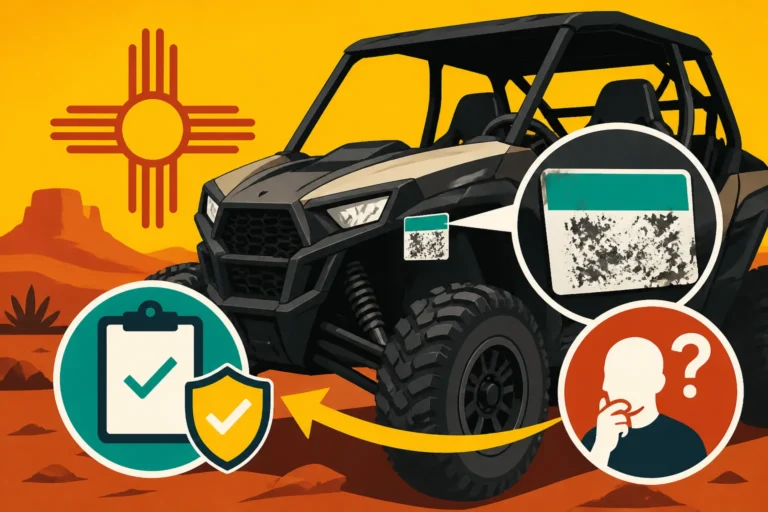
It’s easy to feel a bit lost when you’re trying to register your shiny new (or new-to-you) ATV, UTV, or dirt bike in New Mexico. You might be wondering, "Do I go to the MVD, or is it Game and Fish?" and "What paperwork do I actually need to avoid multiple trips?" This guide is here to clear up the confusion and walk you through the entire process of getting your off-highway vehicle (OHV) registered at the New Mexico Motor Vehicle Division, helping you prepare thoroughly so you can hit the trails faster.
Why the MVD is Your Go-To for New Mexico OHV Registration
When it comes to getting your off-highway vehicle properly documented in New Mexico, there can be a bit of head-scratching about which agency handles what. Many folks mistakenly believe the New Mexico Department of Game and Fish is the primary point of contact for OHV registration, especially given their visible role in safety courses and trail advocacy. But the truth is, just like your car or truck, your ATV, UTV, or dirt bike registration and titling all fall under the purview of the New Mexico Motor Vehicle Division (MVD).
Separating Fact from Fiction: Who Handles What?
It's a common misconception, and honestly, it's easy to see why. The New Mexico Department of Game and Fish does a fantastic job with OHV education, promoting safe riding practices, and managing some aspects of public land access. They're often the face you associate with responsible OHV use. However, when it comes to the nitty-gritty of official vehicle records, stickers, and legal ownership, that's firmly in the MVD's wheelhouse. Think of it this way: Game and Fish helps you understand how to ride safely and where to ride legally, while the MVD makes sure your machine is legal to ride in the first place by handling the paperwork and fees. This division of labor helps centralize vehicle records and streamline processes across different vehicle types. You can learn more about this by reading [Why MVD Registers New Mexico OHVs].
The Importance of a Valid Registration
You might be thinking, "Do I really need to register my quad if I just ride it on my ranch or private property?" The short answer is yes, if you ever plan to take it anywhere else! A valid MVD registration isn't just a suggestion; it's a legal requirement for operating your OHV on any public lands in New Mexico. This includes state trust lands, national forests, Bureau of Land Management (BLM) areas, and even crossing certain county or municipal roads where permitted. Showing up at a popular riding area like Red Sands or Glade Run without current registration decals can lead to an uncomfortable conversation with a ranger or deputy, and potentially a hefty fine. Nobody wants their eagerly anticipated weekend ride to end with a ticket. The fees collected from OHV registrations also play a vital role in maintaining the very trails and staging areas we all enjoy, funding improvements and ensuring these fantastic outdoor opportunities remain available for years to come. Getting caught without proper registration can lead to significant penalties, so it's best to be prepared. Check out [New Mexico Fines for an Unregistered OHV] for more details on potential consequences.
Essential Paperwork for Your MVD Visit
Okay, so you know the MVD is the place. Now comes the often-dreaded part: gathering all the documents. This is where many people run into snags, leading to multiple trips to the MVD office – and nobody has time for that! Preparing thoroughly before you go is the absolute best way to ensure a smooth, one-and-done visit.
The Core Documents You Can't Forget
Imagine arriving at the MVD, waiting patiently, finally getting to the counter, only to be told you're missing a critical piece of paper. It's a frustrating scenario many of us have faced. To register your OHV in New Mexico, you'll generally need a few key documents. First and foremost, you need undeniable proof of ownership. This usually means the vehicle's title, if it has one. If your OHV is brand new, you'll need the Manufacturer's Statement of Origin (MSO), which is essentially the birth certificate of your machine. For a used OHV, if a title exists, that's what you'll need for transfer. Alongside proof of ownership, you'll need a valid form of identification, typically a driver's license or state-issued ID. If you're new to New Mexico, you might also need proof of residency, like a utility bill with your name and current address. Always bring the original documents; copies are rarely accepted for ownership transfer or initial registration. For a comprehensive list, consult [New Mexico OHV Registration Paperwork].
What About a Bill of Sale or Title?
The situation can get a little murky when you're buying a used OHV, especially from a private seller, or if you've inherited a machine. Many older ATVs or dirt bikes, particularly those that weren't originally intended for road use, might not have a formal title. In these cases, a properly executed bill of sale becomes your most important document. This isn't just a scribble on a napkin; it needs to include specific information: the buyer's and seller's names and addresses, the vehicle's make, model, year, Vehicle Identification Number (VIN), purchase price, and the date of sale, along with signatures from both parties. If you're buying a used machine and need a robust bill of sale, resources like LawDepot can help you generate a legally sound document that covers all the bases, ensuring a smooth transfer of ownership.
Sometimes, if there's no title and the bill of sale seems insufficient, the MVD might require a certified VIN inspection to verify the machine's identity and ensure it's not stolen. It's a minor hurdle, but one that can delay your registration if you're not prepared. If you're unsure about whether a title exists or is needed, it's always best to check. Even if a seller promises a title, having a backup bill of sale, perhaps drafted using a template from LawDepot, can save you headaches down the road. This is especially true for private party sales, where clear documentation prevents future disputes. Learn more about [New Mexico ATV Bill of Sale Requirements] and [Titling an Off-Highway Vehicle in New Mexico] for in-depth information.
Navigating Fees and Decals at the MVD
Once you've got your paperwork in order, the next steps involve understanding the financial side of things and selecting the correct decals for your riding plans. It’s not just a flat fee, and knowing the differences between the decals can save you from a roadside citation.
Understanding the Costs Involved
Walking into the MVD, the last thing you want are surprise costs. While specific figures can change, it's helpful to understand the structure of the fees involved in registering your OHV. There's typically an initial registration fee, which covers the administrative costs and contributes to OHV programs in the state. If your machine is also getting titled at the same time (which is often the case for new machines or those without a previous New Mexico title), there will be a separate title fee. After the initial registration, you'll face a biennial renewal fee, meaning you'll pay it every two years to keep your registration current. These fees are crucial; they go towards maintaining and improving our state's vast network of OHV trails, staging areas, and rider education programs. Always double-check the current fee schedule on the New Mexico MVD website before your visit, as rates can be adjusted. You can find more general information about the costs in [New Mexico OHV Registration Cost] and details on the [New Mexico's $50 Biennial Renewal].
Here’s a general overview of the types of fees you might encounter:
| Fee Type | Description | Frequency | Purpose |
|---|---|---|---|
| Initial Registration | First-time registration of an OHV in New Mexico. | One-time | Administration, OHV program funding |
| Title Fee | Fee to process and issue a new or transferred title for your OHV. | One-time | Administrative cost of titling |
| Biennial Renewal | Fee to renew your OHV registration. | Every two years | Ongoing OHV program funding |
| Late Fee | Applied if registration is not renewed by the expiration date. | As applicable | Penalty for delayed renewal |
| Replacement Decal | For lost, stolen, or damaged registration decals. | As applicable | Cost of new decal issuance |
Always check the New Mexico MVD website for the most current fee figures.
Yellow, Green, or Both: Decal Types and Placement
Once the fees are handled, you'll need to choose the correct decal(s). This isn't just about aesthetics; it dictates where you can legally ride your OHV. New Mexico offers two primary decals for registered OHVs:
- The Yellow Decal: This is for off-highway use only. If you strictly plan to ride on designated trails, private land, or OHV parks and never intend to operate your machine on a paved public road, this is the decal for you. It signifies that your machine is legal for off-road recreation. You can read more about [New Mexico's Yellow Off-Highway Decal].
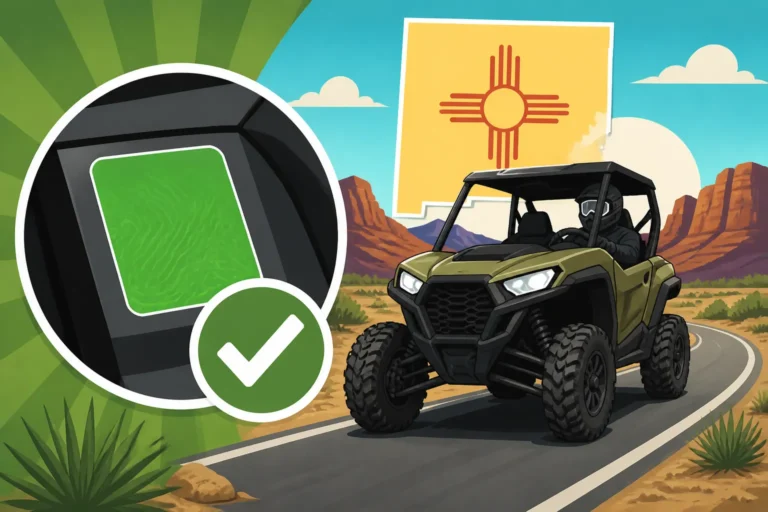
- The Green Decal: This decal allows for both on-highway and off-highway use. If you want the flexibility to use certain designated county or municipal paved roads (where ordinances permit), or to cross state highways perpendicular to traffic, you'll need the green decal. This also typically requires proof of insurance. It's the "opt-in" for limited paved road access. Dive deeper into [New Mexico's Green On and Off-Highway Decal].
Some riders choose to carry both decals, especially if they envision scenarios where they might need to use a paved road briefly to connect trails, even if they primarily ride off-road. The placement of these decals is also specific to your vehicle type:
- ATVs: The decal usually goes on the left rear fender, visible from the back.
- UTVs/Side-by-Sides: You'll typically place the decal on the left rear quarter panel, again for easy visibility.
- Dirt Bikes/Off-Highway Motorcycles: The decal is usually affixed to the left fork leg.
Ensuring correct placement is key for law enforcement visibility. Messing this up could still result in a stop, even if your machine is registered. Make sure you understand all the requirements for [New Mexico OHV Decal Placement Rules].
Your MVD Visit: Tips for a Smooth Experience
After all the preparation, the moment of truth arrives: your visit to the MVD. While no government agency experience is ever truly "fun," you can make it significantly less stressful by knowing what to expect and how to handle potential bumps in the road.
Preparing for the Counter and What to Expect
Let's be real: MVD offices aren't known for their speedy service or short lines. This is why thorough preparation is your secret weapon. If your local MVD office offers appointments, book one. It can drastically cut down on your wait time. If not, consider arriving right when they open, or during traditionally slower mid-week, mid-day hours. Double-check all your documents one last time before you leave the house – driver's license, proof of ownership, bill of sale, any residency proofs. It sounds simple, but forgetting one item is the most common reason for a wasted trip.
Once you're at the counter, present all your paperwork clearly and concisely. The MVD agent will review everything, enter your vehicle's information into their system, and process your fees. If everything is in order, they'll issue you a temporary registration document and your physical decals on the spot. This temporary document allows you to legally operate your OHV immediately, giving you peace of mind until your official registration card arrives in the mail, which usually happens within a few weeks. The entire process, from counter interaction to receiving your decals, can vary, but generally, it's fairly quick if you're prepared. For an idea of the general timeline, check out [New Mexico OHV Registration Processing Time].
Common Hurdles and How to Overcome Them
Even with the best preparation, sometimes unforeseen issues arise. It’s just part of dealing with bureaucratic processes! Here are a few common hurdles and how you might navigate them:
- Missing VIN: If your OHV's VIN is unreadable, missing, or appears tampered with, the MVD may require a VIN inspection by a certified inspector, often from law enforcement. Don't panic; this is a standard procedure to verify the vehicle's identity.
- Out-of-State Title Issues: If you're bringing an OHV from another state, especially one that may have different titling conventions, you might need specific MVD forms to transfer the title into New Mexico. Sometimes, even if a state doesn't require titles for OHVs, New Mexico will require a process to establish one, often involving a bill of sale and possibly a VIN inspection. For example, if you're [Registering an Out-of-State Machine in New Mexico], you'll encounter specific requirements.
- Change of Ownership Without a Clear Title: As mentioned earlier, a well-documented bill of sale is crucial. If the previous owner never titled the machine, you might be required to apply for a new title in your name first, often along with the registration. This is especially relevant if you're [Renewing on a Change of Ownership in New Mexico].
- Inherited or Gifted Machines: These situations often require additional forms, like an affidavit of heirship or a sworn statement of gift, to prove you legitimately came into possession of the OHV. For complex situations like registering an inherited machine, having forms readily available through services like LawDepot can streamline the process, ensuring you meet all legal requirements. It's about demonstrating a clear chain of custody when a traditional sale isn't involved.
The key to overcoming these hurdles is patience and proactive research. Don't be afraid to call the MVD or check their website if you anticipate a unique situation. Whether you're selling a machine or buying one, a well-structured bill of sale, often available through platforms like LawDepot, clarifies terms and protects both parties during the transfer of ownership, helping you avoid these issues. Being informed and having all potential supporting documents ready will make your MVD experience as painless as possible.
Disclaimer
This article is for general informational purposes only and does not constitute professional advice. Laws, prices and regulations vary by location and change over time. Consult a qualified professional for guidance on your specific situation.