New Mexico Rules for Riding a Snowy Road
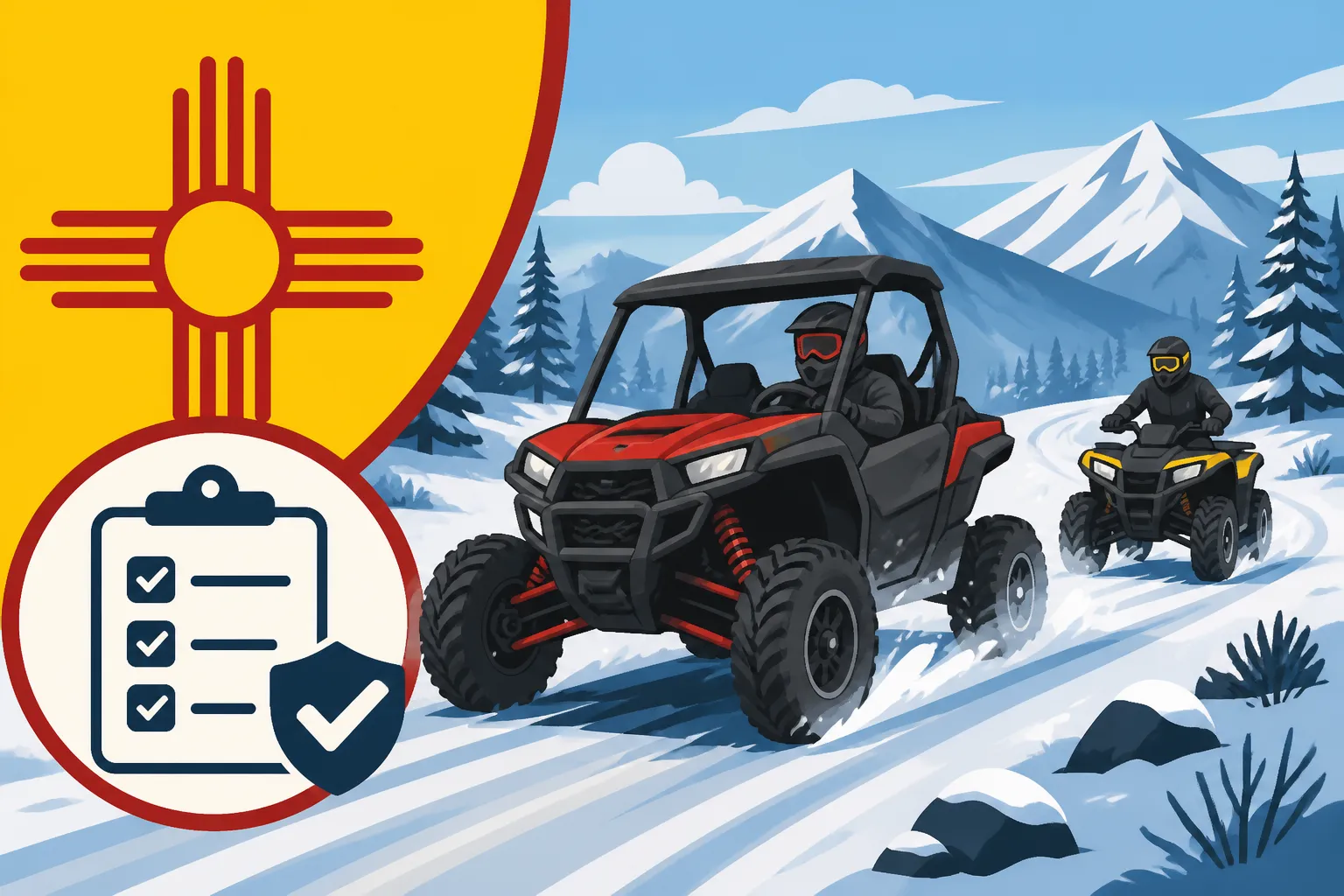
There’s something uniquely invigorating about seeing New Mexico’s high desert or mountain landscapes blanketed in fresh snow, and the idea of kicking up powder on your ATV or UTV can be incredibly tempting. But before you bundle up and hit the ignition, it’s crucial to understand that riding on snowy roads in New Mexico comes with a very specific set of legal guidelines and safety considerations that many riders overlook, often leading to dangerous situations or unexpected penalties. This guide is here to walk you through exactly what you need to know to safely and legally enjoy those breathtaking winter rides, covering everything from specific equipment to navigating different types of public roads.
The Allure and Risks of Winter Riding in New Mexico
The crisp, clean air, the hushed beauty of a snow-covered trail, and the unique challenge of navigating a slippery landscape – it's no wonder many of us are drawn to winter riding. But while the aesthetics are undeniable, the risks and practicalities are vastly different from a sunny summer spin.
Why Winter Riding is Different
When snow blankets the ground, it transforms the familiar into an entirely new riding experience. Suddenly, that well-worn trail or access road becomes a dynamic, unpredictable surface. Traction is the most obvious difference; even a thin layer of snow can reduce grip significantly, turning gradual turns into potential slides and steep climbs into impossible ascents. Beneath that snow, ice can lurk, a hidden menace that can send you and your machine tumbling without warning. Your machine works harder in snow, too; engines can bog down, and components can seize up if not properly maintained for cold weather.
Beyond traction, visibility often becomes a major issue. Falling snow, fog, or even just the glare off a bright white landscape can make it difficult to see obstacles, other riders, or even road signs. And let's not forget the sheer cold. Exposure to freezing temperatures, especially when combined with wind chill from riding, can quickly lead to hypothermia or frostbite if you're not adequately dressed and prepared. Your body expends more energy just staying warm, which can lead to fatigue much faster than in milder conditions. Plus, getting stuck in deep snow, especially without a SuperATV winch on hand, can turn a fun outing into a truly miserable, and potentially dangerous, ordeal.
Navigating the Legal Grey Areas
Many riders assume that if a road is snowy or appears infrequently used, the usual rules for ATV and UTV operation don't apply. This couldn't be further from the truth. In New Mexico, the same regulations that govern your machine's use on dirt county roads or designated forest routes in summer largely remain in effect during winter. The presence of snow doesn't magically transform a paved highway into an off-road playground, nor does it excuse you from registration, insurance, or safety requirements.
The challenge often lies in the interpretation and enforcement, especially when conditions make signage difficult to see or boundaries less clear. For instance, a county road that's typically open might not be plowed in winter, leading riders to believe it's now an "off-road" area. However, it's still legally a county road. Understanding whether you're on a public thoroughfare, private land, or designated off-highway vehicle (OHV) trail is paramount, regardless of the season. Ignoring these distinctions, even unintentionally, can lead to serious fines or even impoundment of your machine. This is why it’s so important to be clear on [New Mexico Rules for Riding a County Road] or [New Mexico Rules for Riding a Forest Road] before you head out.
Specific Rules for Snowy Roads in New Mexico
When it comes to riding on snowy roads, New Mexico doesn't have a separate set of "snow rules." Instead, the existing regulations for various types of roads apply, and you must operate within those boundaries, with added considerations for the challenging conditions.
Public Road Categories and Winter Conditions
New Mexico's diverse landscape means you might encounter snowy conditions on anything from a high mountain forest road to a remote county road in the foothills. Each category of road has its own rules:
- County Roads: Many unpaved county roads are accessible to registered OHVs, and this generally extends to winter. However, just because a county road can be ridden doesn't mean it should be, or that it will be maintained. If a county road isn't plowed, it can quickly become impassable with deep drifts. You're still expected to adhere to all standard road rules, including speed limits (even if snow makes high speeds impossible), and yielding to any other traffic, no matter how infrequent. Some counties might also have specific ordinances regarding winter maintenance or closures that you need to be aware of.
- Forest Roads (National Forests and BLM Land): Federal lands, including National Forests and Bureau of Land Management (BLM) areas, have extensive networks of roads. Many of these are open to OHVs during the warmer months. However, winter often brings seasonal closures, especially at higher elevations, due to snow accumulation, avalanche risk, or to protect wildlife. These closures are typically marked with gates or signs, and it is absolutely critical to respect them. Riding on a closed road, even if it looks appealing and untouched, can result in hefty fines. Check maps and local ranger district information before you go. [New Mexico Rules for Riding BLM Land] and [New Mexico Rules for Riding a Forest Road] are particularly relevant here.
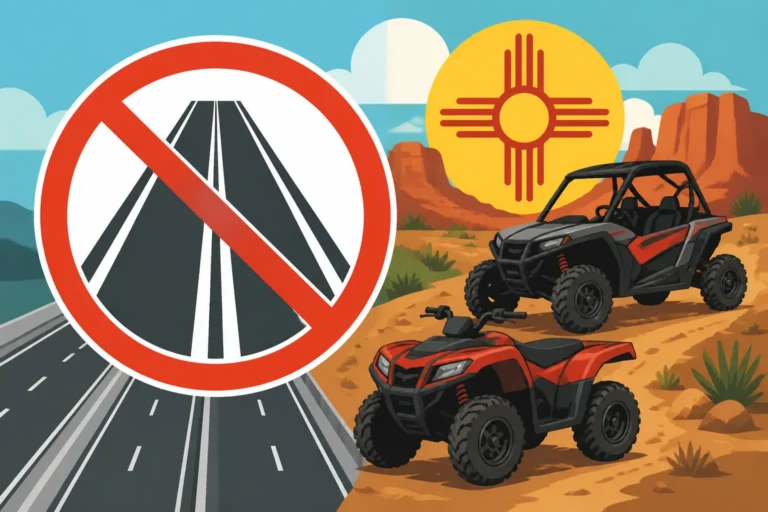
- Paved City Streets and State Highways: This is where many riders get into trouble. With very few exceptions, such as specifically designated "opt-in" city or county streets (like those in Red River or parts of Sierra County), ATVs and UTVs are generally prohibited from riding on paved public roads. This restriction does not disappear just because there's snow on the ground. You cannot use a snow-covered state highway or city street as a trail. Even a quick jaunt across a paved road to connect two dirt trails falls under strict rules, known as the [New Mexico's Perpendicular Crossing Rule]. The dangers are amplified in winter with reduced traction and visibility for both OHV riders and other motorists.
Essential Equipment for Winter Road Use
Riding in snowy conditions demands specific gear, not just for comfort, but for safety and legal compliance.
- Tires: Standard ATV/UTV tires may struggle in snow and ice. Consider specialized snow tires or even track systems for optimal traction and flotation in deeper snow. While tracks significantly improve capability, they also change the footprint and weight of your machine, so be aware of how that impacts handling and legal width restrictions on certain trails.
- Lighting: Reduced visibility is a given in winter. Ensure your machine's headlights and taillights are fully operational and clear of snow. [New Mexico Lighting Requirements for OHVs] dictate minimum visibility distances. Adding auxiliary lighting, like a light bar, can dramatically improve your ability to see and be seen, especially in white-out conditions or early dusk. Many riders also use a bright whip light for added visibility in open areas.
- Warm Clothing and Layering: This isn't just about comfort; it's about survival. Dress in layers, avoiding cotton, and opt for moisture-wicking base layers, insulating mid-layers, and a waterproof/windproof outer shell. Bring extra gloves, a warm hat, and consider heated gear like grips or a full cab enclosure, perhaps even a full enclosure from SuperATV.
- Safety Gear: A helmet is legally required for riders under 18 in New Mexico, and highly recommended for all riders, especially in winter. Snow and ice increase the risk of falls and impacts. [New Mexico Helmet Law for ATV Riders] outlines the specifics. Eye protection, like goggles, is crucial to prevent snow blindness, windburn, and impacts. Always carry an emergency kit including a first-aid kit, fire starter, space blanket, shovel, tow rope, and extra fuel. A GPS device or satellite messenger can be a lifesaver if you get lost or stranded far from cell service.
Crossing State Highways in Snowy Conditions
New Mexico law is very particular about crossing paved state highways on an OHV. Even if the highway is snow-packed, the rules generally remain the same. You must cross as close to perpendicular as possible, stop completely before entering the roadway, yield to all traffic, and cross safely. Speed limits on the highway usually apply to the OHV while crossing. This rule is designed to minimize your time on a high-speed road, and winter conditions only amplify the risks involved. Never assume that because traffic is light, you can take liberties with this rule. It’s always best to plan routes that minimize or eliminate highway crossings entirely in winter. You can find more details in [New Mexico Rules for Crossing a Highway].
Practical Advice for Safe and Legal Snowy Road Riding
Beyond understanding the rules, adopting a responsible approach to winter riding is essential for both your safety and the longevity of your machine.
Pre-Ride Checks and Preparation for Cold Weather
A thorough pre-ride check is vital before any outing, but it becomes absolutely non-negotiable in winter. The cold can be unforgiving on machinery and your body.
- Fluids and Battery: Check all fluid levels (oil, coolant, brake fluid). Ensure your coolant has adequate antifreeze protection. Batteries lose efficiency in the cold, so a fully charged battery is paramount. If you're running a heated visor or other accessories, make sure your charging system can handle the extra draw.
- Tires/Tracks: Inspect tires for proper inflation and damage. If you're running specialized snow tires or tracks, ensure they are correctly installed and in good condition. Consider lowering tire pressure slightly for better flotation in soft snow, but remember to reinflate for firmer surfaces or road use.
- Brakes and Steering: Test your brakes thoroughly. Ice can impact braking performance significantly. Check steering for any stiffness or play.
- Winch and Recovery Gear: If you have a winch, like those durable options from SuperATV, make sure it's in working order and you have all necessary recovery accessories (snatch block, tree saver strap, D-shackles). Getting stuck in deep snow is not a matter of if, but when.
- Route Planning: Study your intended route carefully. Look for known closures, potential avalanche terrain, and areas where snow tends to drift deeply. Have a backup plan and know your turnaround points. Tell someone your route and expected return time.
- Clothing and Emergency Kit: Layer your clothing appropriately. Pack extra dry clothes, high-energy snacks, plenty of water (in insulated containers to prevent freezing), a shovel, a first-aid kit, a fire starter, and communication devices. Consider a thermos of hot coffee or soup for a morale boost.
Adapting Your Riding Style to Snow and Ice
Riding in snow is a completely different skill set than dry-weather riding. It requires patience, foresight, and a gentle touch.
- Smooth Inputs: Aggressive throttle, braking, or steering inputs are a recipe for disaster on slippery surfaces. Use smooth, gradual movements. Feather the throttle rather than jabbing it, and use engine braking where possible to slow down.
- Maintain Distance: Allow much greater following distances if riding in a group. It takes significantly longer to stop on snow and ice.
- Look Ahead: Constantly scan for changes in snow depth, ice patches, and hidden obstacles. The terrain under the snow can be much rougher than it appears.
- Body Positioning: Use your body to shift weight and influence traction. Leaning into turns more, or standing up to absorb bumps and shifts in traction, can help maintain control.
- Know Your Limits: Don't push your machine or your skills beyond what's safe for the conditions. If a section looks too risky, turn around. There’s no shame in walking away from a treacherous spot. Remember, conditions can change rapidly in the mountains; a sunny morning can turn into a blizzard in minutes.
Respecting Closures and Private Land
In winter, the lines between public and private land can sometimes become obscured by snow. However, those boundaries and regulations remain firmly in place.
- Respect Closures: Whether it's a seasonal forest road closure, a closed wildlife habitat area, or a private road, obey all signs and gates. Don't assume that because there's snow, the rules are suspended. These closures are often for very good reasons, including safety, wildlife protection, or preventing damage to roads when they are soft and vulnerable to rutting. You can find out more about [Forest Roads That Close From December Onward].
- Private Land: Always assume land is private unless you have clear permission to be there or it is definitively marked as public access. Snow can hide fences or property markers, but ignorance of trespassing laws is no excuse. If in doubt, stay out. Gaining permission from landowners is critical, especially when traversing ranches or agricultural areas that might have access roads. Many parts of New Mexico are checkerboarded with private and public lands, making careful navigation essential.
- Wildlife: Winter is a critical time for wildlife, as food is scarce and energy conservation is vital. Riding off designated trails can disturb animals, forcing them to expend precious energy unnecessarily. Be aware of your surroundings and give wildlife a wide berth. Many forest closures are specifically for elk, deer, and other animals' winter range.
Common Misconceptions and Penalties
Misunderstanding the rules or making assumptions about winter riding in New Mexico can lead to more than just a bad day; it can result in significant legal and financial consequences.
The Myth of "Anything Goes" in Winter
One of the most dangerous misconceptions is that winter conditions create a sort of "anything goes" environment for OHV riders. This simply isn't true. The laws governing OHV registration, operation, and road use are still in effect. Whether you're on a county road, a forest service road, or even a designated trail, you are expected to follow the rules regarding registration, safety equipment, speed limits, and environmental protection.
- Registration and Decals: Your machine must be properly registered with the New Mexico Motor Vehicle Division (MVD), displaying the correct yellow or green decal. [New Mexico's Yellow Off-Highway Decal] allows you to ride off-pavement, while [New Mexico's Green On and Off-Highway Decal] allows limited paved road use where permitted. Even in snow, these need to be current and visible. You might also need proof of [New Mexico OHV Registration and Liability Insurance] if you're on a road where it's required.
- Environmental Protection: Riding off-trail, especially in fragile environments, can cause significant damage even when covered by snow. Ruts can harden when the ground freezes and become permanent, leading to erosion when the snow melts. Stick to designated trails and roads.
- Safety Permits: For riders under 18, the [New Mexico OHV Safety Permit Requirements] still apply, regardless of the season or conditions. You can't just throw a helmet on a teenager and send them out in the snow without the proper certification.
Fines and Consequences for Violations
Ignoring New Mexico's OHV laws, particularly in challenging winter conditions, can lead to serious penalties.
- Fines: Violations such as riding an unregistered OHV, trespassing on private land, operating on a closed road, or riding without required safety gear can result in fines ranging from a couple of hundred dollars to several hundred dollars, with repeat offenses often increasing the penalty. [New Mexico Fines for an Unregistered OHV] can certainly put a damper on your winter fun.
- Machine Impoundment: In some cases, particularly for serious violations like trespassing or repeated illegal operation, your ATV or UTV could be impounded, leading to additional fees for storage and retrieval.
- Legal Charges: More severe infractions, such as reckless endangerment in dangerous conditions, or damage to private property, could lead to more serious legal charges beyond simple citations.
- Environmental Damage Penalties: If your riding causes significant environmental damage, you could be held liable for the cost of restoration, which can be substantial.
Always remember that the beautiful, snow-covered landscapes of New Mexico are a privilege to enjoy. By understanding and respecting the rules for New Mexico Rules for Riding a Snowy Road, preparing your machine and yourself, and riding responsibly, you can ensure that your winter adventures are both thrilling and safe for everyone.
| Aspect of Winter Riding | Challenges & Risks | Precautions & Requirements |
|---|---|---|
| Traction | Snow and ice reduce grip, increasing slide risk. | Specialized tires (e.g., SuperATV), track systems, gentle inputs, lower tire pressure. |
| Visibility | Falling snow, fog, glare, short daylight hours. | Functional headlights/taillights, auxiliary lights, goggles, bright clothing, whip flags. |
| Cold Exposure | Hypothermia, frostbite, reduced reaction time. | Layered clothing (non-cotton), insulated boots/gloves, heated gear, frequent breaks, hot drinks. |
| Road Conditions | Unplowed roads, hidden ice, deep drifts, closures. | Check forecasts, current road conditions, respect all closures, carry a shovel, know your route. |
| Legal Compliance | Same rules apply; easy to overlook in remote areas. | Valid registration/decals, insurance, safety permit (minors), adhere to road classifications (county, forest, private). |
| Getting Stuck | Reduced mobility, difficult recovery in snow. | Winch (SuperATV), tow strap, shovel, emergency kit, riding with a buddy. |
Disclaimer
This article is for general informational purposes only and does not constitute professional advice. Laws, prices and regulations vary by location and change over time. Consult a qualified professional for guidance on your specific situation.