Sierra County’s Open County Roads
One of the biggest headaches for off-highway vehicle (OHV) enthusiasts in New Mexico is the patchwork of rules about where you can and can't ride on paved roads. It can feel like you need a law degree just to figure out how to get from your campsite to the trailhead without breaking the law. But what if I told you there's a place in our beautiful state where those frustrations melt away, thanks to a county-wide embrace of OHV use on its roads? This guide is going to dive deep into Sierra County's remarkably open approach to OHVs on its county roads, giving you the lowdown on how to enjoy this rider-friendly destination.
Understanding Sierra County's Open Road Policy
For many years, the question of whether you could ride your ATV or UTV on a paved road in New Mexico was met with a resounding, and often frustrating, "it depends." State laws set a general framework, but local jurisdictions – counties and municipalities – held the real power to open or close their own roads. This led to a confusing maze where one county's roads might be open, while crossing into the next meant you suddenly became a lawbreaker. Sierra County stands out as a beacon for riders, having taken a progressive stance to welcome OHV traffic on nearly all of its county roads.
How Sierra County Opened Its Roads
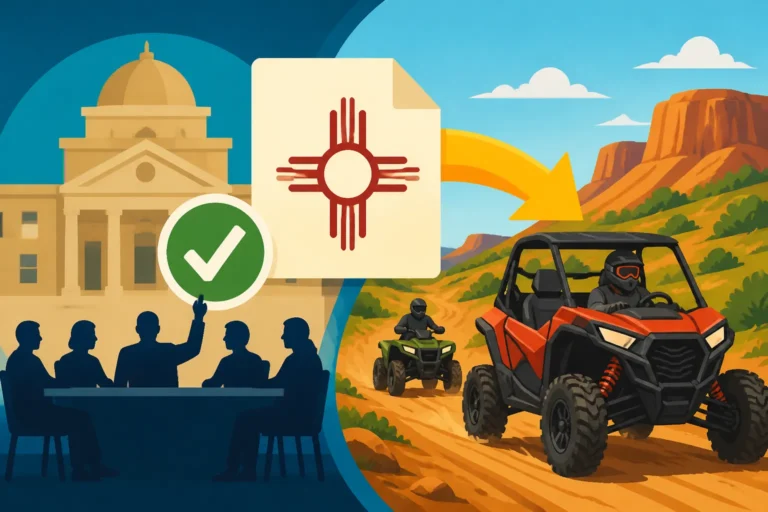
The move by Sierra County to open its roads wasn't a sudden, overnight decision. It came from a recognition of the growing popularity of off-highway vehicles and their economic impact on the region. Many communities within Sierra County, like Truth or Consequences and Elephant Butte, are popular destinations for outdoor recreation, and OHV riding is a huge draw. By enacting specific ordinances, the county commission voted to allow OHVs on the vast majority of county-maintained roads. This wasn't about state-mandated changes or complex MVD filings; it was a local choice to embrace recreational riding. It’s a testament to how local action can truly transform the riding experience.
This progressive stance means that riders can often leave their staging areas or even their lodging directly onto county roads, accessing trails or simply exploring the scenic byways of the area without the constant worry of legalities. This flexibility is a game-changer for many, eliminating the need to trailer your machine short distances or stress about finding an authorized crossing point just to get to a dirt road. It makes trips to the region far more enjoyable and less about navigating bureaucratic hurdles, putting Sierra County firmly on the map as a top-tier destination for OHV recreation in New Mexico.
Distinguishing County Roads from State Highways and City Streets
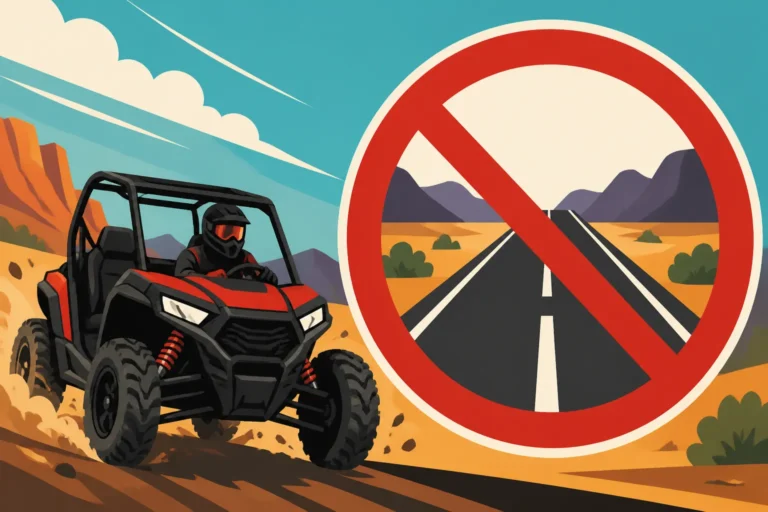
While Sierra County has opened nearly all of its county roads to OHVs, it’s crucial to understand that this doesn't extend to all roads within its borders. State highways, which are maintained by the New Mexico Department of Transportation (NMDOT), generally remain off-limits to OHVs, unless a specific segment has been designated by the state for OHV use—and those are rare. Similarly, incorporated municipalities within Sierra County, like the city of Truth or Consequences or the village of Williamsburg, retain the authority to regulate OHV use on their city streets.
This means you might be riding freely on a county road, then suddenly hit a city limit sign, and the rules could change. Always be on the lookout for signage, and it’s a good practice to check with local city or village offices if you plan to ride within their boundaries. The county’s ordinance is a fantastic step, but it’s not a blank check to ride everywhere. Understanding these distinctions is key to a hassle-free trip. Think of it this way: the county has created a vast playground, but you still need to respect the boundaries of specific neighborhoods or main arteries. [New Mexico Rules for Riding a County Road] is a great resource to understand the nuances.
Navigating Sierra County's Open Roads
Riding on county roads, even when they’re open to OHVs, isn’t quite the same as tearing through a wide-open desert trail. There are specific rules and expectations that come with sharing the road with other traffic, and knowing them is essential for safety and legality. Sierra County's embrace of OHVs comes with the understanding that riders will act responsibly and adhere to the regulations designed for paved road use.
Specific Rules and Requirements for Road Use
When you’re out on a Sierra County road, you're expected to operate your OHV much like any other vehicle. This includes obeying all traffic laws: speed limits, stop signs, yield signs, and traffic signals. Signaling turns, staying to the right, and generally being predictable are paramount. While the county has opened its roads, they haven't suspended basic driving etiquette. You're sharing the road with passenger cars, trucks, and sometimes even semi-trucks, so defensive riding is absolutely critical.
Beyond standard traffic laws, New Mexico has specific requirements for OHVs that operate on paved surfaces, even if it's just a county road. For instance, your OHV needs to be properly registered with the New Mexico Motor Vehicle Division (MVD), and you'll need to display the appropriate decal. [New Mexico OHV Decal Colors Explained] can help you understand the difference between the yellow off-highway decal and the green on- and off-highway decal needed for paved road travel. Don’t forget about insurance either; New Mexico requires proof of financial responsibility for any vehicle on paved roads, including OHVs. Imagine getting pulled over after a fantastic ride and finding out your paperwork isn't in order – that's a surefire way to dampen the adventure.
Obtaining the Right Decals and Registration
To legally ride your OHV on Sierra County’s open county roads, you’ll typically need what's called the "green decal," signifying that your machine is registered for both off-highway and on-highway use. This is distinct from the "yellow decal" which only permits off-highway riding. The green decal comes with specific requirements, including having a valid title and passing certain equipment inspections at the MVD. This process ensures your machine meets the minimum safety standards for road travel.
It's not just about the decal itself, though; it’s also about where it’s placed. New Mexico has specific rules for decal placement depending on your machine type – whether it’s an ATV, UTV, or dirt bike. Getting it wrong can lead to unnecessary hassle. Make sure your registration is current, too. [Renewing a New Mexico OHV Registration] is a good read if you're unsure about the biennial renewal process. Keep your registration card and proof of insurance with you at all times when riding on public roads. A simple plastic sleeve tucked into a waterproof compartment can save you a lot of trouble at a roadside stop.
Preparing Your OHV for Sierra County Roads
Taking your OHV onto county roads, even those designated as open, requires a different level of preparation than simply hitting a dirt trail. You’ll be sharing the asphalt with traditional vehicles, so ensuring your machine is road-ready, visible, and equipped for safety is paramount. This isn't just about legality; it's about making sure you, your passengers, and other drivers are safe.
Essential Equipment for Paved Road Use
New Mexico law mandates certain equipment for OHVs operating on paved roads. This includes headlights and taillights that meet specific visibility requirements – your headlight needs to illuminate objects at least 150 feet ahead, and your taillight must be visible from 200 feet to the rear. Additionally, you'll need at least one mirror that provides a clear view of the roadway to the rear for a distance of 200 feet. A horn, adequate brakes, and a spark arrester (for internal combustion engines) are also required. These aren't just suggestions; they are legal necessities. Companies like SuperATV offer a wide range of road-legal accessories, from turn signal kits to DOT-approved windshields, that can help bring your machine up to snuff.
When thinking about your setup, consider things like tire choice. While knobby tires are great for mud and rocks, they can wear quickly and handle differently on pavement. Some riders opt for more all-terrain specific tires if they plan on significant road travel. It's a balance between trail performance and road durability. And don't forget a flag; while not always mandated for paved roads, a safety flag can significantly increase your visibility, especially on dusty stretches where county roads transition to dirt.
Safety Gear and Rider Requirements
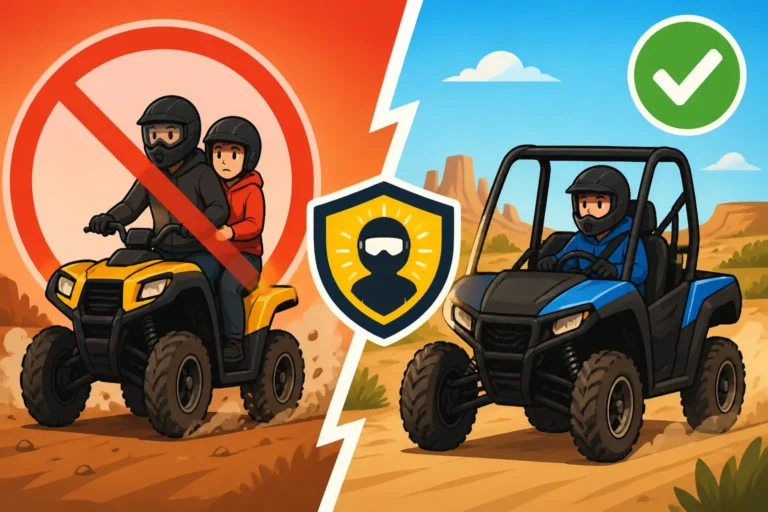
Beyond the machine itself, your personal safety gear is critical. While helmets are generally required in New Mexico for OHV riders under 18 years of age, and anyone riding on a public road must wear eye protection (even if over 18), wearing a helmet is always a smart choice, regardless of age or the specific law. Imagine the consequences of a fall on asphalt compared to a soft dirt trail. A good, DOT-approved helmet can literally be a lifesaver.
For riders, a valid driver's license is required to operate an OHV on a paved road in New Mexico. This isn't like off-roading where age and a safety course might suffice; once you're on public asphalt, you need to be a licensed driver. [New Mexico Driver's License Rules for OHVs] can provide more details. Passengers also have rules: generally, a rider under 18 cannot carry a passenger, and anyone under six years old is not permitted on public land OHVs. Always err on the side of caution when it comes to safety and legal requirements, ensuring everyone in your party is properly equipped and understands the rules.
| Feature | New Mexico General Paved Road Rules for OHVs | Sierra County Open County Roads |
|---|---|---|
| Registration | Green Decal required for paved roads | Green Decal required |
| Insurance | Mandatory financial responsibility | Mandatory |
| Driver's License | Required | Required |
| Headlights | Visible 150 ft ahead | Visible 150 ft ahead |
| Taillights | Visible 200 ft to rear | Visible 200 ft to rear |
| Mirrors | At least one, view 200 ft to rear | At least one, view 200 ft to rear |
| Horn | Required | Required |
| Brakes | Adequate | Adequate |
| Spark Arrester | Required | Required |
| Helmet (U18) | Required | Required |
| Eye Protection | Required for all on pavement | Required for all on pavement |
| Passenger U18 | Not permitted | Not permitted |
| Age for Riding | No specific minimum for paved roads (DL applies) | No specific minimum (DL applies) |
| Speed Limits | Must obey posted limits | Must obey posted limits |
| Signaling | Required | Required |
Exploring Sierra County's OHV Opportunities
Sierra County isn't just friendly to OHVs on its roads; it's also a gateway to some incredible riding experiences. The ability to connect these experiences directly via county roads makes it a particularly attractive destination for those who want to maximize their saddle time and minimize trailering. From vast BLM lands to stunning desert vistas, there’s a lot to see and do.
Connecting to Trail Systems and Public Lands
One of the biggest advantages of Sierra County's open road policy is how it seamlessly connects you to a vast network of public lands. Many of the county roads lead directly into Bureau of Land Management (BLM) areas, state trust lands, or even lesser-known forest roads. This means you can ride from your lodging in, say, Truth or Consequences, take a paved county road for a few miles, and then transition onto a dirt track that leads you deep into the New Mexico backcountry. This is an incredible freedom that isn't common in many other parts of the state.
When planning your route, it's a good idea to consult maps that show both the county road network and the adjacent public lands. GPS units pre-loaded with BLM and forest service maps are invaluable here. You might find yourself on a county road that suddenly turns to dirt, transitioning into miles of designated trails and open riding areas. [Riding County Roads Around Truth or Consequences] is a great example of how this connectivity works on the ground. This blending of paved and unpaved riding means you can enjoy diverse terrain all in one outing, from smooth gravel roads to rocky climbs.
Popular Destinations and Scenic Routes
Sierra County boasts a variety of landscapes, from the riparian areas along the Rio Grande to arid desert mesas and rolling hills. Its open county roads make it easy to access points of interest and scenic overlooks that might otherwise be difficult to reach. For instance, many county roads west of Truth or Consequences wind through picturesque ranch lands and eventually lead to more rugged terrain with incredible views of the Caballo Mountains or the sprawling expanse of the Jornada del Muerto.
Consider a ride towards Monticello Box, a stunning canyon carved by Alamosa Creek. While the main route to the Box might involve some dirt roads, the initial approach can often be made on open county roads. Or perhaps you want to explore the areas around Elephant Butte Lake State Park (though remember, the State Park itself generally prohibits OHV riding, you can ride around it on county roads). The county’s policy truly opens up exploration of the entire region, turning what could be a logistical nightmare into a relaxed and scenic journey. [Best Places to Ride an ATV in New Mexico] highlights some of these broader opportunities, many of which are made more accessible by Sierra County's policies.
Staying Safe and Respectful in Sierra County
With the privilege of riding OHVs on county roads comes the responsibility to do so safely and respectfully. This isn't just about avoiding fines; it's about being a good ambassador for the OHV community and ensuring that these open road policies remain in place for everyone to enjoy.
Practicing Defensive Riding and Road Etiquette
When you're sharing the road with cars, trucks, and even large RVs, defensive riding isn't optional—it's essential. Assume that other drivers might not see you, especially if you're on a smaller ATV. Maintain a safe following distance, use your signals, and make eye contact with drivers at intersections. Your machine, while capable, often has a higher center of gravity and different braking characteristics than a car, so be mindful of how it handles on pavement, especially at higher speeds or around curves.
Road etiquette also extends to noise. While New Mexico has a sound limit of 96 decibels for OHVs, and quality aftermarket exhaust systems from brands like SuperATV are designed to meet regulations, being mindful of your engine noise, especially near residential areas, helps maintain good relations with locals. Remember that a friendly wave and a courteous attitude go a long way in reinforcing the positive image of OHV riders in the community.
Minimizing Environmental Impact and Respecting Private Land
Even when on county roads, you'll often be passing through or alongside private property and sensitive environmental areas. Always stay on marked roads and trails, and never trespass onto private land without explicit permission. Respect fences, gates, and signage. If you encounter a gate that is closed, close it behind you. If it's open, leave it open. This is especially true in areas where ranching is prevalent, as you might be sharing the road with cattle or other livestock.
When you transition from a paved county road to a dirt trail, remember the principles of "Tread Lightly!" Stay on existing routes, pack out everything you pack in, and avoid disturbing wildlife or damaging vegetation. The continued privilege of riding in places like Sierra County depends on all riders demonstrating a commitment to responsible and sustainable outdoor recreation. It's about preserving the very lands we love to explore for future generations.
Disclaimer
This article is for general informational purposes only and does not constitute professional advice. Laws, prices and regulations vary by location and change over time. Consult a qualified professional for guidance on your specific situation.