Registering a Machine Bought Online Out of State
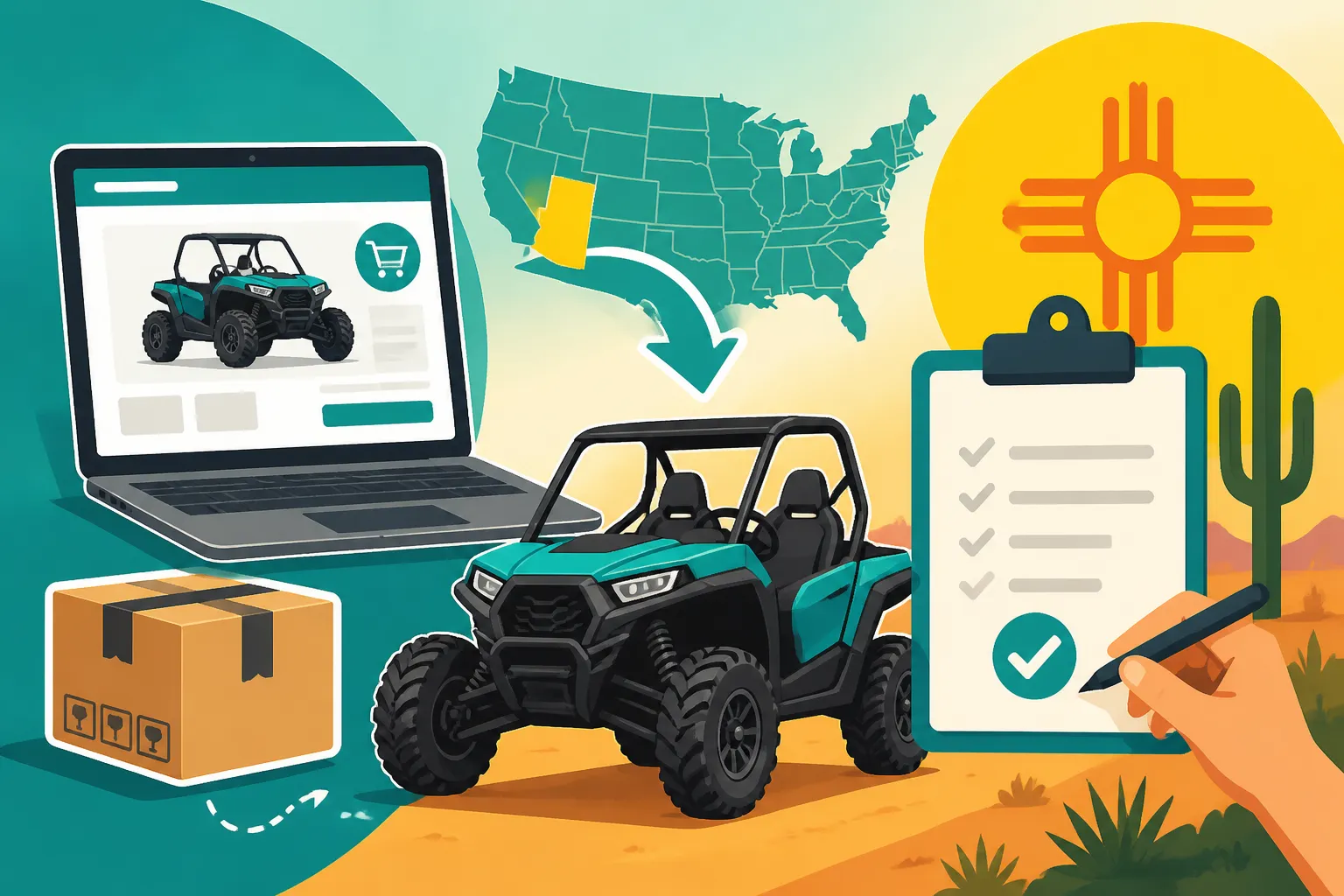
Finding that perfect ATV or UTV deal online can feel like striking gold, especially when it's located out of state. You scroll, you click, you buy, and then the machine arrives, often with a mix of excitement and a nagging dread: "Now what about getting this thing legal in New Mexico?" This guide is here to walk you through the often-confusing process of registering an off-highway vehicle (OHV) that you've purchased sight-unseen from another state, helping you navigate the New Mexico Motor Vehicle Division (MVD) requirements and hit the trails without a hitch.
The Initial Hurdles of an Out-of-State Online Purchase
Buying an OHV online from a seller in another state introduces a few layers of complexity that you wouldn't typically encounter with a local purchase. It's not just about the shipping; it's about making sure you have all your ducks in a row for New Mexico's registration process. Many times, these hurdles only become apparent after the machine is already sitting in your driveway, which can add a lot of stress.
The Missing Link: Your Bill of Sale and Title
When you buy an ATV or UTV online from out of state, the bill of sale and title are your absolute lifeline. Unlike walking into a local dealership where paperwork is handled seamlessly, an online purchase, especially from a private seller, leaves you vulnerable to incomplete or incorrect documentation. You're often relying on scanned copies or promises until the physical documents arrive. A common frustration is receiving a handwritten, sparse bill of sale that lacks critical information, or a title that hasn't been properly signed or notarized according to New Mexico's standards.
New Mexico's MVD is very particular about these documents because they establish proof of ownership. Without a clear chain of title and a comprehensive bill of sale, you're essentially trying to register a machine that, on paper, isn't fully yours yet. It's crucial to confirm with the seller before you finalize the purchase exactly what documentation they will provide. Ask for photos of the title, front and back, to check for any liens or discrepancies. Don't be shy about requesting a sample of their bill of sale or even providing one yourself for them to fill out. Remember, the quality of these initial documents can make or break your registration experience. Getting this right upfront can save you headaches, delays, and potentially extra costs down the line. You can learn more about specific requirements in our guide on [New Mexico ATV Bill of Sale Requirements].
Sales Tax and the Out-of-State Conundrum
One area that often catches people off guard when buying an OHV online from out of state is sales tax. When you buy from a New Mexico dealer, they collect and remit the sales tax (known as Gross Receipts Tax) directly. However, when you purchase from an out-of-state seller, especially a private party, New Mexico expects you to pay a compensating tax, which is essentially the equivalent of sales tax, on the purchase price of the vehicle when you register it. This isn't always something buyers factor into their initial budget, leading to an unexpected expense at the MVD counter.
The amount you'll pay is based on the purchase price you declare on your bill of sale. It's important to have an accurate figure, as MVD reserves the right to assess the value of the vehicle if they deem the declared price to be too low. If you purchased the machine from an out-of-state dealer who did collect sales tax, you might be eligible for a credit or exemption, but you'll need clear documentation proving that tax was paid to another state. Always bring all receipts and sales agreements to the MVD to clarify your tax situation. This compensating tax is a non-negotiable part of the registration process for out-of-state purchases, ensuring that the state receives its due revenue regardless of where the transaction occurred.
Navigating New Mexico MVD for Registration
Once your out-of-state OHV has arrived, the next step is to prepare for your visit to the New Mexico MVD. This isn't always a quick in-and-out trip, especially with an out-of-state machine, so being prepared can save you immense frustration and repeat visits. The MVD has specific procedures for vehicles brought in from other states, and understanding them before you go is key.
Required Documents for Your New Mexico Registration
Gathering the correct paperwork is paramount. For an out-of-state OHV purchase, you'll generally need more than just what a local private sale requires. Here’s a rundown of what to typically bring:
- Original Title: The title from the previous state, properly signed over to you by the seller. This is non-negotiable for establishing legal ownership. Make sure there are no open liens, or that the lien has been properly released.
- Bill of Sale: A detailed bill of sale that includes the buyer's and seller's names and addresses, the date of sale, the purchase price, and a full description of the OHV, including the Vehicle Identification Number (VIN). Services like LawDepot can provide robust templates for a bill of sale, ensuring all legal necessities are met, which is especially helpful for online transactions where you might need to supply the form yourself.
- Proof of New Mexico Residency: Your New Mexico driver's license or state ID, or other acceptable documents proving you live in the state.
- VIN Inspection: A physical inspection of your OHV’s VIN, typically performed by an MVD agent or authorized law enforcement. This confirms the machine is what the title claims it is and helps prevent theft.
- Lien Release (if applicable): If the previous owner had a loan on the machine, you'll need the official lien release document from their lender.
- Application for Title and Registration: This form will be available at the MVD office, or sometimes online.
- Payment: For registration fees, titling fees, and any applicable compensating tax.
Having these documents neatly organized and readily accessible will make your MVD visit much smoother. Any missing or incorrect item can send you back home to start over. For a general overview of what's needed, check out our guide on [New Mexico OHV Registration Paperwork].
The All-Important VIN Inspection
For any vehicle coming into New Mexico from another state for the first time, a VIN inspection is a mandatory step. This isn't just a quick glance at the number; it's a verification process to ensure the VIN on the machine matches the VIN on your title and bill of sale. It's a critical anti-theft measure and helps MVD confirm the identity of the vehicle. You can typically get a VIN inspection done at any MVD office or a New Mexico State Police office. Some MVD satellite offices might have specific hours for inspections, so it's wise to call ahead.
During the inspection, an MVD agent or law enforcement officer will physically locate the VIN on your ATV or UTV and compare it against your paperwork. They'll fill out a specific form certifying the inspection. If your machine has multiple VINs (e.g., on the frame and engine), they may check more than one. If there's any discrepancy or suspicion of tampering, it can lead to significant delays and further investigation, which is why verifying the VIN before purchase, especially an online one, is so vital. Make sure your OHV is accessible for the inspection, as they won't typically crawl under it or disassemble parts to find the VIN. Our article on [New Mexico OHV VIN Requirements] offers more detail on this process.
Understanding Decals and Plates for Your New Machine
Once you've cleared the titling and VIN hurdles, you'll be faced with choices regarding how your OHV will be legally marked for use in New Mexico. New Mexico offers different decals and, in some cases, plates, depending on how and where you plan to ride your new off-highway vehicle.
Yellow, Green, and Paved Road Plates
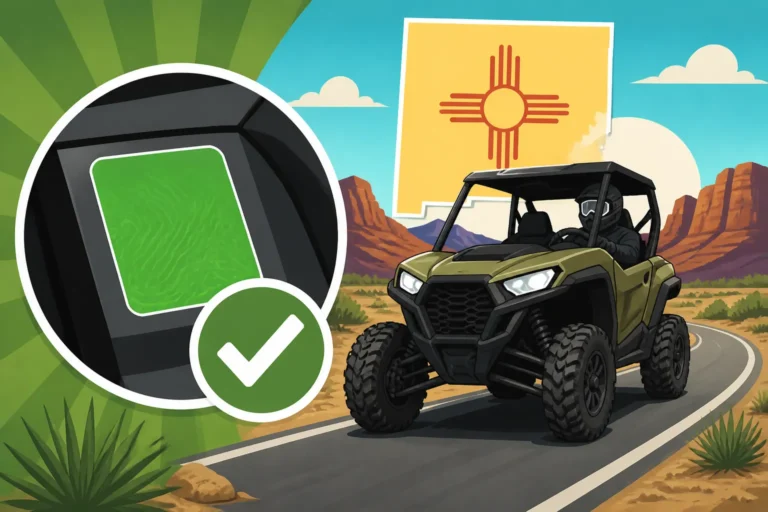
New Mexico has two primary types of OHV decals: the yellow decal and the green decal. Understanding which one you need, or if you need both, is crucial for legal riding.
- Yellow Decal: This is your standard off-highway decal. It permits you to operate your ATV or UTV on designated public lands, such as BLM land, Forest Service roads, and certain county roads that are specifically opened to OHV use. Most machines purchased for trail riding will primarily need this decal. It signifies that your machine is registered for off-road purposes only. You can find more information in [New Mexico's Yellow Off-Highway Decal].
- Green Decal: If you plan to ride your OHV on paved public roads where OHV use is permitted, such as in certain towns or counties that have opted in, you'll also need a green decal. This decal indicates that your machine meets specific requirements for road-legal equipment (like mirrors, headlights, taillights, etc.) and that you have the mandatory liability insurance. This decal is essential for riders who want the flexibility to connect trails or access services via paved routes. For more on this, see [New Mexico's Green On and Off-Highway Decal].
- Paved Road Plate: Historically, there was also a "paved road sticker" program, but this has transitioned to a specific paved road license plate. If you intend for your OHV to be primarily ridden on public paved roads where it's legally allowed, you might be opting for this special plate in addition to, or instead of, the green decal, depending on your machine type and intended use. This often applies to UTVs that can be made street-legal in certain jurisdictions. Our guide on [New Mexico's Paved Road Plate] provides specific details on this evolving requirement.
When registering your out-of-state machine, you'll need to specify your intended use so MVD can issue the correct decals or plate. It's often smart to consider getting both the yellow and green decals if you anticipate any paved road use, even just for crossing, as it provides the most flexibility.
The Cost of Getting Started
Beyond the purchase price of your OHV, there are several fees associated with getting it legally registered and titled in New Mexico, especially for an out-of-state machine. These costs can add up, so it’s good to budget for them.
- Title Fee: A one-time fee to issue your New Mexico title.
- Registration Fee: This is the biennial (every two years) fee for the yellow or green decal. As you're completing an initial registration for an out-of-state vehicle, this will be your first payment for the decals.
- Compensating Tax: As discussed, this is New Mexico's equivalent of sales tax on the purchase price if you bought it from an out-of-state private seller or a dealer who didn't collect New Mexico sales tax.
- VIN Inspection Fee: Sometimes there's a small fee for the VIN inspection, though it can sometimes be included in other MVD fees.
- Paved Road Plate Fee (if applicable): If you opt for the paved road plate, there's an additional fee for that.
It's important to remember that a first registration often costs more than a renewal because it includes the initial titling and potentially the compensating tax. These fees contribute to the state's OHV program, including trail maintenance and safety initiatives. Always check the official MVD website or contact them directly for the most current fee schedule, as these can change. You can get a general idea of these costs in our article, [New Mexico OHV Registration Cost], and understand why a first registration might be pricier in [Why a First Registration Costs More Than a Renewal].
Potential Pitfalls and How to Avoid Them
Buying an OHV online, particularly from out of state, can be fraught with unexpected challenges. Knowing these common pitfalls beforehand can help you navigate the process more smoothly and avoid costly mistakes or significant delays in getting your new machine registered. Being proactive and meticulous with documentation is your best defense.
What if the Seller Doesn't Have a Title?
This is perhaps one of the biggest headaches when buying an OHV, especially from a private seller online. Many states don't require titles for older ATVs or UTVs, or sellers simply misplace them. However, New Mexico generally requires a title to register an OHV. If you buy a machine without one, you could find yourself in a very difficult situation. The MVD needs that proof of ownership to issue a new title in your name.
If a seller claims they don't have a title, proceed with extreme caution. Ask them why. Is it an older machine from a non-titling state? Was it lost? If lost, can they apply for a duplicate title in their state? If the machine comes from a state that does title OHVs, and the seller doesn't have one, it could indicate a stolen vehicle or a machine with a lien that hasn't been satisfied. In some rare cases, for very old machines or those from specific non-titling states, New Mexico MVD might have an alternative process, but it often involves affidavits, surety bonds, or extensive paperwork, and there's no guarantee of success. Our article, [Do You Need a Title for an ATV in New Mexico?], delves into this common question, and [Buying From a Seller Who Misplaced the Title] offers advice on navigating that particular challenge. Your best bet is to avoid title-less purchases unless you are absolutely certain of the provenance and New Mexico's specific non-titling procedure for that scenario.
Protecting Your Purchase: The Bill of Sale is Key
For any online, out-of-state purchase, your bill of sale isn't just a receipt; it's a critical legal document. A well-drafted bill of sale protects both the buyer and the seller by clearly outlining the terms of the transaction, confirming the transfer of ownership, and detailing the machine being sold. Without a robust bill of sale, if anything goes wrong (e.g., the VIN doesn't match, the title is forged, or the seller misrepresented the condition), you have very little recourse.
A good bill of sale should include:
- The full names and addresses of both buyer and seller.
- The date of sale.
- The agreed-upon purchase price.
- A complete description of the OHV, including make, model, year, and the all-important VIN.
- A statement that the vehicle is sold "as-is" or any explicit warranties (rare in private sales).
- Signatures of both parties.
- Ideally, a space for notarization, though this isn't always required, it adds an extra layer of authenticity.
Given the distance and lack of face-to-face interaction in online purchases, don't rely on the seller to provide a complete document. Consider using a reputable online legal forms service, such as LawDepot, to generate a comprehensive bill of sale that you can send to the seller to complete and sign. This ensures that all necessary information is captured from your perspective, providing crucial protection for your investment and a smoother MVD process. A solid bill of sale is your foundation for proving ownership and registering your new machine.
Timelines and Avoiding Fines
Once your OHV arrives in New Mexico, there's an expectation that you will register it in a timely manner. While New Mexico doesn't always have a strict "X days to register" rule for newly purchased OHVs (unlike passenger vehicles), delaying the process can lead to complications and, eventually, fines if you're caught riding an unregistered machine. The MVD wants to see that you're making a good-faith effort to comply with state laws.
Riding your newly acquired, out-of-state OHV before it's registered in New Mexico is a risk. Law enforcement can issue citations for operating an unregistered OHV, and these fines can add up quickly. It's not worth the risk of being pulled over on a trail or road, especially if you're still waiting on crucial documents from the seller or trying to resolve a title issue. Prioritize your MVD visit as soon as you have all your paperwork in order. If you anticipate a delay, communicate with the MVD or a qualified professional about your specific situation. Don't let the excitement of a new machine lead you to unnecessary penalties. Our article, [New Mexico Fines for an Unregistered OHV], details the consequences you could face.
| Document Type | New Mexico Private Sale (In-State) | Out-of-State Online Purchase |
|---|---|---|
| Original Title | Required, signed by seller | Required, signed by seller |
| Bill of Sale | Required | Required, detailed |
| Proof of Residency | Required | Required |
| VIN Inspection | Generally not required (unless old/no title) | Required |
| Sales Tax/Compensating Tax | Paid to MVD/Dealer (Gross Receipts) | Paid to MVD (Compensating Tax) |
| Lien Release | If applicable | If applicable |
| Application Form | Required | Required |
| Photos of Machine | Not usually required | Not usually required |
Disclaimer
This article is for general informational purposes only and does not constitute professional advice. Laws, prices and regulations vary by location and change over time. Consult a qualified professional for guidance on your specific situation.