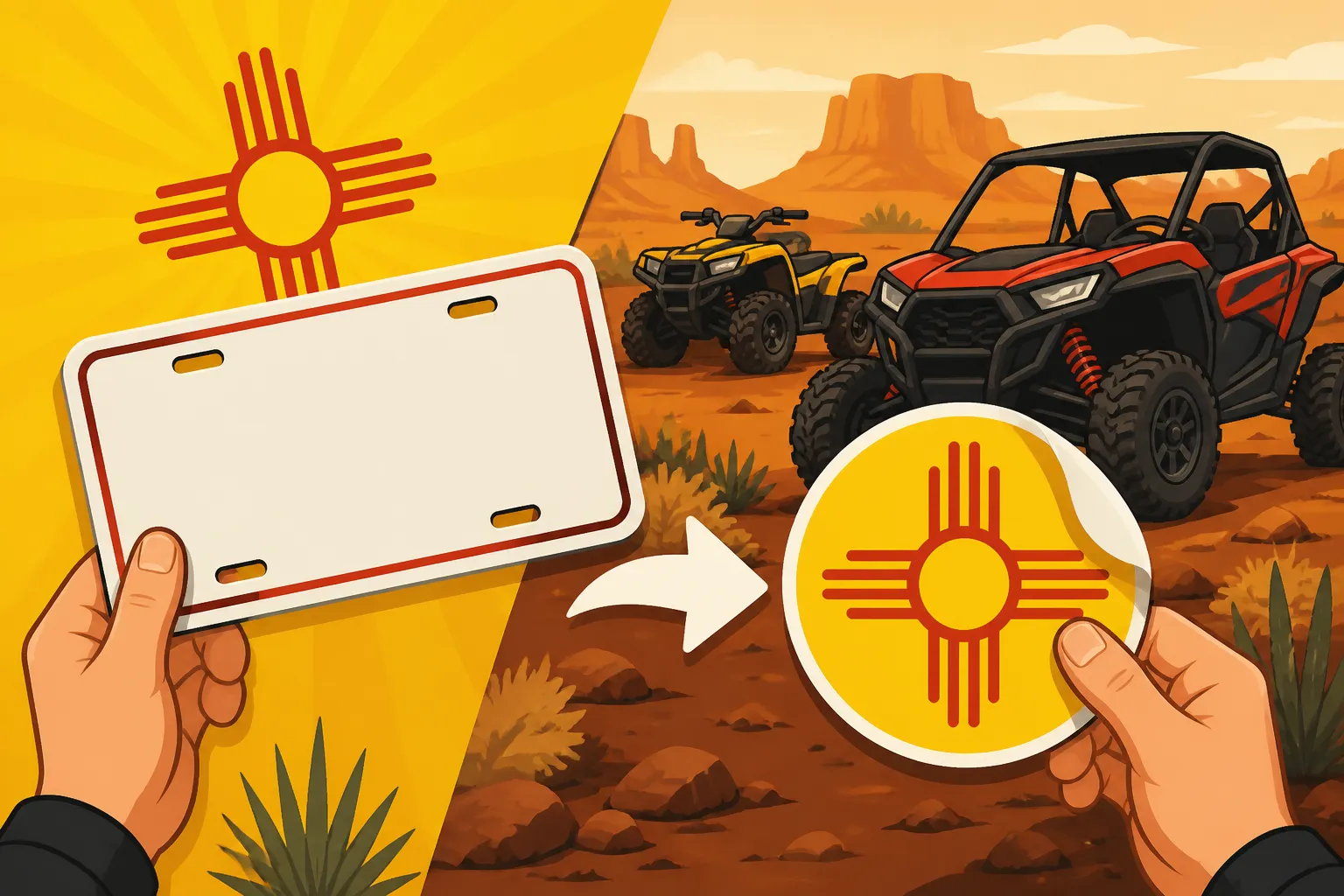
Trading a Plate for a Decal in New Mexico
It can be incredibly confusing to keep up with the ever-evolving rules and regulations for riding ATVs and UTVs here in New Mexico. Many riders are still wondering about the old "paved road stickers" and what happened to them, or how to get their machines legal for mixed-use riding today. This guide will walk you through the transition from those old stickers to the current decal and paved road plate system, helping you understand what you need to do to stay on the right side of the law and enjoy our incredible New Mexico landscape.
Understanding the Old "Paved Road Sticker" System
For years, many of us who loved to take our off-highway vehicles (OHVs) on a quick jaunt down a paved road to connect trails or access a store were accustomed to a specific system. It wasn't always straightforward, and it certainly led to a lot of head-scratching at the MVD, but it was the way for a while.
The Era of the Paved Road Sticker
Back in the day, if you wanted to legally operate your ATV or UTV on certain paved public roads in New Mexico, you needed a special "paved road sticker." This wasn't the same as your standard OHV registration decal. The idea was to create a way for off-highway machines to have limited, regulated access to paved surfaces, primarily to connect trails or access amenities in OHV-friendly communities. You’d get your machine registered for off-highway use, which gave you a green or yellow decal, and then you’d apply for this additional sticker if you intended to hit the asphalt.
Many riders, myself included, found this system a bit clunky. You had to have your OHV registration up to date, and then apply separately for this sticker, which often felt like an afterthought in the grand scheme of things. It certainly caused its share of confusion for both riders and law enforcement trying to interpret all the different little pieces of paper and sticky bits on our machines. It wasn't just about sticking it on; there were rules about where it had to go, and God forbid you put it in the wrong spot!
Why the Sticker System Became a Problem
While the intention behind the paved road sticker was good – to allow some flexibility for riders – in practice, it often created more headaches than it solved. For one, it was just a sticker. It didn't always hold up well to the harsh New Mexico sun, dust, and grime, leading to faded or peeling stickers that were hard to read. Then there was the issue of enforcement; it was hard for officers to quickly verify if a machine was properly permitted for paved road use just by glancing at a sticker that might be partially obscured or worn.
Another big issue was the lack of consistency. The rules surrounding which paved roads were open, and under what conditions, were often municipal or county-specific, adding another layer of complexity. The sticker itself didn't convey any information about the machine's compliance with street-legal equipment requirements, such as proper lighting, mirrors, or sound limits. It was an incomplete solution, and many of us knew it. We craved a more robust, clear, and uniform system that truly integrated our OHVs into the state's road network where appropriate, rather than just patching them in with a simple sticker.
The Big Shift: Why New Mexico Ended Stickers for Plates
The old paved road sticker system, while well-intentioned, eventually ran its course. It was clear that a more comprehensive and durable solution was needed to address the complexities of OHV use on New Mexico's roads. The change was significant, moving from a temporary sticker to a more permanent, vehicle-like identification.
The Sunset of the Paved Road Sticker Program
The paved road sticker program officially ended in December 2025, which might seem like a distant future to some, but for those of us who plan our rides years in advance, it felt like it crept up quickly. This wasn't a sudden decision; it was part of a larger legislative effort to streamline and clarify OHV registration and road use in New Mexico. The state recognized the inherent problems with the stickers – their susceptibility to wear and tear, the difficulty in enforcement, and the general confusion they caused.
It wasn't just about aesthetics; it was about safety, accountability, and making sure that machines operating on public roads met a higher standard of identification and regulatory compliance. The move signaled a shift towards treating OHVs more like other vehicles when they ventured onto paved surfaces, demanding clearer identification and a more robust system for tracking their road legality. This sunset period allowed riders to transition, but for many, it still felt like a puzzle piece they had to figure out. [Why Paved Road Stickers Ended in December 2025] gives a deeper dive into the legislative reasoning.
Enter the Paved Road Plate
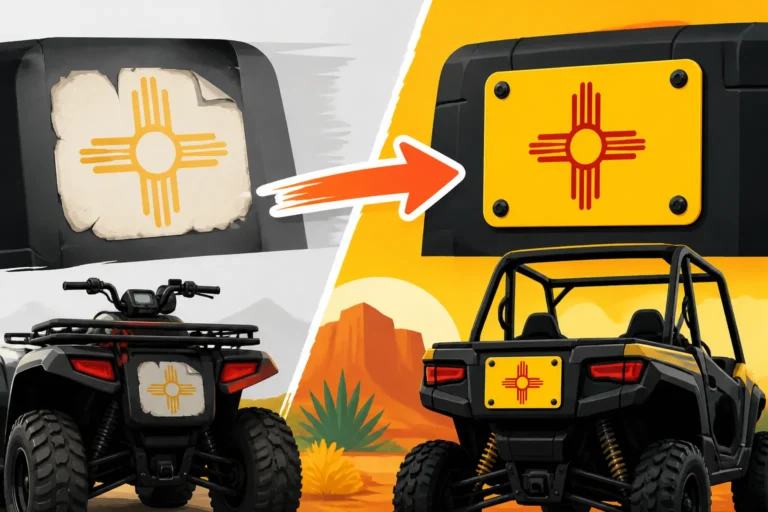
Replacing the sticker is the new, distinct paved road plate. This isn't just a fancy decal; it's a metal license plate, much like what you'd see on a car or motorcycle, specifically designed for OHVs that meet certain criteria for paved road use. This change brings several advantages. First, a metal plate is far more durable and visible than a sticker, making it easier for law enforcement to identify a legally operating OHV. Second, it signifies a more formal recognition of OHVs on paved roads, implying a higher level of compliance and responsibility from the owner.
To qualify for this plate, your OHV usually needs to meet specific equipment requirements—think headlights, taillights, mirrors, and sometimes even turn signals—depending on the rules of the specific county or municipality. The plate itself acts as proof that your machine has gone through a more rigorous approval process, ensuring it's not just registered for off-road use, but specifically equipped and approved for limited paved road access. It's a significant step towards legitimizing mixed-use riding for many of us, even if it means jumping through a few more hoops at the MVD. You can find more details about [Plates That Replaced the Old Stickers].
Navigating the Transition: Getting Your New Decal or Plate
Making the switch from the old system to the new one can feel like navigating a maze, especially if you've had your OHV for a while. It involves understanding where your machine fits in the current scheme and what steps you need to take at the MVD. Don't worry, we'll break it down.
Understanding Your Current Status: Decal vs. Plate
First things first, let's clarify the current distinctions. In New Mexico, you generally have two main types of OHV registration for operation:
- Off-Highway Decal: This is your primary registration for off-road use. It comes in two flavors:
- Yellow Decal: This signifies your machine is registered strictly for off-highway recreational use on designated trails and public lands. It means no paved road riding, not even a quick hop across the street. [New Mexico's Yellow Off-Highway Decal] goes into more detail.
- Green Decal: This decal, often seen on machines that could potentially qualify for paved road use, also primarily signifies off-highway registration, but it's the precursor to getting a paved road plate. Historically, it was part of the combination that might have allowed paved road access with an additional sticker, but now it's largely just for machines that will stay off pavement or eventually get the plate. [New Mexico's Green On and Off-Highway Decal] explains its role.
- Paved Road Plate: This is the big one for road-legal use. If you want to ride your OHV on paved county roads, city streets (where permitted), or cross state highways, this is what you need. It's a physical metal plate, like a miniature car license plate, that demonstrates your machine meets the MVD's requirements for on-road operation, including specific equipment. You also still need your current OHV registration, usually a green decal, alongside this plate. In essence, you carry both your green off-highway decal and the paved road plate if you want to operate on both surfaces. [Why New Mexico Wants Both Decals for Pavement] elaborates on this dual requirement.
The critical takeaway here is that if you had an old paved road sticker, that system is gone. You're now looking at either sticking to purely off-highway riding with a yellow decal, or upgrading to the full paved road plate system (which includes a green decal and the plate) for mixed use.
The Steps to Trade Your Old Sticker for a New Plate
If you're one of the many riders who previously relied on the old paved road sticker and now want to continue enjoying paved road access, here’s a general roadmap for making the switch to the paved road plate:
-
Ensure Your OHV is Titled: This is often the first hurdle for many. Before you can even think about a paved road plate, your OHV absolutely must have a valid New Mexico title in your name. Many older ATVs or UTVs, especially those bought privately, might only have a bill of sale or an out-of-state title that hasn't been transferred. This needs to be resolved first. If you're missing a title, it's a process in itself that often involves proving ownership. [Titling an Off-Highway Vehicle in New Mexico] provides guidance on this crucial step, and you may find resources like LawDepot useful for creating a formal bill of sale or affidavit if you're trying to establish a chain of ownership for MVD.
-
Meet Equipment Requirements: This is a big one. To get a paved road plate, your OHV isn't just an off-road toy anymore; it has to meet specific safety and equipment standards for road use. This typically includes:
- Headlights (usually low and high beam)
- Taillights and brake lights
- Turn signals (sometimes, depending on local ordinances)
- Mirrors (at least one, usually a left-side mirror)
- A horn
- A windshield (for UTVs, often required for paved roads)
- A muffler and spark arrestor
- Proper tires
- Proof of New Mexico financial responsibility (liability insurance)
It’s a good idea to check the most current MVD guidelines or consult with a reputable OHV dealer who understands the local regulations. You might need to install aftermarket parts to bring your machine up to spec, which can be an unexpected cost.
-
Visit the New Mexico MVD: Once your machine is titled and equipped, you'll need to head to your local MVD office. This isn't usually something you can do entirely online, as they often need to inspect the machine or verify documentation in person. Make sure you bring all necessary paperwork:
- Your OHV title
- Proof of current OHV registration (your green decal, if you have one)
- Proof of identity (driver's license)
- Proof of New Mexico residency
- Proof of financial responsibility (insurance)
- Any other documents MVD might request to verify ownership or compliance.
The MVD agent will process your application, verify your documents, and likely have you pay the associated fees for the paved road plate. [New Mexico OHV Registration at MVD] details the general MVD process.
-
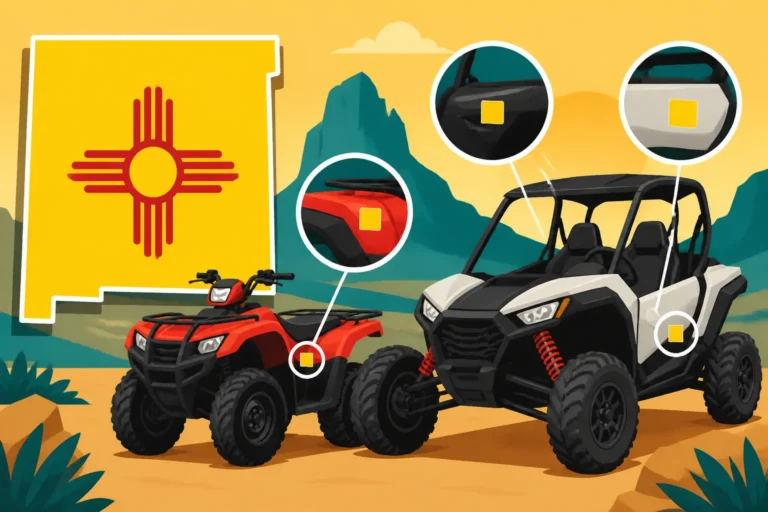
Affix Your New Plate and Decal: Once approved, you'll receive your new paved road plate and will need to affix it to your OHV according to MVD specifications. This usually means a visible location on the rear of the vehicle, similar to a motorcycle plate. You will also continue to display your current green off-highway decal in its designated spot, as it proves your machine is registered for general OHV use. Remember, the plate is for paved road access in conjunction with your OHV registration; it doesn't replace the need for the basic off-highway registration decal. For specific placement, check [Where the Decal Goes on an ATV's Left Rear], [Where the Decal Goes on an ROV Quarter Panel], or [Sticking the Decal on a Dirt Bike's Fork Leg].
The fees for this transition typically involve the cost of the paved road plate itself, which is separate from your biennial OHV registration renewal. [New Mexico OHV Paved Road Plate Cost] outlines the fee structure. It's an investment, but for many, the freedom and flexibility of legal paved road access are well worth it.
What Your New Decal Means for Riding
The change from stickers to decals and plates isn't just bureaucratic; it fundamentally alters how and where you can legally ride your OHV in New Mexico. Understanding these distinctions is crucial for enjoying our state's diverse terrain without running into trouble.
Yellow Decal: Strictly Off-Road
If your OHV proudly displays a yellow decal, it means your machine is registered solely for off-highway use. This is perfect for those who stick strictly to designated OHV parks, unimproved dirt roads, and private property. You're set for places like Red Sands OHV Area or sections of Glade Run, where the only thing under your tires is dirt, sand, or rock.
However, having a yellow decal means you are explicitly not authorized to operate your OHV on any paved public roads, streets, or highways. This includes crossing them. If you're on a trail and need to get to another section that requires even a short paved transition, you'll need to trailer your machine. This can be a real pain if you're used to connecting trails via short road stints, but it's the law. Violating this can lead to fines, and nobody wants that to put a damper on their riding day. Remember, the yellow decal is a clear signal that your machine is an off-highway specialist. [Why the Yellow Decal Keeps You Off Pavement] explains the limitations.
Green Decal + Paved Road Plate: The Best of Both Worlds
For those of us who want the flexibility to ride our OHVs on both dirt and pavement, the combination of a green decal and a separate paved road plate is the answer. This is the new standard that allows for "street legal" operation in areas where local ordinances permit.
With this setup, you can typically:
- Ride on designated OHV trails and public lands (that's what the green decal is for).
- Legally operate on paved county roads and city streets that have been opened to OHVs by local ordinance.
- Cross state highways at designated intersections, obeying traffic laws.
This combination unlocks a whole new level of adventure, allowing you to ride from your campsite directly to a trail network, or even grab supplies in a small town without needing to load up your machine onto a trailer. However, it's vital to remember that "street legal" isn't a blanket term for all paved roads. State highways and interstates are still generally off-limits. Always check local regulations, as towns and counties have the authority to open or close their specific roads to OHV traffic. Your paved road plate doesn't give you carte blanche to ride everywhere. The ability to carry both decals is discussed in [Carrying Both Decals at Once].
| Decal/Plate Type | Primary Use | Paved Road Access? | Equipment Requirements | Legal Identification |
|---|---|---|---|---|
| Yellow Decal | Off-highway trails | No | Basic off-road safety | Decal on machine |
| Green Decal | Off-highway trails | No (by itself) | Basic off-road safety | Decal on machine |
| Paved Road Plate | Paved roads/streets | Yes (with Green Decal) | Full street-legal items | Metal plate + Green Decal |
Common Questions and Troubleshooting
Even with the new system, it’s completely normal to have questions. The transition from the old sticker program has left many riders scratching their heads. Let's tackle some of the common concerns you might encounter as you make this change.
What if I Bought a Used Machine with an Old Sticker?
This is a scenario many of us face. You find a great deal on a used ATV or UTV, and it comes with what looks like an old paved road sticker. First, understand that that sticker is no longer valid for paved road use. The program it was part of has been phased out. You cannot simply continue to ride on paved roads with it.
Your priority should be to ensure the machine has a clear title. If it doesn't, that needs to be addressed immediately with the MVD, as you cannot get a new registration or a paved road plate without it. You might need a robust bill of sale, and resources like LawDepot can help you generate a legally sound document that clearly establishes the transfer of ownership. Once you have a valid title in your name, then you can decide if you want to apply for a new green off-highway decal (if it's not already current) and subsequently apply for the paved road plate if you intend to use it on pavement. Don't assume the previous owner's sticker means anything for your current riding plans. [Buying a Used ATV in New Mexico] provides more insights into this process.
My Decal is Faded or Damaged; What Now?
Our New Mexico sun is glorious, but it's brutal on decals. If your current yellow or green decal is faded, peeling, or otherwise unreadable, you need to replace it. A damaged or illegible decal is essentially the same as not having one at all in the eyes of law enforcement.
The process for replacing a decal is usually pretty straightforward through the MVD. You'll likely need to provide proof of your current registration and ownership. There's typically a small fee for a replacement. It's always better to take care of this proactively than to face a citation during a trail check. For details on getting a new one, check out [Replacing a Lost New Mexico Decal]. Remember, even with a paved road plate, your green off-highway decal still needs to be clearly visible and in good condition.
How Do I Know Which Roads Are Open to OHVs?
Even with a paved road plate, you can't just ride on any paved road. This is one of the biggest points of confusion, and it’s critical for riders to understand. New Mexico state highways are generally off-limits for OHVs, except for perpendicular crossings at designated intersections. The paved road plate primarily grants you access to:
- County Roads: Many New Mexico counties have ordinances that open their paved county roads to OHV traffic. Sierra County, for example, is known for its extensive open road network.
- City Streets: Some towns and municipalities, like Red River, have specific ordinances allowing OHVs (often UTVs/ROVs in particular) on certain city streets within their limits.
It is your responsibility as the rider to know which roads are open and which are closed. Check county and city websites, look for posted signs, or inquire with local law enforcement or visitor centers in the areas you plan to ride. Never assume a road is open just because you have a plate. Ignorance of the local ordinance is not an excuse if you're stopped. For guidance on this, see [New Mexico Rules for Riding a County Road] and [New Mexico Rules for Riding a City Street].
The Paved Road Plate Seems Like a Lot of Trouble. Is it Worth It?
For many riders, especially those who love exploring the diverse landscapes of New Mexico, the paved road plate is absolutely worth the effort. Think about the convenience: being able to leave your campsite and ride directly to a trailhead without having to load your UTV onto a trailer. Imagine traversing a small town to reach the next section of scenic backroads. This flexibility enhances the riding experience significantly.
However, if your OHV never touches pavement, and you exclusively ride in dedicated off-road parks or private land, then the yellow decal is perfectly sufficient. The paved road plate is an investment of time and money, both for the equipment upgrades and the MVD process. Assess your riding habits and needs. If you dream of connecting those remote dirt tracks with short paved stretches, or accessing the quaint towns that welcome OHVs, then putting in the work for the paved road plate will open up a world of new possibilities.
Disclaimer
This article is for general informational purposes only and does not constitute professional advice. Laws, prices and regulations vary by location and change over time. Consult a qualified professional for guidance on your specific situation.