Riding a Wash on State Trust Land
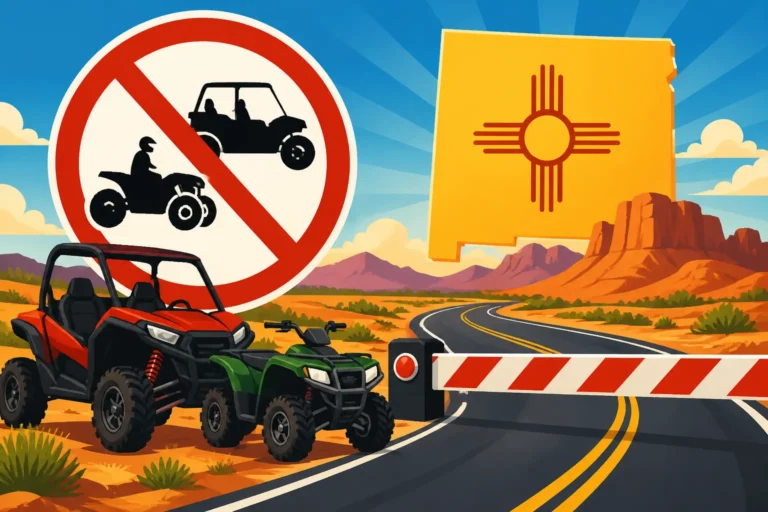
The idea of taking your ATV or UTV out to explore the vast, open spaces of New Mexico is incredibly appealing, and those dry washes cutting through the landscape often look like natural highways, just begging for adventure. But when you realize some of those inviting washes cross over New Mexico State Trust Land, it can instantly shift from an exciting prospect to a confusing puzzle, leaving you wondering if you're even allowed to be there. Navigating the rules for riding on State Trust Land is a common sticking point for many riders, and this guide is here to untangle the complexities, clearly outlining what State Trust Land is, the permits you need, and how to safely and legally enjoy those unique desert washes.
Understanding New Mexico State Trust Land and Its Unique Purpose
New Mexico is a state rich in diverse landscapes, from high mountain forests to sweeping desert plains, and much of it is publicly accessible. However, not all "public" land is the same, and misunderstanding these distinctions can lead to unintended legal trouble or land closures. State Trust Land, in particular, often causes confusion because its purpose is fundamentally different from other public lands you might be familiar with.
What Exactly is State Trust Land?
At its heart, New Mexico State Trust Land isn't set aside for public recreation in the same way a National Forest or Bureau of Land Management (BLM) area might be. Instead, these lands were granted to the state by the federal government at statehood, specifically to generate revenue for designated public institutions – primarily schools and universities. Think of it like a business asset for the state's educational system. Because of this, the primary goal of managing State Trust Land is to maximize income through activities like grazing leases, mineral extraction, and timber sales. Public access, while sometimes permitted, is secondary and almost always requires a fee or permit.
This financial mandate means that access to State Trust Land is managed very carefully to protect its income-generating potential. For OHV riders, this means you can't just assume open access. You need to know the specific regulations and secure the proper authorization before you ever set a tire onto these lands, especially when considering riding specific features like washes.
How State Trust Land Differs from Other Public Lands
It’s easy to look at a map and see large tracts of undeveloped land and assume it’s all "public" in the same way, but the operational differences between State Trust Land, BLM land, and National Forest land are significant. On BLM and Forest Service lands, a general ethic of multi-use recreation often applies, meaning you might find vast areas open to OHV riding, sometimes with specific designated routes. While there are rules and often a [New Mexico OHV Permit Requirements] for out-of-state riders or minors, the underlying purpose includes public enjoyment.
State Trust Land, on the other hand, operates under a much stricter framework due to its revenue-generating mission. Recreational use is permitted only through a specific, purchasable permit. This isn't just a suggestion; it's a legal requirement designed to ensure that even recreational users contribute to the trust's beneficiaries. Ignoring these rules can lead to fines for trespassing, which is a stark contrast to the more open, though still regulated, access found on other federal lands. It's crucial to understand these distinctions to avoid legal pitfalls and maintain good relationships with land managers. For instance, [New Mexico Rules for Riding BLM Land] will differ greatly from what you need to know for State Trust Land.
The "Beneficiaries" and Why It Matters for Riders
The concept of "beneficiaries" is key to understanding why State Trust Land operates the way it does. The revenue generated from these lands supports specific public institutions, like New Mexico's public schools, hospitals, and universities. Every dollar earned from leases, sales, and permits goes directly to these beneficiaries. This means that when you purchase a recreational access permit to ride your ATV or UTV on State Trust Land, you are directly contributing to the funding of New Mexico's public services, which is a pretty cool way to support the state while enjoying its natural beauty.
Because the land is managed to benefit these institutions, the State Land Office (NMSLO) is diligent about ensuring compliance. Unauthorized use isn't just a minor infraction; it's seen as an infringement on the resources designated for education and other vital state services. This is why the NMSLO takes permits and responsible land use so seriously. It’s not just about keeping people off the land, but ensuring that any activity, including recreation, aligns with its core mission to generate funds for the state's future.
Navigating the Permit Maze: Accessing New Mexico State Trust Land
So, you're ready to hit those New Mexico washes, but you've confirmed they cross State Trust Land. Don't worry, access is absolutely possible, but it requires a bit of planning and the right paperwork. Getting the correct permit is not just a formality; it's a legal necessity that ensures you're riding responsibly and contributing to the state's designated beneficiaries.
The Essential Recreational Access Permit
To legally ride your ATV or UTV on New Mexico State Trust Land, you must obtain a Recreational Access Permit. This permit is specifically designed for activities like hunting, fishing, hiking, and yes, off-highway vehicle riding. It's an annual permit that covers the calendar year, and every person engaging in permitted activities on State Trust Land needs one. This isn't something you can skip; it's a non-negotiable requirement.
The permit not only grants you legal access but also helps the State Land Office manage and monitor recreational use, which is essential for preserving the land's integrity and its ability to generate revenue. Without this permit, you're essentially trespassing, and that can lead to significant fines and penalties, not to mention a sour experience. So, before you even think about loading up your machine, make sure this permit is at the top of your to-do list. The details are usually covered under [State Trust Land and Its Own Permit].
Getting Your Permit: Where and How
Acquiring your Recreational Access Permit is thankfully a straightforward process. The New Mexico State Land Office manages these permits, and the easiest way to get one is usually through their website. You'll typically find an online portal where you can fill out an application, provide your details, and pay the associated fee. It's a fairly quick transaction, and once completed, you'll receive a digital permit that you should print out and carry with you whenever you're on State Trust Land.
Alternatively, some NMSLO offices might offer in-person permit purchases, but checking their website for the most current procedures is always the best approach. It’s also important to remember that this permit is specific to State Trust Land and is separate from your general OHV registration or other permits you might have for federal lands. Make sure you understand [Buying a Recreational Access Permit] well in advance of your trip.
Understanding What Your Permit Covers and Doesn't Cover
While your Recreational Access Permit is your golden ticket to State Trust Land, it's vital to understand its limitations. First and foremost, this permit grants access for recreational purposes only. It does not give you permission to disturb archaeological sites, collect resources, or engage in any commercial activity without additional, specific permits. It also does not grant you permission to cross private land to get to State Trust Land. You must access State Trust Land via public roads or other authorized access points. [New Mexico Rules for Riding Private Land] still apply to adjacent properties.
Furthermore, your permit does not override any other state or federal laws, such as those regarding vehicle registration, insurance, or safety equipment. For instance, if you're riding a wash and it crosses a county road, you still need to adhere to [New Mexico Rules for Riding a County Road] or [New Mexico Rules for Riding a City Street] if applicable. The permit also doesn't guarantee that all State Trust Land is open for OHV use; certain areas might have temporary or permanent closures due to environmental concerns, ongoing land use activities (like grazing), or other management decisions. Always check for current closure information on the NMSLO website before heading out.
| Land Type | Primary Purpose | OHV Access Generally | Required Permit(s) | Manager (Example) |
|---|---|---|---|---|
| State Trust Land | Generate revenue for state schools | Permitted with specific permit | NMSLO Recreational Access Permit (annual) | New Mexico State Land Office |
| BLM Land | Multi-use, public recreation, resource management | Permitted on designated routes/areas | New Mexico OHV registration/reciprocity, safety permit (minors) | Bureau of Land Management |
| National Forest | Conservation, recreation, timber | Permitted on designated routes/trails | New Mexico OHV registration/reciprocity, safety permit (minors) | U.S. Forest Service |
| Private Land | Owned by individuals or companies | Explicit permission always required | Written permission from landowner | Private landowner |
Riding Washes on State Trust Land: Rules, Safety, and Respect
Now that you've got your Recreational Access Permit in hand, it's time to think about the actual experience of riding those iconic New Mexico washes. While they can offer incredible terrain and unique challenges, riding them, especially on State Trust Land, comes with specific rules, crucial safety considerations, and an undeniable responsibility to respect the environment.
Specific Rules for Riding Washes on Trust Land
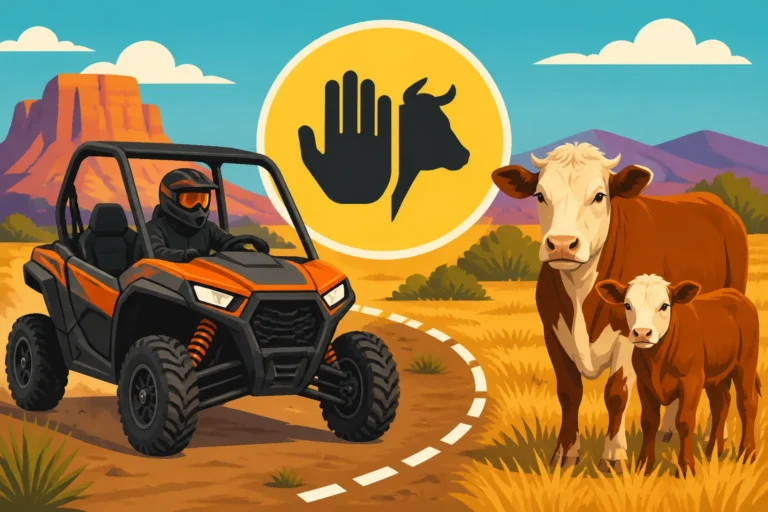
When you're out there on State Trust Land, particularly in dry washes, it's generally expected that you stick to existing routes and trails where possible. While the very nature of a wash can feel like a wide-open canvas, unnecessary off-trail excursions are discouraged to prevent erosion and protect fragile desert ecosystems. Always be mindful of any signage, fencing, or closures, even within a wash, as these might indicate sensitive areas, private land boundaries, or active grazing allotments.
Furthermore, remember that [Dry Washes and New Mexico Riders] comes with its own set of risks. While often dry, washes can become raging rivers in minutes during monsoon season. Even a small rainstorm miles upstream can send a wall of water downstream with little warning. Avoid riding in washes if rain is in the forecast, especially during the summer months. Always carry your permit and any other required documentation (like your OHV registration and proof of insurance) on your person, as you could be asked to produce it by NMSLO rangers or law enforcement.
Essential Safety Considerations for Wash Riding
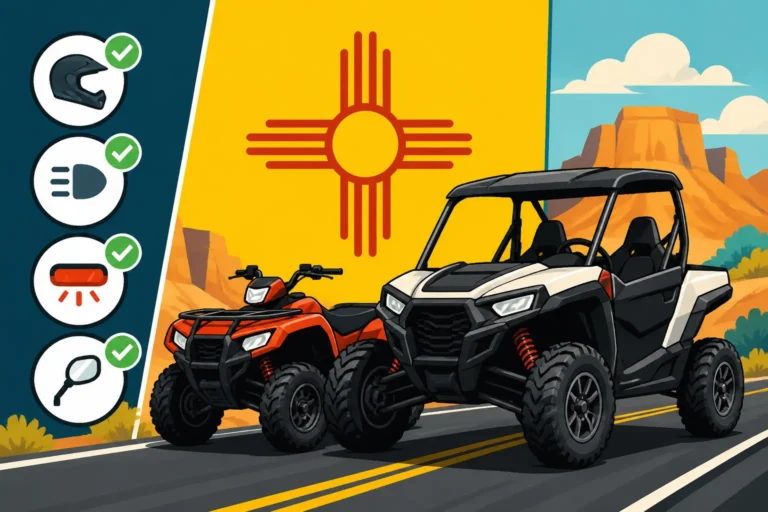
Riding in washes presents a unique set of challenges and demands a heightened awareness of safety. The terrain can be unpredictable, with soft sand, loose gravel, and sudden drops or obstacles. It's easy to get complacent in what seems like an open, flat area, but hidden hazards abound. Always wear appropriate safety gear, including a helmet, goggles, sturdy boots, and gloves. It's not just about protecting yourself from a fall, but also from flying debris and the harsh desert environment.
Consider your vehicle. Is it equipped for rough desert terrain? Aftermarket accessories, like robust skid plates from a company like SuperATV, can be a real lifesaver when navigating rocky wash beds, protecting your vital undercarriage components from impacts. Always carry essential tools, a first-aid kit, plenty of water, and a way to communicate, even if cell service is spotty. A satellite messenger can be invaluable if you break down far from civilization. [New Mexico Rules for Riding After Dark] also means ensuring your lighting is up to par if you plan to be out past sunset, as visibility can drop quickly in a wash.
Environmental Stewardship and Treading Lightly
As responsible OHV riders, we have a profound obligation to protect the landscapes we enjoy. This is especially true on State Trust Land, where the land serves a crucial purpose for the state's beneficiaries. When riding in washes, practice "Tread Lightly!" principles. Stay on established routes, avoid creating new tracks, and never, ever drive over sensitive vegetation or archaeological sites. Desert ecosystems are incredibly fragile, and damage can take decades to heal.
Pack out everything you pack in – and if you see trash left by others, consider packing that out too. Leave no trace of your visit. Be mindful of dust, especially near other users or wildlife. If you're carrying extra fuel, ensure it's in a proper container and secured to prevent spills, addressing [New Mexico Rules for Carrying Fuel]. Respect wildlife by giving them plenty of space and never harassing them. During [New Mexico Rules for Riding During Fire Season], be extra cautious with any heat sources, as washes often contain dry grasses that can ignite easily. Your respectful actions ensure that these lands remain open and accessible for future generations of riders and continue to benefit the state.
Common Misconceptions and Preparing for Your Trust Land Adventure
Even with a permit and a good understanding of the rules, there can still be lingering questions or common pitfalls when planning a ride on New Mexico State Trust Land, particularly when it comes to riding washes. Addressing these directly can help you avoid unwelcome surprises and ensure a smooth, enjoyable outing.
Distinguishing State Trust Land from Other Property
One of the biggest challenges for riders is accurately identifying land boundaries. Many areas in New Mexico are a checkerboard of State Trust Land, BLM, National Forest, and private property. It can be incredibly difficult to tell where one type of land ends and another begins, especially when relying solely on visual cues in a wide-open desert wash. This is where good navigation tools become absolutely essential.
Don't rely solely on paper maps, which can be outdated or lack the necessary detail. Invest in a GPS unit or a reliable mapping app on your smartphone that clearly displays land ownership boundaries. Many popular outdoor recreation apps now have overlays that show federal, state, and private lands, helping you stay on the correct side of the line. Before you head out, carefully plan your route, checking it against land ownership maps to ensure you’re not accidentally straying onto private land or areas closed to OHVs. This proactive step can save you a lot of hassle and potential fines.
Gear Up for the Unique Challenges of Desert Washes
Washes, by their very nature, are dynamic environments. They can be sandy, rocky, muddy after a rain, or a mix of all three. Your ATV or UTV needs to be ready for these varied conditions. Beyond basic safety gear, consider outfitting your machine for the specific demands of wash riding. This might include robust tires with good traction, especially if you're frequently in soft sand. Heavy-duty suspension components or aftermarket upgrades can also make a huge difference in comfort and control over rough, washboard surfaces or through rocky sections. Companies like SuperATV offer a range of products, from winches to lighting, that can enhance your machine's capability and safety for navigating remote washes.
Always perform a thorough pre-ride inspection of your machine, checking tire pressure, fluid levels, and ensuring all lights and brakes are functioning correctly. Carry extra water, a shovel, a tow strap, and basic repair tools. Getting stuck or breaking down in a remote wash can quickly turn a fun day into a serious situation, so preparedness is paramount.
Always Confirm Before You Ride
The rules and conditions on State Trust Land, like any public land, can change. Fire restrictions, temporary closures for environmental rehabilitation, or ongoing land management activities can all affect your access. It’s never safe to assume that an area you rode last year is still open in the same way this year. Before every trip to State Trust Land, make it a habit to check the New Mexico State Land Office website for any current alerts, news, or changes in policy.
Similarly, if you're planning to ride a large wash system, try to get as much information as possible about the specific sections you intend to traverse. Some parts of a wash might be public, while others might quickly transition to private property, even if it looks continuous from the road. A little research and a quick check of official sources before you leave home can prevent an embarrassing or costly encounter with a landowner or land manager, ensuring your State Trust Land wash adventure is both enjoyable and legal.
Disclaimer
This article is for general informational purposes only and does not constitute professional advice. Laws, prices and regulations vary by location and change over time. Consult a qualified professional for guidance on your specific situation.