Buying a Used ATV in New Mexico
Buying a used ATV or UTV in New Mexico can feel like navigating a maze, full of potential pitfalls, hidden mechanical issues, and confusing paperwork. It's a journey that can leave you feeling overwhelmed, wondering if you're truly getting a good deal or accidentally buying a headache. This comprehensive guide is here to untangle that process for you, providing clear, actionable steps from the moment you start looking to the exhilarating first ride on your newly acquired machine, helping you avoid common traps and confidently secure your next off-road adventure vehicle.
The Pre-Purchase Checklist: Protecting Yourself Before You Buy
When you're eyeing that shiny (or not-so-shiny) used ATV or UTV, it's easy to get swept up in the excitement. But before you open your wallet, a meticulous pre-purchase inspection is your absolute best friend. Think of it as putting on your detective hat – you're looking for clues that can tell you the machine's true story, beyond what a seller might tell you. Skipping this step is like buying a lottery ticket where the odds are definitely not in your favor.
Why a Thorough Inspection is Non-Negotiable
First things first, you need to get up close and personal with the machine. Don't be shy; crawl under it, look it over from every angle, and bring a flashlight – even in broad daylight. You're looking for any signs of hard use, neglect, or previous damage that could turn into costly repairs down the road. Check the frame for cracks, bends, or poor welds, especially around suspension mounting points. These can be tell-tale signs of a serious accident or heavy abuse, compromising the entire structure and your safety.
Next, focus on the wear-and-tear items. Are the tires cracked, bald, or mismatched? New tires aren't cheap, and if they're shot, that's an immediate expense you need to factor in. Examine the suspension components – are the shocks leaking? Do the A-arms or control arms have excessive play? Look at the brake pads and rotors for wear. Check all the fluids: oil, coolant, brake fluid. Are they at the right level and free of contaminants? Milky oil could signal a head gasket issue, and low coolant might point to a leak. Small details like frayed throttle cables, loose grips, or sticky brake levers can indicate a general lack of maintenance.
Unmasking the Machine's History: VIN Verification and Lien Checks
Every ATV and UTV has a unique Vehicle Identification Number (VIN), just like a car. This VIN is crucial; it's the machine's fingerprint and your key to unlocking its history. Make sure to locate the VIN on the machine itself (it's often stamped on the frame, usually on the front right side or under the seat) and compare it exactly to the VIN listed on the title and any other paperwork the seller provides. If they don't match, or if the VIN appears to have been tampered with, walk away immediately. This is a huge red flag that could indicate a stolen vehicle or fraudulent activity. You absolutely do not want to end up with a machine you can't legally register or worse, one that gets confiscated.
Once you have a verifiable VIN, the next step is to check for any liens. A lien means someone else (usually a bank or finance company) still has a financial claim on the machine, even if the seller possesses the title. If you buy a machine with a lien, you could become responsible for that debt, or the machine could be repossessed. You can often do a lien check through the New Mexico Motor Vehicle Division (MVD) with the VIN, or by contacting the bank listed on the title if there's a financing statement. Never assume a title is "clear" without verifying it yourself. Checking for any outstanding claims is a simple step that can save you a world of financial pain and ensure that when you purchase the vehicle, it's truly yours, free and clear.
Meeting the Seller and Test Riding Responsibly
Meeting the seller in person gives you an opportunity to assess not just the machine, but also the person selling it. Do they seem knowledgeable about the ATV/UTV's history? Are they transparent about any issues, or do they seem evasive? A trustworthy seller will be happy to answer questions and provide maintenance records. Always choose a safe, public location for the meeting, and if possible, bring a friend along. When you arrange to meet, ensure the machine is cold, meaning it hasn't been run recently. This prevents a savvy seller from warming it up to mask cold-start issues, strange noises, or excessive smoke upon ignition.
The test ride is where the rubber meets the trail, so to speak. If the seller won't allow a test ride, that's another major red flag. During the ride, pay close attention to how the machine starts, idles, accelerates, and brakes. Does it pull to one side? Are there any strange clunks, squeals, or grinding noises? Test the four-wheel drive (if applicable), high and low range, and reverse. Shift through all the gears. Does the steering feel loose or tight? Do the brakes engage smoothly and effectively? It’s important to ride it like you would normally, within safe limits, to get a true feel for its performance and identify any potential issues that might not be visible during a static inspection. Remember, you're investing in your enjoyment and safety, so don't cut corners here.
Essential Paperwork: The Keys to a Smooth Transfer of Ownership
Buying a used ATV or UTV is more than just handing over cash and shaking hands; it's about the paperwork. In New Mexico, having the correct documentation is absolutely critical for establishing legal ownership and getting your new ride registered so you can hit the trails without worry. Skipping or fumbling these steps can lead to endless headaches, from inability to register to legal disputes.
The Absolute Must-Have: A Clear Title
In New Mexico, the vehicle's title is the single most important document you will receive when buying a used ATV or UTV. This piece of paper legally proves who owns the machine. Without a proper, clear title that is signed over to you by the current owner, you simply cannot register the vehicle in your name. If a seller tells you they never got a title, or it was lost, or they only have a bill of sale, proceed with extreme caution. While it might be possible to get a bonded title in some cases, it's a lengthy, complicated, and often costly process that you definitely want to avoid. For a deeper dive into what's involved, check out [Titling an Off-Highway Vehicle in New Mexico].
A "clear" title means there are no outstanding liens or claims against the vehicle. Before you hand over any money, always inspect the title carefully. Look for any marks or statements indicating a lienholder. Ensure the seller's name on the title matches their identification. The seller must sign and date the title in the designated spots, and you, as the buyer, will also sign. If the title is from another state, that's usually fine, but ensure all the required sections are completed correctly according to that state's MVD rules, as New Mexico will accept a valid out-of-state title for transfer. Remember, no title, no legal ownership – it's as simple as that.
Crafting a Robust Bill of Sale
While the title proves ownership, a well-drafted bill of sale acts as your detailed receipt and agreement between you and the seller. It protects both parties by clearly documenting the transaction. This isn't just a scribble on a napkin; it's a legal document that can be invaluable if any disputes arise later. A good bill of sale should include: the full names and addresses of both the buyer and seller, the date of the sale, the purchase price, and a complete description of the ATV or UTV, including its make, model, year, and crucially, its full VIN. It's also wise to include a statement that the vehicle is being sold "as-is," meaning you acknowledge its current condition and waive future claims about mechanical issues, unless specific warranties are stated.
You can find templates for a bill of sale online, and using a reputable service like LawDepot can ensure you cover all the necessary legal bases and create a comprehensive document. This can make a huge difference in avoiding future misunderstandings. Both buyer and seller should sign and date the bill of sale, and it's always a good idea to have it notarized, especially for higher-value machines, as this adds an extra layer of legal verification. Having two copies, one for each party, is standard practice. For more specific guidance on what needs to be in this document, you might find [A New Mexico Bill of Sale for an ATV] helpful.
Navigating Sales Tax and Other Fees
It's easy to forget about the additional costs that come with buying a used ATV or UTV until you're at the MVD counter. In New Mexico, when you purchase a used vehicle, you will typically be responsible for paying sales tax (often referred to as excise tax) based on the purchase price. This tax is usually paid when you go to register the machine in your name, so don't be surprised when it's added to your total fees. The MVD will calculate this based on the bill of sale, so make sure the purchase price is accurately reflected.
Beyond the sales tax, there will be other fees. These typically include a title transfer fee, a registration fee (which covers the cost of your OHV decals), and potentially a plate fee if you opt for a paved road plate. These fees can vary, so it’s always a good idea to check the current rates on the New Mexico MVD website or call your local office before you go. Having all your paperwork in order and being aware of these potential costs upfront will make the MVD visit much smoother and prevent any last-minute financial surprises.
Registration and Decals: Getting Your New Ride Legal in New Mexico
Once you've found your perfect used ATV or UTV and completed the purchase, the next crucial step is making it legal to ride on New Mexico's trails. This means navigating the registration process and understanding the state's decal system. It might seem like a bureaucratic hurdle, but it's essential for your peace of mind and to avoid potential fines.
The MVD Process for Used OHVs
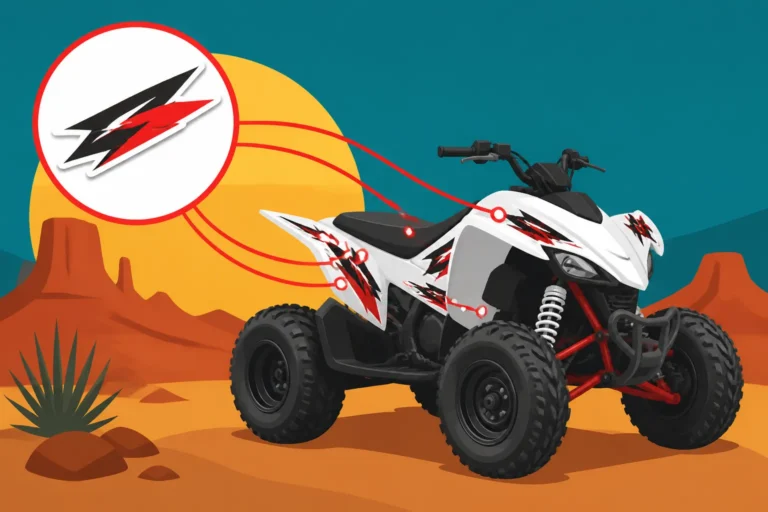
Registering a used off-highway vehicle in New Mexico is done through the Motor Vehicle Division (MVD). You'll need to gather all your paperwork, including the properly signed-over title (or manufacturer's statement of origin if it's never been titled before), the bill of sale documenting your purchase, and a valid form of identification. If you bought the machine with a lien, you'd also need documentation from the lienholder. It's a good idea to make copies of everything for your records before heading to the MVD. When you arrive, be prepared for a bit of a wait, and ensure you have all original documents ready for inspection. The MVD staff will process your ownership transfer, collect any applicable sales tax and registration fees, and issue your new registration and OHV decals. For comprehensive details on what to expect and what to bring, refer to [New Mexico OHV Registration at MVD].
Timeliness is important here. New Mexico law requires you to register your newly purchased OHV within a certain timeframe (typically 30 days) to avoid late fees or penalties. Don't let your excitement to hit the trails overshadow the importance of getting this done promptly. Walking into the MVD prepared with all your documents and a clear understanding of the process will save you a lot of time and frustration. Once registered, your OHV is officially recognized as yours, and you're ready for the next step: understanding which decals you need.
Understanding New Mexico's Decals: Yellow vs. Green
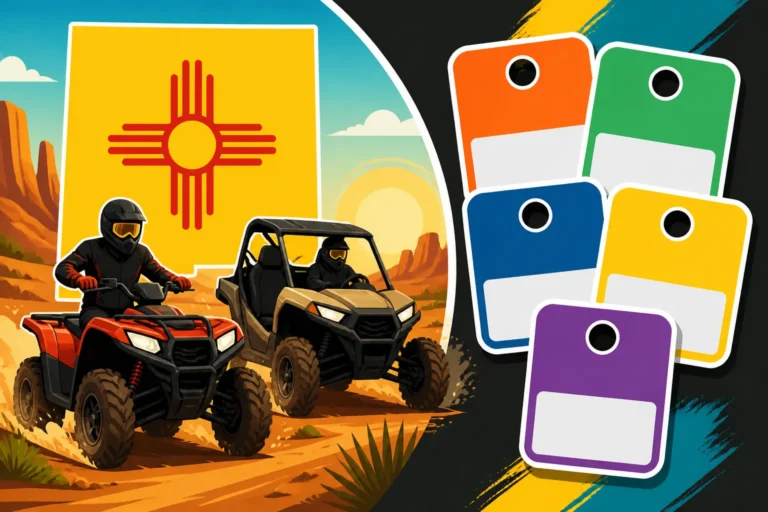
New Mexico uses a system of colored decals to differentiate between different types of OHV registration and permitted use. This is where many riders get confused, but it's actually quite straightforward once you know the rules. The most common decals are yellow and green. A yellow decal signifies that your OHV is registered for off-highway use only. This means you can ride it on designated trails, public lands where OHV use is permitted, and private property with permission, but generally not on paved public roads. You can learn more about this in [New Mexico's Yellow Off-Highway Decal].
The green decal, on the other hand, allows for both on-highway and off-highway use. This is for machines that meet specific equipment requirements (like mirrors, lights, and horn) and are intended for limited travel on paved public roads and highways where allowed by local ordinances, in addition to off-road use. If you plan to use your OHV to connect trails via paved roads, or even just cross a highway, the green decal is what you'll need, along with meeting all other requirements like insurance and having a valid driver's license. To understand the full implications and requirements for the green decal, check out [New Mexico's Green On and Off-Highway Decal]. Make sure you clearly communicate your intended use at the MVD to ensure you get the correct decal for your adventures.
Addressing Registration Anomalies: Lost Titles, Missing Decals, and Out-of-State Purchases
Sometimes, despite your best efforts, you might encounter a wrinkle in the registration process. What if the seller lost the original title? This is a tricky situation. While the seller should ideally obtain a duplicate title before selling, if they haven't, you might need to apply for a bonded title or a duplicate title yourself once ownership is transferred. This often involves additional forms, fees, and potentially a waiting period, and is a strong reason to only buy from sellers with a clear title in hand.
What if the decals are missing or unreadable on a machine you've just purchased? While it's typically the previous owner's responsibility to maintain current registration, once it's in your name, you'll need new decals. If yours get damaged or lost, you'll need to apply for a replacement through the MVD. This process is usually much simpler than a lost title. More information on this specific issue can be found in [Replacing a Lost New Mexico Decal].
Finally, if you're buying a used OHV from a seller in another state and bringing it into New Mexico, the process is slightly different. You'll still need the properly signed-over title from the originating state and a bill of sale. New Mexico MVD will then issue you a New Mexico title and registration. There are specific requirements for out-of-state machines, so it's wise to review the guidelines for [Registering an Out-of-State Machine in New Mexico] to ensure a smooth transition. These anomalies can be frustrating, but with the right information, they are usually surmountable.
Here’s a quick summary of the key documents you’ll need for buying a used OHV in New Mexico:
| Document | Purpose | Where to Get It | Importance |
|---|---|---|---|
| Title (Signed-Over) | Proof of legal ownership | From the seller | Absolutely Essential for registration. |
| Bill of Sale | Proof of purchase & terms of sale | Created by buyer/seller (e.g., LawDepot) |
Protects both parties, needed for tax/registration. |
| Valid Identification | Verifies your identity as the buyer | Your Driver's License/State ID | Required by MVD for all transactions. |
| Lien Release (if applicable) | Confirms no outstanding debt on the vehicle | From the financial institution | Critical if a previous loan was on the title. |
| Proof of New Mexico Residency | For in-state residents to register | Utility bill, lease agreement, etc. | May be required if MVD systems don't confirm. |
Beyond the Sale: Insurance, Safety, and Riding Responsibly
Congratulations, you've successfully navigated the purchase and registration of your used ATV or UTV in New Mexico! But the journey doesn't end there. To truly enjoy your new machine safely and legally, there are a few more critical steps to consider: protecting your investment with insurance, gearing up for safety, and understanding the rules of the trail.
Insuring Your Investment
Just like any other vehicle, your ATV or UTV is a significant investment that needs protection. While New Mexico doesn't require liability insurance for all off-highway riding, it becomes absolutely mandatory if you plan to utilize the green decal for any on-highway use. This isn't just about legality; it's about protecting yourself financially. Accidents happen, and without insurance, you could be on the hook for significant medical bills, property damage, or even legal fees if you're at fault in an incident.
Even if you only plan to ride off-road, comprehensive insurance can cover theft, vandalism, fire, or damage to your machine from non-collision events. Collision coverage would protect your OHV if it's damaged in an accident. It’s always a good idea to shop around and get quotes from different insurance providers to find a policy that fits your needs and budget. Understand what your policy covers and what it doesn't. For more information on what New Mexico expects regarding coverage, especially for paved road use, delve into [New Mexico OHV Registration and Liability Insurance].
Essential Safety Gear and Training
Your safety should always be paramount when operating an ATV or UTV. The thrill of off-road riding comes with inherent risks, and proper safety gear is your first line of defense. A DOT-approved helmet is non-negotiable, especially for riders under 18 where it's legally mandated, but honestly, every rider, regardless of age, should wear one. Your brain is worth protecting! Paired with a helmet, eye protection (goggles or a face shield) is crucial to shield your eyes from dust, debris, branches, and insects. This is also legally required in New Mexico for any paved road use, even for adults. For details on these requirements, consult [New Mexico Helmet Law for ATV Riders] and [New Mexico Eye Protection Requirement].
Beyond helmets and eye protection, consider sturdy gloves to protect your hands, long pants and long sleeves to guard against scrapes and sun, and over-the-ankle boots for ankle support and foot protection. For new riders or those new to a specific type of machine, taking an OHV safety course is highly recommended. These courses teach safe riding techniques, risk awareness, and proper machine operation, greatly reducing the chance of accidents. Many states offer certified courses, and the skills you learn can truly be life-saving, making your adventures safer and more enjoyable.
Knowing New Mexico's Riding Rules and Regulations
Finally, to truly be a responsible and legal rider in New Mexico, you need to understand and respect the state's OHV laws and regulations. These rules cover everything from where you can ride to how your machine must be equipped, and even age restrictions. Not every piece of land is open to OHV use; many areas, especially federal lands like National Forests or BLM areas, have designated routes you must stick to. Riding off-trail or in prohibited areas can lead to fines, environmental damage, and trail closures. Make sure you know [Where to Ride an ATV in New Mexico] before you even load up your machine.
Be aware of age restrictions for operators and passengers, especially for younger riders. New Mexico has specific laws regarding riders under 18, including supervision requirements and passenger limitations. Ignoring these rules can lead to fines for both the young rider and their supervising adult. You can find detailed information on these rules in [New Mexico Rules for Riders Under 18]. Additionally, familiarize yourself with equipment requirements like spark arresters (often required on public lands to prevent wildfires), sound limits, and lighting requirements for night riding. Responsible riding means respecting the land, other users, and the law, ensuring that New Mexico's beautiful landscapes remain open and accessible for everyone to enjoy.
Disclaimer
This article is for general informational purposes only and does not constitute professional advice. Laws, prices and regulations vary by location and change over time. Consult a qualified professional for guidance on your specific situation.