Elevation Change From Desert to Forest
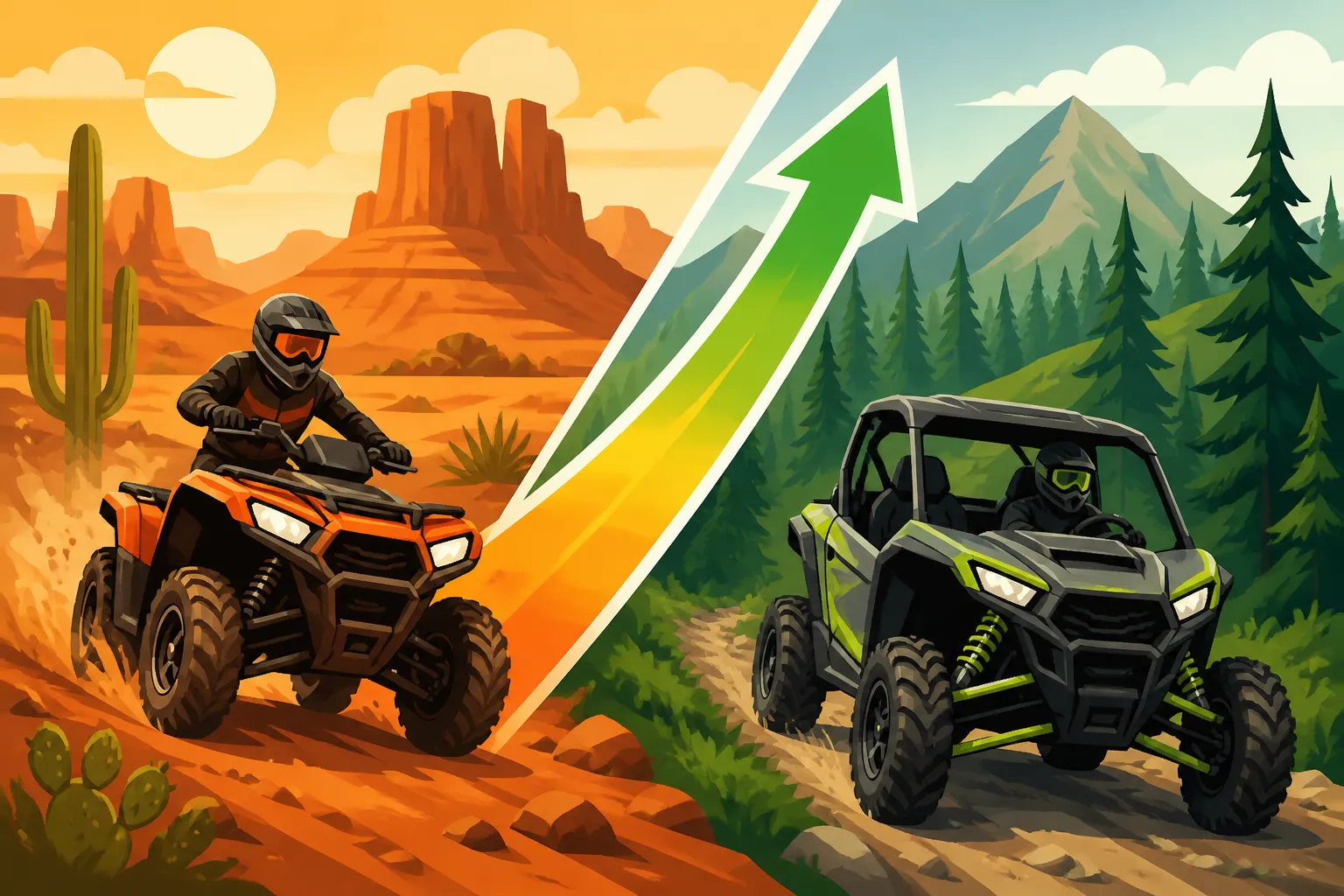
A ride that starts in warm desert near Alamogordo can end among cool, pine-covered slopes, and that change is more than a scenic bonus. In New Mexico, elevation can affect your engine, energy, traction, and weather plans within the same outing. This guide explains how to prepare for the climb from desert terrain to forest roads without letting the changing conditions catch you off guard.
Why New Mexico’s elevation changes the ride
Desert and forest can feel like different worlds
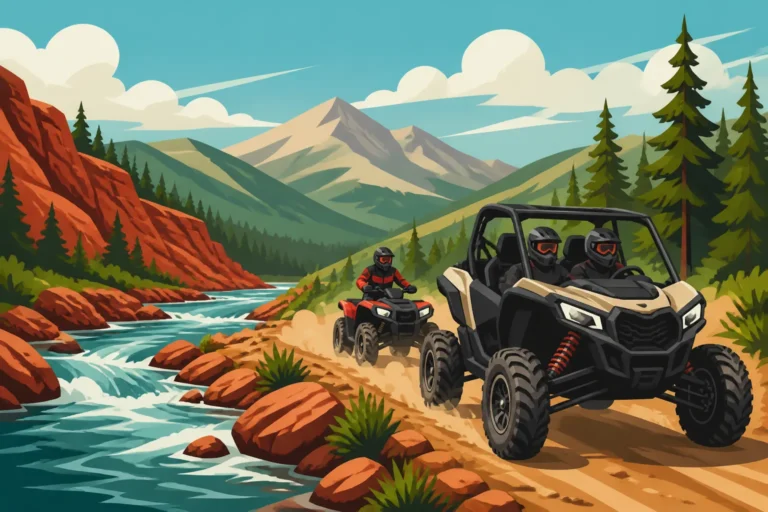
New Mexico’s riding areas span dry southern landscapes, high-desert plateaus, and mountain forests. Places such as Red Sands near Alamogordo offer open, sandy terrain, while routes around Red River and the Carson National Forest can climb into cooler, thinner-air country. The exact transition depends on your route, but you may notice the landscape changing long before you reach a forest staging area.
That shift affects the whole ride. A dry desert morning can turn into a chilly afternoon in the mountains, and a route that feels straightforward on open ground may become slower and more demanding as it climbs. Even when the distance looks manageable on a map, elevation gain, rough surfaces, and switchbacks can make the trip take longer than expected.
Elevation also changes what you see and how you ride. Desert sections may expose you to intense sun, loose sand, and limited shade. Higher forest roads can bring cooler air, steep grades, changing visibility, and weather that feels very different from the conditions where you started. Planning for both environments is more useful than dressing or packing for only the trailhead.
What thinner air means for riders and machines
At higher elevations, the air contains less oxygen in each breath. Riders may find that a steep climb feels harder than expected, particularly if they are tired, dehydrated, or moving quickly from a lower elevation to a much higher one. Take breaks when needed, drink water regularly, and pay attention to how everyone in your group is feeling rather than setting the pace by the strongest rider.
The same change in air can affect an engine’s performance. A machine may feel less responsive or produce less power as elevation increases, especially under load or on a long climb. The effect varies by machine, engine type, maintenance, and conditions, so avoid assuming that a vehicle that handled a desert route easily will feel identical on a high forest road.
If your ATV or UTV starts running poorly, do not try to solve the problem by pushing it harder uphill. Stop somewhere safe, check for obvious issues, and give the machine time to cool if it has been working hard. For a ride that includes a substantial elevation change, review the owner’s manual and ask a qualified mechanic whether your machine needs any preparation for the expected conditions.
Prepare for the route before leaving the desert
Check the whole route, not just the destination
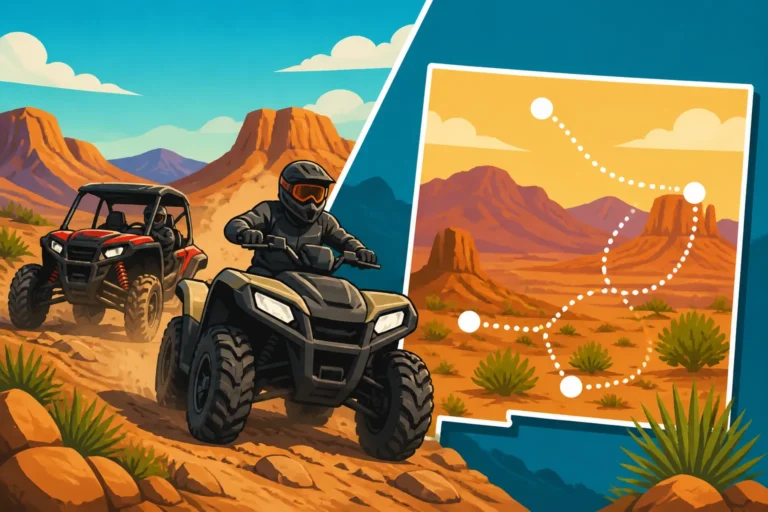
A destination pin can make a ride look deceptively simple. Before leaving, look at the route from the starting point to the turnaround, including the elevation profile, road surfaces, junctions, and places where the route may cross different land types. Mapping tools such as onX Offroad can help you study the planned route, but confirm access, closures, and travel rules with the land manager before riding.
In New Mexico, a route that appears to continue into the hills may pass through areas with different travel restrictions or seasonal closures. Forest roads can close during winter or reopen only after conditions allow. A line on a map is not a guarantee that a road is open or that off-route riding is allowed. Review New Mexico Trail Closures to Check First and [New Mexico Rules for Riding a National Forest] before committing to a long climb.
Plan a realistic turnaround point. If the group is moving slowly, the weather is changing, or a machine is struggling, turning back early is a sound decision—not a failed ride. On a route with limited cell coverage, make sure everyone knows the intended path and what to do if the group becomes separated. Carry a paper map or another backup navigation option if relying on a phone or GPS device.
Pack for both heat and cold
Desert heat can make riders underestimate how cold a shaded forest road may feel later in the day. Wear layers that can be added or removed, and bring suitable riding gear for dust, wind, and cooler temperatures. A light jacket packed at the start can be far more useful than an extra shirt once the route climbs into exposed or forested terrain.
Carry more water than you expect to need, especially on a long ride or in a group with children. Dry air, sun, and physical effort can leave riders feeling worn out before they realize how much they have been sweating. Food, basic first-aid supplies, a charged phone, and a way to contact help outside cell coverage are also sensible parts of a remote-ride plan.
Use a navigation app such as onX Offroad to review the route before departure, but do not make the app your only safety plan. Download or otherwise prepare maps for areas where reception may be unreliable, and keep track of the route as you go. If a planned road is closed, do not improvise a shortcut across private property, a closed road, or a sensitive area; choose a legal alternative or turn around.
Ride differently as the terrain changes
Adjust speed and technique for each surface
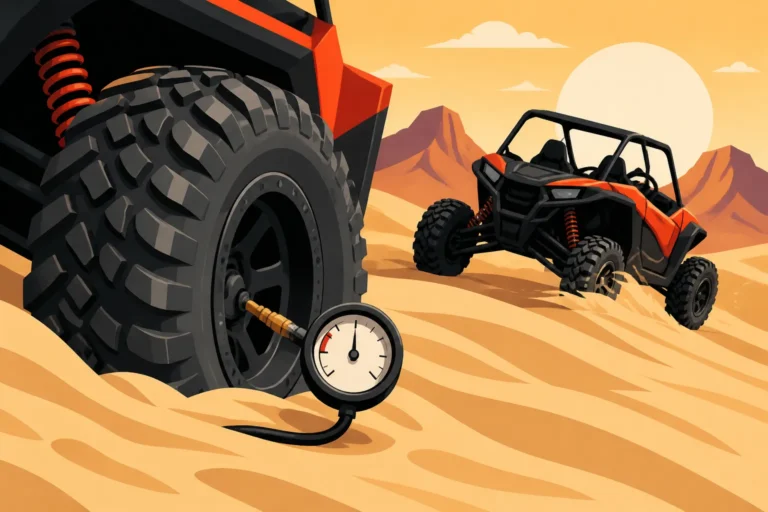
Loose desert sand can require steady momentum and smooth steering, while rocky or uneven forest roads call for slower speeds and careful line choice. A route may move through several surfaces in a single day, so avoid settling into one riding style and carrying it unchanged into the next section. Slow down when visibility drops, the ground becomes unfamiliar, or the road narrows.
On climbs, use a controlled pace and leave space between machines. Following too closely can put the next rider in the dust or leave them with little room to respond if the machine ahead stops. On descents, avoid rushing simply because the vehicle is pointed downhill. Keep your speed manageable, watch for loose rocks and ruts, and follow the machine manufacturer’s guidance for safe braking and downhill operation.
New Mexico’s forest routes may also share space with vehicles, hikers, livestock, and other trail users. Ride with extra care around blind corners, gates, and narrow sections. Close gates as you find them, unless signs or instructions say otherwise, and do not assume that an open gate means the land beyond it is open to motorized travel. New Mexico Trail Etiquette on Shared Ground offers useful reminders for riding responsibly around other users and working land.
Watch weather, closures, and changing conditions
Mountain weather can change quickly, and a clear start in the desert does not promise a clear return from the forest. Before heading uphill, check for relevant road and trail closures, fire restrictions, and weather concerns. In monsoon season, rain can create dangerous runoff in arroyos and low crossings, even when the storm is some distance away. Learn the risks in Monsoon Afternoons and Flash Floods and do not ride into flowing water or a wash that may rise.
Forest roads can also become slippery, rutted, or difficult after rain or snow. A route that was manageable on a dry day may be unsuitable after a storm, especially for a wide side-by-side or a less experienced group. If the road surface, visibility, or weather is deteriorating, stop at a safe place and reassess rather than pressing on because you have already driven a long way.
Use current land-manager information when deciding whether a road is open. Seasonal access can differ by district and route, and a closure may be in place for weather, fire danger, maintenance, or resource protection. Before a mountain ride, check New Mexico Forest Roads Closed December to May and New Mexico Fire Restrictions That Close Trails for the kinds of conditions that can change access.
Build a safer desert-to-forest ride plan
Match the route to the group and the machine
Choose a route that fits the least experienced rider and the least capable machine in your group. A steep, narrow forest road may be a poor choice for a novice rider, a heavily loaded vehicle, or a group that has not ridden together before. If you are unsure, start with a shorter route and leave time to turn around before fatigue sets in.
Vehicle width matters on forest roads and marked trails. A large side-by-side may not fit comfortably on every route, and a narrow track may leave little room to pass an oncoming vehicle. Check for posted restrictions and look into New Mexico Trails for a Wide Side-by-Side when choosing an area for a wider machine. Never force a vehicle through a gap that risks damaging the trail, the machine, or the surrounding land.
Consider the elevation change when estimating fuel use and ride time. Long climbs, rough surfaces, soft sand, and frequent stops can all affect how far you travel on a tank. Start with enough fuel for the planned route and a reasonable margin, and do not count on finding fuel near a remote trail. If you are riding with others, agree on fuel and turnaround expectations before leaving the staging area.
Use a simple pre-ride checklist
A short check before unloading can prevent a frustrating problem far from the trailhead. Look over tires, brakes, lights, steering, and visible fluid leaks. Make sure essential tools and recovery supplies are secured, not buried under luggage. If you are carrying a spare, know how to use it; a spare tire does little good if no one can safely change it.
Before the ride, walk through the plan with the group. Name the route, expected turnaround point, likely weather changes, and a meeting place in case someone gets separated. Confirm that everyone knows how to stop safely, communicate a problem, and respond if another rider needs help. A new rider may hesitate to speak up when tired, so make it clear that anyone can ask for a break or a turnaround.
| Before you ride | Why it matters on an elevation-changing route |
|---|---|
| Check route access and closures | A mapped road may be closed or restricted |
| Review elevation and distance | Long climbs can take more time and energy |
| Pack layers and water | Desert heat and forest cold can occur on one outing |
| Inspect the machine | Steep, rough sections put extra demands on equipment |
| Set a turnaround plan | Weather, fatigue, or machine trouble may change the day |
| Carry backup navigation | Cell coverage may be unreliable in remote areas |
For a ride near the Carson National Forest, for example, a sensible plan might be to start with a legal, open route, keep the group together, and reassess before climbing farther into the mountains. If clouds build, a rider feels unwell, or the machine loses power, the group can turn back while conditions are still manageable. That flexibility is especially important when the route takes you far from the vehicle trailer or a paved road.
Use onX Offroad or another mapping tool as part of the preparation—not as a substitute for local access information, sound judgment, or a backup plan. The most enjoyable New Mexico rides often come from leaving enough room in the day to adapt. A little patience can mean the difference between a demanding but memorable loop and a late, stressful return through changing weather.
Disclaimer
This article is for general informational purposes only and does not constitute professional advice. Laws, prices and regulations vary by location and change over time. Consult a qualified professional for guidance on your specific situation.