Goggles Even When You Skip the Helmet
It can feel like a maze trying to navigate all the rules and regulations for enjoying your ATV or UTV out on the beautiful New Mexico trails and roads. One area that often trips people up is eye protection – because while we all know helmets are important, it's not always clear when you must wear goggles or glasses, especially if you're not required to wear a helmet. This guide is here to untangle those rules, explaining exactly when eye protection is mandatory and why it’s a smart idea for every ride, ensuring you stay safe and legal on your adventures across the Land of Enchantment.
New Mexico's Eye Protection Rule for OHVs on Paved Roads
Let's face it, getting out on the open road or a county street on your UTV or ATV can be a blast. The wind in your hair, the scenery flying by—it’s an exhilarating experience. But just because you might feel free, it doesn't mean you're free from certain safety requirements, and eye protection often comes as a surprise to many riders, especially when they think they don't need a helmet. New Mexico has specific regulations designed to keep you safe, and your eyes are a high priority.
When Eye Protection Becomes Absolutely Mandatory
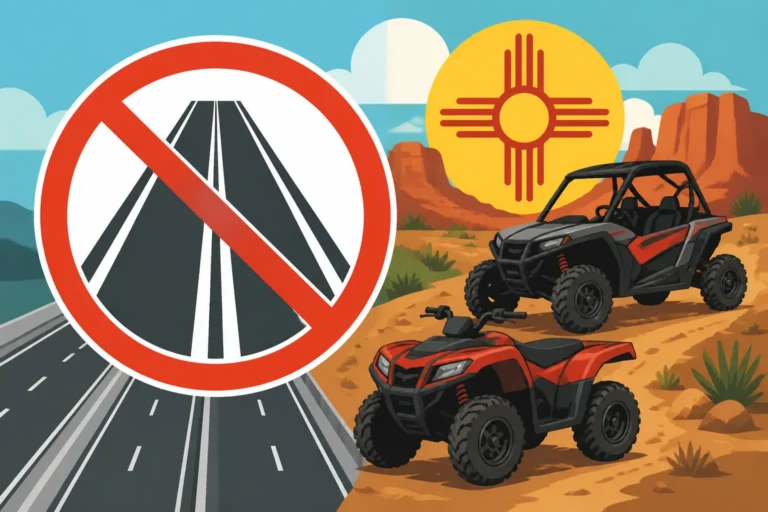
Here's where it gets critical: if you're riding your OHV on any public paved street, road, or highway in New Mexico that has been designated as open to OHV use, you must wear adequate eye protection. This isn't a suggestion; it's a legal requirement. This rule applies regardless of your age, and it’s distinct from the helmet law, which has different age-based stipulations. So, even if you’re an adult and legally allowed to ride without a helmet on an open paved road, you still need to protect your eyes. It’s easy to get this mixed up, thinking if one piece of gear isn’t required, the others aren’t either. But in New Mexico, eye protection on pavement is a standalone must-have. You'll want to be familiar with [New Mexico Equipment Rules for Road Use] to ensure all your gear is compliant.
Imagine you're cruising through a small town in Sierra County, enjoying the open roads that the county has permitted for OHV use. The sun is shining, and you're feeling good. Then, suddenly, a gust of wind kicks up some dust, or a small pebble is flung from an oncoming car's tire. Without eye protection, your eyes are completely vulnerable. Even a tiny piece of debris at speed can cause serious injury, impair your vision instantly, and lead to an accident. This mandate is specifically about safeguarding your ability to see and react, which is paramount for everyone's safety on shared paved roadways.
The Rationale Behind the Requirement
You might wonder why New Mexico singles out eye protection for paved roads. The reason is simple and rooted in practical safety. On paved surfaces, vehicles often travel at higher speeds than off-road, increasing the impact force of any flying debris. Dust, small rocks, sand, insects, and even larger objects like bits of trash can become projectiles at speed. Without adequate eye protection, your vision can be compromised in an instant, leading to a loss of control or a collision. It's not just about protecting your eyes from direct injury; it's about maintaining clear, unobstructed vision to navigate traffic, spot hazards, and react quickly.
Think about the dynamics: a car passing you, or even you passing a car, can create a vortex that lifts all sorts of tiny hazards into the air. If you're riding an OHV, you're much more exposed than someone in a car. Moreover, prolonged exposure to wind can dry out your eyes, causing irritation, blurred vision, and fatigue, all of which diminish your ability to ride safely. The law acknowledges that while the thrill of riding an OHV on pavement is undeniable, the risks to your vision are significantly higher than when you’re enclosed in a car. This is why it's so crucial to pay attention to these specific requirements when [What New Mexico Law Says About Road Use] permits you onto a paved surface.
What Qualifies as "Adequate" Eye Protection
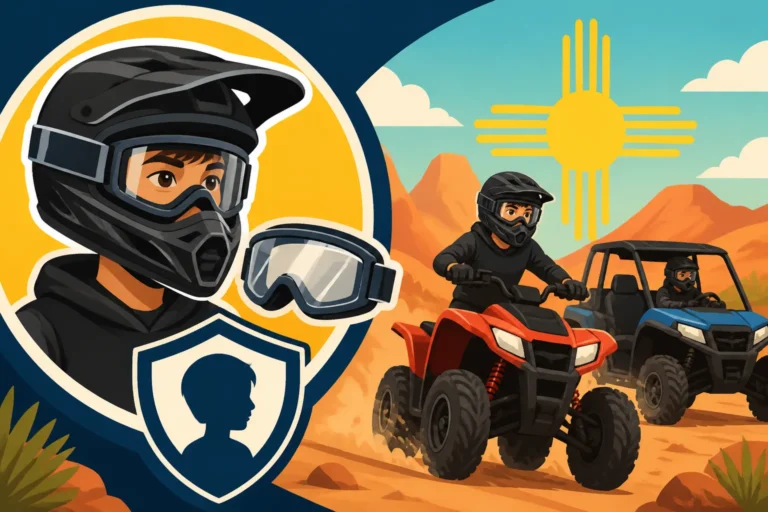
So, what exactly counts as "adequate" eye protection in New Mexico? The good news is that the rules aren't overly restrictive, but they are clear about the intent: your eyes need to be genuinely protected. Generally, this means shatter-resistant eye goggles or a face shield that is integrated into a helmet. Simple sunglasses, while they might offer some UV protection, often don't meet the standard for impact resistance or full coverage needed to protect against all hazards. The key is that the protection should be substantial enough to prevent foreign objects from entering your eyes, and sturdy enough not to shatter upon impact.
If you choose a helmet with a face shield, ensure it's in good condition, free from excessive scratches, and latches securely. For those who opt not to wear a helmet where permitted, a good pair of off-road goggles is the way to go. These are specifically designed for the rigors of OHV riding, offering a wide field of vision, impact resistance, and a snug fit to keep dust and debris out. Prescription glasses can be worn, but they should be accompanied by goggles over them for true protection, unless the glasses themselves are specifically designed as safety eyewear that meets robust standards. Always prioritize clarity of vision, so keep your chosen eyewear clean and free from smudges.
Eye Protection Beyond the Paved Road Requirement
While the law specifically mandates eye protection for OHVs on paved New Mexico roads, let's be real: eye protection is a good idea no matter where you're riding. Off-road adventures, though often slower-paced, present their own unique set of challenges and hazards that can threaten your vision. Being prepared means being safe, and that includes consistently protecting your eyes.
Why Off-Road Riders Should Always Wear Eye Protection
Think about it: when you're tearing up a dirt trail, kicking up dust in the desert, or navigating through dense forest roads, what's flying around? Plenty! Dust, sand, small rocks flung from your own tires or those of riders in front of you, low-hanging branches, insects, and even mud can all find their way directly into your eyes. Getting something in your eye while riding, even at a slow speed, can be disorienting and cause you to lose control. It’s not just about preventing a serious injury; it’s about maintaining continuous, clear vision to avoid obstacles and navigate changing terrain.
Consider a hot, dry summer day out at Red Sands OHV Area. The ground is dry, and every turn or throttle surge sends plumes of fine sand into the air. If you're not wearing goggles, that sand will be directly in your eyes, making it impossible to see the subtle changes in the dune you're cresting, or the unexpected drop-off. Or perhaps you're cruising a forest road in the Carson National Forest, enjoying the shade. Suddenly, a branch that was just out of sight springs back and whips towards your face. Goggles act as a crucial barrier, letting you focus on the ride rather than squinting against the elements or worrying about what might hit you next. Riding on [New Mexico Rules for Riding a Forest Road] or [New Mexico Rules for Riding a BLM Road] often means encountering these kinds of natural hazards.
Special Considerations for Youth Riders
For our younger riders, the importance of eye protection is magnified, even if they're strictly riding off-road. New Mexico law is quite clear about helmet requirements for riders under 18, and most youth helmets come with integrated face shields or are designed to be worn with goggles. Even if a specific off-road scenario doesn't explicitly mandate eye protection for minors, it is absolutely essential for their safety and comfort. Kids are often less experienced and might not react as quickly to hazards, making their eyes even more vulnerable.
As parents and guardians, it's our responsibility to instill good safety habits from the start. Making eye protection a non-negotiable part of their riding gear, right alongside their helmet, gloves, and boots, sets them up for a lifetime of safe riding. It’s not just about compliance, but about instilling a culture of safety. The [New Mexico Helmet Law for Riders Under 18] is there to protect young riders, and eye protection is an integral part of that overall safety strategy, preventing injuries that could otherwise impact their development and enjoyment of the sport.
Protecting Your Vision from Sun, Wind, and Fatigue
Beyond just physical impact and debris, eye protection offers broader benefits that contribute to a safer, more enjoyable ride. Prolonged exposure to sun, wind, and the elements can take a toll on your eyes, even without a direct impact. UV radiation from the sun can damage your eyes over time, similar to how it damages your skin. Quality goggles or glasses with UV protection are essential, especially when riding for hours under the intense New Mexico sun.
Wind, even on a mild day, can cause your eyes to dry out, leading to discomfort, irritation, and eventually, blurred vision and fatigue. This is particularly noticeable on longer rides. Dry, tired eyes reduce your concentration and reaction time, making you a less effective and more vulnerable rider. Goggles, by creating a sealed environment around your eyes, significantly reduce wind exposure and help maintain moisture. Many riders also find that tinted lenses can reduce glare and eye strain on bright days, while clear lenses are perfect for low-light conditions or [New Mexico Rules for Riding After Dark]. Investing in versatile eye protection, perhaps with interchangeable lenses, ensures you're ready for any conditions New Mexico throws your way.
Choosing the Right Eye Protection for Your Ride
With so many options out there, picking the right eye protection might seem a bit overwhelming. But focusing on fit, function, and features tailored to OHV riding will ensure you make a smart choice. Whether you prefer goggles or glasses, understanding their strengths and weaknesses is key to safeguarding your vision.
Goggles vs. Glasses: Pros and Cons
When it comes to eye protection for OHVs, the main debate often centers around goggles versus traditional glasses (including safety glasses or even dedicated riding glasses). Both have their place, but one is generally superior for most OHV riding conditions.
| Feature | Goggles (Off-Road Specific) | Glasses (Safety/Riding Specific) |
|---|---|---|
| Coverage | Excellent – fully seals around eyes, blocking dust/debris. | Moderate – gaps around edges, susceptible to dust/wind. |
| Impact Protection | High – often shatter-resistant lenses, larger surface area. | Moderate – shatter-resistant lenses, but less side protection. |
| Wind/Dust Seal | Superior – foam lining creates a tight seal. | Poor – open sides allow wind, dust, and small particles in. |
| Comfort (with helmet) | High – designed to integrate with helmets, adjustable strap. | Variable – can be uncomfortable under a helmet, arms pinch. |
| Anti-fog | Many models feature anti-fog coatings/ventilation. | Less common or effective, more prone to fogging. |
| Field of View | Very good – large lens area, minimal frame obstruction. | Good – depends on frame design, can be narrower. |
| Prescription Friendly | Many models designed to fit over glasses (OTG), or have inserts. | Can be prescription, but still need additional coverage. |
For most serious OHV riding, especially off-road or on paved surfaces at speed, goggles offer superior protection and comfort. Their full seal prevents irritation from dust, wind, and debris that can easily bypass glasses. However, for casual, slower rides, or specific situations where goggles might be too bulky, robust safety glasses can be an option, but always check local regulations for "adequate" definition.
Key Features to Look For in OHV Eyewear
Once you've decided on goggles or glasses, it's time to zero in on the features that truly matter for OHV safety and performance.
First and foremost, look for shatter-resistant lenses, typically made from polycarbonate. This is non-negotiable. If you take a hit from a rock or branch, you want the lens to absorb the impact without shattering into your eye. Next, UV protection is crucial for long-term eye health under the strong New Mexico sun. Many lenses offer 100% UV-A and UV-B protection, which is ideal.
For goggles, an adjustable, silicone-backed strap is important for a secure fit, preventing slippage, especially when integrated with a helmet. Look for good ventilation systems to prevent fogging, which can be a major issue during exertion or in humid conditions. Many quality goggles feature multiple vents or dual-pane lenses for this purpose. Brands like SuperATV often provide excellent, durable options that incorporate these features, built to withstand the tough conditions of off-road riding.
Comfort is also paramount. A comfortable foam lining on goggles will seal out dust while wicking away sweat. If you wear prescription glasses, ensure your goggles are "OTG" (Over-The-Glasses) compatible, or consider prescription inserts. Finally, consider interchangeable lenses. Having clear, tinted, and perhaps amber lenses allows you to adapt to varying light conditions, from bright desert sun to shady forest trails or riding at dusk.
Maintenance and Care for Your Eye Protection
Even the best eye protection won't do its job if it's not well-maintained. Proper care extends the life of your gear and ensures optimal visibility, which is critical for safety.
The most common enemy of goggles and glasses is scratches. Always store your eyewear in a soft bag or case when not in use, preferably one made of microfiber that can double as a cleaning cloth. Avoid tossing them unprotected into a gear bag where they can rub against tools, helmets, or other abrasive items. When cleaning, resist the urge to wipe off dust or mud with a dry cloth or your glove. This can scratch the lens. Instead, rinse them thoroughly with clean water first to remove abrasive particles, then use a mild soap if necessary, and gently dry with a microfiber cloth. Avoid harsh chemical cleaners, as these can damage anti-fog coatings or lens materials.
Regularly inspect the foam lining on your goggles for wear and tear. Over time, sweat and dirt can degrade the foam, reducing its seal and comfort. If the foam starts to crumble or detach, it might be time for new goggles, or at least a replacement foam kit if available. Also, check straps for elasticity and buckles for proper function. A loose or degraded strap won't keep your goggles securely in place. By taking a few moments to clean and inspect your eye protection after each ride, you're not just preserving your gear; you're ensuring your vision stays clear and protected for countless adventures to come.
Disclaimer
This article is for general informational purposes only and does not constitute professional advice. Laws, prices and regulations vary by location and change over time. Consult a qualified professional for guidance on your specific situation.