Helmet Rules for New Mexico Riders
Oh, the ever-present helmet question! It's one of those things that can feel like a moving target, especially when you're just trying to enjoy the beautiful New Mexico landscape on your ATV or UTV. Many riders get frustrated trying to figure out if they really need a helmet, who needs one, and exactly where the rules apply. This guide is here to untangle all that confusion, breaking down New Mexico's specific helmet requirements so you can ride safely and legally, whether you're hitting the trails or cruising a county road.
The Foundation of Rider Safety: Understanding New Mexico's Core Helmet Laws
Let's cut right to it: helmets are a cornerstone of OHV safety, and New Mexico takes them seriously, especially for certain demographics and riding environments. It’s not just about avoiding a ticket; it's about protecting yourself and your loved ones from severe injury. The rules can feel a little convoluted because they intertwine age, vehicle type, and even the surface you're riding on.
The Universal Mandate for Young Riders
If you have anyone under the age of 18 on an ATV or UTV in New Mexico, listen up: a helmet isn't optional for them. This is one of the most consistent and non-negotiable rules across the state, regardless of whether they're just starting out in a wide-open field or navigating technical forest trails. The law is designed to protect those who might have less experience or slower reaction times. It’s a clear-cut safety measure that reflects the state’s commitment to preventing serious head injuries among its youngest riders.
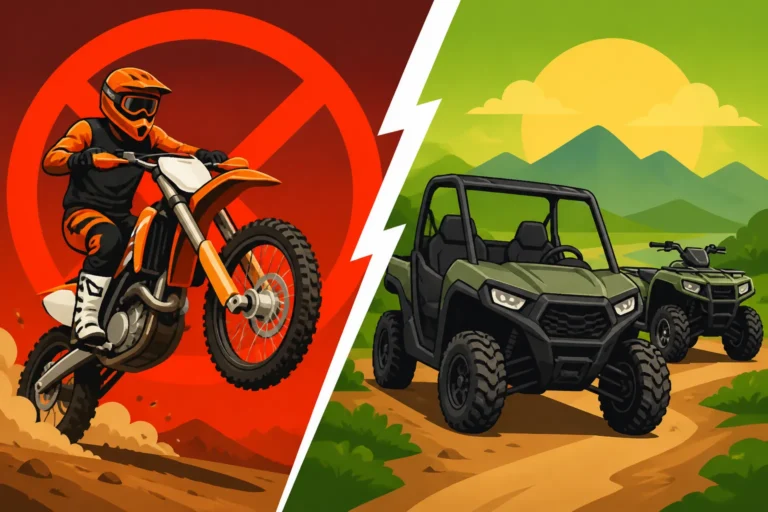
Imagine a family weekend out near Glade Run, everyone excited for a day of riding. Your 15-year-old is itching to get on their dirt bike, and your 12-year-old is ready to co-pilot the side-by-side. Both of them, by law, must be wearing an approved helmet the entire time the machine is in operation. This isn't just for when they're actively riding on a challenging trail; it includes any time the vehicle is moving, even if it's just a short hop from the campsite to the staging area. Parents often express frustration over the cost or the argument with a teenager who thinks they're "too cool" for a helmet, but the law is absolute here, and for good reason. [New Mexico Helmet Law for Riders Under 18] makes this explicit.
This strict rule also extends to passengers. If your UTV has multiple seats and you're taking a minor along for the ride, that minor passenger needs to be helmeted, too. It’s a small inconvenience compared to the potential consequences of a head injury. So, before you even think about putting the keys in the ignition, double-check that every rider under 18 has a properly fitted, securely fastened helmet. Neglecting this isn't just a risk to the rider; it can also lead to significant penalties for parents or guardians. [New Mexico Penalties for a Parent] ensures that the adult responsible understands the gravity of the situation.
Adult Riders: When Helmets Become Mandatory
Now, for those of us who are 18 and older, the rules aren't quite as blanket, which is where some of the confusion really sets in. While New Mexico strongly recommends a helmet for all OHV riders at all times, it only legally requires one for adults under specific circumstances. Generally, when you're off-road on designated trails or public lands that are purely off-highway, an adult isn't legally mandated to wear a helmet. However, the moment you decide to take your machine onto a paved public road – even a short stretch – the game changes entirely.
If you're opting to ride your OHV on paved public roads that have been opened to off-highway vehicles, New Mexico's MVD rules kick in, and suddenly, that helmet becomes a legal necessity for adult riders as well. This applies whether you're just crossing a highway to get to another trail, using a county road to connect two segments of your ride, or cruising through a town like Red River where ROVs are permitted on certain streets. The reason for this shift is simple: paved roads introduce higher speeds, more complex traffic, and a greater risk of collision with other vehicles, much like riding a motorcycle. The state sees this as a crucial step to harmonize safety standards when OHVs venture into more traditional traffic environments.
Many riders will find themselves in a situation where they traverse a dirt track, only to encounter a short section of paved county road before getting back onto more rugged terrain. In that brief transition, even if it's only a quarter-mile, the law states that any adult operating or riding as a passenger on that OHV must be wearing an approved helmet. This is often where riders get caught, thinking "it's just a quick hop." But officers are aware of these regulations, and ignorance of the law is no defense. It's a key distinction that marks the boundary between purely off-highway recreational use and integrating with the broader public road system.
The Critical Distinction: Paved Roads vs. Off-Highway Terrain
This is where New Mexico's rules diverge most significantly and often cause the biggest headaches for riders. The state makes a very clear distinction between riding an OHV on dirt trails, private property, or designated off-highway areas, and riding on any public road that is paved. Understanding this difference is crucial for staying legal and safe.
The "Opt-In" Rule and Helmet Requirements
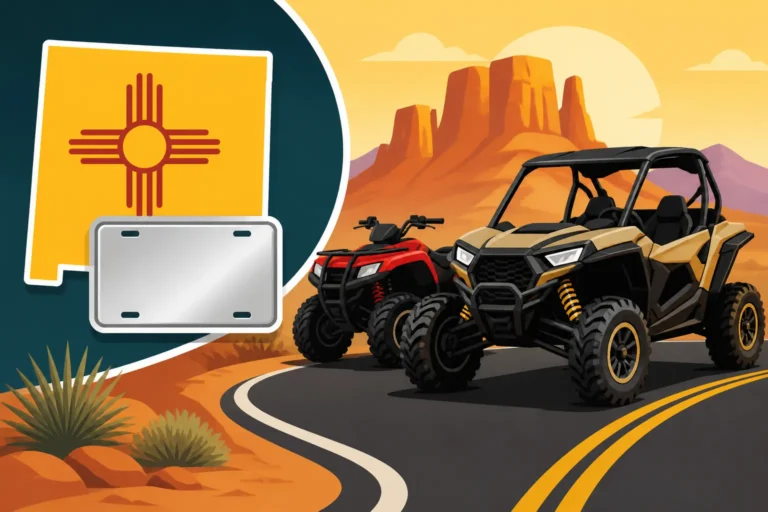
New Mexico has an "opt-in" provision for paved road use, meaning counties and municipalities can choose to open their paved roads to OHVs. This is fantastic for expanding riding opportunities, but it comes with a trade-off: increased safety requirements, particularly concerning helmets. When you ride on these open paved roads, your OHV is treated much like a motorcycle in terms of safety gear. This means all riders, regardless of age, must wear an approved helmet. It's a condition of exercising that privilege of paved road access. [New Mexico's Paved Street Opt-In] is a great resource to learn more about where these roads exist.
Let's say you're planning a trip to Sierra County, which has opened many of its county roads to OHV use. You might be accustomed to riding helmet-free on your private land back home. However, the moment you leave your campsite and turn onto a paved county road to reach your chosen trail network, both you and any passenger must be wearing helmets. This applies even if the road is quiet, rural, and you see no other traffic for miles. The law doesn't distinguish between a busy city street and a deserted country lane; if it's paved and public, the helmet rule applies. This change in requirements is often a point of surprise for out-of-state visitors who might have different rules back home.
The frustration here is real. You might feel perfectly comfortable and skilled riding your machine, and putting on a helmet for what seems like a short, low-risk paved section can feel like an unnecessary hassle. However, the state's logic is rooted in accident statistics and the increased danger of impacts on hard surfaces at higher speeds. They want to ensure that if you choose to utilize the convenience of paved public roads, you're doing so with maximum head protection. This rule reinforces the idea that road-legal OHVs aren't just toys; they're vehicles capable of operating in a shared traffic environment, and thus demand a higher standard of safety gear. Companies like SuperATV provide a wide range of accessories that can enhance your UTV, but they also emphasize ensuring you comply with all local safety regulations, including helmet laws for road use.
Off-Road Riding: Recommendations Versus Requirements
When you're strictly off-road—on unpaved trails, dirt roads on BLM or Forest Service land, or private property—the helmet rules are different for adults. For riders 18 and older, New Mexico does not legally mandate helmet use in these strictly off-highway environments. This is a significant point of differentiation and often leads to confusion. You'll see plenty of experienced adult riders enjoying the trails in the Carson National Forest or exploring the Mescalero Sands without helmets, and they are well within the law, assuming they stay off any paved surfaces.
However, just because it's not legally required doesn't mean it's not highly recommended. Any experienced off-road rider will tell you that accidents can happen anywhere, at any speed, and often when you least expect them. A small branch, a momentary loss of traction, an unexpected rock—any of these can send you tumbling, and a head injury can be life-altering. Many riders, even those not legally required, choose to wear helmets as a personal safety measure, acknowledging the inherent risks of off-road riding.
Think about a common scenario: you're exploring the extensive trail systems around Farmington, maybe in Glade Run. You're 35, riding your UTV, and staying strictly on dirt trails. Legally, you don't have to wear a helmet. But what if you hit an unexpected washout or misjudge a turn? Even at lower speeds, an impact with the ground, a tree, or even your own roll cage could cause severe injury. This is why many seasoned riders invest in comfortable, well-ventilated off-road helmets, even for those rides where the law doesn't strictly demand it. It's a proactive step towards ensuring you can keep enjoying the sport for years to come.
Approved Helmets: What Kind of Protection Do You Need?
It's not enough to just throw on any old helmet; New Mexico's law, when a helmet is required, specifies that it must be an "approved" helmet. This ensures that the head protection you're wearing meets certain safety standards designed to withstand impacts and provide adequate coverage. Understanding what constitutes an approved helmet is just as important as knowing when to wear one.
DOT-Compliant Helmets are Key
When the law states a helmet is required, it means one that meets federal safety standards. Specifically, helmets must be certified by the Department of Transportation (DOT). This DOT certification sticker, usually found on the back of the helmet, is your proof that the helmet has undergone rigorous testing for impact absorption, penetration resistance, and retention system strength. Without this certification, even if a helmet looks substantial, it may not meet the legal requirements and, more importantly, might not provide the necessary protection in an accident.
Many riders, especially those new to the sport, might mistakenly think a bicycle helmet or a hard hat is sufficient. While those offer some protection, they are not designed for the types of impacts, speeds, and forces associated with OHV riding. A DOT-compliant helmet is specifically engineered to protect against traumatic brain injury in the event of an off-highway vehicle or motorcycle accident. It's built with multiple layers of energy-absorbing materials, a robust outer shell, and a secure chin strap system to ensure it stays on your head during an impact.
Checking for the DOT sticker should be one of your first steps when purchasing a helmet. Reputable brands will always clearly display this certification. Beyond DOT, some riders opt for helmets that also meet more stringent certifications like Snell or ECE. While these aren't legally required by New Mexico, they indicate an even higher level of protection. Investing in a quality, DOT-approved helmet isn't just about avoiding a fine; it's about providing your brain the best possible chance of avoiding injury.
Proper Fit and Condition for Maximum Safety
Even the best DOT-approved helmet won't do its job if it doesn't fit correctly or is damaged. A helmet should fit snugly, without being uncomfortably tight, and it shouldn't shift excessively when you move your head. If a helmet is too loose, it can move around during an impact, compromising its protective capabilities or even coming off entirely. If it's too tight, it can cause discomfort and distraction, which is also a safety hazard. This is particularly important for young riders, whose heads are still growing; helmets should be checked periodically for fit.
Beyond fit, the condition of your helmet is paramount. Helmets are designed to absorb and distribute impact forces, but they have a finite lifespan, especially after a significant crash. If a helmet has been involved in an accident, even if there's no visible damage, its integrity may be compromised, and it should be replaced. The internal foam liners can compress and lose their ability to absorb subsequent impacts. Similarly, look for cracks in the outer shell, frayed straps, or malfunctioning buckles.
Regular inspection of your helmet is a simple but critical safety habit. Treat your helmet like the life-saving device it is. Don't throw it around, store it improperly where it could get damaged, or ignore signs of wear and tear. A damaged helmet is a false sense of security. Just like you'd meticulously check your machine's tires or brakes, take a moment to ensure your helmet is in top-notch condition and fits perfectly before every ride. This diligence ensures that when you need it most, your helmet is ready to provide the protection it was designed for.
Beyond the Helmet: Other Critical Safety Gear in New Mexico
While the helmet often takes center stage in safety discussions, it's really just one piece of a larger puzzle. New Mexico's OHV laws, particularly for paved road use, extend to other forms of protective gear. Even when not legally mandated, wearing additional gear significantly reduces your risk of injury and enhances your overall riding experience.
Eye Protection: A Non-Negotiable on Paved Roads
Just like helmets, eye protection becomes a legal requirement for all riders, regardless of age, when operating an OHV on a paved public road in New Mexico. This is not just a suggestion; it's the law. Whether you're wearing a full-face helmet with a visor or an open-face helmet, you must have adequate eye protection like goggles or safety glasses. [New Mexico Eye Protection Requirement] clearly spells this out.
The reasons are numerous and immediately apparent to anyone who's ever ridden an OHV. On open roads, dust, debris, insects, and even small rocks can be kicked up by other vehicles or your own. At speed, any of these can cause severe eye injury, momentary blindness, and potentially lead to a crash. Beyond physical objects, wind blast can cause eyes to tear up and impair vision. Imagine riding down a paved county road near Roswell, and suddenly a swarm of insects appears. Without eye protection, you're not only risking injury but also losing critical visibility and control.
Even when riding off-road where eye protection isn't strictly mandated for adults, it's an absolutely essential piece of gear. You're far more likely to encounter dust, branches, and mud on the trails. Many riders opt for goggles designed specifically for off-road use, which offer a wide field of vision, ventilation to prevent fogging, and often tear-offs or roll-offs for maintaining clear vision in dusty or muddy conditions. Don't underestimate the importance of clear vision; it's fundamental to safe riding.
The Value of Long Sleeves, Pants, and Gloves
While New Mexico law doesn't explicitly mandate things like riding jackets, long pants, or gloves for OHV riders (outside of very specific professional or competition rules), every experienced rider will tell you they are indispensable. These items provide crucial protection against abrasions, cuts, scrapes, and impacts that are common in off-road environments. They also shield you from the elements, whether it's sun exposure, wind chill, or minor impacts with brush.
Consider a simple fall off an ATV on a dirt trail. If you're wearing shorts and a t-shirt, you're looking at painful road rash (or trail rash, as it were). With sturdy long pants (like denim or specialized riding pants) and a long-sleeved shirt or riding jacket, you've added a vital layer of defense. Gloves protect your hands from blisters, impacts with branches, and provide a better grip on the handlebars, which is especially important for maintaining control over rough terrain.
This general protective gear also extends to riding boots. Sturdy, over-the-ankle boots protect your feet and ankles from impacts, provide ankle support, and keep them secure on the foot pegs. Falling off an OHV and having your foot caught under the machine, or hitting an obstacle, can result in severe injury if you're only wearing sneakers. While New Mexico laws focus on specific safety items for road use, the spirit of safe riding extends to gearing up properly from head to toe for every adventure, whether you're traversing a dry wash or climbing a rocky pass.
Enforcing the Rules: Fines and Penalties for Non-Compliance
It's one thing to know the rules; it's another to understand the consequences if you choose to ignore them. New Mexico's authorities don't just issue warnings; there are real fines and penalties associated with violating OHV safety laws, particularly concerning helmets. These aren't minor inconveniences; they're designed to deter unsafe behavior and ensure compliance.
What Happens If You're Caught Without a Helmet
If an enforcement officer catches a rider under 18 operating an OHV without an approved helmet, or any rider on a paved public road without one, a citation will likely be issued. The specific amount of the fine can vary, but generally, OHV violations in New Mexico can range significantly. It’s definitely not a slap on the wrist. Beyond the immediate financial penalty, repeated offenses can sometimes lead to additional consequences, though specific details may vary by jurisdiction. [New Mexico Fines for an OHV Violation] provides more insight into the cost of non-compliance.
Imagine you're enjoying a ride with your 16-year-old on a public county road opened for OHV use outside of Las Cruces. You've forgotten their helmet in the rush to get out the door. A New Mexico State Police officer or county sheriff's deputy pulls you over. You're facing a fine for the minor not wearing a helmet. This is a common scenario and a costly mistake. The officer isn't there to ruin your day, but to enforce laws designed for safety.
Furthermore, if the violation involves a minor, the parent or guardian can often be held responsible. This means that even if you, as an adult, are wearing your helmet, but your underage child or ward is not, you could still be cited and fined. This dual responsibility emphasizes the state's view that adults are ultimately accountable for ensuring minors under their care adhere to safety regulations. It's a heavy reminder that preparation and vigilance are key before every ride.
The Broader Implications: Insurance and Liability
Beyond the immediate fines, riding without a legally required helmet can have significant repercussions in the event of an accident. If you're involved in a crash while not wearing a helmet when required by law, it could potentially affect your insurance claims. Insurance companies often look at whether you were complying with all applicable laws at the time of an incident. While it won't necessarily void your policy, it could complicate your claim or reduce any potential payout for injuries, especially if it's determined that the lack of a helmet contributed to the severity of a head injury.
Moreover, if you are found to be at fault in an accident where you weren't wearing a legally required helmet, you could face increased civil liability. For instance, if you injure someone else while you yourself were riding illegally without a helmet on a paved road, the fact that you weren't compliant with safety laws could be used against you in a civil lawsuit. This can lead to much larger financial burdens than a simple fine, potentially including medical expenses, lost wages, and pain and suffering for the injured party.
It's a stark reminder that these laws aren't just about revenue generation for the state; they're about public safety and reducing the overall burden of accidents. Adhering to helmet laws not only protects your head but also protects your wallet and your peace of mind. It's a commitment to responsible riding that benefits everyone on the trails and roads of New Mexico. Companies like SuperATV promote responsible riding and safety, advocating for the use of proper gear and adherence to local laws.
Where to Find Your Riding Gear: Shopping Smart for Safety
Now that we’ve covered the why and when of helmets, let's talk about the practical side: acquiring the right gear. Choosing a helmet isn't just about grabbing the first one you see; it's about selecting a piece of equipment that will protect you effectively and comfortably for countless rides.
Retailers and Online Options for Helmets
When it comes to purchasing a helmet, you have a couple of primary avenues: local retailers and online stores. Local powersports dealers, motorcycle shops, and even some large sporting goods stores in New Mexico's larger cities like Albuquerque, Santa Fe, or Farmington will carry a selection of DOT-approved OHV helmets. The advantage of buying locally is that you can try on various models and sizes to ensure a perfect fit, which is absolutely crucial for both safety and comfort. Store staff can also offer expert advice on different features, ventilation, and materials.
However, local selection can sometimes be limited, or prices might be higher. This is where online retailers come into play. Websites dedicated to powersports or general outdoor gear often have a much wider array of brands, styles, and price points. You might find specialty helmets for specific types of riding, like motocross, dual-sport, or snowmobiling, all of which are DOT-certified and suitable for OHV use. Just remember that if you're buying online, carefully consult sizing charts and be prepared to return a helmet if the fit isn't quite right. Never compromise on fit; it’s not worth the risk.
When browsing online, you'll see a vast selection from various manufacturers. It's important to stick to reputable brands known for their quality and commitment to safety. Read reviews, compare features, and always double-check for that essential DOT certification. Whether you shop locally or online, prioritize safety features and a comfortable fit over aesthetics or a slightly lower price point. Your brain will thank you.
Investing in Quality: What to Look For
A helmet is an investment in your safety, so it's worth understanding what makes a good one. Beyond the DOT certification, look for features that enhance comfort and functionality. Ventilation is key, especially when riding in New Mexico's warmer months; good airflow prevents overheating and keeps your visor or goggles from fogging up. Removable and washable liners are a huge plus, as they allow you to keep your helmet fresh and hygienic after dusty rides.
The weight of a helmet can also impact comfort, especially on longer rides. Lighter helmets, often made with advanced composite materials, can reduce neck fatigue. Pay attention to the type of closure system; double D-rings are common and very secure, while some newer helmets feature quick-release buckles. While quick-release can be convenient, ensure it's robust and secure. Companies like SuperATV offer many accessories for your side-by-side or ATV, but they also highlight the importance of high-quality safety gear, including helmets designed for rugged use.
Finally, consider the type of riding you do most often. If you primarily ride ATVs on open trails, a motocross-style helmet with a large visor for sun protection and excellent airflow might be ideal. If you're in a UTV with a windshield, you might prefer a more enclosed, possibly modular helmet. For mixed on-road and off-road use, some dual-sport helmets offer a good compromise. Ultimately, the best helmet is one that you will consistently wear because it's comfortable, functional, and provides the highest level of protection available for your riding style and the specific New Mexico regulations you'll encounter.
| Requirement/Condition | Riders Under 18 | Adult Riders (18+) Off-Road | Adult Riders (18+) Paved Public Roads |
|---|---|---|---|
| Helmet Required | Yes | No (Strongly Recommended) | Yes |
| Eye Protection Required | Yes (Strongly Recommended Off-Road) | No (Strongly Recommended Off-Road) | Yes |
| DOT Certification | Yes | N/A (If Worn, Must Be DOT) | Yes |
| Applicable Areas | All OHV Riding in NM | Designated OHV Trails, Private Land | Open County/City Paved Roads, State Highway Crossings |
| Common Penalty | Fine for minor + potential parent fine | N/A (unless on paved road) | Fine for rider |
Navigating Specific New Mexico Riding Scenarios
New Mexico offers an incredibly diverse range of riding environments, from the sand dunes of Mescalero to the high-elevation forest roads of the Carson National Forest. Each of these can present different contexts for helmet rules, and it’s helpful to think through how the regulations apply in common situations.
Riding on Forest Service and BLM Lands
Much of New Mexico's public land is managed by the U.S. Forest Service or the Bureau of Land Management (BLM). These agencies generally defer to state laws for OHV operation, including helmet requirements. This means that if you're riding purely off-road on designated trails within a National Forest or BLM area, the state's rules apply: minors must wear helmets, and adults are not legally mandated to, but it's always wise to do so. [New Mexico Rules for Riding a National Forest] and [New Mexico Rules for Riding BLM Land] explain these areas further.
However, remember that "off-road" often implies dirt, gravel, or natural surface trails. If a Forest Service road happens to be paved—and some are, especially near visitor centers or in high-use areas—then the New Mexico paved road helmet rule for adults would apply. This can be a subtle distinction, as a paved Forest Service road might not feel like a "public road" in the same way a state highway does. Always be aware of the surface you're on, and if in doubt, put on that helmet.
Think about traversing the scenic trails around Red River, ascending towards Goose Lake. You're mostly on rugged, unpaved forest roads and trails. Your children in the UTV are helmeted, as required. You, as the adult driver, might choose to ride without a helmet here, and legally, you can. But if you then venture down into the town of Red River itself, which has specific ordinances for ROV use on paved streets, you will need to don that helmet, along with any adult passengers. This highlights the need for constant awareness of your environment and the local rules that govern it.
City Streets and County Roads: The Paved Road Mandate
This is where the helmet rules for adults really solidify. If a New Mexico city or county has "opted-in" to allow OHVs on its paved public roads, then all riders, regardless of age, must wear an approved helmet. This is an absolute requirement designed to protect riders when sharing roads with cars, trucks, and other conventional traffic. [New Mexico Rules for Riding a County Road] and [New Mexico Rules for Riding a City Street] are key resources to review.
Consider the popular riding area around Truth or Consequences, where Sierra County has opened nearly all its county roads. If you're riding your side-by-side from your hotel in T or C out to the trails, and that journey involves paved city or county streets, every person in your machine needs a helmet. This is a common point of enforcement because these are areas where OHVs directly interact with the general public and traditional vehicles.
The temptation to skip the helmet for a short hop on pavement is strong, but the risks and penalties are significant. These rules are particularly important in towns that cater to OHV tourism, like Red River, where the specific ordinances might vary even within the town itself. Always research local regulations before you go, and assume that if you're on pavement, a helmet is required for everyone. It's a fundamental part of the privilege of riding on the state's public road infrastructure.
Crossing State Highways: A Moment of Caution
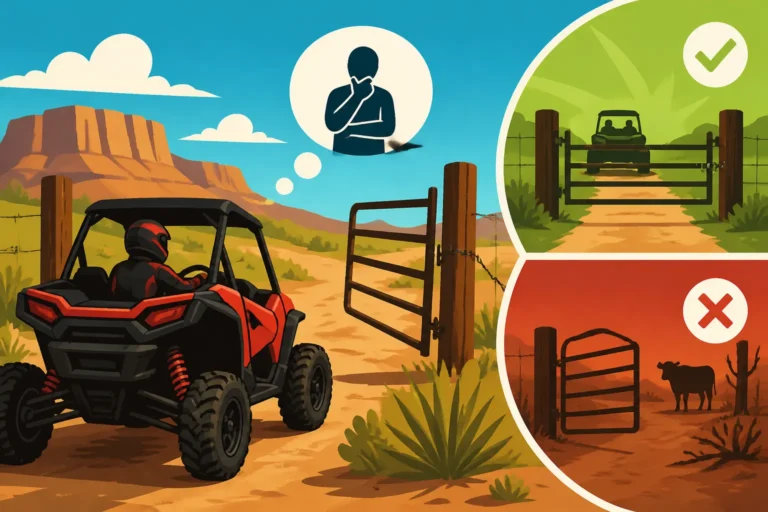
Even if you primarily ride off-road and avoid paved county or city streets, there will almost certainly be times when you need to cross a paved state highway to get from one section of trail to another. New Mexico law allows OHVs to cross state highways at a right angle (perpendicular to traffic) after coming to a complete stop, provided it is safe to do so. However, this act of crossing, brief as it is, places you momentarily on a paved public roadway.
Therefore, for that brief moment you are crossing a New Mexico state highway, all riders in your party, regardless of age, must be wearing an approved helmet. This is a critical detail that many riders overlook. They might be helmet-free on the dirt trail leading up to the highway, pull over, then cross quickly without putting on head protection, thinking it doesn't count. But it does. [New Mexico Rules for Crossing a Highway] emphasizes the need for caution and compliance.
This scenario underscores the dynamic nature of New Mexico's helmet laws. Your gear requirements can change literally at the edge of the asphalt. It's a good practice to have your helmets easily accessible, even if you don't plan to wear them for the entire off-road portion of your ride. When you approach any paved crossing, ensure everyone is properly helmeted before you enter the roadway. This not only keeps you legal but also provides crucial protection during a maneuver that always carries some inherent risk.
Disclaimer
This article is for general informational purposes only and does not constitute professional advice. Laws, prices and regulations vary by location and change over time. Consult a qualified professional for guidance on your specific situation.