What to Do About an Unreadable Decal Number
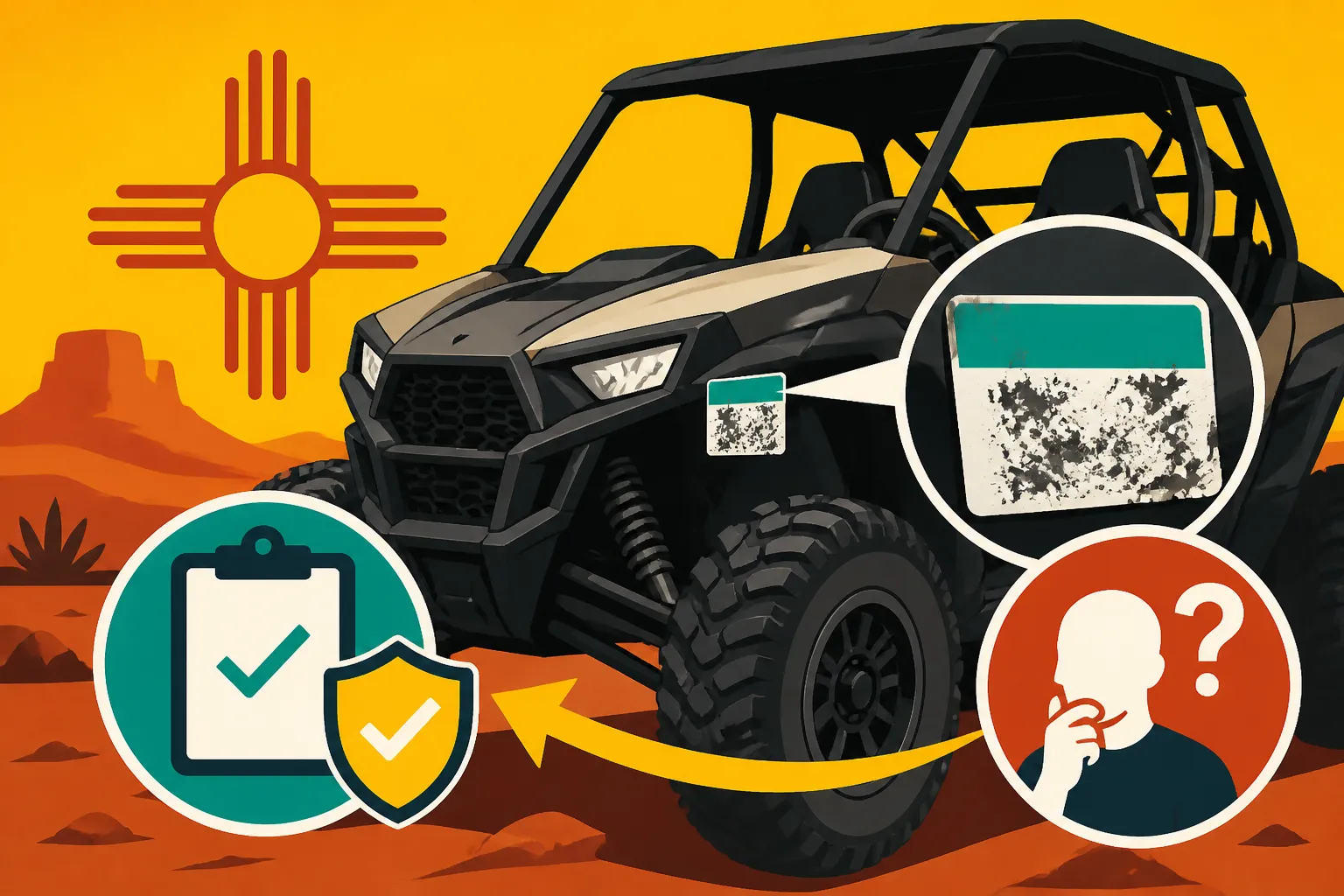
There's nothing quite as frustrating as looking at your prized off-highway vehicle (OHV) and realizing that the vibrant, official decal you proudly affixed is now a faded, peeling ghost of its former self, with the critical registration number barely discernible. This guide is here to walk you through exactly what to do when your New Mexico OHV decal becomes unreadable, ensuring you stay compliant and avoid unnecessary headaches on the trails or during renewal.
Why Your OHV Decal Might Become Unreadable in New Mexico
New Mexico is a land of incredible beauty and adventure, but our brilliant sunshine and varied terrain can be surprisingly tough on everything, including your OHV's registration decals. It’s not just wear and tear; it's a constant battle against the elements that many riders experience.
The Harsh Realities of New Mexico Weather on Decals
Our desert sun is relentless, isn't it? What starts as a crisp, clear yellow or green decal can quickly bleach out under countless hours of direct UV exposure. Think about your vehicle's paint job – even that fades over time, and these decals are much thinner and more exposed. Whether your machine is parked outside year-round or spends its days blazing trails under a cloudless sky, that sun is working hard to erase its identifying marks.
Beyond the sun, the temperature extremes we experience, from freezing winter mornings to scorching summer afternoons, cause materials to expand and contract. This constant stress can lead to cracking, peeling, and the gradual degradation of the decal's surface, making it vulnerable to further damage. It’s a common complaint among riders, and it’s certainly not a reflection on how well you're maintaining your machine, but rather the challenging environment we operate in.
Common Causes of Decal Wear and Tear
While the sun is a major culprit, other factors play a significant role in making your decal unreadable. Aggressive cleaning, for instance, can unintentionally strip away the protective layers or even the ink itself. If you're using a pressure washer a little too close or with too much force, especially on the edges of the decal, you might inadvertently be contributing to its demise. Those powerful jets can lift the decal right off or abrade its surface.
Then there’s the simple reality of riding. Mud, dust, sand, and even branches from overhanging trees constantly abrade the decal's surface. A side-by-side's quarter panel decal or a dirt bike's fork leg decal are particularly susceptible to this kind of friction. Over time, these minor abrasions build up, obscuring the printed numbers until they become impossible to read. Sometimes, a poorly chosen placement area, perhaps too close to a high-wear spot or where clothing rubs against it, can also accelerate its deterioration.
The Importance of a Legible Decal Number
You might be thinking, "It's just a sticker, what's the big deal?" But that decal isn't just decoration; it's tangible proof that your OHV is properly registered with the state of New Mexico. The unique registration number printed on it links directly to your vehicle's information in the Motor Vehicle Division (MVD) database. This number is how law enforcement, trail rangers, and even MVD staff verify your compliance.
Without a clearly readable number, it's impossible for officials to confirm your registration status quickly and accurately. This can lead to delays, questioning, and even citations, even if your machine is technically registered. Imagine being stopped on a trail and being unable to provide visible proof – it immediately raises red flags. This small piece of adhesive is your peace of mind and your ticket to worry-free riding on public lands. For more on the specifics, check out [New Mexico OHV Decal Placement Rules].
The Hassle and Headaches of an Unreadable Decal
An unreadable decal isn't just an aesthetic issue; it can lead to some real-world problems that can quickly put a damper on your riding adventures or even your ability to renew your registration. It's one of those minor annoyances that can escalate into a bigger problem if not addressed promptly.
Why an Unreadable Decal Can Cause Problems During Stops and Renewals
Picture this: you're out enjoying a beautiful day on a designated trail in the Carson National Forest, and a Forest Service ranger approaches for a routine check. They ask for your registration, and then they look at your decal. If they can't clearly read the registration number, they're left with no immediate way to verify your compliance. While you might have your paper registration card with you, the decal is meant to be the quick visual confirmation. This discrepancy can prolong a simple stop, lead to a more in-depth inquiry, and frankly, make you feel like you're doing something wrong, even when you're not.
The same problem can arise when it's time to renew your OHV registration. If you're going into the MVD office, they might physically inspect the decal. If the numbers are too faded or damaged, they could ask you to replace it before processing your renewal, creating an extra step and delay you hadn't anticipated. It’s a legitimate concern because the MVD needs to ensure that the decal on your machine accurately reflects the registration in their system.
What an Unreadable Decal Means for Your Registration Status
It's important to clarify: an unreadable decal does not mean your OHV is unregistered. If you've properly completed your registration at the MVD and paid the fees, your machine is registered in the state database. The problem is that the physical proof on your machine is compromised. Think of it like a driver's license where your photo has faded beyond recognition – you're still a licensed driver, but proving it instantly becomes difficult.
So, while your actual registration status remains valid, the visible evidence required by law enforcement and land managers is lacking. This distinction is crucial to understand. You haven't fallen out of compliance, but you've lost the primary means of demonstrating your compliance, which puts you in a vulnerable position if questioned by authorities. This is why addressing an unreadable decal swiftly is so important.
Potential Fines and Frustrations
While New Mexico doesn't have a specific "faded decal" fine, riding with an unreadable decal can easily lead to a citation for an unregistered OHV. This is because, from an officer's perspective, if they can't read the numbers, they can't confirm registration. And an unregistered OHV can come with fines up to $400, depending on the specific circumstances and location. No one wants to end a great day of riding with a hefty penalty simply because a sticker deteriorated. For more on the consequences, see [New Mexico Fines for an Unregistered OHV].
Beyond the monetary penalties, there's the sheer frustration of dealing with the situation. Having to explain yourself, potentially receiving a warning or a ticket, and then having to go through the replacement process anyway, can be a real hassle. It takes time out of your day, possibly some extra travel, and can frankly just be an unnecessary stressor. Addressing the issue proactively helps you avoid these completely avoidable frustrations.
Your Step-by-Step Guide to Replacing an Unreadable New Mexico OHV Decal
Okay, you've identified the problem – your decal's numbers are gone with the wind (or sun, rather). Now, let's get you set up with a fresh, clear decal so you can get back to riding without a worry. The process is straightforward, but knowing what to bring and where to go makes all the difference.
Gathering Your Documentation for a Replacement
Before you head out, gather the necessary paperwork. This will make your visit to the MVD much smoother. You'll generally need the following:
- Your current OHV registration card: This is the most important piece of documentation, as it contains your vehicle’s registration number and your personal details. Even if the decal is unreadable, this card proves your machine is registered.
- Proof of ownership: This could be your vehicle title or a bill of sale. While less critical for a simple decal replacement than for a new registration or transfer, having it can quickly resolve any questions about ownership. If your original bill of sale is lost, or if you received the OHV as a gift and need to formalize the ownership transfer, services like LawDepot can help you create a new, legally recognized document to ensure you have proper proof.
- Photo ID: A valid driver's license or state ID is required for verification.
Having these documents ensures that the MVD can easily verify your identity and confirm that you are the registered owner of the OHV in question. It streamlines the whole process, preventing any unnecessary delays. For a deeper dive into registration documents, you can consult [New Mexico OHV Registration Paperwork].
The Application Process: Where to Go and What to Expect
Once your documents are in hand, your next stop is the New Mexico MVD. Decal replacements are typically handled at any full-service MVD field office. You won't usually be able to do this online, as they often prefer a physical inspection or at least a face-to-face interaction to confirm the request.
Here's what you can generally expect:
- Visit an MVD office: Find the nearest MVD office location that handles OHV registrations. You might consider checking their website for current hours or if appointments are recommended, as wait times can vary. For context on where to register, see [New Mexico OHV Registration at MVD].
- Explain your situation: Inform the MVD clerk that your OHV decal number is unreadable and you need a replacement. Be prepared to show your documentation.
- Complete a form: You'll likely fill out a simple application or request form for a replacement decal. This form will ask for your OHV information and your contact details.
- Pay the fee: There is a nominal fee for a replacement decal. This is usually a small administrative charge, not the full registration renewal fee.
- Receive your new decal: Once everything is processed, you'll be issued a brand-new decal with your vehicle's current registration number.
This process is generally quick and straightforward, designed to get you back on the trails with a legible decal as soon as possible.
Understanding the Replacement Decal Costs
The cost for replacing a lost or unreadable New Mexico OHV decal is usually quite minimal. It's intended to cover the administrative processing and the physical cost of producing the new decal, rather than being a penalty. You should expect to pay a small fee, which is significantly less than the biennial registration renewal cost.
While specific figures are subject to change, consider it an incidental cost, much like replacing a lost license plate sticker for your car. It’s always a good idea to check the MVD’s official website or call your local office for the most current fee schedule before you go. Having the exact amount, or at least being prepared to pay with a debit/credit card or cash, will prevent any last-minute hold-ups. For more detailed information, look up [New Mexico OHV Decal Replacement Cost] or [Replacing a Lost New Mexico Decal].
Tips for Protecting Your New OHV Decal from the Elements
Now that you've gone through the trouble of replacing your decal, the last thing you want is for it to fade or peel again in short order. A little bit of proactive care and strategic thinking can significantly extend the life of your new decal, saving you time, money, and future frustrations.
Strategic Placement for Longevity
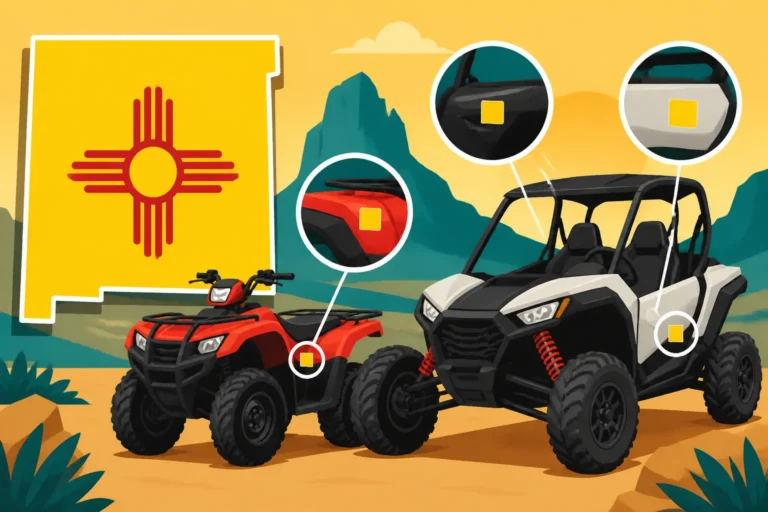
When you get your new decal, think carefully about where you're going to put it. The MVD has specific requirements for placement, like on the left-rear of an ATV, the left-rear quarter panel of a side-by-side, or the left fork leg of a dirt bike. Adhere strictly to these rules, but within those guidelines, try to choose the flattest, smoothest surface possible. Avoid areas with extreme curves, heavy vibration, or where other components might rub against it.
Consider if there’s a slightly less exposed spot that still meets the requirements. For example, a quarter panel on a side-by-side might have a small indentation or a slightly more shaded area that still offers good visibility without being directly in the path of flying debris or constant sun. For dirt bikes, sometimes the inner side of the fork leg might be slightly more protected than the outer. While you can't completely shield it from the New Mexico sun, a little thought about placement can go a long way.
Maintenance Habits to Preserve Your Decal
Once your new decal is applied, how you care for your OHV can directly impact its lifespan. Here are a few tips:
- Gentle Cleaning: When washing your OHV, be mindful of the decal. Avoid directing high-pressure water streams directly at its edges. Instead, use a softer spray or a sponge and mild soap to gently clean around the decal. This prevents the edges from lifting and water from seeping underneath, which can cause peeling.
- UV Protection (Carefully!): Some riders use clear protective films or UV-resistant sprays over their decals. If you choose this route, ensure the product is safe for vinyl decals and test it on an inconspicuous area first. A simple clear vinyl decal protector can add an extra layer against the sun's harsh rays.
- Cover When Stored: If your OHV is stored outdoors, even occasionally, throwing a breathable cover over it can provide significant protection from both UV radiation and the elements. This is especially true if your machine is parked in direct sunlight for extended periods.
- Regular Inspection: Make it a habit to quickly check your decal during your pre-ride inspection. If you notice any small lifts at the edges or signs of fading, you can often address them early. Sometimes pressing down on a slightly lifted edge can prevent further peeling, or you might apply a small strip of clear tape as a temporary fix until you can get a more permanent solution.
By combining careful placement with consistent, gentle maintenance, you can ensure your replacement decal remains legible and vibrant for its full two-year lifespan, helping you enjoy your New Mexico OHV adventures without any unnecessary hassle.
Disclaimer
This article is for general informational purposes only and does not constitute professional advice. Laws, prices and regulations vary by location and change over time. Consult a qualified professional for guidance on your specific situation.